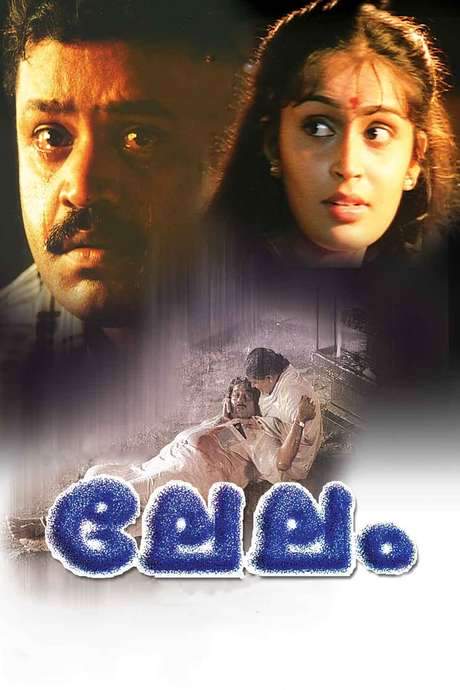
What Is Lal Salam About?
The premise of Lal Salam in 252 words, with nothing given away. The full story follows below.
In the verdant countryside of Kerala, the early stirrings of a forbidden ideology begin to ripple through village life. The film opens to a world where feudal landlords still grip the land and daily‑wage laborers scrape for survival, while the very act of preaching collectivist ideas is deemed illegal. Against this backdrop, a quiet yet intense atmosphere of surveillance and simmering unrest pervades every market lane and tea stall, hinting at the clash between entrenched power and emerging hope.
At the heart of the story are three devoted comrades. Netturan works a humble press for a landlord by day, yet his nights are spent organizing the oppressed. D.K. Antony is the fire‑brand strategist whose conviction fuels the movement’s momentum. Sethulakshmi brings a fierce intelligence and compassion that binds the trio together. Their partnership is deepened by personal ties: a tender bond blossoms between Sethulakshmi and Antony, while Netturan finds his heart tugged toward Annamma, the landlord’s daughter, creating a delicate weave of love and politics that tests their resolve.
The tone balances gritty realism with lyrical idealism, painting the comrades’ struggle as both a collective crusade and an intimate journey. As the movement gains traction, the characters confront the uneasy intersection of public duty and private longing, guided by mentors and friends who whisper alternative paths. The film invites the audience to feel the weight of conviction against the pull of family, setting the stage for choices that will shape not just their own destinies but the very fabric of their community.
What Happens in Lal Salam?
The complete story of Lal Salam, from the first scene to the last, in 545 words (about 2 minutes). Spoilers throughout. Names in the text link to 6 cast member pages.
Spoilers ahead
Set in the early days of the Communist movement in Kerala, the narrative follows three driven comrades — Netturan Mohanlal, D.K. Antony Murali, and Sethulakshmi Geetha — as they tirelessly work to uplift daily-wage laborers and other proletarians in their village, striving to end the stranglehold of feudal landlords at a time when practicing Communism was illegal.
As the movement gains momentum, personal loyalties and romantic entanglements intertwine with politics. Sethulakshmi and D.K. Antony share a deep bond, while Netturan is drawn to Annamma Urvashi, the daughter of Medayil Ittichan, the landlord whose press Netturan runs as his day job. The trio faces escalating dangers as their activism threatens entrenched power, and the atmosphere grows tense with police surveillance and state pressure.
During a farmers’ uprising a landlord is killed, and the blame lands squarely on the three leaders of the party. The trio must go into hiding as the State Police intensifies its crackdown, committing a wave of atrocities in an attempt to root them out. Sethulakshmi is arrested, and gravely affected by the unfolding events, Netturan and D.K. Antony choose to surrender. The three are convicted and sent to prison, their imprisonment marking a turning point as the party expands its influence and becomes a formidable political force.
Upon their release, Sethulakshmi, D.K. Antony and Netturan are welcomed back as heroes by the party cadre. The party’s reach has grown, and with the State Legislative Assembly elections imminent, Sethulakshmi and D.K. Antony are unanimously selected as party candidates, backed by Netturan and other members. The party secures a landslide victory, placing Sethulakshmi in the Home Minister role and D.K. Antony in the Finance Minister position, signaling a new political era.
Meanwhile, a pregnant Annamma faces a medical crisis. Netturan’s finances and commitments to the party leave him unable to secure the necessary medications, prompting him to turn to Father Felix for help. Father Felix lends him ₹50, a gesture that underscores the cash-strapped reality even as ideology and duty pull at Netturan’s conscience. Troubled by his inability to support his family while staying true to his principles, Netturan seeks guidance from his friend Unnithan Jagathy Sreekumar. Unnithan advises him to step back from the party for a time and pursue a new path. Taking the suggestion to heart, Netturan takes five years off from party duties and resigns from the state committee, venturing into a new livelihood.
He starts a contract works business, channeling his energy and discipline into building a successful enterprise. Through relentless effort, he accumulates wealth and a new sense of independence, a stark contrast to the ideals that once defined him. The continuing political saga of the party unfolds with D.K. Antony and Sethulakshmi still in office, while personal turmoil shadows their marriage when D.K.’s illicit relationship with Stella comes to light. Stella Rekha becomes a focal point of conflict, testing loyalties and ideals within the leadership.
The film closes on a somber note as D.K. Antony dies, and Netturan salutes his grave from a place of both respect and reflection. The final moments juxtapose the enduring power of political transformation with the personal costs borne by those who carry the banner of a movement, leaving viewers to ponder the balance between conviction, family, and the price of leadership.
Lal Salam Timeline: Every Key Event in Order
12 key events in the order they happen, from “Founding of the party and mobilization” to “D.K.'s death and Nettooran salutes his grave”. 12 events name a place, across 12 locations.
- 1
Founding of the party and mobilization
The Three Comrades—Stephen Nettooran, D.K. Antony, and Sethulakshmi—work to mobilize daily wage laborers and peasants in their Kerala village, laying the groundwork for a new political movement even when communism is illegal. They organize meetings, press for worker rights, and challenge the feudal landlords who dominate the region. Their actions spark hope and arouse both admiration and fear among different factions.
When:Early days of the movement Where:Kerala village
- 2
Romantic pairings among the leaders
Sethulakshmi and Antony fall in love, while Nettooran and Annamma (the landlord's daughter) also share a bond. These relationships complicate loyalties as personal ties intertwine with political commitments. The romance adds emotional stakes to their revolutionary efforts.
When:Early days Where:Village / community
- 3
Uprising and blames on the leaders
During a farmers' uprising, a landlord is killed and the blame is pinned on the three party leaders. The trio must go into hiding as the state cracks down with force. In the pursuit, the police commit atrocities against villagers, heightening the movement's resolve.
When:During the uprising Where:Countryside village
- 4
Sethulakshmi arrested; the movement under threat
Sethulakshmi is arrested, and the crackdown intensifies on the party's leadership. Nettooran and D.K. go into hiding to protect the cause. The arrest fragments the leadership but does not extinguish the movement.
When:After arrest Where:Village / police station
- 5
Surrender and imprisonment
Nettooran and D.K. surrender to authorities as the state closes in on the trio. All three leaders are convicted and sent to jail, marking a low point in the early struggle. The imprisonment further tests their resolve and the party's future.
When:Following arrest Where:Court/Jail
- 6
Release and rising hero status
After serving their sentences, the three are welcomed back as heroes by the party cadre. The party has grown in influence during their absence and now commands significant support. Their release revives the movement with renewed energy.
When:After release Where:Party center / village
- 7
Election victory and government roles
With the State Legislative Assembly elections approaching, Sethu and D.K. are unanimously chosen as party candidates. Nettooran and other party members rally behind them, and the party wins by a landslide. Sethu becomes Home Minister and D.K. becomes Finance Minister, cementing the party's control.
When:Election period Where:State capital / Assembly
- 8
Annamma's hospitalization and financial worry
Meanwhile, Annamma is hospitalized due to pregnancy complications, placing strain on Nettooran's personal life. He cannot afford the medicine, so he turns to Father Felix, who lends him money to cover the costs. This moment highlights the conflict between ideology and personal responsibility.
When:Post-election period Where:Hospital; Father Felix's place
- 9
Advice to diversify and the sabbatical suggestion
Disillusioned by financial strain, Nettooran seeks counsel from Unnithan, who urges him to consider a business venture. Potty suggests that taking a sabbatical from party duties could help stabilize his family finances. The tension between loyalty to the party and family needs drives his next move.
When:After hospital event Where:Unnithan's home; Potty's place
- 10
Five-year sabbatical and rise as a businessman
Nettooran takes a five-year break from party activities and resigns from the state committee. He starts a contract works business and, through relentless effort, amasses wealth while remaining connected to his roots. His new role shifts the balance of power and alters his relationship with the party.
When:Five years later Where:Construction sites / business offices
- 11
D.K. and Sethulakshmi's conflict and Stella affair exposed
D.K. and Sethulakshmi, still ministers, face a domestic conflict when D.K.'s illicit relationship with Stella is exposed to Sethulakshmi. She protests, testing the couple's public image and the party's discipline. The revelation strains their personal and political partnership.
When:During tenure Where:Minister's home/office
- 12
D.K.'s death and Nettooran salutes his grave
In the film's closing arc, D.K. dies, leaving the party and Nettooran to mourn. Nettooran salutes his grave, a quiet culmination of their shared sacrifices and a reflection on the cost of their revolutionary path. The story ends with a somber note on friendship, loyalty, and loss.
When:Ending Where:Graveyard / memorial
Who Are the Main Characters in Lal Salam?
10 characters, among them Nettooran, D.K. Antony and Sethulakshmi: who each one is and the part they play in the story. Every profile links to the actor’s page.
-

Nettooran
Played by Mohanlal
A dedicated party organizer who runs a local press and channels his energy into empowering workers. He remains principled but ultimately adapts by becoming a successful contractor after taking a leave from the party for personal reasons. His arc centers on balancing ideology with family obligations and the costs of leadership.
- 💡 Idealist
- 🧭 Leader
- DA
D.K. Antony
Played by Murali
A key party figure who rises to ministerial power. His personal entanglements, including an illicit relationship with Stella, test his political responsibilities and relationships within the party. His life culminates in a fatal confrontation with the costs of political life.
- 💼 Politician
- 💘 Lovers
- S
Sethulakshmi
Played by Geetha
A minister and central romantic figure who is involved with D.K. Her relationship with D.K. creates tension within the party and reflects the conflict between personal lives and political responsibilities.
- 💖 Lover
- 🏛 Politician
- A
Annamma
Played by Urvashi
The daughter of Medayil Ittichan; she is pregnant and in need of medical care, highlighting the personal costs of political and economic struggle. Her relationship with Nettooran adds emotional stakes to the era's upheavals.
- 🤰 Partner
- ❤️ Lover
- S
Stella
Played by Rekha
D.K.'s illicit former lover whose presence exposes the fragility of personal lives amid political ambition. Her role underscores the themes of temptation and betrayal in a movement under siege.
- 💘 Lover
- 🔥 Betrayal
-
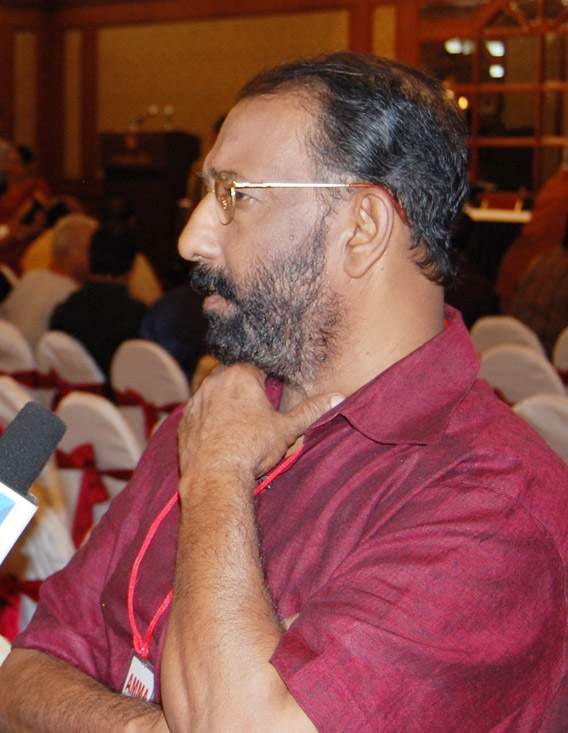
Father Felix
Played by Nedumudi Venu
A central community figure who lends Nettooran money for Annamma's medication, illustrating a moral counterbalance to the political fervor. His help underscores the social network sustaining people during hard times.
- 🕊 Moral anchor
- ⛪️ Cleric
- MI
Medayil Ittichan
Played by Madhu
The landlord father whose press Nettooran runs; his wealth and authority embody the feudal backdrop against which the party fights for workers' rights.
- 🏛 Landlord
- 👑 Power
-
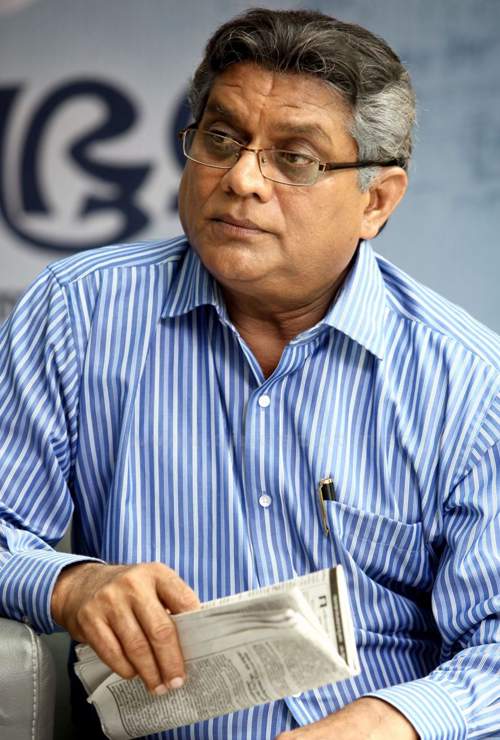
Unnithan
Played by Jagathy Sreekumar
A friend who counsels Nettooran, advising practical steps like starting a business and taking a sabbatical, reflecting the personal compromises required to sustain a movement.
- 🤝 Advisor
- 🧭 Counselor
- JP
Janardanan Potty
Played by Karamana Janardanan Nair
An ally who offers pragmatic guidance and whose influence helps steer Nettooran through personal and political crossroads.
- 🗣 Advisor
- 🧭 Pragmatist
-
Kannan Muthalali
Played by Janardhanan
A local landlord figure tied to the party's feudal antagonists, representing the entrenched interests the protagonists oppose.
- 🏛 Landlord
- 💼 Power
Where and When Is Lal Salam Set?
Lal Salam is set in Kerala and India. Here is why the place matters to the story.
Where
Kerala, India
Set in a rural Kerala village during the early phase of the Communist movement, the film follows organizers who mobilize daily-wage labourers against feudal landlords. The landscape features agrarian life, clandestine meetings, and a press run by the lead character that doubles as a political tool. The setting highlights the tension between traditional rural authority and a rising political awakening.
- ❄️ Rural
- 🏘 Village
- 📍 Kerala
What Are the Themes of Lal Salam?
3 ideas the story keeps returning to, among them Revolution Rise, Love and Duty and Power Morality.
-
01
Revolution Rise
The movie charts the birth of a political movement, as workers unite, form a clandestine party, and challenge feudal power in their village. It emphasizes how ideology fuels collective action while risking arrest and violence by the state. Sacrifice for a larger cause is a through-line that tests personal loyalties.
-
02
Love and Duty
Romance and political life intertwine: Sethu and Antony are in love, as are Nettooran and Annamma, complicating commitments to the party. The lovers must balance affection with political duty, and romantic entanglements intersect with ministerial power and public life. Personal relationships drive some of the film's most poignant decisions.
-
03
Power Morality
Leaders grapple with ideology versus practical needs. Nettooran leaves the party to start a business and support his family, illustrating the clash between radical aims and economic survival. The film also exposes the moral ambiguities of power, including D.K.'s illicit relationship and the heavy costs borne by those around him. In the end, personal loyalties and political aims collide, culminating in D.K.'s death and Nettooran's tribute.
What Kind of Film Is Lal Salam?
Melancholic in tone, with variable pacing and a complex story, going by the plot summary.
- Tone
- Melancholic
- Pacing
- Variable
- Story
- Complex
- Intensity
- High
- Ending
- Bittersweet
A deeply melancholic and politically charged epic that spans decades, tracing the heavy personal costs of revolutionary idealism as it grapples with love, betrayal, and the erosion of principles.
- political
- somber
- ideological
- reflective
- tense
- hopeful
- political revolution
- communism
- idealism vs pragmatism
- forbidden love
Content notes: police violence, political persecution, death of a major character, extramarital affair, dysfunctional marriage.
Quiz
How well do you remember Lal Salam? Test yourself on the story.
Where to Watch Lal Salam
. US availability and prices from JustWatch.
Streaming availability in the US, powered by