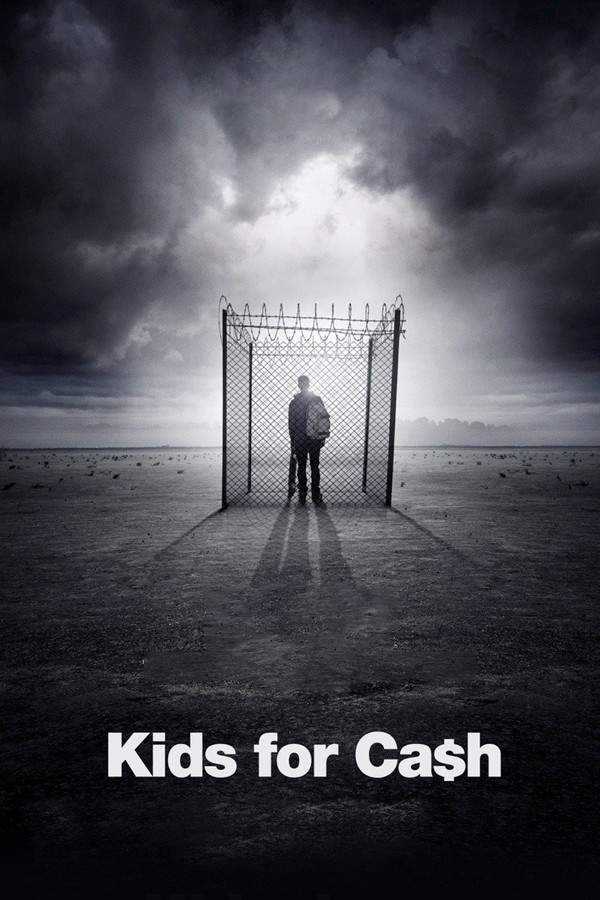
What Is Kids for Cash About?
The premise of Kids for Cash in 329 words, with nothing given away. The full story follows below.
In Kids for Cash, a haunting documentary exposes a deeply troubling chapter in the American justice system, one in which a judge’s misguided attempts to curb juvenile crime spiraled into something far more sinister. Through archival footage, candid interviews, and careful investigation, the film pulls back the curtain on a scheme that traded the futures of countless young people for personal gain. At the center of the story stand Judge Mark Ciavarella and Judge Michael Conahan, two figures whose names became synonymous with one of the most alarming abuses of judicial power in recent memory.
The documentary unfolds with a measured, sobering tone, leaning into the gravity of its subject matter rather than spectacle. Its lens lingers on the human cost — families torn apart, youthful lives rerouted by questionable rulings, and the quiet anguish of a community that trusted its institutions to protect, not exploit, its most vulnerable. The filmmakers allow the weight of the situation to build slowly, inviting viewers to sit with the discomfort of what unfolded and to question how such a betrayal could take hold within the halls of justice.
Stylistically, the film balances investigative journalism with deeply personal storytelling, weaving together courtroom glimpses, whistleblower accounts, and emotional testimony. Rather than sensationalizing the events, it treats the scandal as a mirror held up to a justice system vulnerable to corruption, particularly when private interests intersect with public authority. The presence of a private prison company in the narrative hints at the financial entanglements that fueled the scheme, casting a long shadow over the proceedings and the communities caught in its wake.
As the layers of the story continue to peel back, Kids for Cash becomes less about a single act of wrongdoing and more about the systemic conditions that allowed such an abuse to flourish. It is a portrait of power left unchecked, of institutions that failed their youngest citizens, and of a community still searching for answers in the aftermath of misplaced trust.
What Happens in Kids for Cash?
The complete story of Kids for Cash, from the first scene to the last, in 293 words (about 1 minute). Spoilers throughout.
Spoilers ahead
In this gripping film, former judge Michael Conahan comes forth to admit his wrongdoing as he accepts a plea agreement connected to his role in a notorious scandal. On September 23, 2011, he is sentenced to 17.5 years in prison along with an obligation to pay $874,000 in restitution. In stark contrast, Mark Ciavarella, also a judge, firmly denies any wrongdoing and refuses to accept a plea deal. He maintains that he is a victim of false accusations, even claiming that Conahan is lying regarding the kids-for-cash scam, for which both men were implicated. Consequently, Ciavarella faces a tougher punishment—receiving a 28-year sentence, which is 10.5 years longer than that of Conahan. He could have potentially received a lesser sentence if he had admitted to his crimes, similar to Conahan’s.
The documentary delves into the details surrounding Conahan’s involvement in the scandal, revealing how his various business ventures equipped him with the skills needed to execute such a deceitful operation. Conahan openly signed a plea agreement, admitting to having received financial kickbacks from the scam. Meanwhile, Ciavarella was convicted on twelve out of thirty-nine federal felonies, which included serious charges such as racketeering, mail fraud, money laundering, conspiracy to commit fraud, and filing false tax returns.
After starting his sentence at a Federal correctional institution in Pekin, Illinois, Ciavarella underwent a transfer in October 2014 to a Federal transfer center located in Oklahoma City, Oklahoma. In March 2015, his attempts to appeal the conviction were denied when the Supreme Court of the United States dismissed his petition. Notably, Ciavarella will be 85 years old upon his eligibility for release. There have been claims from various sources suggesting that Conahan demanded $129,000 from Ciavarella’s in-laws; however, these allegations remain unverified by more reputable channels.
Kids for Cash Timeline: Every Key Event in Order
10 key events in the order they happen, from “Michael Conahan Admits Guilt” to “Allegations Against Conahan”.
- 1
Michael Conahan Admits Guilt
Former judge Michael Conahan admits to his involvement in the kids-for-cash scandal, taking a significant step in acknowledging his wrongdoing. He agrees to a plea deal which reveals financial kickbacks associated with his crimes.
- 2
Conahan Sentenced
On September 23, 2011, Michael Conahan is sentenced to 17.5 years in prison for his role in the scam. Additionally, he is ordered to pay $874,000 in restitution as part of the sentencing.
When:September 23, 2011
- 3
Ciavarella Denies Allegations
Former judge Mark Ciavarella, in stark contrast to Conahan, denies any involvement in the scandal. He claims that allegations against him are false and insists that Conahan is lying about the events.
- 4
Ciavarella's Sentencing
Despite his denials, Mark Ciavarella is found guilty of multiple charges, including racketeering and fraud. He receives a much harsher sentence of 28 years in prison, 10.5 years longer than Conahan's sentence.
- 5
Details of Ciavarella's Conviction
Ciavarella is convicted of twelve out of thirty-nine federal felonies. The jury finds him guilty of serious charges such as money laundering and filing false tax returns, highlighting the extent of his criminal involvement.
- 6
Conahan's Business Endeavors
The documentary exposes Michael Conahan's prior business activities that provided him with the necessary knowledge and experience to orchestrate the kids-for-cash scam. His involvement in these ventures is portrayed as pivotal to the unfolding scandal.
- 7
Ciavarella's Prison Transfer
After beginning his sentence at a Federal correctional institution in Pekin, Illinois, Mark Ciavarella is transferred to a Federal transfer center located in Oklahoma City, Oklahoma. This transfer occurs in October 2014 as part of standard correctional procedures.
When:October 2014 Where:Oklahoma City, Oklahoma
- 8
Appeal Rejected
In March 2015, the Supreme Court of the United States rejects Ciavarella's petition for an appeal concerning his conviction. This decision solidifies his sentence and cements his status as a convicted felon.
When:March 2015
- 9
Future Release Eligibility
Due to the length of his sentence, Mark Ciavarella will be eligible for release when he is 85 years old. This fact demonstrates the long-lasting consequences of his actions and the severity of his crimes.
- 10
Allegations Against Conahan
Several sources allege that Conahan demanded $129,000 from Ciavarella's in-laws during the course of the scam. However, these claims remain unverified by more reputable sources and add to the complexity of the case.
Who Are the Main Characters in Kids for Cash?
2 characters, among them Michael Conahan and Mark Ciavarella: who each one is and the part they play in the story.
- MC
Michael Conahan
Michael Conahan is a former judge who admitted his involvement in the kids-for-cash scandal. His acceptance of a plea deal and the ramifications of his actions showcase a complex blend of remorse and self-preservation. He embodies the consequences of moral failure within the judicial system.
- ⚖️ Judge
- 👨⚖️ Corruption
- MC
Mark Ciavarella
Mark Ciavarella, another former judge, vehemently denied any wrongdoing and refused to accept a plea agreement, which ultimately led to a harsher sentence. His character illustrates the denial and resistance to accountability often seen in those in power. His story prompts discussions about justice and the personal implications of corruption.
- ⚖️ Judge
- 🔍 Denial
Where and When Is Kids for Cash Set?
Kids for Cash is set in Pekin, Illinois, Oklahoma City and Oklahoma (2011, 2014-2015). Here is why the time and place matter to the story.
When
2011, 2014-2015
The film takes place during a critical period starting with the sentencing of Michael Conahan in 2011 and spanning through the transfer of Mark Ciavarella in 2014. It captures pivotal moments in the American judicial system and the fallout from corruption in the legal profession. Events occurring in this timeframe reflect a broader social concern about legal integrity and accountability.
Where
Pekin, Illinois, Oklahoma City, Oklahoma
Pekin, Illinois, is known for its Federal correctional institution where Mark Ciavarella began serving his sentence. The city has a rich history and is a hub for various business activities. In contrast, Oklahoma City, Oklahoma, is known for its vibrant culture and serves as a major metropolitan area in the region.
- 🏢 Jail
- 🌆 City
What Are the Themes of Kids for Cash?
2 ideas the story keeps returning to, among them Justice and Corruption.
-
01
Justice
The theme of justice is central to the story, showcasing the consequences faced by judges who abuse their power. It emphasizes the legal system's flaws and highlights the need for accountability and ethical governance. As the documentary explores the stark realities of crime and punishment, it raises questions about fairness in sentencing.
-
02
Corruption
Corruption plays a significant role in the narrative, revealing how financial kickbacks can lead to severe abuses of power within the judicial system. The film illustrates the lengths to which individuals may go to protect their interests, often at the expense of justice. It brings to light the broader implications of corruption in society.
What Kind of Film Is Kids for Cash?
Dark in tone, with steady pacing and a moderate story, going by the plot summary.
- Tone
- Dark
- Pacing
- Steady
- Story
- Moderate
- Intensity
- High
- Ending
- Mixed
An unflinching investigative documentary that exposes a deeply disturbing scheme of judicial corruption, leaving viewers outraged and heavy-hearted by the lasting devastation inflicted on vulnerable youth.
- oppressive
- infuriating
- investigative
- somber
- unsettling
- methodical
- judicial corruption
- juvenile injustice
- bribery
- private prisons
Content notes: child endangerment, suicide, judicial corruption, bribery, injustice against minors.
Quiz
How well do you remember Kids for Cash? Test yourself on the story.