


Kal Aaj Aur Kal Plot Summary
Read the complete plot summary and ending explained for Kal Aaj Aur Kal (1971). From turning points to emotional moments, uncover what really happened and why it matters.
The film uses its title as an allegory for a clash across three generations, pitting the old against the new while testing the loyalties of family, love, and duty. The tale frames the family saga through the lenses of Kal (yesterday) for the past, Aaj (today) for the present, and Kal (tomorrow) for the future, with each generation pulling in its own direction. Diwan Bahadur Kapoor, (Prithviraj Kapoor), is the patriarch whose long-held plan is to pair his grandson with Rukmani, the granddaughter of a longtime childhood friend. Yet his grandson, Rajesh R. Kapoor, Randhir Kapoor, is deeply in love with Monica “Mona,” who is played by Babita Kapoor in the cast, and he resists the arranged match.
Ram B. Kapoor, the father in this family constellation, is portrayed by Raj Kapoor. He watches the evolving dispute between his father and son with a growing sense of being torn, feeling the burden of the generations bearing down on him. Ram’s friend, Iftekhar, tries to help by suggesting a feigned detachment—a plan to stay in a hotel and appear to be drinking away the strain—to keep the peace, a ploy that buys time but cannot truly mend the rift.
Seeing neither side willing to yield, the grandfather and grandson attempt to “solve” the conflict by acting as if the issues have been settled. Ram, hoping for harmony, hosts a party in celebration, but the joyous mood shatters when he overhears the two men discussing the ruse, leaving him feeling betrayed and more isolated than before.
As Diwan Bahadur Kapoor falls ill, a poignant truth emerges: he longs to witness his grandson’s wedding and to feel the family united at last. This moment of vulnerability pushes Rajesh to a painful choice—he offers to sacrifice his own happiness for the sake of his grandfather’s peace. Mona, the woman he loves, agrees to the sacrifice and prepares to participate in the planned wedding. The ceremony, however, becomes a dramatic twist of fate when Rajesh marries a girl named Laxmi, only for the veil to be lifted and Mona to appear as the bride. Diwan Bahadur Kapoor consoles him, explaining that if Rajesh has given so much for him, he must also show a willingness to sacrifice for Rajesh.
In the final turning of the wheel, the elder generation’s sentiments soften, and the two generations begin to find a way forward—not through force, but through compromise and understanding. Rajesh honors his grandfather by scattering his ashes, a ritual that marks the end of an era and the fragile beginning of a new one. Not long after, Rajesh and Mona’s union is rewarded with the arrival of a son, bringing Ram the irreplaceable joy of becoming a grandfather at last, and sealing the film’s message about reconciliation, family bonds, and the enduring circle of generations.
Kal Aaj Aur Kal Timeline
Follow the complete movie timeline of Kal Aaj Aur Kal (1971) with every major event in chronological order. Great for understanding complex plots and story progression.
Diwan's plan to marry Rajesh to Rukmani
Diwan Bahadur Kapoor aims to secure Rajesh's marriage to Rukmani, the granddaughter of his longtime friend. This arranged match is meant to strengthen family alliances and uphold tradition. The plan sets up a clash between the older and younger generations.
Rajesh loves Mona and resists the arranged match
Rajesh falls in love with Mona and refuses to bow to his grandfather's scheme. He makes clear that he would lose Mona if forced into the arranged marriage. The conflict between love and duty deepens the family rift.
Ram bears the generational clash and leaves home
Ram Bahadur watches the feud between his father and son with growing pain, realizing he is the true casualty of their quarrel. Unable to reconcile the competing loyalties, he leaves the family home. The rift between grandfather and grandson widens in his absence.
A friend's ruse to smooth tensions
Ram's friend suggests a plan: Ram should pretend to stay at a hotel and drink heavily to project a harmless, carefree image. The ruse is meant to soften the immediate pressure of the marriage dispute. It buys time but irks the already tense family dynamics.
Diwan and Rajesh pretend their issues are resolved
The grandfather and grandson appear to have reconciled their differences and celebrate a facade of harmony. They project unity to the rest of the family and friends. Behind the smiles, the underlying tensions remain unresolved.
Ram overhears the ploy and storms out
Ram catches wind of the staged reconciliation and the ruse behind it. Feeling betrayed, he leaves the party in anger. The rift among the three generations becomes even more pronounced.
Diwan falls ill but longs to see the wedding
Diwan falls sick yet expresses a simple wish: to witness his grandson's wedding. He confesses that, apart from this, he is content with the family, if he can only see the union. His vulnerability highlights the emotional stakes of the feud.
Rajesh sacrifices love for the grandfather
Rajesh decides to give up his love for Mona to secure his grandfather's happiness. He informs Mona of his decision, and she accepts, agreeing to attend the wedding despite the heartbreak. The act marks a crucial turn toward intergenerational reconciliation.
Wedding day: Rajesh appears to marry Laxmi
On the wedding day, Rajesh seems to marry Laxmi, following his grandfather's wish, yet he remains emotionally torn. The ceremony proceeds under a cloud of unresolved longing and family pressure. Mona's presence elsewhere underlines the personal cost of the sacrifice.
Veil lift reveals Mona as the bride
During the ceremony, the bride lifts her veil to reveal that Mona is the real bride. The revelation redefines the sacrifice, showing that love endures even when outward appearances suggest conformity. It reframes the entire wedding as a union built on mutual devotion.
Diwan articulates the moral of sacrifice and duty
Diwan explains that if he could sacrifice for his grandson, he must also sacrifice a little for Rajesh. The allegory of yesterday, today, and tomorrow is made explicit, stressing that love and duty can coexist across generations. The family begins to understand each other more clearly.
Resolution: ashes scattered and a new generation begins
Rajesh scatters his grandfather's ashes, signaling the end of the feud. At the same time, Rajesh's son is born, making Ram a grandfather at last. The film closes with a renewed sense of family harmony across generations.
Kal Aaj Aur Kal Characters
Explore all characters from Kal Aaj Aur Kal (1971). Get detailed profiles with their roles, arcs, and key relationships explained.
Rajesh R. Kapoor (Randhir Kapoor)
Rajesh is the London-educated grandson who loves Mona but is pressed by Diwan Bahadur Kapoor to marry Rukmani. He initially clashes with the elder’s plan, but ultimately agrees to sacrifice his own happiness for the family. This decision drives the central tension of the film and pushes the plot toward its reconciliatory turn.
Ram B. Kapoor (Raj Kapoor)
Ram is the father who bears the brunt of the generational clash and ultimately steps back to avoid choosing sides. He endures the strain of the family rift and supports a path toward reconciliation, embodying patience and resilience in a divided household.
Monica 'Mona' (Babita Kapoor)
Mona is Rajesh's girlfriend whose love is central to the plot. She agrees to the plan that protects Rajesh's future and attends the wedding, ultimately becoming the person Rajesh marries in the pivotal reveal. Her loyalty and adaptability reflect the conflict between personal love and family strategy.
Diwan Bahadur Kapoor (Prithviraj Kapoor)
The family patriarch who advocates for a traditional marriage alliance to preserve lineage and status. He grows sick but remains the driving force behind the wedding plan, using his position to push the generations toward a resolution that honors family duty.
Achala (Monica's Mother) (Achala Sachdev)
Achala is Monica's mother, a member of the family circle whose presence highlights the domestic and social pressures surrounding marriage. Her role centers on upholding family dynamics and contributing to the broader tension of whether tradition or personal choice should prevail.
Munshi (David Abraham Cheulkar)
Munshi acts as a clerk-like figure within the family circle, aiding in the logistics of the wedding arrangement. His involvement reflects the everyday social machinery that supports traditional arrangements in the narrative.
Ram's Friend (Iftekhar)
Ram's friend serves as a confidant who helps Ram navigate the plan to stabilize the family rift. He represents the practical, and sometimes humorous, external perspective that feeds into the deception used to reconcile the generations.
Sunny (Rajesh's College-Mate) (Roopesh Kumar)
Sunny is depicted as Rajesh's college-mate, a minor presence that adds texture to Rajesh's younger-generation circle. His character helps illustrate the social setting of youth and education in the era.
Kal Aaj Aur Kal Settings
Learn where and when Kal Aaj Aur Kal (1971) takes place. Explore the film’s settings, era, and how they shape the narrative.
Location
India, London
The action centers on a traditional Indian family, with pivotal scenes in a Kapoor household marked by weddings, confrontations, and moral tests. The setting emphasizes domestic spaces where honor and duty are negotiated. London appears as a backdrop for Rajesh's education, signaling exposure to Western ideas that clash with conventional expectations.
Kal Aaj Aur Kal Themes
Discover the main themes in Kal Aaj Aur Kal (1971). Analyze the deeper meanings, emotional layers, and social commentary behind the film.
🎭
Generational Conflict
The plot centers on a clash between the grandfather's traditional expectations and the grandson's modern desires, with Ram caught in the middle. Each generation clings to its own beliefs about marriage and duty, which leads to misunderstandings and emotional turmoil. The story uses humorous deception and dramatic reversals to navigate toward reconciliation.
💞
Love vs Duty
Rajesh's love for Mona collides with Diwan's plan to wed him to Rukmani, forcing him to choose between personal happiness and family loyalty. Mona's willingness to participate in a plan that protects Rajesh's future underscores the complexity of romance in a traditional setting. The finale reshapes romantic choices into a sacrifice that strengthens family bonds.
🕰️
Tradition vs Modernity
The film contrasts arranged marriage and generational expectations with the younger generation's autonomy and romantic ideals. London-educated Rajesh embodies modern attitudes, while the grandfather embodies continuity of tradition. The resolution reveals that both sides value family happiness, despite conflicting methods.

Coming soon on iOS and Android
The Plot Explained Mobile App
From blockbusters to hidden gems — dive into movie stories anytime, anywhere. Save your favorites, discover plots faster, and never miss a twist again.
Sign up to be the first to know when we launch. Your email stays private — always.
Explore the mobile appKal Aaj Aur Kal Spoiler-Free Summary
Discover the spoiler-free summary of Kal Aaj Aur Kal (1971). Get a concise overview without any spoilers.
In bustling Bombay, a polished yet solitary household hides the quiet ache of loss. The widower Ram Kapoor maintains his affluent life with the precision of someone accustomed to control, yet the echo of an empty marital seat lingers behind the marble floors and grand parlors. His world is one of polished social gatherings and business affairs, a place where the expectations of society are as conspicuous as the city’s neon lights.
Beyond the city’s din, two other anchors pull at the family’s core. In a remote village, the venerable patriarch Diwan Bahadur lives according to traditions that have guided his lineage for decades, his days marked by rituals and the steady rhythm of rural life. Meanwhile, Rajesh, the son who has built a career abroad, returns to his father’s home carrying the restless energy of a man who has seen the world beyond India’s borders. The convergence of these three generations—grandfather, father, and son—sets the stage for a subtle yet potent clash of values.
At the heart of the tension lies a classic dilemma of love and duty. Rajesh is drawn to Monica, a modern, head‑strong woman whose very presence challenges the expectations of his family. Yet the elder’s hopes rest on a time‑honored match with Rukmani, a young woman whose lineage promises to preserve caste ties and familial alliances. The household becomes a delicate balancing act of whispered negotiations, cultural reverence, and the yearning for personal freedom, all underscored by an undercurrent of scandal‑tinged curiosity as Rajesh navigates his desires in a world that watches every step.
Surrounding the central trio, loyal friends and well‑meaning advisors offer counsel, often through humor‑laced distractions that momentarily ease the mounting pressure. Their presence adds a warm, almost theatrical texture to the unfolding drama, hinting at the possibility that understanding might emerge not from confrontation but from the gentle art of compromise. The film gleams with the rich tapestry of Indian family life, inviting viewers to contemplate how yesterday, today, and tomorrow intertwine within a single household.
Movies with Similar Twists and Themes
Uncover films that echo the narrative beats, emotional arcs, or dramatic twists of the one you're exploring. These recommendations are handpicked based on story depth, thematic resonance, and spoiler-worthy moments — perfect for fans who crave more of the same intrigue.

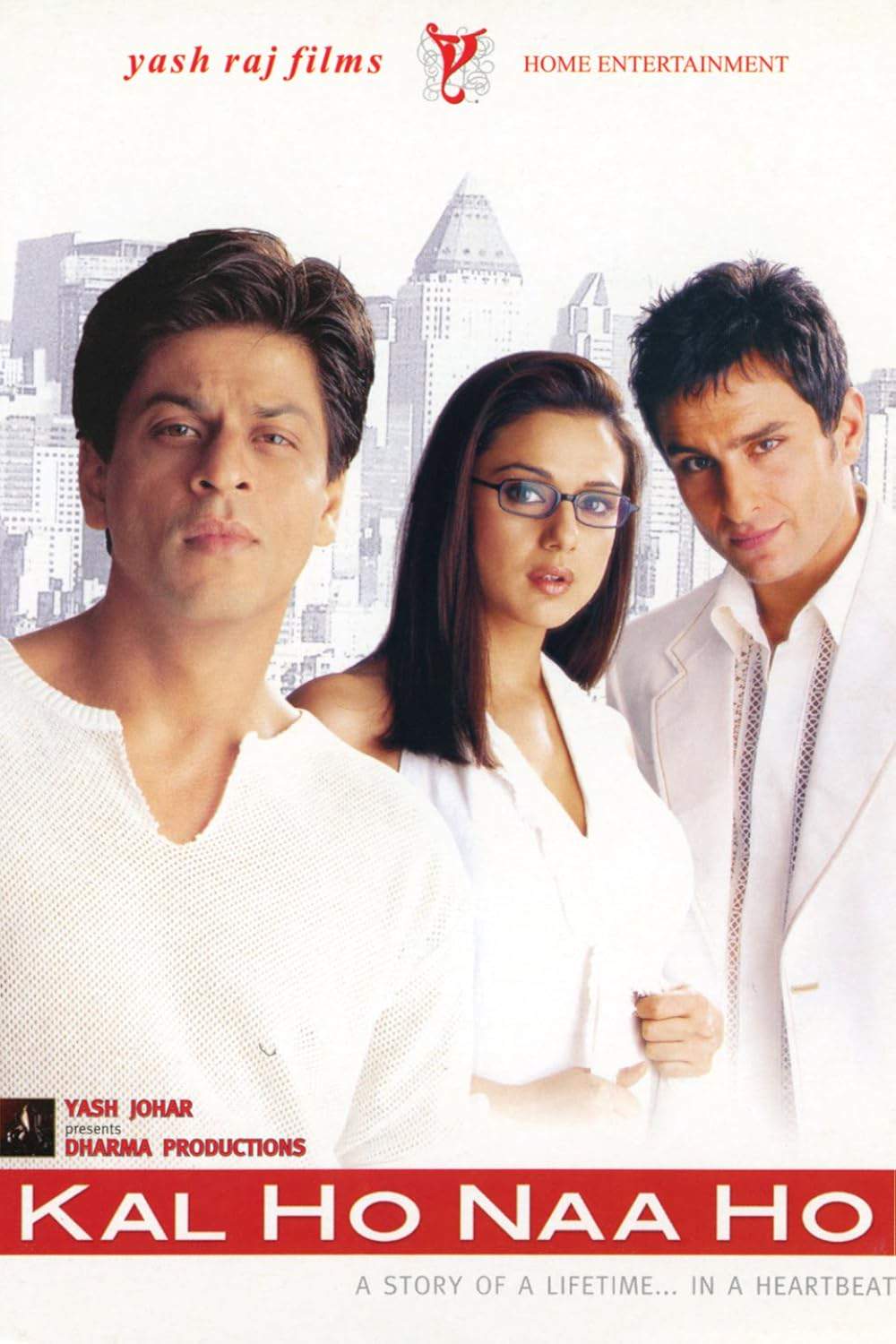
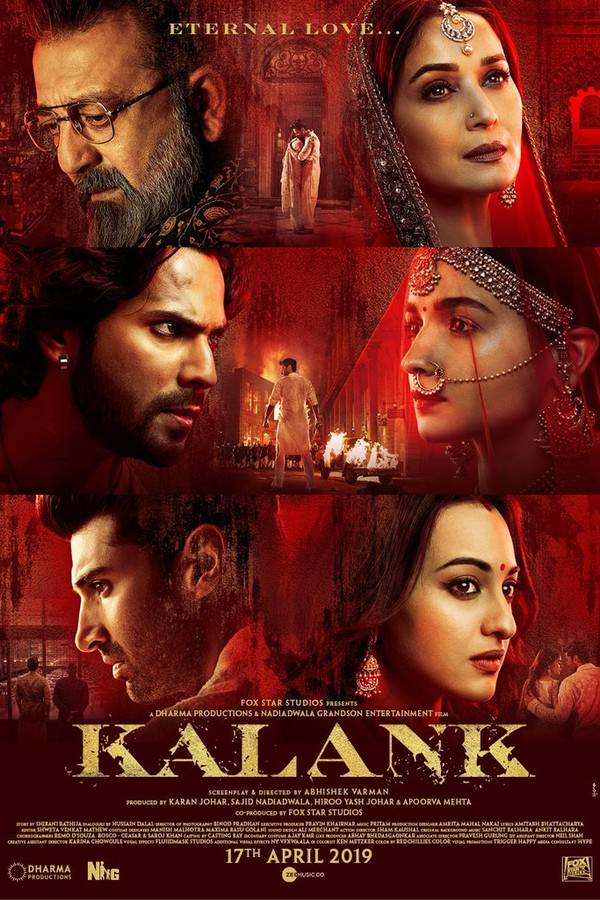


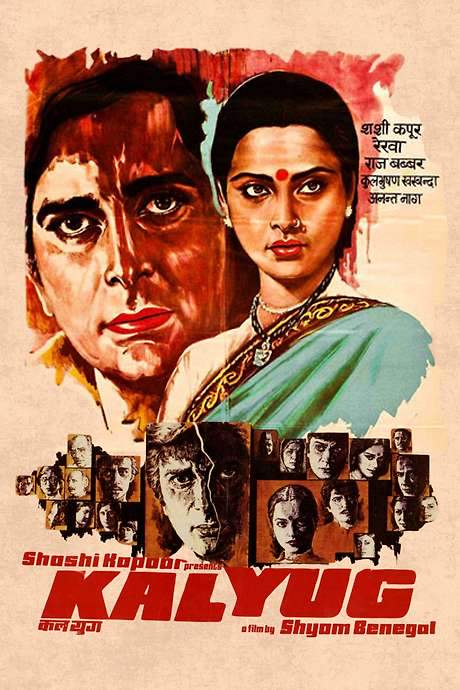
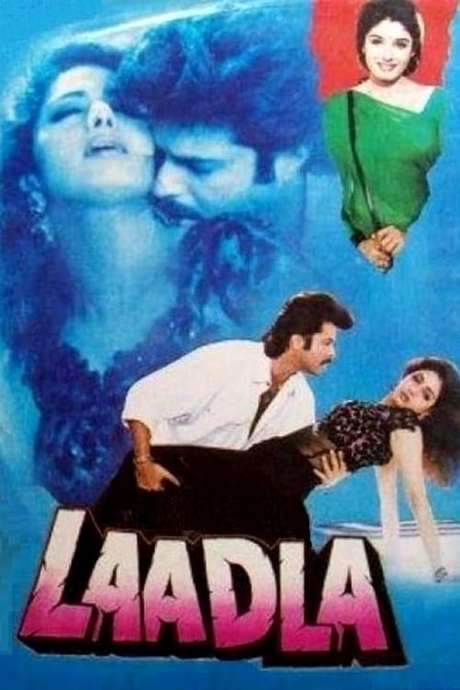


Featured on this page

What's After the Movie?
Not sure whether to stay after the credits? Find out!
Check out our other apps:

SAT Sphere
Build confidence for the Digital SAT.

Mori Atlas
Discover wild places worth protecting.

Luntero
Search smarter for a home in Amsterdam.

Plot Explained
Unravel movie endings and hidden clues.

Pokechamp
Dive into Pokémon data and battle logic.

Driving Theory
Get ready for your European theory test.

Movie Dust
Plan your next cinema trip with ease.

Musemap
Find art and culture as you travel.

Selkobase
Compare credentials before committing.

Local Manual
Turn an unfamiliar country into practical next steps.

Lernavi
Compare school systems before your next move.

GymRoam
Find a workout stop wherever your plans take you.
Explore Our Movie Platform
New Movie Releases (2026)
Famous Movie Actors
Top Film Production Studios
Movie Plot Summaries & Endings
Major Movie Awards & Winners
Best Concert Films & Music Documentaries
Movie Collections and Curated Lists
© 2026 What's After the Movie. All rights reserved.
Privacy Policy