



Where to Watch Joroo Ka Ghulam
See current US streaming, rental, and purchase options for Joroo Ka Ghulam (1972) via JustWatch.


Streaming availability powered by 
Joroo Ka Ghulam Plot Summary
Read the complete plot summary and ending explained for Joroo Ka Ghulam (1972). From turning points to emotional moments, uncover what really happened and why it matters.
Kalpana, Nanda is the daughter of a very wealthy man who constantly fears that she might fall in love. To keep her from close contact with men, her father forbids any conversations with boys, but Kalpana refuses to bow to these rules. She moves to her uncle’s house to pursue her studies, and soon finds herself drawn to the city’s art world. In a gallery, she is captivated by a painting by an artist named Rajesh, and an unwanted attempt by a photographer to sketch her without consent only fuels her resolve to stand her ground.
In a parallel thread, an aspiring artist is pressed by deadline to complete an ad campaign for the company where Kalpana’s uncle works. Under the pressure to deliver, he sketches Kalpana for the advertisement without her knowledge, dissatisfied with the models he has seen so far. The next day, Kalpana’s image graces the newspaper, and she erupts in anger at the intrusion. Yet when she learns the sketch was done by the artist [Rajesh], her temper softens, and the two grow into friends who eventually fall in love.
Kalpana’s proud father learns of the romance and fabricates a deceitful tale, telling her that Kalpana’s mother is ill. She rushes back home, only to discover that it is a lie designed to force her to stay closer to home. He goes further, arranging a marriage for Kalpana to a rich man’s son who is described as looking like an elephant. Fearing the loss of freedom she has just begun to enjoy, Kalpana escapes to [Rajesh] and pleads with him to marry her despite the odds. He is hesitant at first because his finances are not stable, but Kalpana’s insistence wears him down, and the couple marry and begin their life together in earnest.
Rajesh suggests they should seek reconciliation with Kalpana’s father and apologize for the earlier upheavals, but Kalpana decides to handle the confrontation herself. She goes inside alone, where her father openly insults [Rajesh], accusing him of chasing Kalpana for money and property. Enraged, Kalpana leaves with Rajesh, and the couple continue to exchange letters with Kalpana’s mother, painting a picture of Rajesh’s supposed wealth—talk of a bungalow and a car—as a way to provoke her father. The couple are blessed with a son, and the aging father’s heart softens enough to want to meet his grandchild, even as Kalpana feels the sting of her deception.
Trouble surfaces again when Kalpana rents a bungalow and a car for a short two-day period to accommodate her parents’ planned stay, while Rajesh tries to guide her away from lying. When she refuses to listen, he admonishes her with sharp words and leaves. Kalpana then enlists her friend’s brother to pose as her husband for those two days, a plan that her parents agree to, even as they worry about the chaos in their daughter’s life. Rajesh, ashamed of abandoning his wife, returns and settles in as a domestic helper to support her.
Thus begins a strange little triangle of mischief, with a bungalow shared by Kalpana, her husband in title only, and the fake spouse who is betrothed to Kalpana’s other friend, all under the same roof for two days. The situation grows more tangled when the couple’s parents decide to extend their stay to spend more time with their grandchild and to secure the heir. Creditors and the landlord come knocking, craving rent and belongings, while Kalpana’s cousin—who expected to inherit the family fortune—kidnaps the baby.
In a climactic turn, Rajesh rescues the child and protects the family’s money, and the truth behind the deceptions comes to light. Kalpana’s parents, having witnessed the strength of their daughter’s marriage and Rajesh’s character, decide to make things right: they purchase a proper house, a car, and furniture, and they ask forgiveness for not understanding Rajesh’s true nature earlier. With misunderstandings resolved, the family’s life settles into a more honest and hopeful rhythm, and Kalpana and Rajesh begin their life together with a deeper sense of trust and partnership.
Joroo Ka Ghulam Timeline
Follow the complete movie timeline of Joroo Ka Ghulam (1972) with every major event in chronological order. Great for understanding complex plots and story progression.
Kalpana's father restricts her and she leaves home
Kalpana's wealthy father forbids her from talking to men, fearing she will fall in love. Frustrated, she leaves for her uncle's house in the city to continue her studies. This act marks the start of her journey toward independence and choosing her own path.
Kalpana visits a city art gallery and is drawn to Rajesh's painting
In the city, Kalpana visits an art gallery and is captivated by a painting by an artist named Rajesh. The encounter hints at a future connection between them. The scene situates her within the vibrant urban arts world.
A photographer tries to sketch Kalpana without consent
A photographer attempts to obtain a sketch of Kalpana without her permission, triggering her anger at the invasion of privacy. The incident highlights the pressure she faces as a public figure. It happens during a photo session in the city.
Rajesh sketches Kalpana for an ad under deadline pressure
An aspiring artist named Rajesh works on an ad assignment connected to the uncle's company. Under deadline pressure, he sketches Kalpana for the ad without her knowledge. She remains unaware of his involvement at this stage.
Kalpana's image is published in a newspaper; she reacts
The next day, Kalpana's picture is published in a newspaper, triggering anger over her unsolicited exposure. She resents how the media portrays her. The incident unexpectedly sets the stage for a later connection.
Kalpana learns the sketch was drawn by Rajesh; a friendship forms
Kalpana discovers that the sketch published in the paper was drawn by Rajesh, the artist from the gallery. Her anger dissolves as they realize they share an artistic bond, and they begin to form a strong friendship. This friendship gradually blossoms into love.
Kalpana and Rajesh fall in love
As their friendship deepens, Kalpana and Rajesh fall in love, navigating the expectations of their families and society. They support each other's creativity and dreams. Their romance grows amid skepticism and curiosity from others.
Kalpana's father schemes to end the romance; lies about illness
Kalpana's father learns of their relationship and tries to drive them apart by lying that Kalpana's mother is ill. The ruse prompts Kalpana to rush home, where he further schemes to marry her to a wealthy man. The plot line centers on duty versus love.
Kalpana runs away to Rajesh and they decide to marry
Kalpana defies her father by running away to Rajesh and insisting they marry. Rajesh initially refuses due to his unstable finances, but Kalpana's insistence and determination eventually persuade him to commit. They plan to start their life together as a married couple.
Kalpana and Rajesh marry and begin their life together
Kalpana and Rajesh marry and settle into their life as a couple. They attempt to build a home based on love rather than material wealth. Their bond is tested by economic realities but strengthened by shared commitment.
The intended apology to Kalpana's father; a tense visit
Rajesh suggests they should go to Kalpana's father and apologize for the earlier turmoil. Kalpana steps inside the house while Rajesh waits outside, but her father insults him and accuses him of seeking Kalpana's wealth. The reunion fails to heal the rift at that moment.
Kalpana writes to her mother about Rajesh's wealth; the rift widens
Kalpana stays connected with her mother through letters and writes that Rajesh has become affluent, concocting wealth to irritate her father. The deception deepens the family strife and complicates Kalpana's loyalties. Rajesh is unaware of this ruse.
Birth of Kalpana and Rajesh's son; grandfather seeks involvement
Kalpana and Rajesh are blessed with a baby boy, and Kalpana's father changes his stance when he sees his grandson. He informs them of the naming ceremony and temporarily reconnects, eager to be part of his grandchild's life.
Two-day bungalow stay and a fake husband plot
To maintain appearances, Kalpana hires a friend's brother to pose as her husband for two days while her parents remain as guests in a rented bungalow. Rajesh initially refuses to participate but eventually stays and serves as domestic help when he learns of the plan. The arrangement spirals into a chaotic comedy of errors.
Chaos resolves; forgiveness and a stable future
The rental arrangement sparks chaos when the landlord and others show up, and the cousin kidnaps the baby. Rajesh rescues the child and recovers the money. In the end, Kalpana's parents buy a house, a car, and furniture and ask forgiveness, paving the way for a peaceful family future.
Joroo Ka Ghulam Characters
Explore all characters from Joroo Ka Ghulam (1972). Get detailed profiles with their roles, arcs, and key relationships explained.
Kalpana (Nanda)
A spirited daughter of a wealthy man who resists her father’s constraints. She pursues education away from home, falls in love with Rajesh after a chance encounter at an art gallery, and shows bold resolve when navigating expectations and deception.
Rajesh
An aspiring artist who captures Kalpana’s attention through his work. He is initially financially unstable, but his commitment to Kalpana grows as they face social pressures and eventual marriage.
Kalpana's Father
A protective patriarch who fears losing control over his daughter. He fabricates a illness to pull Kalpana home and orchestrates a wealth-based marriage to safeguard status.
Kalpana's Mother
A loving maternal presence who remains largely peripheral to the main conflict. She communicates through letters, offering emotional resonance while the family navigates tumultuous decisions.
Uncle
A supportive figure who hosts Kalpana in the city and encourages her studies. He represents a bridge between Kalpana’s education-driven ambitions and family obligations.
Fake Husband (Friend's Brother)
The reluctant accomplice in Kalpana's two-day ruse to appease her parents. His participation drives the farce and tests his own loyalties and sense of responsibility.
Kalpana's Cousin
A relative who expects to inherit Kalpana’s fortune and whose ambitions complicate the plot, including a dramatic child-related confrontation.
Joroo Ka Ghulam Settings
Learn where and when Joroo Ka Ghulam (1972) takes place. Explore the film’s settings, era, and how they shape the narrative.
Time period
1960s
The narrative is set in a period when arranged marriages and family honor deeply influenced decisions. Urban centers contrast rising modern sensibilities with traditional expectations. The romance between Kalpana and Rajesh unfolds within this tension, driving the plot toward compromise and growth.
Location
City, Kalpana's home, Uncle's house, Rented bungalow
The story unfolds across an affluent urban milieu, from Kalpana's luxurious home to her uncle's city residence and a temporary rented bungalow used for the pivotal deception. Key scenes occur around an art gallery, a newspaper publication, and the daily life of a privileged family. These locations reflect a mid-century Indian city where reputation and social norms shape personal choices.
Joroo Ka Ghulam Themes
Discover the main themes in Joroo Ka Ghulam (1972). Analyze the deeper meanings, emotional layers, and social commentary behind the film.
💘
Love vs. Social Norms
Kalpana and Rajesh fall in love despite pressures from wealth and family expectations. The romance is tested when Kalpana’s father enforces propriety and arranges a different match. Their union questions the primacy of social status over genuine affection, highlighting the power of love to bridge class divides. The theme explores whether sincere emotion can overcome entrenched norms.
😂
Comedy of Deception
A two-day rented-husband ruse and a string of mistaken identities drive the humor. The farcical setup collides with real emotions, as pretenses collide with truth. The comedy serves to reveal character, not just to entertain, and ultimately accelerates the emotional payoff.
💼
Class & Wealth
Wealth and social standing are both plot drivers and sources of conflict. Kalpana's father uses money and status to control her life, while Rajesh’s initial financial instability tests their bond. The resolution hinges on balancing material wealth with emotional wealth, underscoring that character and partnership matter more than inherited privilege.

Coming soon on iOS and Android
The Plot Explained Mobile App
From blockbusters to hidden gems — dive into movie stories anytime, anywhere. Save your favorites, discover plots faster, and never miss a twist again.
Sign up to be the first to know when we launch. Your email stays private — always.
Explore the mobile appJoroo Ka Ghulam Spoiler-Free Summary
Discover the spoiler-free summary of Joroo Ka Ghulam (1972). Get a concise overview without any spoilers.
In a bustling Indian city where old‑world wealth collides with the vibrant pulse of the art scene, a privileged household clings tightly to tradition. The patriarch, a man whose fortune is matched only by his fear of losing control over his daughter’s future, has built a world of strict expectations, forbidding any frivolous contact with men and keeping the family’s reputation under constant guard.
Kalpana is the spirited heir to that empire, a woman who chafes against the gilded cage of her upbringing. Drawn to the promise of a life beyond her father’s stern edicts, she pursues studies away from home and finds herself enchanted by canvases, galleries, and the free‑wheeling energy of creative souls. It is in this world of colour and expression that she first encounters Rajesh, a modest painter whose talent shines brighter than his bank balance. Their connection is immediate, sparking a romance that feels both daring and natural, set against the backdrop of the city’s cultural heartbeat.
The pair’s decision to marry throws a ripple through both families. While Kalpana revels in the newfound independence that love offers, her parents view the union with mounting disapproval, their concerns rooted in class, status, and the fear of losing a cherished legacy. The couple must navigate the delicate dance of respecting familial ties while asserting their own identity, a tension that is as humorous as it is heartfelt. Their story unfolds with a light, breezy tone, peppered with witty banter and gentle satire that highlights the absurdities of social expectations.
Through spirited dialogue and lively settings, the film paints a portrait of youthful rebellion, the clashing of old and new values, and the tender resolve of two people determined to define their own future—no matter how unconventional the path may appear to those around them.
Movies with Similar Twists and Themes
Uncover films that echo the narrative beats, emotional arcs, or dramatic twists of the one you're exploring. These recommendations are handpicked based on story depth, thematic resonance, and spoiler-worthy moments — perfect for fans who crave more of the same intrigue.



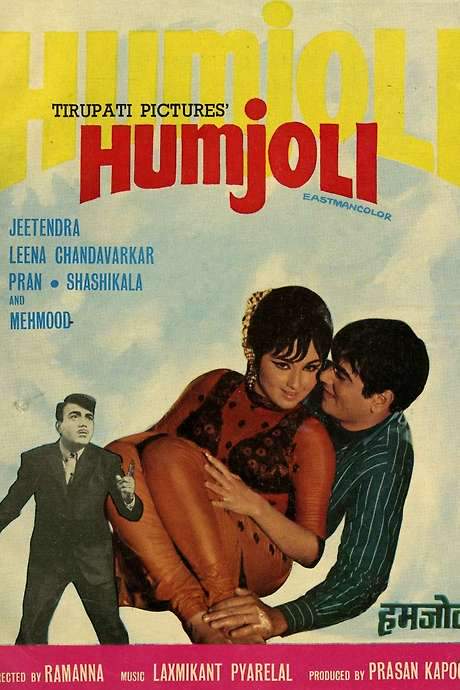
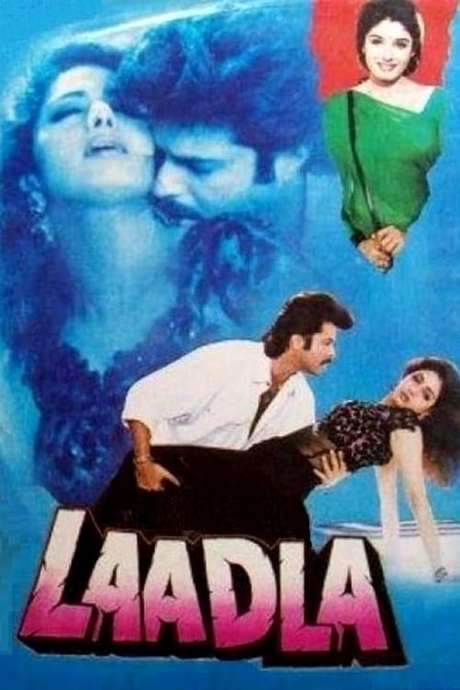


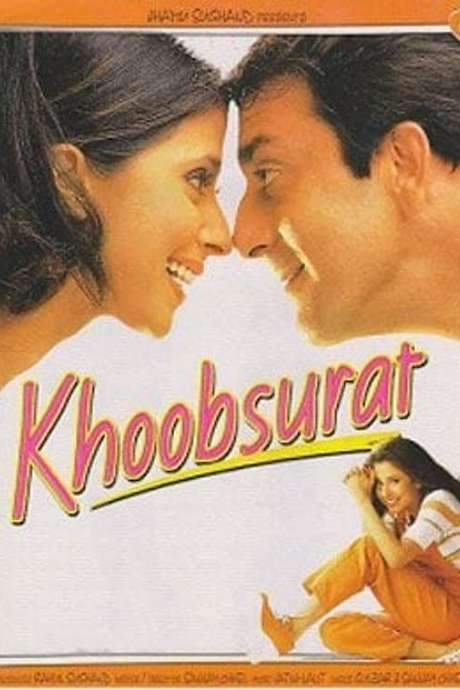


Featured on this page

What's After the Movie?
Not sure whether to stay after the credits? Find out!
Check out our other apps:

SAT Sphere
Build confidence for the Digital SAT.

Mori Atlas
Discover wild places worth protecting.

Luntero
Search smarter for a home in Amsterdam.

Plot Explained
Unravel movie endings and hidden clues.

Pokechamp
Dive into Pokémon data and battle logic.

Driving Theory
Get ready for your European theory test.

Movie Dust
Plan your next cinema trip with ease.

Musemap
Find art and culture as you travel.

Selkobase
Compare credentials before committing.

Local Manual
Turn an unfamiliar country into practical next steps.

Lernavi
Compare school systems before your next move.

GymRoam
Find a workout stop wherever your plans take you.
Explore Our Movie Platform
New Movie Releases (2026)
Famous Movie Actors
Top Film Production Studios
Movie Plot Summaries & Endings
Major Movie Awards & Winners
Best Concert Films & Music Documentaries
Movie Collections and Curated Lists
© 2026 What's After the Movie. All rights reserved.
Privacy Policy