
John Goldfarb, Please Come Home! 1965

Directed by
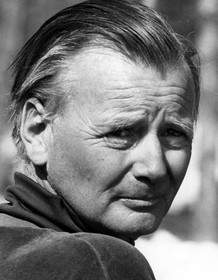
J. Lee Thompson
Made by

Orchard Productions
John Goldfarb, Please Come Home! Plot Summary
Read the complete plot summary and ending explained for John Goldfarb, Please Come Home! (1965). From turning points to emotional moments, uncover what really happened and why it matters.
Blatty’s satirical comedy plays with Cold War anxieties by riffing on a real May 1960 incident involving John “Wrong-Way” Goldfarb, a former college football star who once ran 95 yards for a touchdown in the wrong direction. Now a U-2 pilot, his plane malfunctions and crashes in the mythical Arab kingdom of Fawz.
Facing a diplomatic bind, the kingdom’s leader threatens to hand Goldfarb over to the Soviets unless he agrees to coach a team. Jenny Ericson, a magazine journalist on undercover assignment as a member of the king’s harem, discovers that her assumption about the king’s romantic life may be mistaken, and she seeks help from Goldfarb.
In a bid to leverage the crisis, the King pressures the U.S. State Department into arranging an exhibition football game between the Notre Dame Fighting Irish and his own team from Fawz University. Jenny becomes a cheerleader and later the quarterback who scores the winning touchdown for Fawz University.
John Goldfarb, Please Come Home! Timeline
Follow the complete movie timeline of John Goldfarb, Please Come Home! (1965) with every major event in chronological order. Great for understanding complex plots and story progression.
U-2 crash over Fawzia
A U-2 spy plane piloted by John 'Wrong-Way' Goldfarb malfunctions and crashes in the mythical Arab kingdom of Fawzia. The incident riffs on the real May 1960 U-2 shootdown that sparked a Cold War diplomatic crisis. Goldfarb survives but is immediately swept into a political game of leverage.
King's ultimatum to Goldfarb
The ruler of Fawzia uses Goldfarb's capture as leverage, demanding he coach the king's football team or face extradition to the Soviets. The threat places Goldfarb under pressure far beyond athletics. He must decide between escape, resistance, or collaboration.
Goldfarb agrees to coach Fawz University
To win the king's favor and stay out of Soviet hands, Goldfarb accepts the coaching job for the Fawz University team. He leaves his flight suit behind to don a whistle and playbooks. The job also pulls him into palace politics and national pride.
Jenny Ericson goes undercover in the harem
Jenny returns as the journalist who once profiled Goldfarb and infiltrates the king's inner circle by joining the harem. She aims to uncover the king's romantic plans and verify his intentions toward his wives. Her undercover work situates her at the center of palace intrigue.
Jenny learns the King remains romantically active
Jenny discovers that the King continues to pursue romance with his wives, contrary to her earlier assumptions. This revelation complicates her assignment and raises questions about the royal household. It also fuels her resolve to seek outside help.
Jenny seeks Goldfarb's help
Recognizing the dangers and the stakes, Jenny reaches out to Goldfarb for guidance and support. They form an uneasy alliance as they prepare for the upcoming exhibition game. Their collaboration blends journalism, sport, and political theater.
King blackmails the U.S. into an exhibition game
The King exploits his leverage to coerce the U.S. Department of State into organizing a high-profile football spectacle. The move turns a national pastime into international drama and propaganda. Goldfarb and Jenny must navigate competing pressures from both sides.
Notre Dame vs Fawz University announced
An exhibition clash is arranged between the Notre Dame Fighting Irish and the King’s Fawz University squad. The game becomes a cheeky stand-off of Cold War egos more than a simple match. Goldfarb trains his players for an event that is part sport, part diplomacy.
Jenny becomes a cheerleader
Jenny joins the cheering squad for the Fawz University team, adding a performative layer to the mission. Her role allows her to influence crowd energy and gather further information. The act blurs lines between journalist, participant, and pawn in royal politics.
Jenny takes the quarterback role and scores the winner
In a surprising turn, Jenny leads the team on the field as quarterback and throws the final touchdown to secure victory. Her triumph alters perceptions about gender, power, and loyalty within the palace spectacle. The crowd erupts as national pride swells.
Game ends, diplomacy shifts
The outcome of the game intertwines with the larger Cold War theater, prompting responses from the U.S., the Soviets, and the Fawz regime. The comic victory deflates some tensions while igniting others, leaving the international stage watching closely. Goldfarb and Jenny reassess their positions in the new political order.
Flashback to Goldfarb's wrong-way run
Intermittent flashbacks reveal Goldfarb's infamous 95-yard wrong-way run from his college days. The memory informs how he is perceived and how he approaches leadership again. It adds a personal dimension to the overarching satire.
Satirical Cold War lens
Throughout, the story uses the faux football feud to lampoon real Cold War anxieties and the media spectacle surrounding geopolitics. The U-2 incident and the exhibition game are devices for humor and critique. The tone blends slapstick with political satire.
John Goldfarb, Please Come Home! Characters
Explore all characters from John Goldfarb, Please Come Home! (1965). Get detailed profiles with their roles, arcs, and key relationships explained.
John Goldfarb
A former college football star who allegedly ran 95 yards for a touchdown in the wrong direction. Now a U-2 pilot, his plane malfunctions and crashes in the mythical kingdom of Fawzia. He is coerced by the King to coach a national team, becoming a reluctant centerpiece in the political games being played.
Jenny Ericson
A magazine journalist on undercover assignment, posing as a member of the King’s harem. She discovers the King’s romantic preoccupations and turns to Goldfarb for help. Jenny becomes a cheerleader and ultimately the quarterback who scores the winning touchdown, driving the climax with wit and boldness.
Fawz
The King of the fictional Arab kingdom Fawzia, who leverages diplomacy and fear to bend U.S. interests to his will. He threatens to hand Goldfarb over to the Soviets unless his terms are met, and orchestrates a sham football exhibition to solidify his grip on power.
Captain of Notre Dame Team (Syl Lamont)
Captain of the Notre Dame Fighting Irish team participating in the exhibition game. He represents the athletic prowess and leadership of the American squad caught in the farcical political game. His role anchors the sports-centric punchlines that drive the plot toward its finale.
John Goldfarb, Please Come Home! Settings
Learn where and when John Goldfarb, Please Come Home! (1965) takes place. Explore the film’s settings, era, and how they shape the narrative.
Time period
1960s
The story sits in the Cold War era, drawing on the 1960s atmosphere of geopolitical brinkmanship. It nods to real events like the May 1960 U-2 incident to frame a humorous take on international diplomacy. The timeline presents a world where sports, media, and royal politics collide under global scrutiny.
Location
Fawzia, United States
The primary setting is the mythical Arab kingdom of Fawzia, depicted as an exotic yet satirical backdrop for political maneuvering. The plot intertwines this fictional realm with American interests, highlighting cultural contrasts and diplomatic pressure. Notre Dame’s American milieu contrasts with the desert kingdom as a spectacle of power plays unfolds.
John Goldfarb, Please Come Home! Themes
Discover the main themes in John Goldfarb, Please Come Home! (1965). Analyze the deeper meanings, emotional layers, and social commentary behind the film.
🛰️
Cold War Satire
The film lampoons Cold War politics by turning a U-2 incident and diplomatic posturing into farce. International diplomacy appears as performative theater, with leaders and officials caught in ridiculous, power-plays. The tone uses humor to critique how nations project strength during tense times.
🏈
Sports Diplomacy
A football game becomes a political instrument, steering a potential conflict toward resolution. The Notre Dame vs. Fawz University matchup is framed as a vehicle for negotiating leverage and prestige. The sport is used to expose how soft power can swing international outcomes in a comic setting.
📰
Media & Power
A journalist goes undercover into the royal court, highlighting how media figures influence public perception and political maneuvering. Jenny’s disguise and coverage shape the narrative as much as the king’s decrees. The film skewers sensationalism, romance, and the price of publicity.

Coming soon on iOS and Android
The Plot Explained Mobile App
From blockbusters to hidden gems — dive into movie stories anytime, anywhere. Save your favorites, discover plots faster, and never miss a twist again.
Sign up to be the first to know when we launch. Your email stays private — always.
Explore the mobile appJohn Goldfarb, Please Come Home! Spoiler-Free Summary
Discover the spoiler-free summary of John Goldfarb, Please Come Home! (1965). Get a concise overview without any spoilers.
In the uneasy chill of Cold War geopolitics, a down‑and‑dirty Middle‑Eastern kingdom becomes the stage for an unexpected diplomatic dance. When an American spy pilot’s aircraft sputters and crashes in the desert, the local regime seizes the opportunity to turn a potential crisis into a public spectacle. The kingdom’s charismatic ruler, a man who balances regal authority with whimsical self‑interest, sees in the pilot a peculiar chance to settle an old grievance and to flaunt his own power on the world stage.
John Goldfarb arrives not as the hardened hero of typical espionage thrillers, but as a former college football star whose reputation for misdirection follows him into the cockpit of a high‑altitude reconnaissance plane. Stripped of his aircraft and thrust into the gilded confines of the palace, he is offered a bizarre bargain: trade his aerial expertise for a role he never imagined—coaching the nation’s football team. The premise sets up a satire of Cold War absurdities, where intelligence agencies, international posturing, and a love of sport intersect in a farcical tug‑of‑war.
Uncertain of whom to trust, Jenny Ericson slips into the ruler’s inner circle under the guise of a magazine reporter, blending curiosity with a touch of daring. Her undercover assignment places her in the heart of the palace’s lavish yet enigmatic daily life, and she quickly discovers that the situation surrounding the pilot is as layered as the political tensions outside the kingdom’s walls. Together, the pilot and the journalist navigate a maze of cultural quirks, looming diplomatic threats, and the ever‑present specter of Soviet interest, all while the kingdom’s quirky ruler orchestrates a strange contest that could reshape their fates.
Movies with Similar Twists and Themes
Uncover films that echo the narrative beats, emotional arcs, or dramatic twists of the one you're exploring. These recommendations are handpicked based on story depth, thematic resonance, and spoiler-worthy moments — perfect for fans who crave more of the same intrigue.




Featured on this page

What's After the Movie?
Not sure whether to stay after the credits? Find out!
Check out our other apps:

SAT Sphere
Build confidence for the Digital SAT.

Mori Atlas
Discover wild places worth protecting.

Luntero
Search smarter for a home in Amsterdam.

Plot Explained
Unravel movie endings and hidden clues.

Pokechamp
Dive into Pokémon data and battle logic.

Driving Theory
Get ready for your European theory test.

Movie Dust
Plan your next cinema trip with ease.

Musemap
Find art and culture as you travel.

Selkobase
Compare credentials before committing.

Local Manual
Turn an unfamiliar country into practical next steps.

Lernavi
Compare school systems before your next move.

GymRoam
Find a workout stop wherever your plans take you.
Explore Our Movie Platform
New Movie Releases (2026)
Famous Movie Actors
Top Film Production Studios
Movie Plot Summaries & Endings
Major Movie Awards & Winners
Best Concert Films & Music Documentaries
Movie Collections and Curated Lists
© 2026 What's After the Movie. All rights reserved.
Privacy Policy