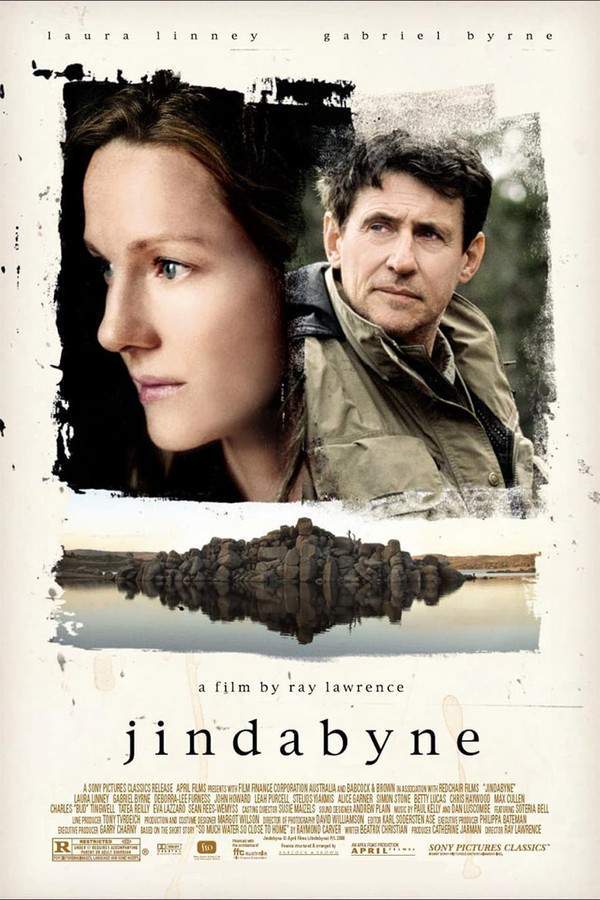
Jindabyne 2007

Directed by

Ray Lawrence
Made by

Sony Pictures Classics
Where to Watch Jindabyne
See current US streaming, rental, and purchase options for Jindabyne (2007) via JustWatch.






Jindabyne Plot Summary
Read the complete plot summary and ending explained for Jindabyne (2007). From turning points to emotional moments, uncover what really happened and why it matters.
On an annual fishing trip in the high country, four men — Stewart Gabriel Byrne, Carl John Howard, Rocco Stelios Yiakmis, and Billy — stumble upon a girl’s body in the river. The victim, later revealed to be Aboriginal, has been murdered by Gregory, a local electrician. The discovery shocks the men and sows confusion: only the youngest, Billy, grasps that this is a crime, but his understanding is dismissed by the others. The situation quickly becomes a moral puzzle about duty, loyalty, and their shared past in a town that has already weathered upheaval.
The group decides it’s too late to navigate the river that night, proposing to hike out at first light. Before they leave, Stewart ties the dead girl to the riverbank, a frantic attempt to contain the evidence. Yet the next day, Stewart goes fishing and, after landing a large fish, the men delay their departure, opting to spend the afternoon by the water rather than informing the police immediately. The quiet space of their fishing trip becomes a tense ground where unspoken rules and cultural guilt begin to fester.
Meanwhile, back in town, the wives gather—Jude, Claire Laura Linney, and Rocco’s girlfriend Carmel—and old tensions surface in the wake of the tragedy. Jude, Carl’s wife, reveals that their daughter died nearly two years earlier, leaving them to raise a granddaughter, Caylin-Calandria, who struggles with psychological issues. Claire’s revelation about her own mental health history—an earlier postpartum breakdown and a lengthy absence from her family—adds another layer to the fragile fabric of marriage among the group. The history between the women and the men deepens the conflict: Claire questions Stewart’s readiness for fatherhood, and Jude defends her husband even as the town’s collective judgment begins to turn.
When the four men finally return home late Sunday night and inform the police, the investigation spills into the private sphere. At the station, a police officer openly condemns their decision to “fish over a dead body” instead of reporting it, a line that underscores the gulf between their cultural code and the expectations of justice. The men feign a simple accident to explain their delay—Carl’s supposed ankle strain—while the community’s anger grows, complicated by racial tensions as some Aboriginal residents vandalize buildings with painted slurs.
The narrative expands to reveal the broader clash between a Western town rebuilt after relocation for a dam and the ancient beliefs of the Aboriginal community. Claire and Elissa (Billy’s partner) alone show genuine remorse and a desire to make amends, while Jude defends Carl’s actions, insisting the girl’s death made the choice to stay or leave seem immaterial. As Claire pushes for accountability, tensions flare and threaten to tear the town apart. Claire, who is grappling with her own past and a possible second pregnancy, seeks a path forward, contemplating abortion while still not sharing the full weight of her turmoil with Stewart.
As the story unfolds, the town’s fractures widen. Claire’s attempts to support Caylin-Calandria and to connect with the girl’s family are met with rebukes alongside gestures of charity—donations for the funeral are collected and offered, even as suspicion and resentment simmer beneath the surface. The relationship between Stewart and Claire grows increasingly strained; a heated confrontation leaves them in a rare moment of raw exposure, revealing the emotional cost of the crisis on their marriage. The strain extends to the men’s rivalries and loyalties, each man choosing how to defend his own actions and those of his mates.
The tragedy continues to cast a long shadow. As the annual memorial approaches, the murderer—still at large—appears at the periphery, a constant reminder of the unresolved violence that lingered on the river. The memorial service itself becomes a fragile attempt at reconciliation, with the father of the murdered girl throwing dirt on Stewart and walking away in disgust, a stark image of the town’s unwillingness to forgive. Yet, despite the anger and the accusations, Stewart reaches out to Claire, inviting her back and signaling a potential to rebuild what has been strained beyond repair.
Throughout the film, the unresolved threat of the killer remains a quiet undercurrent, a presence that never quite disappears. The story continually returns to questions of responsibility, memory, and belonging: who deserves sympathy, who must answer for their choices, and how a small community reconciles its past with a difficult, unsettled present. The result is a measured, morally probing drama that looks at how a single, brutal act can expose the deep fault lines in a town and in the people who call it home.
Jindabyne Timeline
Follow the complete movie timeline of Jindabyne (2007) with every major event in chronological order. Great for understanding complex plots and story progression.
Claire's pregnancy revealed but kept secret
Before the fishing trip, Claire experiences morning sickness and contemplates pregnancy. She visits a doctor to discuss the possibility of abortion but has not told Stewart yet, a secret that weighs on her and casts a shadow over the upcoming trip.
Finding a murdered girl in the river
During their annual fishing trip in the high country, the four men discover a girl's body floating in the river. The girl is Aboriginal, and the discovery shocks them while raising questions about who did it. Stewart ties the body to the riverbank, unsure how to proceed.
The decision to delay reporting and the fishing day after
The next day, Stewart goes fishing and catches a large fish. The men choose to stay the rest of the afternoon rather than inform the police immediately, planning to report the death in the morning when they can safely navigate back.
Wives meet and reveal painful histories
While the men are away, Jude and other wives gather socially. Jude reveals that their daughter died nearly two years earlier, leaving them to raise Caylin-Calandria, who has psychological issues, and Claire’s prior mental breakdown and abandonment of her first son. Tensions about motherhood and responsibility surface amid the revelations.
Return home and a guarded innocent moment
The men return home late Sunday night and report the body to the police, then go to their respective homes. Stewart finds Claire sleeping prone and, in a moment of closeness, tries to initiate intimacy but does not disclose the discovery.
Morning police interview begins
The next morning, the police come to interview Stewart at home. The officer expresses clear disgust that they fished around a dead body instead of reporting it immediately, setting a tense tone for the inquiry.
Cover story and racialized scrutiny
At the police station, the men offer a cover story—Carl strained his ankle and prevented them from walking back. The conversation hints that being Aboriginal makes their actions appear negligent, fueling the town’s scrutiny and suspicion.
Aboriginal backlash and cultural rift
The Aboriginal community vandalizes some of the men's businesses, painting slurs and branding them as racists. The conflict underscores the clash between western settler culture and Aboriginal beliefs in the region.
Remorse from Claire and Elissa; donations for funeral
Claire and Elissa are the only ones who express genuine remorse, reaching out to the girl’s family and gathering donations for her funeral. Their kindness contrasts with the others’ defenses, highlighting the town’s divided moral stance.
Marital strain and fierce in-house arguments
As Claire presses for honesty, Stewart erupts in a rage and they fight. He tells Claire he will never let her take his son, exposing the fracture in their marriage. Carl defends Caylin-Calandria, insisting the granddaughter should not bear blame for the tragedy.
Memorial service and brittle reconciliation attempt
At the memorial service, the rest of the men and their wives attend with the children. Stewart apologizes on behalf of the men, but the girl's father spits on the ground and walks away, marking a tense moment of attempted reconciliation that does not erase the underlying guilt.
The killer remains at large
Throughout the film, the murdering electrician continues to pop up and even attends the memorial service. He is never caught, leaving the still-raw wound of the event to fester within the community and within the relationships among the men.
Jindabyne Characters
Explore all characters from Jindabyne (2007). Get detailed profiles with their roles, arcs, and key relationships explained.
Stewart (Gabriel Byrne)
The de facto leader among the men, steady and morally rigid, who ties the dead girl to the riverbank and becomes increasingly challenged by Claire’s investigations. He strives to maintain control and protect his family, yet his anger and defensiveness reveal a man torn between duty and personal history. His insistence on secrecy about the event tests his marriage and exposes his vulnerability.
Carl (John Howard)
A practical, loyal member of the group who defends his wife and family while trying to justify actions taken after the discovery. He argues that the girl was already dead, attempting to minimize the incident’s moral weight. His stance reflects hard-edged pragmatism that clashes with evolving communal guilt.
Rocco (Stelios Yiakmis)
A steady member of the group whose presence anchors the men’s camaraderie, yet he is pulled into the moral storm as the town reacts with hostility toward the group. He embodies the tension between personal loyalty and the weight of collective responsibility.
Claire (Laura Linney)
Stewart’s wife, grappling with a past postpartum breakdown and an unborn child, who pushes for truth and accountability. Her empathy for the victim’s family contrasts with her husband’s defensiveness, fueling marital strain and a drive toward reconciliation.
Gregory (Electrician)
The local electrician who murders the girl and who appears repeatedly, haunting the story—yet he is never caught. His presence underscores the town’s unresolved violence and the danger of a hidden past.
Jude (Carl's Wife)
Carl’s wife who defends her husband and reveals the family’s hidden pain, showing resentment toward Caylin‑Calandria and testing the limits of forgiveness within the community.
Billy (Simon Stone)
The youngest of the group who senses the truth but is ignored by the older men, highlighting the generational gap in moral perception and the weight of unspoken knowledge.
Jindabyne Settings
Learn where and when Jindabyne (2007) takes place. Explore the film’s settings, era, and how they shape the narrative.
Location
Jindabyne, New South Wales, Australia
Jindabyne sits in the Australian Snowy Mountains, an alpine town rebuilt around a dam after displacement of previous settlements. The river and surrounding high country create a remote, close-knit community wary of outsiders. The landscape amplifies the tension when an Aboriginal girl is found murdered, revealing deep cultural rifts between the town and the local Indigenous community.
Jindabyne Themes
Discover the main themes in Jindabyne (2007). Analyze the deeper meanings, emotional layers, and social commentary behind the film.
🧭
Cultural clash
The discovery of an Aboriginal victim exposes a divide between the Western, rebuilt town and the nearby Indigenous community. The men's initial detachment and attempts to justify their actions reveal lingering colonial attitudes within the community. The reaction—vandalism, slurs, and suspicion—shows how guilt and denial fracture relationships and complicate moral responsibility. The film uses the investigation to question who truly belongs and who bears the burden of accountability.
🤝
Guilt and complicity
What begins as a routine fishing trip becomes a moral crisis that exposes the group’s evasions and half-truths. The police rebuke for “fishing over a dead body” punctures bravado and forces reckoning with responsibility. Wives’ responses carve out differing paths between condemnation and tolerance, underscoring how complicity can be shared across roles. The story suggests that avoiding truth only deepens communal harm.
🍼
Family and trauma
Claire’s pregnancy and her earlier postpartum breakdown complicate the couple’s dynamics, adding urgency to questions of care, loyalty, and future parenting. The fear of loss and the memory of a vanished child haunt the marriage, driving her to seek truth and reconciliation. The film links personal trauma to wider communal guilt, implying that healing requires confronting past wounds and taking responsibility.

Coming soon on iOS and Android
The Plot Explained Mobile App
From blockbusters to hidden gems — dive into movie stories anytime, anywhere. Save your favorites, discover plots faster, and never miss a twist again.
Sign up to be the first to know when we launch. Your email stays private — always.
Explore the mobile appJindabyne Spoiler-Free Summary
Discover the spoiler-free summary of Jindabyne (2007). Get a concise overview without any spoilers.
In the remote high country of southeastern Australia, a close‑knit group of friends gathers each year for a fishing trip that has become a ritual of escape and camaraderie. When the men—Stewart, Carl, Rocco and the youngest, Billy— stumble upon a grim discovery in the river, the quiet rhythm of their outing is shattered. The find forces them to confront a stark moral crossroads, pitting their long‑standing loyalty to one another against the weight of an unsettling responsibility that lingers in the cold water and the surrounding wilderness.
Back in the modest town that serves as their home, the wives and partners—Jude, Claire, and Carmel— convene, each carrying hidden histories and fragile hopes. Jude balances the quiet grief of a past loss while caring for a challenging grandchild; Claire, having navigated her own battles with mental health, now contends with the pressures of motherhood and an uncertain future; and Carmel watches the men she loves wrestle with choices that could reshape their lives. Their conversations reveal a tapestry of personal secrets, cultural tensions, and the lingering echo of a community still healing from upheaval.
The film unfolds with a measured, introspective tone, allowing the stark beauty of the landscape to mirror the inner turbulence of its characters. Atmospheric shots of mist‑cloaked rivers and the town’s hushed streets create a sense of isolation that heightens the unspoken questions hanging over every interaction. As the characters navigate the delicate balance between duty, silence, and the desire for redemption, the story probes the fragile bonds that hold a community together, inviting the viewer to linger on the discomfort of moral ambiguity without revealing the outcomes that lie ahead.
Movies with Similar Twists and Themes
Uncover films that echo the narrative beats, emotional arcs, or dramatic twists of the one you're exploring. These recommendations are handpicked based on story depth, thematic resonance, and spoiler-worthy moments — perfect for fans who crave more of the same intrigue.
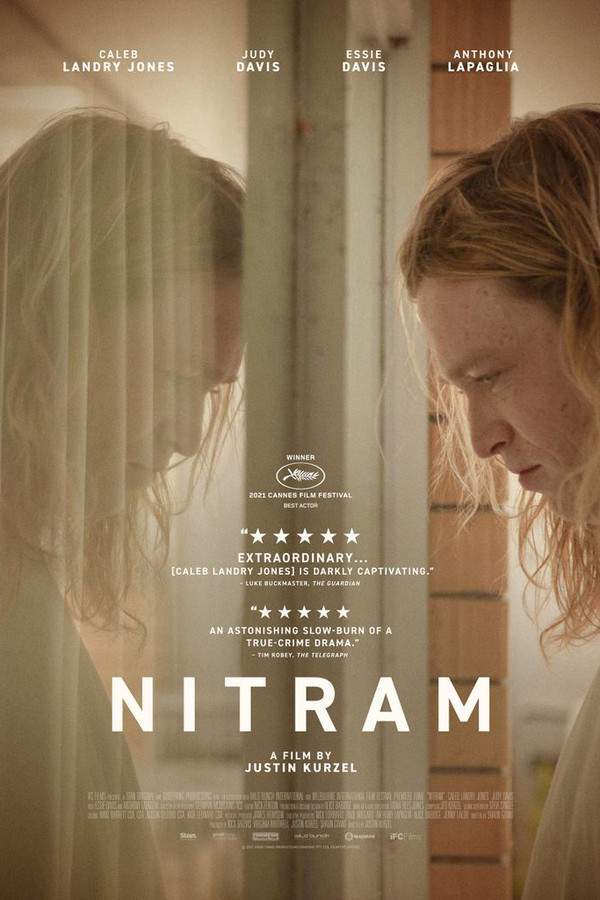
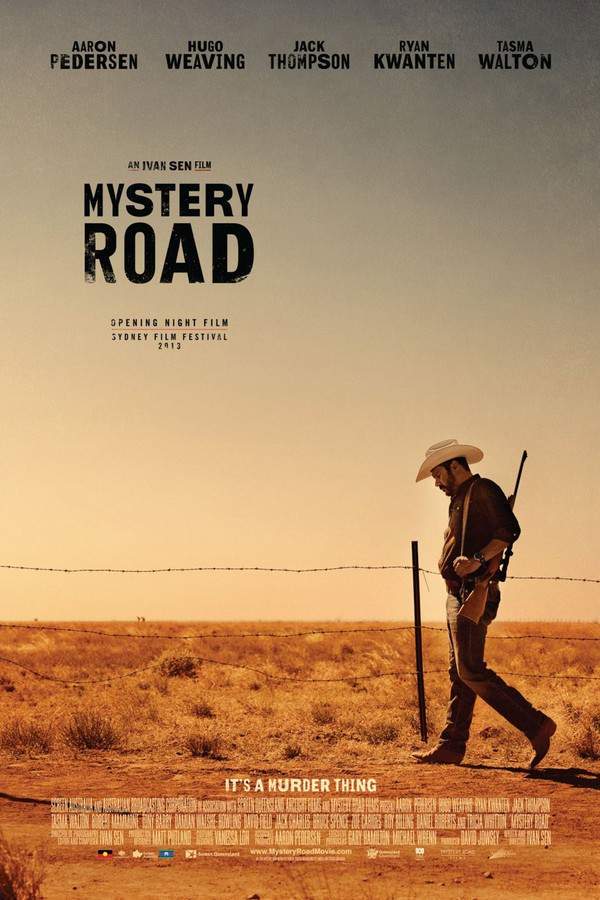
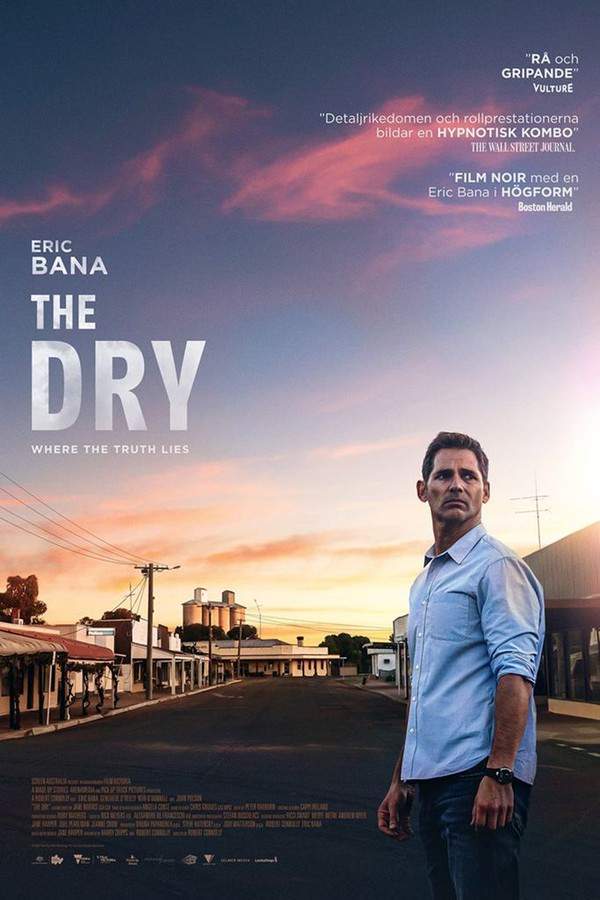

Featured on this page

What's After the Movie?
Not sure whether to stay after the credits? Find out!
Check out our other apps:

SAT Sphere
Build confidence for the Digital SAT.

Mori Atlas
Discover wild places worth protecting.

Luntero
Search smarter for a home in Amsterdam.

Plot Explained
Unravel movie endings and hidden clues.

Pokechamp
Dive into Pokémon data and battle logic.

Driving Theory
Get ready for your European theory test.

Movie Dust
Plan your next cinema trip with ease.

Musemap
Find art and culture as you travel.

Selkobase
Compare credentials before committing.

Local Manual
Turn an unfamiliar country into practical next steps.

Lernavi
Compare school systems before your next move.

GymRoam
Find a workout stop wherever your plans take you.
Explore Our Movie Platform
New Movie Releases (2026)
Famous Movie Actors
Top Film Production Studios
Movie Plot Summaries & Endings
Major Movie Awards & Winners
Best Concert Films & Music Documentaries
Movie Collections and Curated Lists
© 2026 What's After the Movie. All rights reserved.
Privacy Policy