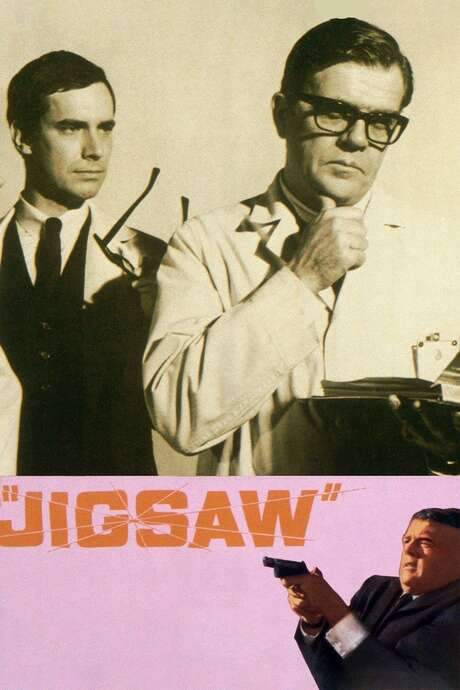
What Is Jigsaw About?
The premise of Jigsaw in 326 words, with nothing given away. The full story follows below.
Jonathan Fields awakens to confusion and dread, his memory erased after his morning coffee is laced with LSD. With no recollection of how he arrived at this moment—or what transpired in the missing hours—he finds himself adrift in a reality that feels precarious. Unable to trust his own mind, he hires Arthur Belding, a private detective, to uncover the truth. What begins as a search for answers quickly becomes something far more complicated, as Fields discovers that the gaps in his memory may be the key to understanding a dangerous situation closing in around him.
The film is set within the charged atmosphere of a scientific think tank, where ambition and rivalry simmer beneath a professional veneer. Fields’s return to work brings him face-to-face with colleagues whose motives remain unclear, including Lew Haley, a rival whose presence stirs resentment and unease. Into this uncertainty arrives Helen Atterbury, a woman who claims a history with Fields, offering both comfort and cryptic warnings. Trust becomes elusive as every interaction hints at hidden agendas and relationships that may not be what they seem.
The narrative unfolds with methodical suspense, favoring psychological tension and noir-tinged atmosphere over explosive action. Fields’s amnesia serves as both a personal crisis and a narrative device, forcing him to navigate a world where memory itself becomes a weapon. Belding’s investigation moves carefully through a web of suspicion, professional jealousies, and personal entanglements, while the think tank’s intellectual environment crackles with insinuation and power plays. The film explores the vulnerability of a man stripped of his most basic tool—his own recollection—and asks how one finds truth when every certainty is called into question.
At its core, this is a story about the fragility of perception and the cost of uncovering secrets in a world built on them. The performances ground the tension in human flaws and fears, creating a mood that lingers—a slow-burning mystery where the greatest danger may come from those who appear most familiar.
What Happens in Jigsaw?
The complete story of Jigsaw, from the first scene to the last, in 594 words (about 3 minutes). Spoilers throughout. Names in the text link to 8 cast member pages.
Spoilers ahead
Jonathan Fields, Bradford Dillman, wakes after his coffee has been spiked with LSD and discovers a woman drowned in his bathtub, with flecks of blood on his hands. Amnesia clouds his memory, and with no clear way to piece together what happened, he hires a private detective to chase the truth. Arthur Belding, James Doohan, is brought in to untangle the tangled threads and navigate a maze of suspicion, where every clue seems to point in circles and every lead raises more questions than it answers.
Returning to his job at a scientific think tank, Fields meets a woman who claims to be his sweetheart. Helen Atterbury, Hope Lange, arrives with confidences and warnings that something dangerous is escalating around him. The tension at the workplace thickens as a rival colleague, Lew Haley, Pat Hingle, looms over Fields, casting suspicion and stirring resentment that threatens not only Fields’s career but his very safety. The atmosphere at the think tank crackles with insinuations, power plays, and fragile alliances, and every conversation seems to hint at a hidden motive behind the recent chaos.
Meanwhile, a hippie named Dill, Michael J. Pollard, and an accomplice abduct Belding in a bid to silence the investigation. The detective miraculously escapes and regroups with Sarah, Diana Hyland, his girlfriend, whose presence lends Fields a rare spark of trust and humanity in a case that keeps spiraling toward tragedy. With Sarah’s support, Fields begins to connect the dots between his memories and the mounting evidence, slowly painting a picture of a relationship that has spiraled into something deeply dangerous.
As the pieces start to fit, they uncover a chilling truth: Dr. Edward Arkroyd, Victor Jory, the head of the think tank who had been involved in a romantic affair with the victim, has himself been murdered. The investigation points to Haley as the mastermind behind both killings, exposing a web of ambition, jealousy, and deceit that binds the scientific community to dangerous secrets. A tense confrontation erupts between Fields and Haley, a clash fueled by anger, pride, and a fearsome desire to control the trajectory of everyone around them. The confrontation is only the beginning of a more violent reckoning, as an angry henchman, Roy Jenson, bursts onto the scene with a brutal edge that underscored how far people will go to protect their lies.
What follows is a slow-burning unraveling of loyalties, where memory becomes a weapon and every restored memory threatens to overturn the fragile balance of power at the think tank. Fields finds himself pulled between professional duty and personal loyalties, while Belding’s stubborn pursuit of the truth keeps pushing them toward dangerous revelations. The case widens beyond a single murder, hinting at covert relationships, professional rivalries, and a conspiracy that could shake the foundation of the entire institution. The narrative moves with methodical suspense, blending psychological tension with a noir-tinged atmosphere that emphasizes flaws, secrets, and the price of truth.
In the end, the story refuses to give a simple resolution. The truth about what happened in that apartment, who was truly in control, and how far people would go to protect their own interests is laid bare, but the consequences ripple outward, leaving Fields with more questions than answers and a sense that the deeper you dig, the more you realize how thin the line is between memory and manipulation. Through it all, the performances—especially Fields’s struggle with amnesia, the sharp dynamic with Arthur Belding, and the dangerous dance around Helen Atterbury and Lew Haley—build a tense, noir-tinged tapestry that lingers long after the final confrontation.
Jigsaw Timeline: Every Key Event in Order
12 key events in the order they happen, from “LSD-laced coffee triggers crisis” to “The henchman arrival escalates danger”. 3 events name a place, across 3 locations.
- 1
LSD-laced coffee triggers crisis
Fields wakes up after someone slips sugar cubes laced with LSD into his coffee, instantly plunging him into confusion. The drug fog makes it hard to remember recent events and sets a dangerous, uncertain tone for the morning. This drug-induced onset marks the beginning of a spiraling mystery.
- 2
Murder scene found in Fields' home
Upon regaining consciousness, Fields discovers a woman drowned in his bathtub and flecks of blood on his hands and clothes. The grisly scene suggests his possible involvement, throwing him into a panic and a need to prove his innocence. The discovery kicks off the investigation, shadowed by his amnesia.
- 3
Amnesia blocks memory
Fields is plagued by memory loss, unable to recall what happened the night before or how the woman came to be in his bathroom. The lack of recall forces him to rely on others and to seek explanations for the strange sequence of events. His impaired memory becomes a central obstacle in solving the case.
- 4
Fields hires a private detective
Desperate for answers, Fields hires Arthur Belding, a private detective, to investigate the murder and sift through the evidence. Belding begins to unravel the mystery by tracking down witnesses and cross-checking clues that Fields cannot recall. The partnership marks a crucial shift from confusion to methodical inquiry.
Where:Fields's home
- 5
Fields returns to the think tank
Fields returns to his job at the scientific think tank, attempting to resume normal life while the investigation unfolds. The professional environment deepens the stakes, exposing potential motives and rivalries within the organization. The setting provides tension as colleagues become suspects and sources of information.
Where:Scientific think tank
- 6
A woman claims to be Helen Atterbury
A concerned woman approaches Fields, claiming to be his sweetheart, Helen Atterbury. Her assertion stirs up buried memories and introduces a personal dimension to the case. The encounter raises questions about who she is and what connections she might have to the victim.
- 7
A rival colleague targets Fields’ job
Fields’s colleague Lew Haley appears to be after his position at the think tank, adding professional rivalries to the murder mystery. The tension hints that motives may extend beyond personal history to professional ambition. Haley’s presence complicates loyalties and alliances.
- 8
Dill and accomplice kidnap Belding
A hippie named Dill and an accomplice kidnap Arthur Belding and attempt to drug him, turning the detective’s pursuit into a perilous game of cat and mouse. Belding manages to escape, but the assault escalates the danger surrounding Fields. The abduction broadens the network of antagonists involved in the case.
- 9
Belding recovers with Sarah
After escaping, Belding recuperates with his girlfriend Sarah, gaining renewed resolve to continue the investigation. Their alliance strengthens as they pool resources and follow new leads. The duo’s progress adds momentum to unravelling the murders.
- 10
Arkroyd’s murder and Haley’s manipulation revealed
Fields and Belding discover that Dr. Edward Arkroyd, the think tank’s head who had a romantic link to the victim, has also been murdered. They uncover that Haley is behind both killings, tying the personal and professional threads together. The revelation reframes the entire case and clarifies some of the competing motives.
Where:Think tank
- 11
Confrontation between Fields and Haley
A tense confrontation pits Fields against Haley as the truth comes to light. The clash exposes motives, loyalties, and hidden dangers, forcing Fields to confront the consequences of the case. The confrontation leaves the outcome uncertain and wound up in a precarious stalemate.
- 12
The henchman arrival escalates danger
An angry henchman, Roy Jenson, shows up, signaling that threats are far from over. His appearance adds a final layer of peril and ensures that the pursuit of truth remains a high-stakes battle. The scene closes on a note of imminent danger rather than closure.
Who Are the Main Characters in Jigsaw?
9 characters, among them Jonathan Fields (Bradford Dillman), Lew Haley (Pat Hingle) and Dr. Edward Arkroyd (Victor Jory): who each one is and the part they play in the story. Every profile links to the actor’s page.
-
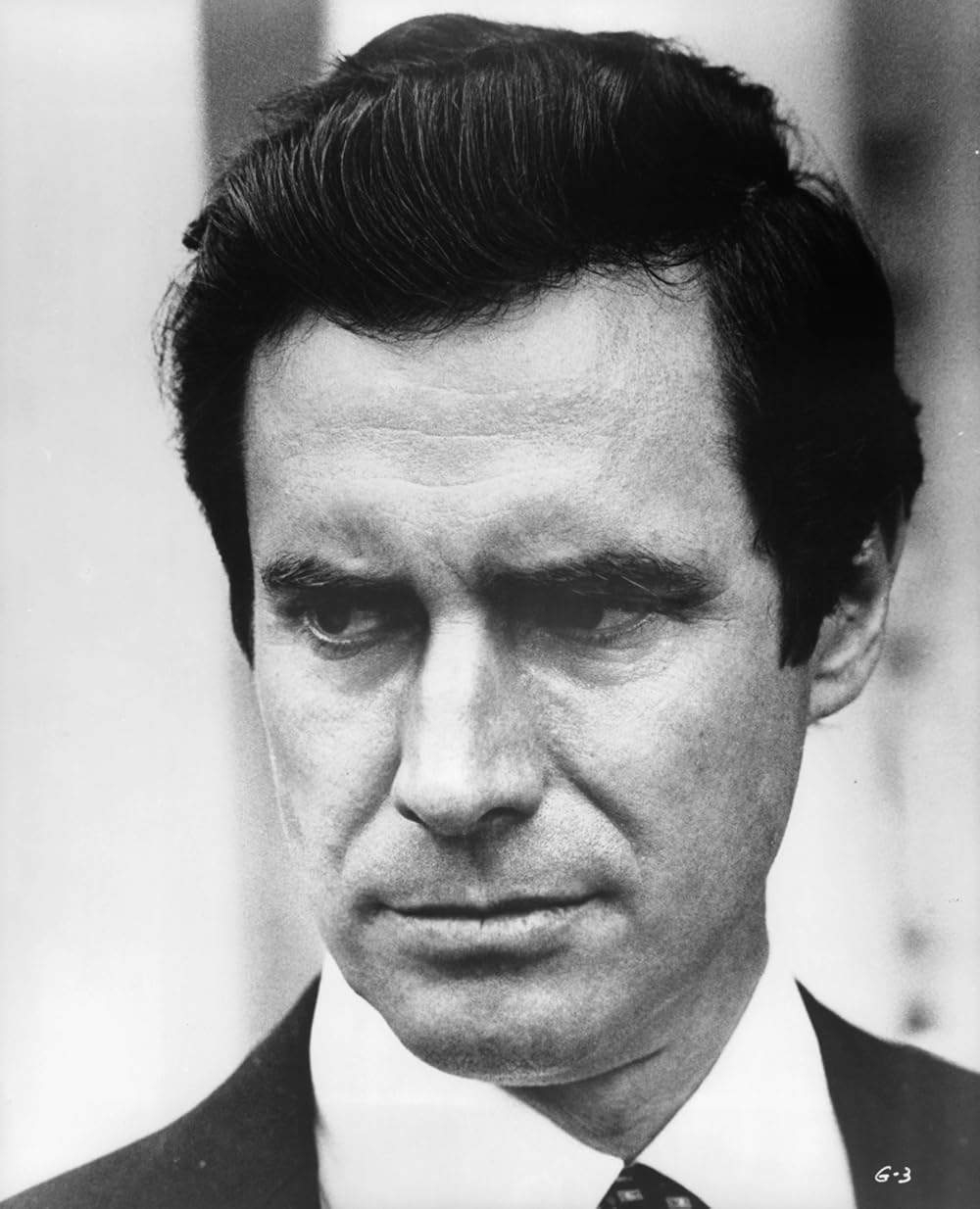
Jonathan Fields (Bradford Dillman)
Played by Bradford Dillman
Amnesiac scientist who regains consciousness after being drugged, seeking answers about the murder and his missing memory. He returns to work at the think tank and hires a private detective, hoping to reconstruct what happened. His memory gaps push the investigation forward while casting doubt on his own role in the events.
- 🧠 Amnesia
- 🧭 Investigation
- 🧪 Science
-
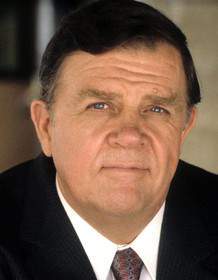
Lew Haley (Pat Hingle)
Played by Pat Hingle
Ambitious colleague who appears to be eyeing Fields' position within the think tank. He is implicated as the mastermind behind the killings, orchestrating events from behind the scenes. Haley's cunning and power plays complicate the pursuit of truth.
- 🕵️♂️ Motive
- 🧭 Deception
- 💼 Power
-
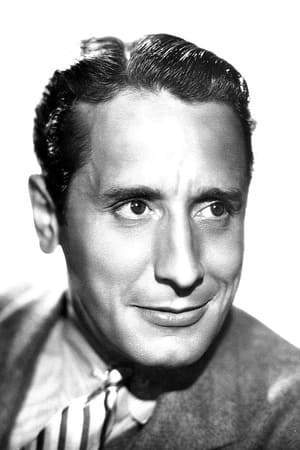
Dr. Edward Arkroyd (Victor Jory)
Played by Victor Jory
Head of the think tank who had a romantic affair with the murder victim. His high-status leadership and secrets make him a central figure in the investigation, though whether he is a victim, culprit, or pawn remains part of the mystery.
- 🧪 Leadership
- 💔 Romance
- 🕵️ Suspicion
- AB
Arthur Belding (Harry Guardino)
Played by Harry Guardino
Private detective hired by Fields to uncover the truth. He is resourceful and resilient, even when kidnapped by Dill and his accomplice. Belding plays a crucial role in guiding the investigation and exposing hidden motives.
- 🕵️♂️ Private Detective
- 🧯 Resilience
- 🧭 Investigation
- HA
Helen Atterbury (Hope Lange)
Played by Hope Lange
A woman who claims to be Fields' sweetheart, introducing an element of romantic confusion. Her role adds emotional complexity to the investigation and challenges Fields' perception of his own relationships.
- 💘 Romance
- 🌀 Mystery
- 🗝️ Misdirection
-
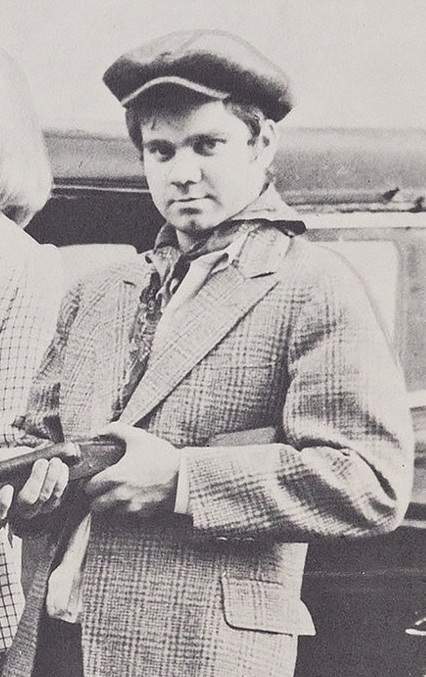
Dill (Michael J. Pollard)
Played by Michael J. Pollard
A hippie figure aligned with the counterculture subplot who, with an accomplice, kidnaps Belding and attempts to drug him. His actions tie the drug culture thread to the murder investigation and its dangers.
- 🎸 Counterculture
- 🧪 Drugs
- ⚠️ Danger
- S(
Sarah (Diana Hyland)
Played by Diana Hyland
Fields' girlfriend who offers support and helps the detective. Her role anchors personal relationships within the broader mystery and provides emotional stakes for the investigation.
- 💑 Relationships
- 🌟 Support
- 🕵️♀️ Ally
- A(
Arlene (Susanne Benton)
Played by Susanne Benton
A member of the think tank with ties to the case. Her presence adds depth to the ensemble and hints at additional connections within the scientific community.
- 🏢 Think Tank
- 🧩 Supporting
- I(
Ida (Susan Saint James)
Played by Susan Saint James
A secondary character connected to Fields' circle. She contributes to the social fabric around the case, though her exact role is not central to the leading mystery.
- 🧩 Supporting
- 👥 Circle
Where and When Is Jigsaw Set?
Jigsaw is set in Think tank, private detective's office and Fields' apartment (1960s). Here is why the time and place matter to the story.
When
1960s
The story unfolds in the counterculture era when LSD and drug experimentation were prominent. The plot references sugar cubes laced with LSD and a rising hippie presence, situating the film firmly in a tumultuous decade. This period's mix of scientific prestige and social rebellion shapes the mood and conflicts of the narrative.
Where
Think tank, private detective's office, Fields' apartment
The action rotates around a scientific think tank, providing a backdrop of intellectual ambition and hidden tensions. Key scenes move between the detective’s office and the think tank, with a murder scene in a bathroom anchoring the investigation. The setting blends professional intrigue with personal entanglements, reflecting the film's mystery-driven plot.
- 🧪 Science
- 🕵️ Detective
- 🏢 Office
What Are the Themes of Jigsaw?
3 ideas the story keeps returning to, among them Amnesia, Betrayal and Counterculture.
-
01
Amnesia
Jonathan Fields' amnesia drives the entire investigation, forcing him to reconstruct events from fragmentary memories. The memory gaps create suspense and cast doubt on who is trustworthy. The detective's progress hinges on piecing together clues that Fields cannot fully recall. The theme explores how memory shapes truth and perception in a murder mystery.
-
02
Betrayal
Within the think tank, ambition and romantic entanglements fuel a web of deception. The revelation that a colleague may be behind multiple killings highlights how power and jealousy can corrupt a scientific environment. Relationships become collateral in a larger scheme of murder and cover-up. The theme examines loyalty tested by ambition and personal vendettas.
-
03
Counterculture
The presence of a hippie character and LSD-related plot points anchor the film in a 1960s counterculture context. The era’s drug experimentation and anti-establishment mood influence characters' choices and risk-taking behaviors. This backdrop amplifies paranoia and rebellion, shaping the film's tension. The clash between conventional authority and new social norms drives part of the narrative arc.
What Kind of Film Is Jigsaw?
Tense in tone, with steady pacing and a moderate story, going by the plot summary.
- Tone
- Tense
- Pacing
- Steady
- Story
- Moderate
- Intensity
- Medium
- Ending
- Ambiguous
A tense and disorienting mystery that follows an amnesiac protagonist through a paranoid investigation of a murder he may have committed, creating a steadily anxious and unsettling atmosphere.
- tense
- disorienting
- paranoid
- mysterious
- unsettling
- anxious
- amnesia
- crime investigation
- drugsploitation
- murder plot
Content notes: drugging without consent, murder, kidnapping.
Where to Watch Jigsaw
. US availability and prices from JustWatch.
Streaming availability in the US, powered by