What Is Illicit About?
The premise of Illicit in 307 words, with nothing given away. The full story follows below.
In a world where tradition still dictates the rhythms of daily life, the quiet hum of a small town becomes a pressure cooker for anyone daring enough to question its unwritten rules. The atmosphere is both intimate and suffocating, with whispers traveling faster than the wind and social expectations hanging like a permanent backdrop to every private moment. It is a setting that feels timeless yet charged with the restless energy of a generation on the brink of redefining love.
Anne Vincent is a fiercely independent young woman who carries a modern philosophy about romance: she believes that the formalities of marriage drain the very spark that first draws two people together. Her conviction is not born of cynicism but of a genuine desire to preserve emotional freedom, and she articulates this stance with a blend of idealism and pragmatic self‑awareness. Opposite her stands Dick Ives II, a charismatic lover whose affection for Anne is deep‑rooted, yet whose own family urges him toward the conventional path of matrimony.
Together they have chosen to live side by side, carving out a private sanctuary that sidesteps the legal bond many consider essential. Their arrangement, while tender and sincere, exists in stark contrast to the community’s watchful eyes. Neighbors, friends, and relatives hover on the periphery, offering counsel, criticism, and subtle threats of scandal, all of which amplify the couple’s internal conflict between personal ideals and external expectations.
As the whispers grow louder, the couple finds themselves at the crossroads of desire and duty. The looming question—whether to succumb to societal pressure or to uphold their belief that love thrives best unshackled—casts a lingering tension over every shared glance and quiet conversation. The film hovers in this delicate space, inviting the audience to contemplate how far one will go to protect the intimacy they cherish against the weight of convention.
What Happens in Illicit?
The complete story of Illicit, from the first scene to the last, in 392 words (about 2 minutes). Spoilers throughout. Names in the text link to 5 cast member pages.
Spoilers ahead
Anne Vincent is a woman with modern ideas about love, convinced that marriage kills the spark of romance, breeds unhappiness, and often ends in divorce. Although her boyfriend, Richard ‘Dick’ Ives II, and his father, Richard Ives Sr., urge her to marry, she resists, arguing that personal independence matters and that marriage tends to make people emotionally dependent on one another, rather than, as an old suitor says, > being responsible to no one but herself.
Both Anne and Dick have prior romantic entanglements still in the picture. Marjorie ‘Margie’ True admits she still loves Dick, and they talk; he tells her she will find someone who loves her as much as he loves Anne.
Anne and Dick continue to see each other late at night and even take weekends away together for a time, all without tying the knot. But after word leaks about their clandestine getaways, Dick pressures Anne to marry, and she ultimately caves in to avoid scandal. When the news becomes public, Price Baines sends a telegram saying he wants to visit her. Dick resists, but Anne goes ahead with the plan to marry him anyway.
Price tries to dissuade Anne from marrying, insisting that he is still in love with her and warning that she will be unhappy if she marries, yet she has already made up her mind. The couple marries and begins to behave like a conventional married pair, attending social events and visiting friends, while the old romance they once shared seems to fade behind the pressures of propriety and expectation.
As time passes, the couple drift further from the intimate connection they once cherished. They tire of each other, avoid one another, and quarrel over trivial matters. Anne suggests they separate for a while, hoping to recover some of the magic they once had. At first, the separation rekindles the romance they thought was lost, but Price Baines returns to the picture, and Dick becomes resentful, turning his attention toward Margie, who confesses she is still in love with him. Price woos Anne aggressively, reigniting the conflict between duty and desire.
Ultimately, the separation forces a harsh realization: there are no substitutes for each other, no matter the costs involved. The film closes on a note that blends disappointment with a stubborn sense that true compatibility endures beyond the temptations and judgments of society.
Illicit Timeline: Every Key Event in Order
12 key events in the order they happen, from “Anne's philosophy on love and resistance to marriage” to “Resolution: realization of true connection”.
- 1
Anne's philosophy on love and resistance to marriage
Anne Vincent champions independence, arguing that marriage kills love and leads to unhappiness. She believes relationships should preserve individuality rather than foster emotional dependence. Dick Ives II and his father, Dick Sr., press her to consider marriage, setting up the central conflict.
- 2
Love entanglements and the rivalries
Both Anne and Dick carry prior entanglements, and the social circle suggests complications will endure. Margie True admits she still loves Dick, reinforcing the unresolved past in their circle. Dick tells Margie that she will find someone who loves her as much as he loves Anne, underscoring the fragile love triangle.
- 3
Late-night meetings and weekend getaways
Anne and Dick continue to see each other late at night and take weekends away together, avoiding formal commitment for now. The period is marked by a growing bond and shared private moments that test their resolve. The arrangement carries the risk of public scandal if their relationship becomes known.
When:late nights and weekends
- 4
Pressure to marry and the scandalous reality
Word leaks about their weekend escapes, and Dick pressures Anne to marry to avoid gossip and social disapproval. To preserve appearances, Anne reluctantly caves into the idea of marriage. The move marks a shift from private seclusion to a publicly sanctioned union.
- 5
Telegram from Price Baines and the visit
With the news now public, Anne receives a telegram from her ex-boyfriend Price Baines asking to visit. Dick resists her meeting with Price, fearing renewed complications, but Anne goes ahead anyway. The encounter opens the door to Price's continued influence over Anne's decisions.
When:after news goes public
- 6
Price Baines' persuasion and love declaration
Price earns Anne's attention by insisting he is still in love and warns that she will be unhappy if she marries Dick. He urges her not to take the step, though Anne has already decided to marry. The tension highlights the competing claims on her heart.
- 7
The wedding and social performance
Anne and Dick marry and begin to behave like a conventional married couple, attending social events and visiting friends. They struggle to reproduce the private romance they enjoyed in earlier days and often drift apart in everyday life. The romance feels supplanted by routine and social obligation.
- 8
Marital strain and routine
They tire of each other, avoid one another, and quarrel over trivial matters. The couple's marriage increasingly centers on appearances rather than deep connection. The friction foreshadows their eventual need to re-evaluate what matters in their relationship.
- 9
Decision to separate to rekindle
Anne tells Dick that they should separate for a time in order to salvage what remains of their feelings. At first, the separation appears to rekindle the romance and remind them of their original attraction. The decision itself carries a costly risk.
- 10
Price's return and Margie's confession
Price Baines returns into the picture, and Dick becomes resentful and begins to look at Margie True with renewed interest. Margie confesses that she is still in love with Dick, compounding the strained dynamic between the couple. The interwoven loyalties set the stage for further emotional turmoil.
When:upon Price's return
- 11
Price woos Anne and jealousy grows
Price begins to woo Anne aggressively, testing whether she will abandon Dick for him. Dick's jealousy and shifting loyalties add tension as both men compete for Anne's affections. The love triangle intensifies while the separation continues.
When:during the separation
- 12
Resolution: realization of true connection
The separation ultimately proves transformative: Dick and Anne realize there are no substitutes for each other, despite the costs involved. They come to understand that their bond is irreplaceable, even if keeping it costs them dearly. The story resolves with a renewed sense of mutual commitment born from hardship.
When:end of separation
Who Are the Main Characters in Illicit?
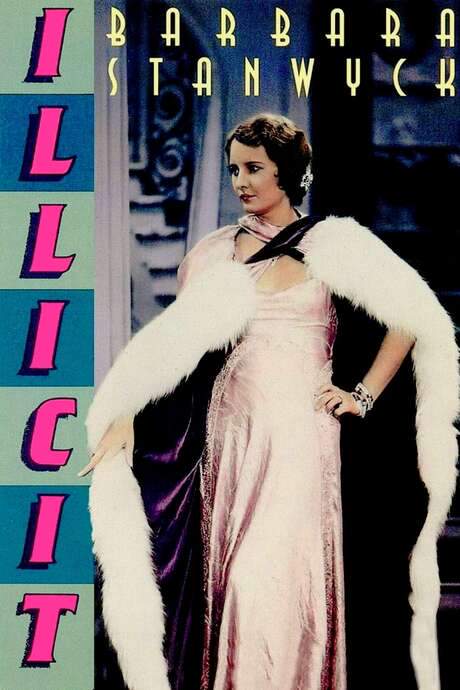
5 characters, among them Anne Vincent (Barbara Stanwyck), Dick Ives II (James Rennie) and Price Baines (Ricardo Cortez): who each one is and the part they play in the story. Every profile links to the actor’s page.
-

Anne Vincent (Barbara Stanwyck)
Played by Barbara Stanwyck
A modern-thinking woman who questions the idea that marriage is the end of personal freedom. She values independence and self-responsibility, and she resists social pressures to marry. Her decisions are driven by a desire to balance love with individual identity, even as she faces a past and present entanglements.
- 💬 Outspoken
- 🎭 Dramatic
- 💡 Modern Woman
- DI
Dick Ives II (James Rennie)
Played by James Rennie
A young heir entangled in competing romances as he grapples with commitment. He pressures Anne to marry and navigates jealousy and pride as the relationship evolves. His actions reflect both impulsiveness and a desire for lasting connection.
- ⚡ Impulsive
- 🎭 Drama
- 💞 Romantic conflict
-
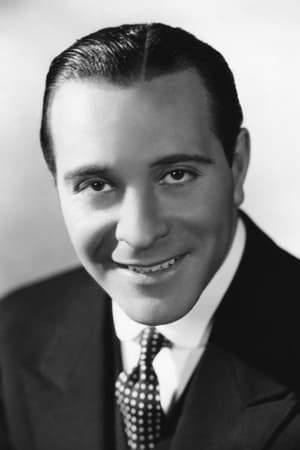
Price Baines (Ricardo Cortez)
Played by Ricardo Cortez
Anne’s ex-boyfriend who remains affectionate and assertive. He tries to dissuade her from marriage while reminding her of past devotion. His presence rekindles tension and temptation, challenging the pair’s resolve.
- 🔗 Persistent
- 🎭 Drama
- 💘 Past love
- MT
Margie True (Natalie Moorhead)
Played by Natalie Moorhead
A living symbol of lingering romance who still loves Dick. She offers a rival perspective on love and loyalty, pushing the story toward complicated emotional choices. Her behavior reveals vulnerability beneath confident charm.
- 💃 Flirtatious
- 🎭 Drama
- 💖 Love rival
- RI
Richard Ives Sr. (Dick Sr.)
Played by Claude Gillingwater
The patriarch who pushes for a conventional match for his son, wielding social and familial influence. He represents traditional values and the pressure to maintain status and propriety. His role underscores the film's exploration of duty versus desire.
- 🏛 Persuasive
- 🎭 Drama
- 🧭 Family pressure
Where and When Is Illicit Set?
When Illicit takes place (1930s), and why the period matters to the story.
When
1930s
Set in the early 1930s, a period of shifting social mores around romance and marriage. The story unfolds within urban social circles where public events and weekend getaways carry social weight. Characters navigate the tension between private desire and public propriety as they confront the costs of choosing independence over convention.
What Are the Themes of Illicit?
4 ideas the story keeps returning to, among them Marriage vs Individuality, Societal Pressure and Scandal and Separation and Realization.
-
01
Marriage vs Individuality
The central tension pits the institution of marriage against personal freedom. Anne believes love can endure outside wedlock, challenging traditional expectations. The narrative follows how commitment can either erode or reinforce personal identity, depending on how partners relate to one another.
-
02
Societal Pressure and Scandal
Gossip and public perception push lovers toward or away from marriage. Fear of scandal drives decisions, forcing characters to weigh reputation against authentic feeling. The era’s norms about respectability loom large over private choices.
-
03
Separation and Realization
A trial separation rekindles genuine affection by revealing what each person truly means to the other. The distance helps the couple assess whether their love is replaceable or essential. In the end, the story suggests there are no substitutes for true connection.
-
04
Independence and Growth
The characters explore what it means to be individuals within romantic bonds. Independence is portrayed as a virtue, but the tale also shows its limits when deep love persists. Growth comes from navigating temptation and choosing commitment on mutual terms.
What Kind of Film Is Illicit?
Melancholic in tone, with steady pacing and a moderate story, going by the plot summary.
- Tone
- Melancholic
- Pacing
- Steady
- Story
- Moderate
- Intensity
- Medium
- Ending
- Bittersweet
A melancholic and steady-paced romantic drama that charts the erosion of a passionate relationship under the weight of marriage and societal judgment, leaving a bittersweet aftertaste.
- melancholic
- tense
- romantic
- reflective
- conflicted
- somber
- marriage
- free love
- societal pressure
- infidelity
Content notes: marital infidelity.
Quiz
How well do you remember Illicit? Test yourself on the story.