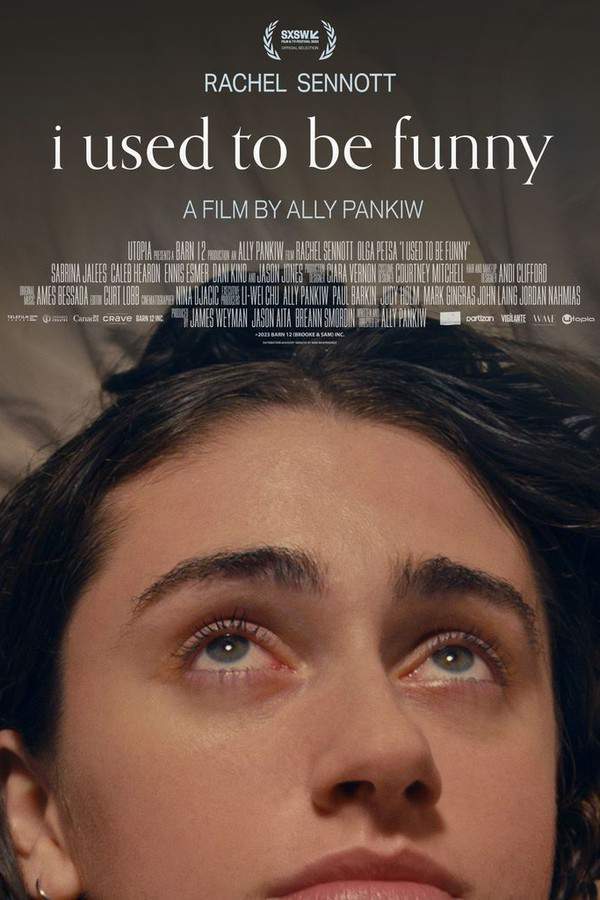
What Is I Used to Be Funny About?
The premise of I Used to Be Funny in 297 words, with nothing given away. The full story and the ending follow below.
In the bustling streets of contemporary London, Sam Cowell balances the chaotic rhythm of an au‑pair’s responsibilities with the restless ambition of a stand‑up comic dreaming of a stage of her own. By day she navigates the idiosyncrasies of a family whose expectations feel both comforting and confining, while by night she rehearses jokes in cramped rehearsal rooms, searching for a voice that can cut through the city’s constant hum. The world she inhabits is a mix of ordinary domestic scenes and the electric pulse of open‑mic nights, a place where humor becomes both a shield and a fragile bridge to connection.
Life takes an abrupt turn when Brooke, a former charge who once seemed like a fleeting but cherished chapter, disappears without a trace. The sudden loss ripples through Sam’s carefully ordered routine, pulling her into a search that feels as much internal as external. Haunted by memories of past trauma and the lingering aftershocks of PTSD, she must confront the anxiety that has long shadowed her performances and daily interactions. This inner turbulence is reflected in the film’s tone—a gritty yet warm‑hearted blend of raw honesty and wit, where moments of levity sit beside quiet, introspective beats.
Against this backdrop, Sam’s relationships begin to reveal hidden layers: a therapist who offers pragmatic grounding, friends who oscillate between supportive laughter and uneasy concern, and the family she works for, whose own secrets subtly echo her own. The narrative stitches together the ordinary and the extraordinary, inviting viewers to linger on the delicate balance between vulnerability and resilience. As Sam steps deeper into the mystery of Brooke’s absence, the story promises a journey that melds the search for another person with the search for self—an odyssey where rediscovering one’s voice may be the key to moving forward.
What Happens in I Used to Be Funny?
The complete story of I Used to Be Funny, from the first scene to the last, in 641 words (about 3 minutes). Spoilers throughout. Names in the text link to 5 cast member pages.
Spoilers ahead
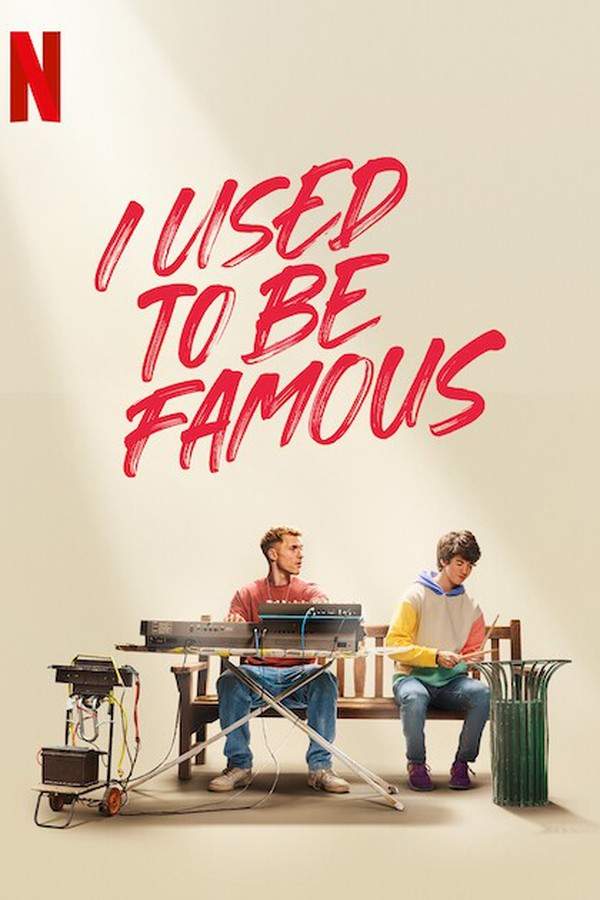
While Vince, portrayed by Ed Skrein, once reveled in the spotlight with his band Stereo Dreams alongside Austin (Eoin Macken), two decades later, he finds himself struggling as an unemployed musician. Determined to reignite his passion for music, Vince begins busking on the streets but faces constant rejection when seeking gigs at local bars. Despite his attempts to showcase his new compositions to music shops, he receives no positive feedback. In stark contrast, Austin has skyrocketed to fame, preparing to release his final album and embark on a farewell tour.
During one of Vince’s outdoor performances, he crosses paths with Stevie (Leo Long), a young drummer who joins in on the fun. Their shared enthusiasm for music quickly blossoms into a friendship, and together they dream of forming a band. Meanwhile, Vince is infatuated with Mel (Racheal Ofori), a bartender at a local pub known as Peckham’s Finest. Despite Mel’s encouragement, Vince faces rejection from the pub’s owner, Dave (Joplin Sibtain).
Determined to succeed, Vince cleverly uses a viral clip of their busking session to secure a gig at Peckham’s Finest. With the initial reservations of Stevie’s mother, Amber (Eleanor Matsuura), eventually quelled by Stevie’s evident dedication, the two embark on a series of rehearsals. An encounter with Austin at Firestarter studios leads Vince to extend an invitation to his former bandmate for the upcoming gig. Austin’s lukewarm response doesn’t deter Vince, who intriguing names the group “Denham,” which Dave dismissively renames to the “Tin Men”.
As they take the stage, the gig seems promising until Vince pushes the audience’s patience too far. After performing one song too many, the crowd grows hostile, leading to a confrontation with an aggressive fan which results in both Vince and Stevie being banned from the pub. Amber, upset over the incidents, instructs Stevie to steer clear of Vince, leaving him heartbroken. Alone at home, Vince reflects on painful memories, particularly the loss of his younger brother during the pinnacle of his career.
In the midst of this turmoil, Dennis (Neil Stuke), the tour manager, offers Vince ten additional tour dates, urging him not to dwell on the decision too long. This decision weighs heavily on Vince as he contemplates the significance of superficial fame versus his budding relationship with Stevie. Simultaneously, Stevie makes a bold move, expressing his desire to pursue music education while clandestinely seeking gigs for their band. When Stevie successfully gets a performance lined up, he calls Vince to join him. Vince’s dedication grows further as he engages with Stevie’s autism support group, where his mentoring skills catch the attention of the group leader, opening up a new job opportunity.
In a twist of fate, Vince receives a call that many dream of – an invitation from Austin to be the opening act on his farewell tour. However, this golden opportunity would exclude Stevie, forcing Vince to confront his priorities again. Recalling the painful moment from his past when he chose fame over family, Vince initially seems to repeat the cycle as Amber advises him to step back from Stevie’s life. She acknowledges that Vince had unlocked a part of Stevie that nobody else had.
This crucial meeting prompts Vince to reassess his life goals. As he stands in the recording studio, a pivotal moment unfolds when he is informed that his music is being tailored for commercial success. He is pressed for a decision under duress, echoing the sentiments that had haunted him for years. In a moment of clarity, Vince realizes that the fame he was so desperately chasing no longer fulfills him.
Instead, he opts to forge a new path, embracing his renewed bond with Stevie as a brother figure. The film culminates in a heartwarming finale where Vince organizes a concert for Stevie’s birthday, solidifying their resilient friendship and showcasing the growth they have both experienced together.
I Used to Be Funny Timeline: Every Key Event in Order
15 key events in the order they happen, from “Vince's Struggles” to “Concert for Stevie's Birthday”. 5 events name a place, across 3 locations.
- 1
Vince's Struggles
Twenty years after finding fame with Stereo Dreams, Vince is now an unemployed musician struggling to find his way in the music industry. He attempts to reignite his passion by busking on the streets, but faces constant rejection from local bars when seeking gigs.
- 2
Meeting Stevie
During one of his performances, Vince encounters Stevie, a young drummer who joins him and shares his enthusiasm for music. Their immediate connection leads to a blossoming friendship, both sharing dreams of starting a band together.
- 3
Infatuation with Mel
Amidst his musical pursuits, Vince finds himself infatuated with Mel, a bartender at a local pub called Peckham's Finest. Although she encourages him, he faces rejection from the pub's owner, Dave, complicating his efforts to perform.
Where:Peckham's Finest
- 4
Viral Busking Clip
Determined to find success, Vince cleverly uses a viral video of their joint busking performance to secure a gig at Peckham's Finest. The clip showcases their camaraderie and unique musical synergy, leading to an opportunity to perform there.
Where:Peckham's Finest
- 5
Rehearsals Begin
With initial concerns from Stevie's mother, Amber, about their partnership, Vince and Stevie begin a series of rehearsals together. Their hard work and passion signal the potential for success as they refine their sound.
- 6
Encounter with Austin
Vince meets Austin at Firestarter studios, seeking to reconnect and invite him to their upcoming gig. Although Austin's response is lukewarm, Vince remains hopeful and decides to name their band 'Denham,' which Dave cynically renames 'Tin Men'.
Where:Firestarter studios
- 7
Disastrous Performance
The night of their gig arrives, and while the initial vibe is promising, Vince pushes the audience's patience too far by performing one song too many. The crowd's frustration escalates, leading to a confrontation that results in Vince and Stevie being banned from the pub.
Where:Peckham's Finest
- 8
Heartbreak and Reflection
Following the confrontation, Amber instructs Stevie to stay away from Vince, leaving him heartbroken. Alone at home, Vince reflects on painful memories, particularly the tragic loss of his younger brother during his rise to fame, which haunts him.
- 9
Tour Offer from Dennis
Amid his turmoil, Dennis, the tour manager, offers Vince ten additional tour dates. This tempting offer forces Vince to weigh the allure of superficial fame against the meaningful connection he shares with Stevie.
- 10
Stevie's Bold Move
In a bid to further his music career, Stevie expresses his desire to pursue music education while secretly seeking gigs for their band. When he successfully books a performance, he eagerly calls Vince to join him, reigniting their collaborative spirit.
Show the other 5 events of I Used to Be Funny Hide the last 5 events
- 11
Engagement with the Support Group
Vince becomes increasingly dedicated to Stevie, engaging with his autism support group, where he demonstrates his mentoring skills. This involvement catches the attention of the group leader, ultimately opening a new job opportunity for Vince.
- 12
Invitation from Austin
In a surprising twist, Vince receives an invitation from Austin to be the opening act on his farewell tour. However, this golden opportunity means excluding Stevie, prompting Vince to confront his priorities and the true meaning of success.
- 13
Critical Meeting with Amber
A crucial meeting with Amber encourages Vince to reconsider his choices regarding Stevie. She highlights how Vince has unlocked potential in Stevie that others have overlooked, pushing Vince to reassess the path he is on.
- 14
Studio Decision
In the recording studio, Vince faces pressure to conform his music for commercial success. This pivotal moment forces him to confront his long-held aspirations and the emptiness that fame brought him in the past.
Where:Recording Studio
- 15
Concert for Stevie's Birthday
The film culminates in a heartwarming finale where Vince organizes a concert for Stevie's birthday. This event not only celebrates Stevie's growth but also solidifies their resilient friendship, highlighting the genuine joy shared between them and their musical journey.
Who Are the Main Characters in I Used to Be Funny?
3 characters, among them Cameron Renner, Sam Cowell and Brooke Renner: who each one is and the part they play in the story. Every profile links to the actor’s page.
-
Cameron Renner
Played by Jason Jones
Cameron Renner is a multifaceted character who instills a sense of camaraderie within the musical group. His supportive nature provides a solid foundation for the band, emphasizing the importance of collaboration and trust among friends. Throughout the film, Cameron's presence brings positivity and encouragement, serving as a source of inspiration.
- 🤝 Supportive
- 🎶 Musician
-

Sam Cowell
Played by Rachel Sennott
Sam Cowell is a vibrant character whose passion for music resonates throughout the story. Her spirited personality encourages those around her, especially Vince, to chase their dreams. Sam's cheerful demeanor and keen insights during rehearsals uplift the group, making her a crucial element in their musical journey.
- 🎤 Optimistic
- 🎶 Musician
-

Brooke Renner
Played by Olga Petsa
Brooke Renner is a supportive character who embodies the nurturing aspect of friendship. Her investment in Stevie's musical aspirations highlights the importance of believing in one's potential. Emily's connection with the band symbolizes the support structure that can foster talent and self-belief.
- 💖 Nurturing
- ☀️ Supportive
Where and When Is I Used to Be Funny Set?
I Used to Be Funny is set in Peckham's Finest and Firestarter studios. Here is why the place matters to the story.
When
The movie takes place in contemporary times, highlighting the struggles of a modern musician in the competitive world of music. It captures the challenges of pursuing one's passion in the face of rejection and the longing to reclaim past glory.
Where
Peckham's Finest, Firestarter studios
Peckham's Finest is a local pub known for its vibrant nightlife and live music performances, offering a platform for budding musicians. Firestarter studios serves as a space for creativity and collaboration among artists, helping them produce their music while supporting serious endeavors in the industry.
- 🎤 Music Venue
- 🎶 Studio
What Are the Themes of I Used to Be Funny?
3 ideas the story keeps returning to, among them Music and Passion, Heartbreak and Healing and Friendship and Support.
-
01
Music and Passion
Music serves as the backbone of the film, illustrating both the joy and struggle in pursuing one's passion. The characters navigate the highs and lows of their musical journey, emphasizing the importance of friendship and collaboration. Vince's evolution shows that true fulfillment comes from meaningful relationships rather than fleeting fame.
-
02
Heartbreak and Healing
The theme of heartbreak is prevalent in Vince's character as he grapples with his past and the loss of his brother. His journey highlights the healing process that comes from building genuine connections and the impact of mentorship on personal growth. The film ultimately portrays how overcoming past wounds is essential for moving forward.
-
03
Friendship and Support
The bond formed between Vince and Stevie is a core theme, showcasing the significance of friendship in overcoming adversity. Their relationship illustrates how support systems can lead to personal development and offer a renewed sense of purpose. Together, they demonstrate that true success is not just about individual achievements but collective victories.
How Does I Used to Be Funny End?
The last act of I Used to Be Funny and what it means, in 251 words. The ending lands as happy. Big spoilers: read the plot summary first if you have not seen it.
The final act, in full
The ending of I Used To Be Funny reveals a powerful transformation in Sam’s character. Throughout the story, she struggles to regain her laughter and sense of self after experiencing trauma at the hands of Cameron, her abuser. Her journey of healing culminates in her return to comedy, where she manages to joke about her past abuse, turning her pain into humor. This moment signifies her reclaiming her voice and her identity, showing that she is finally able to say, “I am funny” instead of “I used to be funny.”
Before that, we see her rebuild her relationship with Brooke, the girl she once cared for and who blames her for her own rebellious path. Their reunion at the end symbolizes closure and redemption for both. Brooke’s acknowledgment of her own anger and pain helps Sam understand that she wasn’t responsible for Brooke’s struggles, and their reconciliation marks a step toward healing. By taking Brooke on a trip to Niagara Falls, Sam also begins to forgive herself and find joy again.
Ultimately, the film closes on a note of hope and resilience. Sam’s return to the stage, confidently joking about her trauma, shows that she has found her strength and humor once more. She no longer sees herself as someone who has lost her funny bone; instead, she’s transformed into someone who can face her darkness with courage and wit. The title “I Used To Be Funny” fades away as she embraces her authentic self, ready to laugh and live anew.
What Kind of Film Is I Used to Be Funny?
Hopeful in tone, with steady pacing and a straightforward story, going by the plot summary.
- Tone
- Hopeful
- Pacing
- Steady
- Story
- Straightforward
- Intensity
- Medium
- Ending
- Happy
A hopeful and heartwarming dramedy that follows a struggling musician's journey of redemption, exploring themes of friendship and personal growth set against the backdrop of the music world.
- hopeful
- heartwarming
- melancholic
- reflective
- uplifting
- nostalgic
- friendship
- music
- redemption
- coming of age
Content notes: grief and loss.
Quiz
How well do you remember I Used to Be Funny? Test yourself on the story.
Where to Watch I Used to Be Funny
Stream it on Amazon Prime Video and Kanopy, or rent or buy it from Amazon Video and Apple TV Store. US availability and prices from JustWatch.
Stream 5
 Amazon Prime Video
  Amazon Prime Video with Ads
  Kanopy
  Netflix
  Netflix Standard with Ads



Streaming availability in the US, powered by