
How Awful About Allan 1970


Directed by

Kenneth Lawrence
Made by

Aaron Spelling Productions
Where to Watch How Awful About Allan
See current US streaming, rental, and purchase options for How Awful About Allan (1970) via JustWatch.

Artiflix
4K
Cultpix
SD
FlixFling
SD
IndieFlix
HD
IndieFlix Shorts Amazon Channel
HD
Philo
HD
Fawesome
HD
JustWatch TV
HD
Cineverse
HD
Mometu
HD
Plex
HD
Plex Channel
HD
Tubi TV
SD
YouTube Free
HD
Amazon Video
SD Streaming availability powered by 
How Awful About Allan Plot Summary
Read the complete plot summary and ending explained for How Awful About Allan (1970). From turning points to emotional moments, uncover what really happened and why it matters.
Allan Colleigh has psychosomatic blindness after a fire that claimed his father, a renowned academic who punished him during childhood. That same blaze also left his sister, Katherine, scarred on her face. The accident happened when Allan had left cans of paint thinner near a heater, a mistake that would haunt him as he tries to rebuild his life.
Returning home after months in a mental hospital, Allan begins to re-acclimate to a world that feels both familiar and threatening. His sister Katherine has an ex-boyfriend who calls the house, and she also takes in a peculiar boarder who claims to suffer a throat injury and can only speak in a whisper. Allan grows increasingly wary of this mysterious lodger, and soon he starts hearing his name whispered and glimpsing a shadowy figure edging closer to him. He records these sensations and suspicions on a reel-to-reel tape in his bedroom, seeking something like proof or a defense against what could be real danger—or a dangerous illusion.
Olive, Olive, Allan’s fiancée before the fire, tries to reopen contact and support him as best she can. At first reluctant, Allan accepts a renewed interaction but asks Olive to keep a lookout for the silent lodger so he can describe him more clearly. The plan leads them on a trip into town; Olive drops books at the university library, leaving Allan alone in the car. In that moment, the whispers return, and his fear spirals into a desperate urge to escape, culminating in a crash when he tries to drive away.
As the tension deepens, the blurry whispering figure intensifies Allan’s paranoia. He endures further disturbances—episodes where the voice seems to lure him toward danger, and a moment in which he slashes his own skin in a startled reaction to a delivery boy at the kitchen window. Katherine presses him to seek psychiatric help again, while Olive reports seeing Katherine’s boyfriend in town, a claim Katherine denies. Allan remains convinced there is a conspiracy to send him back to the hospital, and his dreams grow darker, filled with recollections of his father’s punishment and a childhood spent hiding in a dark cupboard. In another nightmare, the whispering voice draws him toward a room that appears burnt, where the ceiling timbers collapse, and he wakes certain that the night’s events were real. The evidence seems to corroborate his fear when he finds a piece of burnt wood in the house.
A hospital call is placed, but the psychiatrist is away. Allan must take a cab to meet the doctor when he returns. The moment the cab arrives, Allan slips on the path, and the driver turns out to be Eric, Katherine’s boyfriend, who has a croaky whispering voice he attributes to a cold. Olive comes to help, guiding Allan back into the safety of the house. Later, Olive and Katherine speak privately; Katherine says she will send Allan back to the hospital the next morning, unable to endure the strain any longer. Allan, who had tried to convince Olive that there was a plot against him, discovers that the night’s whispered voice can be heard again on the tape—yet Olive is not present when it plays back. In a moment of rage or despair, Allan smashes the tape recorder to the floor.
The danger peaks when the whispering voice lures Allan into the kitchen pantry and the door locks behind him. A fire has been started inside, and Allan, grabbing flour to douse the flames, manages to break the door down and struggle with a shadowy attacker. As the mask behind the attacker comes off, Allan’s vision returns, and he recognizes his sister Katherine in the disguise. She confesses that she had the hideous scar removed but argues that the scar should have remained as a mark of Allan’s supposed crime against their father—the so-called murder of the greatest man who ever lived.
After a period of recovery, Allan returns home with Olive, who is preparing dinner and guiding him toward a semblance of normal life. He has started a music appreciation course and seems steadier, yet the past hints remain. A letter arrives, presumably from Katherine, who is now in a psychiatric facility, begging for release. Reading it unsettles him, and, as he contemplates the future, his vision darkens once more, plunging him into blindness again, leaving his fate and the truth of what happened between family members unresolved in a world still shadowed by fear and memory.
How Awful About Allan Timeline
Follow the complete movie timeline of How Awful About Allan (1970) with every major event in chronological order. Great for understanding complex plots and story progression.
Earlier fire and trauma
Years earlier, a fire caused by cans of paint thinner near a heater kills Allan's father and scars his sister Katherine. Allan's punishment as a child under his father's rule is implied to have contributed to his psychosomatic blindness. The trauma haunts the family and sets the stage for what unfolds later.
Return from the hospital
Allan returns home after months in a mental hospital, trying to readjust to life with his family. He remains haunted by memories of the fire and his father's discipline. He begins recording his suspicions and fears after his return.
The odd lodger arrives
Katherine takes in a mysterious boarder who can only speak in a whisper due to a throat injury. Allan grows suspicious of the lodger and fears an unseen threat in his own home. He starts documenting his worries on a reel-to-reel tape in his bedroom.
Taping suspicions
Allan records his suspicions on a reel-to-reel tape in his bedroom as the whispers grow louder and the figure seems to close in. He begins to doubt his own sanity while fearing an intruder in the house. The act of recording becomes a coping mechanism against the creeping paranoia.
Olive reconnects
Olive, Allan's fiancée before the fire, tries to renew contact with him. He is reluctant at first but agrees to see her again and asks her to watch for the lodger. The couple tentatively rebuilds their relationship amidst rising tension.
Trip to town and crash
Olive drives Allan into town and leaves him alone in the car while she returns books to the university library. He thinks he hears the whisper again and, in a panic, tries to drive away, crashing the car. The crash intensifies his fear of being watched.
Pressure to seek help
Katherine pressures Allan to see the psychiatrist again, and Olive claims to have seen Katherine's ex in town. Allan senses that Katherine is hiding something and that someone wants to have him sent back to the hospital. The tension between suspicion and care grows.
Nightmare replay of trauma
Allan experiences nightmare episodes that revisit his father's punishment, including hiding in a dark cupboard. In another dream, the whisper lures him toward a burnt-looking room where the ceiling timbers seem to collapse. The next morning he finds burnt wood as supposed proof that the room was real.
Call to the hospital
Allan tries to contact the hospital to arrange a meeting with his psychiatrist, but the doctor is away. He resolves to take a cab to meet the doctor when the doctor returns, hoping for relief from his condition.
The cab ride and reveal
The cab arrives for Allan, but as he heads toward it he slips on the path. The cab driver is Eric, Katherine's boyfriend, whose whispering voice he attributes to a cold. Olive arrives and helps Allan back into the house, avoiding a possible further crisis.
Katherine's ultimatum
Katherine tells Allan she will have him sent back to the hospital the next morning, unable to bear the situation. Allan recalls that the whispered voice was on his tape, but Olive is not in the room to confirm it. In a fit of frustration he smashes the tape recorder on the floor.
Pantry confrontation
The whisper lures Allan into the kitchen pantry and the door locks behind him. He discovers a fire burning inside, then douses it with flour and breaks the door down to confront his attacker. When he pulls off the mask, he discovers his sister Katherine.
Katherine's truth
Katherine confesses that she had the facial scar removed, arguing that it should have remained as a mark to reveal Allan's supposed crime. The revelation reframes the family tragedy as a personal vendetta rather than a simple accident.
A moment of fragile normalcy and a note
Allan returns home and appears more normal, taking a music appreciation course and sharing meals with Olive. He then receives a letter from Katherine, who has been placed in a psychiatric facility, pleading for his help to release her. Just after reading the letter, his vision goes dark and he is blind again.
How Awful About Allan Characters
Explore all characters from How Awful About Allan (1970). Get detailed profiles with their roles, arcs, and key relationships explained.
Allan Colleigh (Anthony Perkins)
A man returning from a mental hospital after a fire that killed his father and scarred his sister. He struggles with psychosomatic blindness, whispers, and nightmares that blur reality, and his paranoia intensifies as he questions whether threats are real or imagined.
Olive (Joan Hackett)
Allan's fiancée who tries to reconnect and assist him, encouraging him to face the mysterious lodger. She is supportive and perceptive, serving as a bridge to the outside world and the truth she senses.
Katherine (Julie Harris)
Allan's sister who bears a scar from the fire and appears protective yet evasive. She harbors a dangerous secret and manipulates circumstances to influence Allan's fate.
Eric (Trent Dolan)
Katherine's ex-boyfriend whose croaky whispering voice becomes a source of fear for Allan. He is connected to the lodger and speaks with a distinctive, hidden menace.
Dr. Ellins (Robert H. Harris)
The psychiatrist figure associated with Allan's care, representing the medical route to coping with his condition and the tension around treatment.
Raymond (Kent Smith)
A figure tied to the family history and the house, anchoring the domestic drama and the legacy of the father’s influence.
Harold Dennis (Billy Bowles)
An odd lodger with a throat injury who can only speak in a whisper, contributing to Allan's sense of danger and the film's eerie atmosphere.
Dr. Ames (Bill Erwin)
Another physician in Allan's circle, providing additional medical context to his care and the narrative's tension around treatment.
Inmate (Molly Dodd)
A character encountered within the mental hospital setting, representing the institution's pressure and the darker aspects of confinement.
Allan - Child (Kenneth Lawrence)
A younger version of Allan that hints at childhood punishment and the roots of his trauma.
Katherine - Child (Jeannette Howe)
A younger Katherine that reflects the family dynamics and foreshadows her adult actions and the secrets she keeps.
How Awful About Allan Settings
Learn where and when How Awful About Allan (1970) takes place. Explore the film’s settings, era, and how they shape the narrative.
Time period
Early 1970s
The events take place in a contemporary setting relative to the film's release, with a domestic atmosphere that reflects the era's attitudes toward trauma and mental health. The fire and its aftermath anchor the narrative in a recent past, influencing the characters' perceptions and fears. The story shifts between the home, hospital, and occasional outings, all within a present-day timeframe.
Location
Home, Mental Hospital, University Library, Town
The story mostly unfolds in a family home where Allan returns after months in a mental hospital. Key scenes also occur in a university library and in town during a tense car trip, highlighting the contrast between domestic space and public life. The hospital setting provides the framework for Allan's treatment and psychological struggle.
How Awful About Allan Themes
Discover the main themes in How Awful About Allan (1970). Analyze the deeper meanings, emotional layers, and social commentary behind the film.
🧠
Psychosis
Allan's psychosomatic blindness and whispered voices blur the line between reality and illusion. Trauma reshapes his perception, making the world feel dangerous and deceptive. The narrative relies on unreliable perception to sustain tension and suspicion. Viewers are kept uncertain about what is real versus what the mind conjures.
🗝️
Family Secrets
A buried history—fire, scars, and an implied murder—drives the family drama. Katherine's actions and the branding of guilt reveal how secrets fester when truth is suppressed. The siblings' loyalties and rivalries push Allan toward discovery or self-doubt. The plot hinges on revelations that upend perceived loyalties.
🎭
Truth vs. Deception
Whispers, recordings, and memories create shifting realities that challenge what characters believe. Allan's tape recorder becomes a focal point for suspicion and misinterpretation. Katherine's concealed motives and disguise demonstrate how appearances can mask dangerous truths. The theme underscores fragile trust within the family and home.

Coming soon on iOS and Android
The Plot Explained Mobile App
From blockbusters to hidden gems — dive into movie stories anytime, anywhere. Save your favorites, discover plots faster, and never miss a twist again.
Sign up to be the first to know when we launch. Your email stays private — always.
Explore the mobile appHow Awful About Allan Spoiler-Free Summary
Discover the spoiler-free summary of How Awful About Allan (1970). Get a concise overview without any spoilers.
In a dimly lit house perched on the edge of a quiet town, a fragile sense of normalcy trembles beneath layers of suppressed trauma. Allan has just been released from a mental hospital after an eight‑month stay, still haunted by the aftermath of a fire that left him without sight and his family forever scarred. Returning to the familiar yet strange world of his sister’s home, he hopes to rebuild a shattered life, but the walls seem to echo whispers of the past he cannot quite place.
The house is shared with Katherine, his sister, whose own face bears the lingering mark of the blaze. Their strained bond is a quiet undercurrent, each carrying the weight of unspoken grievances and memories of a demanding father. Into this uneasy equilibrium drifts a new boarder, a silent presence who claims a throat injury and communicates only in hushed tones. The stranger’s arrival injects a subtle, unsettling tension that ripples through the household, turning routine moments into shadows of doubt.
Against this backdrop, Olive—the woman who once meant so much to Allan—re‑enters his life, offering a tentative bridge between his inner turmoil and the outside world. Their tentative reconnection is tinged with careful observation, as both try to discern what is real and what might be a product of Allan’s fragile psyche. The lingering scent of incense, the faint rustle of newspaper pages, and the occasional, almost imperceptible whisper create a suffocating atmosphere that blurs the line between perception and paranoia.
The film moves with a deliberate, claustrophobic pace, heightening the sense that every creak and whispered name could be a warning or merely the echo of a mind in distress. The tone is one of quiet dread, inviting the audience to share Allan’s uncertainty as he navigates a world where safety feels as fragile as his broken vision, and every familiar face may hide a hidden motive.
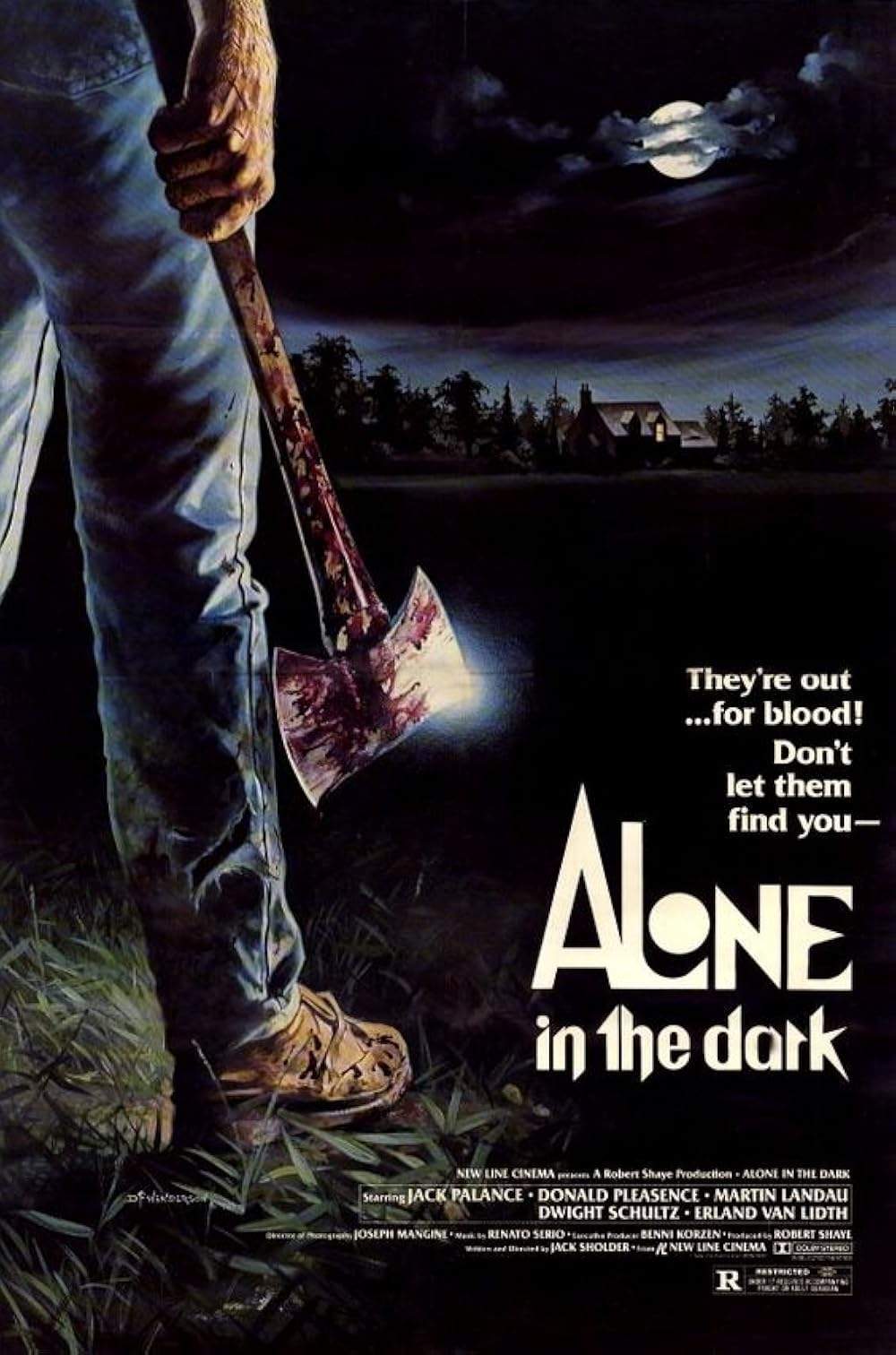
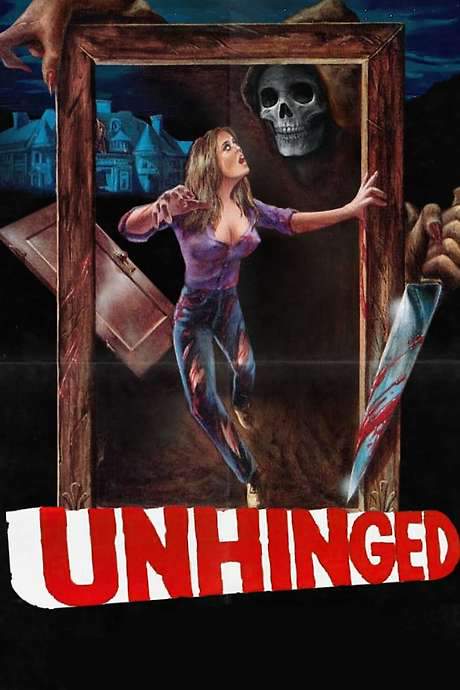
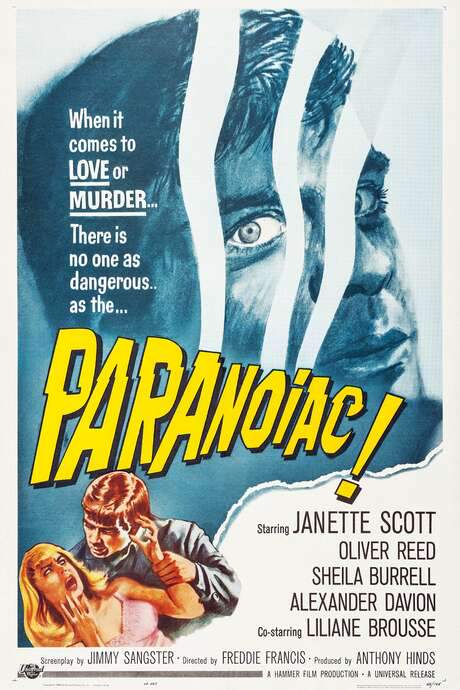
Movies with Similar Twists and Themes
Uncover films that echo the narrative beats, emotional arcs, or dramatic twists of the one you're exploring. These recommendations are handpicked based on story depth, thematic resonance, and spoiler-worthy moments — perfect for fans who crave more of the same intrigue.





Featured on this page

What's After the Movie?
Not sure whether to stay after the credits? Find out!
Check out our other apps:

SAT Sphere
Build confidence for the Digital SAT.

Mori Atlas
Discover wild places worth protecting.

Luntero
Search smarter for a home in Amsterdam.

Plot Explained
Unravel movie endings and hidden clues.

Pokechamp
Dive into Pokémon data and battle logic.

Driving Theory
Get ready for your European theory test.

Movie Dust
Plan your next cinema trip with ease.

Musemap
Find art and culture as you travel.

Selkobase
Compare credentials before committing.

Local Manual
Turn an unfamiliar country into practical next steps.

Lernavi
Compare school systems before your next move.

GymRoam
Find a workout stop wherever your plans take you.
Explore Our Movie Platform
New Movie Releases (2026)
Famous Movie Actors
Top Film Production Studios
Movie Plot Summaries & Endings
Major Movie Awards & Winners
Best Concert Films & Music Documentaries
Movie Collections and Curated Lists
© 2026 What's After the Movie. All rights reserved.
Privacy Policy