
House of Bamboo 1955

Directed by
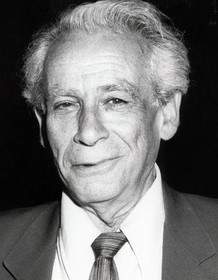
Samuel Fuller
Made by

20th Century Fox
House of Bamboo Plot Summary
Read the complete plot summary and ending explained for House of Bamboo (1955). From turning points to emotional moments, uncover what really happened and why it matters.
A military train guarded by American soldiers and Japanese police is robbed of its cargo—guns, ammunition, and smoke bombs. During the raid, a U.S. Army sergeant guarding the train is shot and killed. Five weeks later, a thief named Webber Biff Elliot lies dying in a Tokyo hospital, shot by one of his own cohorts during a holdup in which smoke bombs were used. Army investigators discover Webber was killed by the same P38 pistol that killed the sergeant during the train robbery. Webber is questioned by military and police investigators, who discover among his possessions a letter from an American named Eddie Spanier, who wants to join Webber in Japan after his release from a U.S. prison. Though Webber refuses to implicate his fellow gang members, he does reveal that he is secretly married to a Japanese woman named Mariko Nagoya, Yoshiko Yamaguchi // Mariko Nagoya.
Three weeks later, Eddie Spanier arrives in Tokyo and makes contact with Mariko Nagoya, Yoshiko Yamaguchi who uses her trust to help him learn what happened to Webber after seeing a photograph of Eddie with Webber. Eddie learns about Webber’s death and asks Mariko to live with him as his “kimono girl,” a move that deepens their bond even as he continues to operate undercover. He soon tests the waters with a local racket, going to a pachinko parlor and attempting to shake down the manager, only to be beaten by a group of Americans led by Sandy Dawson, Brad Dexter who becomes intrigued by Eddie’s nerve and later offers him a place in his gang, a cadre of disgruntled former servicemen who have been dishonorably discharged.
To solidify his cover, Eddie secretly meets with U.S. and Japanese investigators, while Mariko agrees to stay close and help him in his dual quest: to uncover Webber’s killers and to bring the gang to justice. Mariko and Eddie grow closer as they navigate the danger of being watched by both police and gang members, and Eddie’s deception gradually reveals itself to more players, including Charlie, DeForest Kelley, one of Sandy’s men, who spies Mariko meeting with the American officer to fill him in on the Dawson gang’s next heist.
A key informant, Ceram, Sandro Giglio, informs Sandy that the police are closing in and that Eddie is a military plant. This revelation triggers a dramatic reversal: Sandy orchestrates a fake robbery to trap Eddie, but the plan backfires when Charlie is shot while trying to keep Eddie upright. The pursuit drives Eddie and the police to a rooftop amusement park, where a tense gunfight erupts. In the end, Eddie shoots and kills Sandy, and the pair—Eddie and Mariko—are finally reunited.
House of Bamboo Timeline
Follow the complete movie timeline of House of Bamboo (1955) with every major event in chronological order. Great for understanding complex plots and story progression.
Train robbery and sergeant killed
A military train guarded by American soldiers and Japanese police is robbed of its guns, ammunition, and smoke bombs. During the heist, a U.S. Army sergeant guarding the train is shot and killed. The incident triggers an intensive inquiry by both American and Japanese authorities.
Webber wounded and pistol linkage discovered
Five weeks after the robbery, Webber lies dying in a Tokyo hospital, shot by one of his own during a holdup in which smoke bombs were used. Army investigators discover he was shot by the same P38 pistol that killed the sergeant. This chilling linkage sets the stage for a wider criminal investigation.
Investigation uncovers Eddie Spanier's letter and Webber's marriage
During questioning, investigators find a letter from an American named Eddie Spanier who wants to join Webber in Japan after his prison release. Webber refuses to implicate his fellow gang members but reveals that he is secretly married to a Japanese woman named Mariko Nagoya. The discoveries widen the search and complicate loyalties.
Eddie arrives in Tokyo and contacts Mariko
Three weeks after the above events, Eddie arrives in Tokyo and makes contact with Mariko, gaining her trust with a photograph of himself taken with Webber. He also learns about Webber's death and begins to assemble his cover story.
Mariko's confession and secret marriage
Mariko admits that Webber forced her to keep their marriage secret and that she knew little of his criminal life. She explains her fear of retaliation if she sought help from the police. The confession strengthens Eddie's resolve to use her aid.
Eddie targets the parlor, is beaten, and joins the gang
Eddie goes to a pachinko parlor to shake down the manager, attempting to establish himself. When he tries another parlor, he is beaten by a group of Americans led by racketeer Sandy Dawson. Impressed by Eddie's nerve, Sandy recruits him into his gang of disgruntled ex-servicemen.
Eddie goes undercover and begins working with investigators
After joining the gang, Eddie secretly meets with U.S. and Japanese investigators, effectively working undercover. He uses his position to gather information while maintaining his cover. His dual loyalties begin to strain his relationships.
Eddie asks Mariko to live with him as his kimono girl
To solidify his cover, Eddie asks Mariko to live with him as his 'kimono girl.' The arrangement gives them a platform to observe the gang's operations and exchange information. Their personal relationship also deepens as they work together.
Eddie reveals his true identity and Mariko pledges help
Eddie finally reveals that he is actually U.S. Army Sergeant Edward Kenner, undercover infiltrating the Dawson gang. Mariko pledges to continue assisting him in his investigation despite the danger. Their bond grows as they navigate danger together.
Charlie alerts Sandy; plan aborted
Charlie, a member of Sandy's gang, spies Mariko meeting with an army officer to fill him in on the next heist and informs Sandy. The planned robbery is aborted due to the information. The gang tightens its guard as suspicion grows.
Ceram informs Sandy about Eddie's undercover status
An outside informant Ceram tells Sandy that the police are closing in and that Eddie is a military plant. The traitor plan intensifies as Sandy seeks to protect the gang while eliminating Eddie.
Sandy's fake robbery and Eddie's staged death
Sandy arranges Eddie's death by staging a fake robbery; Charlie knocks Eddie unconscious and props him as the robber to be shot by police. The plan backfires when Charlie is killed during the attempt, exposing the ruse.
Rooftop chase and Eddie's decisive victory over Sandy
Police and Eddie pursue Sandy to a rooftop amusement park where a brutal gunfight ensues. Eddie shoots and kills Sandy, ending the gang's leadership and clearing the way for a resolution. The victory marks the turning point for Eddie's mission and his relationship with Mariko.
Ending: Eddie and Mariko reunite
With the gang dissolved and danger resolved, Eddie and Mariko are finally reunited. They confront a future together despite the shadows of their tangled pasts. The final moment seals their bond and hints at a fragile peace.
House of Bamboo Characters
Explore all characters from House of Bamboo (1955). Get detailed profiles with their roles, arcs, and key relationships explained.
Eddie Kenner (Robert Stack)
An American Army sergeant who goes undercover within the Dawson gang to expose their crimes. Resourceful, calm under pressure, and morally driven, he risks his life while balancing his cover with genuine concern for justice. His evolving relationship with Mariko adds personal stakes to the mission.
Mariko Nagoya (Yoshiko Yamaguchi)
A Japanese woman secretly married to Webber, she is drawn into Eddie's investigation while trying to protect herself from danger. She agrees to live with Eddie as his 'kimono girl' to aid the mission, torn between loyalty to Webber's memory and her growing feelings for Eddie. Her cooperation is pivotal to revealing the gang's machinations.
Sandy Dawson (Robert Ryan)
The ruthless leader of a gang of disgruntled ex-servicemen, he uses violence and manipulation to run robberies and intimidate rivals. Charismatic yet brutal, his plans constantly threaten Eddie's undercover operation. His pursuit of control culminates in a high-stakes showdown with Eddie.
House of Bamboo Settings
Learn where and when House of Bamboo (1955) takes place. Explore the film’s settings, era, and how they shape the narrative.
Time period
1950s
Postwar Tokyo in the 1950s is depicted as a city rebuilding itself amid rapid urbanization. American troops and local police shape daily life and city dynamics, creating a tense atmosphere for crime and espionage. The era's shifting loyalties and power struggles provide the backdrop for an undercover investigation that drives the plot.
Location
Tokyo, Japan
Set mainly in Tokyo, Japan, during the postwar era, the city is a mix of modernizing streets and tense police activity. Neon-lit parlors and crowded pachinko joints dot the urban landscape, hinting at both opportunity and danger. The setting underscores the clash between American military presence and Japanese authorities, fueling the film's intrigue.
House of Bamboo Themes
Discover the main themes in House of Bamboo (1955). Analyze the deeper meanings, emotional layers, and social commentary behind the film.
🕵️
Undercover
Eddie Kenner operates under a false identity to infiltrate the Dawson gang, balancing risk and deception to uncover the truth. The undercover mission tests his nerve, loyalty, and ability to separate personal feelings from duty. Trust becomes a currency as allies and enemies alike question Eddie's true motives. The tension between cover and conscience fuels the narrative.
💔
Betrayal
Betrayal threads through alliances and loyalties, from Webber's concealed life to Eddie's double role. Characters wrestling with secrets place personal safety above trust, leading to calculated risks and tragic consequences. The story probes whether loyalty to comrades can withstand the pressures of crime and undercover work. Betrayal ultimately tests love, honor, and justice.
🌸
Cross-cultural Romance
The romance between Eddie and Mariko crosses cultural boundaries, complicating loyalties and professional duties. Their relationship blends vulnerability with strategic collaboration, highlighting the human side of espionage. cultural expectations clash with personal affection, adding emotional depth to the pursuit of truth. Love becomes both a motive and a risk in a morally gray world.

Coming soon on iOS and Android
The Plot Explained Mobile App
From blockbusters to hidden gems — dive into movie stories anytime, anywhere. Save your favorites, discover plots faster, and never miss a twist again.
Sign up to be the first to know when we launch. Your email stays private — always.
Explore the mobile appHouse of Bamboo Spoiler-Free Summary
Discover the spoiler-free summary of House of Bamboo (1955). Get a concise overview without any spoilers.
In the shadowed streets of post‑war Tokyo, the city’s battered neon glimmers over an underworld forged from former soldiers and desperate locals. The atmosphere pulses with a gritty mix of lingering occupation fatigue and the restless drive of a populace trying to rebuild amid corruption. Nightclubs, pachinko parlors and cramped alleys become the backdrop for a delicate balance of power, where American officials and Japanese police constantly vie for influence over a market that thrives on secrecy.
Eddie Kenner, a disciplined Army operative, is handed a covert assignment that forces him to step beyond the uniform’s rigid boundaries. Tasked with slipping into the heart of the criminal sphere, he must navigate a world where loyalty is measured in the scars of past battles and every handshake could conceal a hidden agenda. His training equips him with precision, yet the mission demands a fluidity that only an insider can provide.
The target of Eddie’s inquiry is Sandy Dawson, a former U.S. GI who has gathered a tight‑knit crew of ex‑servicemen and Japanese allies, using their shared wartime bonds to shape the city’s illicit trade. Their presence adds a layer of uneasy familiarity to the conflict, blurring the line between comradeship and rivalry. As Eddie immerses himself, he leans on the quiet strength of Mariko Nagoya, a Japanese woman whose connections and resolve become an unexpected compass in the murky environment.
Together, the trio moves through a Tokyo that feels both foreign and familiar, a place where the echo of gunfire still lingers in the air and every whispered conversation may hold the key to unraveling a hidden network. The film’s tone is taut and atmospheric, inviting the audience to sense the tension between duty and deception, while the city itself becomes a character—stern, smoky, and endlessly intriguing.
Movies with Similar Twists and Themes
Uncover films that echo the narrative beats, emotional arcs, or dramatic twists of the one you're exploring. These recommendations are handpicked based on story depth, thematic resonance, and spoiler-worthy moments — perfect for fans who crave more of the same intrigue.



Featured on this page

What's After the Movie?
Not sure whether to stay after the credits? Find out!
Check out our other apps:

SAT Sphere
Build confidence for the Digital SAT.

Mori Atlas
Discover wild places worth protecting.

Luntero
Search smarter for a home in Amsterdam.

Plot Explained
Unravel movie endings and hidden clues.

Pokechamp
Dive into Pokémon data and battle logic.

Driving Theory
Get ready for your European theory test.

Movie Dust
Plan your next cinema trip with ease.

Musemap
Find art and culture as you travel.

Selkobase
Compare credentials before committing.

Local Manual
Turn an unfamiliar country into practical next steps.

Lernavi
Compare school systems before your next move.

GymRoam
Find a workout stop wherever your plans take you.
Explore Our Movie Platform
New Movie Releases (2026)
Famous Movie Actors
Top Film Production Studios
Movie Plot Summaries & Endings
Major Movie Awards & Winners
Best Concert Films & Music Documentaries
Movie Collections and Curated Lists
© 2026 What's After the Movie. All rights reserved.
Privacy Policy