What Is Honky Tonk Freeway About?
The premise of Honky Tonk Freeway in 377 words, with nothing given away. The full story follows below.
In a sun‑baked corner of Florida, the sleepy tourist town of Ticlaw finds its future hinging on a sleek new freeway that snakes past its borders—except for one glaring omission: no off‑ramp. The promise of a steady stream of visitors collides with the harsh reality of a road that whizzes by without stopping, turning the town’s modest ambitions into a communal quest for a missing exit. The film’s tone balances gentle absurdity with heartfelt optimism, letting the humor of bureaucratic oversight play out against the earnest determination of its residents.
At the heart of the town stands Kirby T. Calo, a charismatic mayor who doubles as a preacher, hotelier, and the eccentric overseer of a tiny wildlife safari park. Under his guidance, the park’s star attraction—a water‑skiing elephant named Bubbles—becomes a symbol of the town’s flair for the unexpected. Calo’s larger‑than‑life personality fuels a series of outlandish schemes—from colorful petitions to eye‑catching stunts—that aim to coax the state into adding the coveted ramp, turning advocacy into performance art.
Meanwhile, a motley caravan of travelers drifts toward Ticlaw, each carrying their own slice of Americana. Eugene and his partner Osvaldo travel far from New York, while Duane Hansen, a copy‑machine repairman with a secret longing to write children’s books, crosses paths with Carmen Odessa Shelby, a wistful waitress transporting her mother’s ashes southward. Snapper Kramer pilots an RV full of familial chaos, and a drinking‑prone couple, Carol and Sherm, head for retirement under the promise of a quieter life. Two nuns, Sister Mary Clarise and Sister Mary Magdalene, add a quiet spiritual undercurrent, and T.J. Tupus, a hopeful country songwriter, hauls a rhino and other oddities toward the town’s quirky horizon. Their journeys weave together, hinting at a tapestry of chance encounters that will shape Ticlaw’s destiny.
Against this backdrop, the town’s residents turn desperation into spectacle—painting the streets a bold pink, staging communal events, and inviting the world to notice their small corner of the map. The film observes these endeavors with a light‑hearted yet compassionate lens, letting humor coexist with the sincere yearning for connection and relevance. In this mosaic of personalities and ambitions, Ticlaw becomes more than a location; it is a living, breathing character whose quirks and hopes echo the broader American road‑trip spirit.
What Happens in Honky Tonk Freeway?
The complete story of Honky Tonk Freeway, from the first scene to the last, in 492 words (about 2 minutes). Spoilers throughout. Names in the text link to 11 cast member pages.
Spoilers ahead
In Ticlaw, a small Florida tourist town, the scene is set by William Devane as Kirby T. Calo, the town’s charismatic mayor and preacher who also runs a hotel and a tiny wildlife safari park. The main draw is a water-skiing elephant named Bubbles, a quirky highlight that keeps visitors lingering. When the state highway commission decides to build a freeway adjacent to the town, Calo tries to grease the wheels with a $10,000 bribe to secure an off-ramp. The payoff never comes, and in response, the townspeople literally paint the town pink to lure travelers in, turning the struggle for infrastructure into a vibrant, eye-catching spectacle.
Across the country, a mosaic of travelers heads toward Florida, and their journeys gradually weave into Ticlaw’s story. Eugene, George Dzundza a weary bank robber from New York, and Osvaldo, Joe Grifasi his partner, pair up with a cocaine-dealing hitchhiker they pick up along the way. They cross paths with Duane Hansen, Beau Bridges a Chicago copy machine repairman who dreams of writing children’s books, who in turn encounters Carmen Odessa Shelby, Beverly D’Angelo a waitress carrying her deceased mother’s ashes toward Florida. Their bundle of baggage becomes a moving snapshot of people searching for something—sometimes redemption, sometimes escape—on the long drive south.
Meanwhile, Snapper Kramer, Howard Hesseman, a dentist, travels with his dysfunctional family in a cross-country RV, bringing a blend of humor and tension to the road. Carol, Jessica Tandy a woman with a drinking problem, and her patient husband Sherm, Hume Cronyn, head toward retirement in Florida, their relationship tested and tempered by shared history. The fabric of Ticlaw is further enriched by two nuns, Sister Mary Clarise, Geraldine Page, and Sister Mary Magdalene, Deborah Rush, whose presence adds a quiet spiritual thread to the evolving tapestry.
T.J. Tupus, Paul Jabara, a would-be country songwriter, hauls a playful rhino and other wild animals toward Ticlaw, embodying the story’s sense of whimsy and ambition. Intersecting with these narratives are more fleeting figures—each with their own quirks and motives—who collectively illustrate a town that thrives on spectacle even as it negotiates basic aspirations and personal frailties. The result is a densely woven, character-driven portrait of travel, chance encounters, and community, all converging in a place that turns an ordinary highway town into a magnet for oddities and ordinary people chasing a better view of life.
As these parallel roads gradually converge, the film keeps a steady, observational rhythm, balancing humor with humanity. The pink-painted welcome, the bustling hotel, the safari park, and the ever-present elephant become symbols of Ticlaw’s charm and stubborn optimism. The ensemble cast, anchored by Calo’s larger-than-life leadership and the various travelers’ distinct arcs, paints a picture of a town that may be small, but is brimming with stories, dreams, and a willingness to embrace the unexpected. In the end, Ticlaw stands as a snapshot of American road-trip life: imperfect, affectionate, and endlessly curious about what’s just over the next bend.
Honky Tonk Freeway Timeline: Every Key Event in Order
13 key events in the order they happen, from “Calo's town magnet: hotel, safari park, and Bubbles” to “Calo's influence and the town's precarious future”. 13 events name a place, across 7 locations.
- 1
Calo's town magnet: hotel, safari park, and Bubbles
In Ticlaw, mayor/preacher Kirby T. Calo runs a hotel and a tiny wildlife safari park, making the town's economy hinge on tourism. The major draw is Bubbles, a water-skiing elephant who becomes the centerpiece of the spectacle. This odd blend of faith, commerce, and wildlife defines the town's identity.
Where:Ticlaw, Florida
- 2
Off-ramp bribery and the missing freeway
Calo slips $10,000 to a state highway official to secure an off-ramp. The ramp does not materialize, leaving Ticlaw bypassed by the highway plan. The failed promise heightens the town's reliance on spectacle to attract visitors.
Where:State highway offices
- 3
Pink transformation to draw visitors
With the off-ramp missing, the townsfolk decide to literally paint the town pink to attract attention. The bold color scheme becomes a living billboard, drawing curious travelers. The pink town becomes a symbol of improvisation and marketing.
Where:Ticlaw, Florida
- 4
A caravan of travelers heads to Florida
The film unfolds as a tapestry of concurrent vignettes about travelers heading to Florida. These diverse stories reveal how people from different walks of life converge on Ticlaw in unexpected ways.
Where:Across the United States to Ticlaw
- 5
Eugene and Osvaldo pick up a hitchhiker
Eugene and Osvaldo, a pair of bank robbers from New York, pick up a cocaine-dealing hitchhiker. The encounter foreshadows the chaotic, interconnected journeys that lead to Ticlaw.
Where:On the road to Florida
- 6
Duane Hansen meets Carmen Odessa Shelby
Duane Hansen, a Chicago copy machine repairman and aspiring children's book author, picks up Carmen Odessa Shelby. Carmen is carrying her deceased mother's ashes to Florida, adding emotional weight to the road trip.
Where:On the road to Florida
- 7
Snapper Kramer and family on vacation
Dentist Snapper Kramer and his dysfunctional family vacation cross-country in their RV. Their family dynamics provide contrast to the other travelers and foreshadow the domestic complications they may face.
Where:On the road across the United States
- 8
Carol and Sherm head for retirement in Florida
Carol, an elderly woman with a drinking problem, and her loving husband Sherm drive toward Florida to retire. Their road trip offers a quieter, human-centered thread amid the film's broader antics.
Where:Across the United States to Florida
- 9
Two nuns on a mission to Ticlaw
Two nuns, Sister Mary Clarise and Sister Mary Magdalene, travel to Ticlaw. Their presence adds a spiritual counterpoint to the journey and the town's celebratory mood.
Where:On the road to Ticlaw
- 10
T.J. Tupus brings wild animals
T.J. Tupus, a wannabe country songwriter, is hauling a playful rhino and other wild animals to Ticlaw. The transport injects humor and potential danger into the crossing, setting up encounters with other travelers.
Where:On the road to Ticlaw
Show the other 3 events of Honky Tonk Freeway Hide the last 3 events
- 11
Bubbles shines as the town's lure
As the travelers converge, Bubbles the water-skiing elephant becomes Ticlaw's central spectacle. Locals and visitors alike rally around the show, reinforcing the town's status as a tourist draw.
Where:Ticlaw, Florida
- 12
Convergence in Ticlaw
All the various travelers arrive in Ticlaw, drawn by the pink town and the elephant show. The convergence marks a kinetic finale where disparate lives intersect amid jokes, crime, and faith.
Where:Ticlaw, Florida
- 13
Calo's influence and the town's precarious future
The town's revenue-focused leadership and the off-ramp fiasco leave a question about its future. Calo's influence and the pink branding demonstrate the town's precarious dependence on spectacle.
Where:Ticlaw, Florida
Who Are the Main Characters in Honky Tonk Freeway?
10 characters, among them Eugene (George Dzundza), Osvaldo (Joe Grifasi) and Duane Hansen (Beau Bridges): who each one is and the part they play in the story. Every profile links to the actor’s page.
-
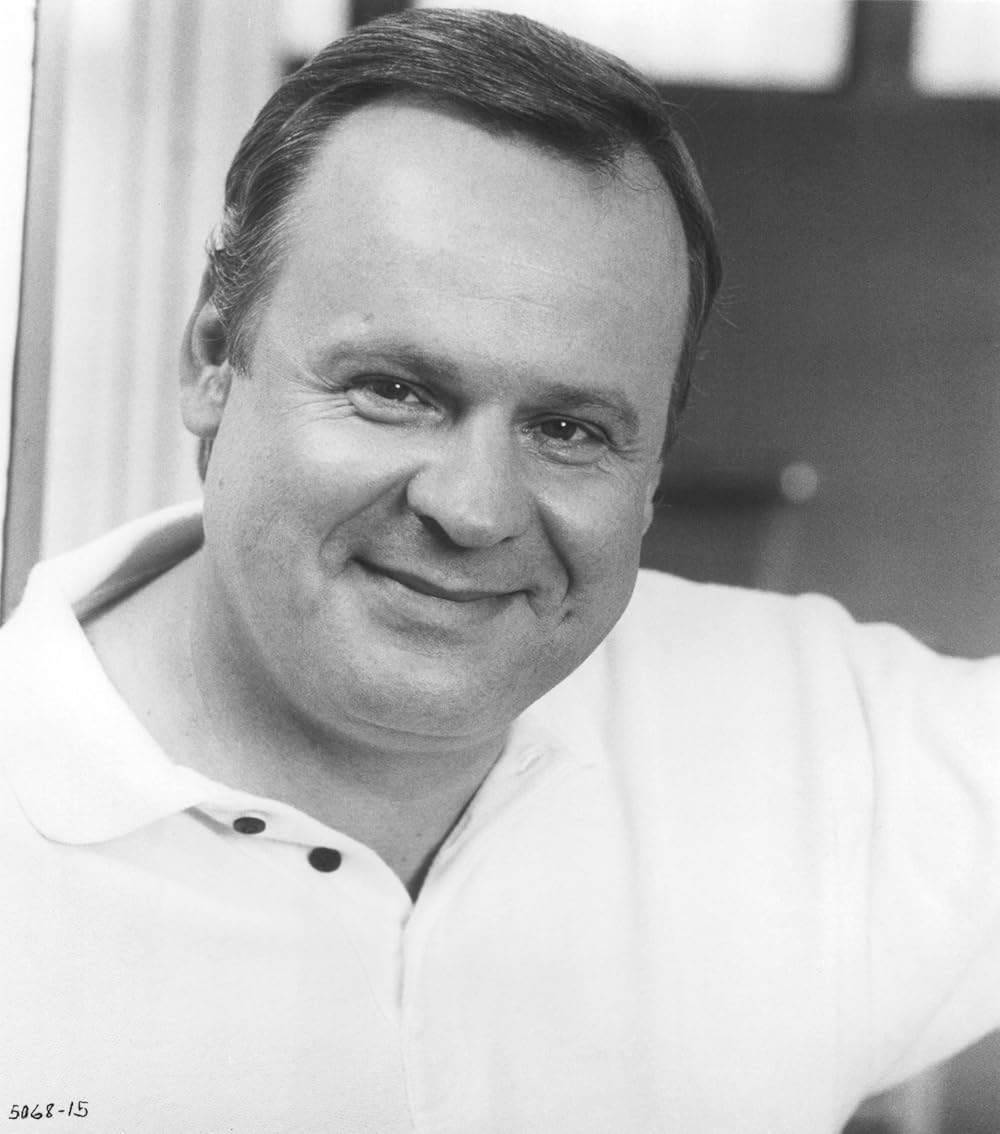
Eugene (George Dzundza)
Played by George Dzundza
A bank robber from New York traveling with his partner Osvaldo; their criminal past colors the comedy with a hint of danger as they navigate hotels and hitchhiking amid the Florida-bound crowd.
- 🗽 New Yorker
- 💥 Criminal
- 🚗 Road-tripper
- O(
Osvaldo (Joe Grifasi)
Played by Joe Grifasi
Eugene’s partner; another New York traveler who shares the duo’s rough-and-ready demeanor as they collide with other travelers in the road-mosaic of Ticlaw.
- 🗽 New Yorker
- 💥 Criminal
- 🤝 Partner
-
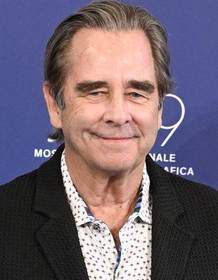
Duane Hansen (Beau Bridges)
Played by Beau Bridges
A Chicago copy machine repairman and aspiring children's book author; practical and anxious, he’s touring cross-country with ambitions that clash humorously with his situation.
- 🏷️ Midwesterner
- 📚 Aspiring author
- 🧭 Cross-country traveler
-

Carmen Odessa Shelby (Beverly D'Angelo)
Played by Beverly D'Angelo
A waitress carrying her deceased mother's ashes to Florida; her luggage is symbolic of memory and family as she joins a caravan heading toward Ticlaw.
- 🧾 Deceased mother's ashes
- 🍽️ Waitress
- ✈️ Florida-bound
-
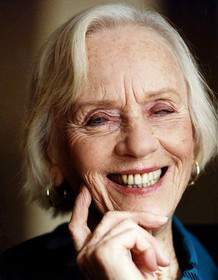
Carol (Jessica Tandy)
Played by Jessica Tandy
An elderly woman with a drinking problem traveling with her husband Sherm toward Florida retirement; a portrait of vulnerability, companionship, and aging on the road.
- 👵 Elderly traveler
- 🍷 Drinking problem
- 🚗 Retirement route
-
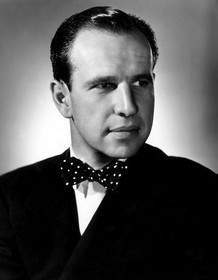
Sherm (Hume Cronyn)
Played by Hume Cronyn
Carol’s loving husband, providing steady support on the cross-country trip and offering a foil to the film’s more chaotic moments.
- 🤝 Husband
- 💖 Supportive
- 🚗 Road traveler
-

Sister Mary Clarise (Geraldine Page)
Played by Geraldine Page
A mother superior nun traveling with Sister Mary Magdalene; their presence adds a counterpoint of faith and discipline amid road comedy.
- 🙏 Nun
- 👭 Traveling companions
- ✝️ Spiritual
-
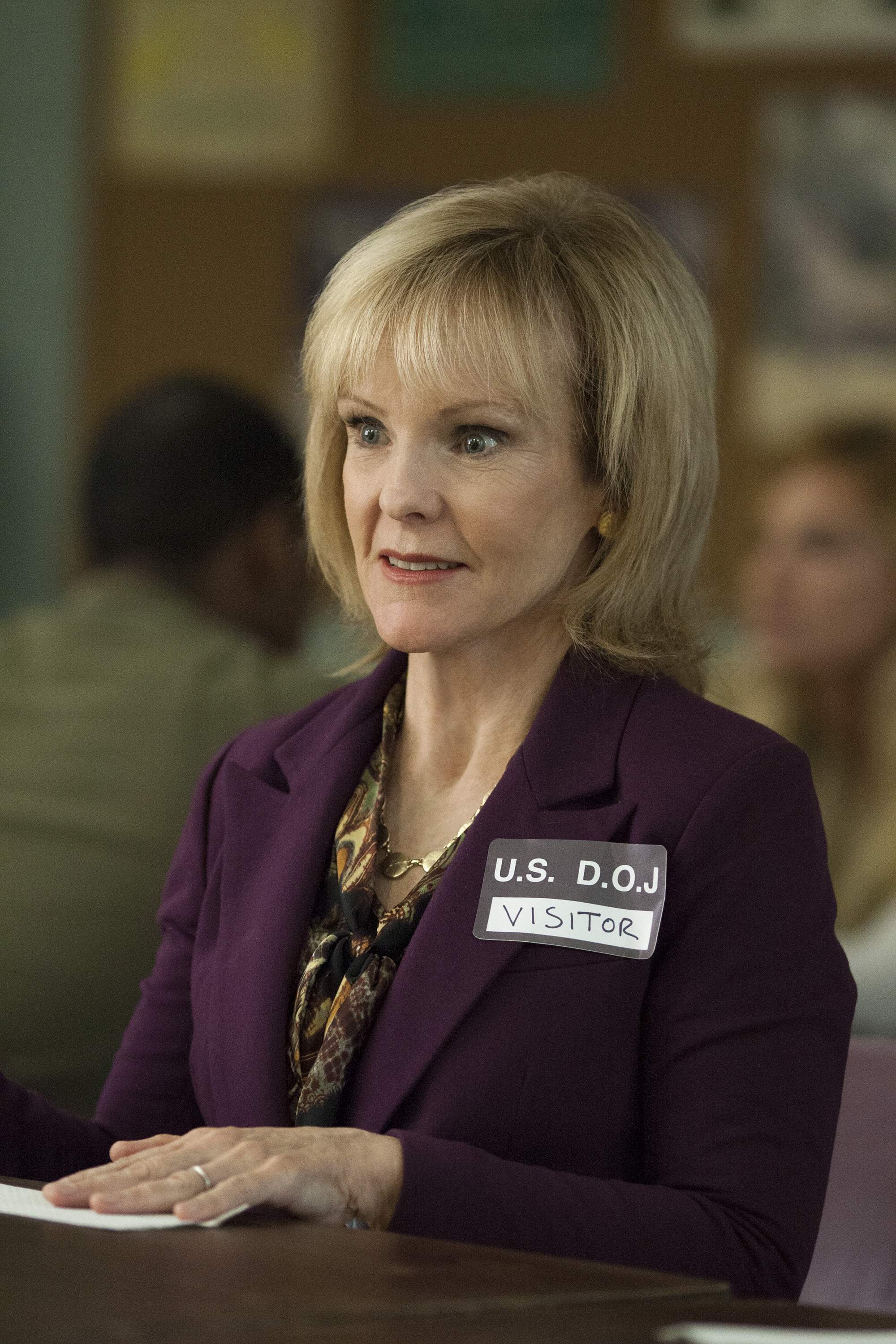
Sister Mary Magdalene (Deborah Rush)
Played by Deborah Rush
A novice nun accompanying Mary Clarise; her presence echoes themes of restraint, humor, and moral contrast in a sprawling road tale.
- 🙏 Novice nun
- 👭 Traveling companions
- ✝️ Spiritual
- TJ
T. J. Tupus (Paul Jabara)
Played by Paul Jabara
A wannabe country songwriter hauling wild animals to Ticlaw; his caravan embodies the film’s playful chaos and offbeat ambitions.
- 🎶 Songwriter
- 🦏 Wild animals
- 🚚 Cross-country
-

Hitchhiker (Daniel Stern)
Played by Daniel Stern
A cocaine-dealing hitchhiker picked up by Eugene and Osvaldo; his presence adds tension and a reminder of the era’s risk on the road.
- 🚶♂️ Hitchhiker
- 💊 Drug connection
- 🛣️ Road encounter
Where and When Is Honky Tonk Freeway Set?
Honky Tonk Freeway is set in Ticlaw and Florida (Early 1980s). Here is why the time and place matter to the story.
When
Early 1980s
The film unfolds in a contemporary early-1980s American setting, capturing highway-culture roadside humor and cross-country travel. The town and its visitors become a microcosm of suburban dreams and misadventures as a highway project reshapes daily life. The narrative follows interwoven vignettes rather than a single linear plot.
Where
Ticlaw, Florida
Ticlaw is a small Florida tourist town built around a quirky wildlife safari park and a water-skiing elephant named Bubbles. The town's main draw is its offbeat charm and the spectacle that attracts visitors to the area. When the state highway commission builds a freeway adjacent to Ticlaw but fails to deliver the off-ramp, locals respond by painting the town pink to lure more tourists.
- 🌴 Florida
- 🏖️ Tourist town
- 🐘 Wildlife attraction
- 🎭 Comedy setting
What Are the Themes of Honky Tonk Freeway?
3 ideas the story keeps returning to, among them Road Trip, Corruption and Convergence.
-
01
Road Trip
A string of travelers converges on Ticlaw, each with their own goals and quirks. The vignettes use the road to explore movement, desire, and the lure of a Florida getaway. The humor emerges from the unpredictable encounters and the shift between individual stories.
-
02
Corruption
A bribery scheme related to the freeway off-ramp reveals how money and petty politics shape small-town life. Characters jockey for advantage, exposing the gap between idealism and practical opportunism. The film satirizes the ways people bend rules for personal gain.
-
03
Convergence
Disparate travelers' stories collide, creating a mosaic of personalities and moral perspectives. The film emphasizes irony, miscommunication, and the contagious chaos of road-tripping America. It treats strangers as catalysts for each other’s comic and reflective moments.
What Kind of Film Is Honky Tonk Freeway?
Whimsical in tone, with fast pacing and a complex story, going by the plot summary.
- Tone
- Whimsical
- Pacing
- Fast
- Story
- Complex
- Intensity
- Medium
- Ending
- Happy
A frenetic and whimsical comedy that feels like a chaotic, lighthearted journey with an eccentric ensemble of characters whose absurd situations collide in a colorful, small-town setting.
- quirky
- chaotic
- lighthearted
- absurd
- energetic
- eccentric
- small town
- road trip
- ensemble cast
- misfits
Quiz
How well do you remember Honky Tonk Freeway? Test yourself on the story.