
Helter Skelter 1976

Directed by

Tom Gries
Made by

Helter Skelter Plot Summary
Read the complete plot summary and ending explained for Helter Skelter (1976). From turning points to emotional moments, uncover what really happened and why it matters.
Across a tightly wound investigation and courtroom drama, the film traces how police and prosecutors connect a string of brutal killings to the Manson Family and how those threads unravel through a series of confessions, trials, and public revelations. At the center, the enigmatic group led by Charles Manson becomes the all-encompassing focus as investigators chase similarities in the crime scenes—from bloody writings on walls to the brutal reach of the murders—while authorities initially pursue a drug-related angle rather than a cult-led conspiracy.
Linda Kasabian turns herself in on the warrant, a move that begins to shed light on the Tate residence killings. Her later testimony becomes a pivotal piece in the grand jury’s efforts to stitch together the Tate and LaBianca murders, as fingerprints from the crime scenes are matched to participants in the Manson Family. The film traces how her decision to cooperate intersects with the broader push to build a case against the group, even as opinion and fear swirl around the courtroom doors.
The narrative then widens to introduce Charles Manson and his circle as they move from the fringes toward the center of the investigation. The story shows how the Manson Family’s arrest warrants multiply and how the DA, Vincent Bugliosi, begins to assemble a compelling, evidence-backed narrative. A visit to Spahn Ranch by Bugliosi helps illustrate the contrast between the group’s mystique and the hard facts the investigators seek, including a revolver that links the crime to a carried weapon.
As the plot advances, the film reveals how rumors and prison conversations begin to surface. Inmates like Susan Atkins share chilling admissions about the Tate killings and other murders, prompting further arrests and the expansion of the charges. The other key members of the group—Patricia Krenwinkel, Tex Watson, and Leslie Van Houten—emerge as major players in the ongoing investigation and the mounting legal case.
The story then returns to the central courtroom arc. Bugliosi conducts ballistics tests that tie the weapon to a suspect and uses the testimonies he has gathered to build a case that spans multiple killings. The film also follows the way public attention is fueled by press coverage that tries to retrace the events as described in the newspapers, with reporters chasing the bloody clues reportedly discarded after the crimes. The tension between investigative momentum and courtroom strategy becomes a driving force as Bugliosi coordinates the grand jury and the investigation into who exactly bore responsibility.
A crucial turning point comes when Linda Kasabian provides detailed accounts of the Tate and LaBianca murders, despite repeated objections from defense counsel. The defense attempts to derail the proceedings through disruptions, but the overwhelming weight of the testimony and physical evidence pushes the case forward. The defendants, including Manson, are eventually directed to stand trial, with the proceedings highlighting the tension between a self-represented defendant and a seasoned prosecutor working to expose a shared motive and a clear chain of responsibility.
The finale of the trial scene emphasizes the scale of the charges and the psychological calculus behind the defense’s strategy. The courtroom’s atmosphere shifts as the judge and jury weigh the admissions and the defense’s arguments, culminating in a verdict that reflects both the brutality of the crimes and the complex interplay of fear, influence, and intent. Although the film notes that California later abolished the death penalty in 1972, rendering the convictions eligible for parole, the dramatic arc underscores the lasting impact of the case on the public imagination and the legal landscape.
In the end, the film presents a careful, documentary-like account of how investigators, prosecutors, defendants, and witnesses intersect in a landmark series of trials. It treats each step—from initial arrests and confessions to grand jury proceedings and final verdicts—with a sober respect for the complexity of the cases, the stubborn pursuit of truth, and the enduring shadows these events cast over a city and a nation.
Helter Skelter Timeline
Follow the complete movie timeline of Helter Skelter (1976) with every major event in chronological order. Great for understanding complex plots and story progression.
Garretson arrest and release
William Garretson is arrested following the discovery of Sharon Tate’s murders but is released three days later for lack of evidence. The police are unwilling to connect the Tate killings to the Hinman and LaBianca murders and instead pursue a drug-related angle for the Tate killings. This early arrest highlights the shaky link between the crimes and the investigation’s evolving focus.
Spahn Ranch raid and arrest
Police raid Spahn Ranch in an attempt to break up an auto theft ring and arrest Manson and his followers. The raid brings the Manson Family into the legal spotlight and foreshadows the sprawling legal battle to come. The tension between law enforcement and the commune escalates as investigators begin to connect them to the crimes.
Manson Family released; Barker Ranch leads
The Manson Family is released from prison and later two girls fleeing Death Valley tell police that the group has moved to Barker Ranch. Susan Atkins is alleged to be involved in the Hinman murder. The report fragments hint at a broader conspiracy and set the stage for later confessions and indictments.
Susan Atkins arrested and confesses
Susan Atkins is arrested and reveals to her fellow inmate Ronnie Howard that she personally killed Sharon Tate and was involved in eleven other killings. The confession expands the scope of the crimes and accelerates the pursuit of additional charges. Her statements draw investigators deeper into the Tate and LaBianca cases.
Bugliosi interviews DeCarlo; gun linked
Los Angeles DA Vincent Bugliosi interviews Danny DeCarlo, who tours Spahn Ranch and mentions a .22 caliber Buntline revolver matching the weapon used in the murders. This testimony provides a concrete weapon link and helps build the case against the Manson followers. The gun becomes a through-line for ballistics comparisons.
Homicide tip prompts bail strategy
Ronnie Howard calls the homicide division with Susan Atkins’s confession, prompting Bugliosi to seek a high bail for Manson so he can buy time to gather evidence for the grand jury. The tactic is a legal maneuver to delay trial while crucial evidence is assembled. The strategy influences how the prosecution builds its case.
Arrests warrants and Kasabian turns herself in
Bugliosi interviews the Manson Girls and secures arrest warrants for participants in the killings. Linda Kasabian surrenders to police, and fingerprints from Tex Watson and Patricia Krenwinkel are matched to those found at the Tate residence. The case gains formal traction as the investigation tightens.
Grand jury proceedings begin
During the grand jury proceedings, Susan Atkins provides full details of the Tate and LaBianca killings. As a result, Susan, Leslie Van Houten, Tex Watson, Patricia Krenwinkel, Linda Kasabian, and Charles Manson are all brought up on charges. The legal process accelerates toward a formal indictment and trial.
Media retrace and gun story
A reporter and photographer from KABC-TV retrace the events as reported in the newspapers and discover where the bloody clothes from the murders have been discarded. Steven Quint’s father asks about the revolver, but the police dismiss his inquiries, prompting him to share the story with the news media to embarrass investigators. The media coverage adds public pressure to solve the case.
Ballistics tie gun to Tate murder
Bugliosi uses ballistics testing to link the .22 revolver to the gun used on victim Jay Sebring. This forensic link solidifies the investigation’s gun-forensic narrative and supports the prosecution’s timeline. The weapon becomes a critical piece of the case against the defendants.
Manson represents himself; delay tactic
Manson chooses to represent himself at trial, and Bugliosi tricks him into requesting more time, giving investigators additional time to prepare a stronger case. The self-representation leads to a courtroom dynamic that complicates proceedings. The delay helps the prosecution fortify its strategy against the famed cult leader.
Paul Watkins and Helter Skelter
Bugliosi interviews former Manson Family member Paul Watkins, who explains Manson’s belief that the Beatles were sending him messages to spark a race war dubbed Helter Skelter. The testimony contextualizes the defendant’s mindset for the jury. It highlights the radical edge of the case and the prosecutor’s attempt to discredit Manson’s theories.
Courtroom disruptions and closing
During the trial, Linda Kasabian testifies about Tate and LaBianca despite repeated objections. At one point Manson lunges at the judge but is subdued. He demands to testify, but much of what he says undermines his defense. The defendants are ordered out of the courtroom during the closing arguments, underscoring the volatile atmosphere of the proceedings.
Death sentences and the 1972 repeal
Ultimately all defendants are sentenced to death, but California later eliminates the death penalty in 1972, making them eligible to apply for parole in the future. The sentencing marks the culmination of the trial, while the repeal changes the long-term fate of the convicts. The case remains a landmark in American legal history.
Helter Skelter Characters
Explore all characters from Helter Skelter (1976). Get detailed profiles with their roles, arcs, and key relationships explained.
Linda Kasabian (Marilyn Burns)
Linda Kasabian is depicted as a calm, observant witness who turns herself in and provides crucial details about the Tate and LaBianca murders. She becomes a key prosecution witness, linking the crimes to the Manson Family while not being one of the killers herself. Her testimony shapes the timeline and the grand jury proceedings.
Charles Manson (Steve Railsback)
Manson is portrayed as a charismatic yet dangerous leader who exerts control over his followers and steers the group toward violence. The film centers on his ideology, manipulation, and self-representation in court, highlighting how his worldview drives the crimes and the defense strategy.
Vincent Bugliosi (George DiCenzo)
Bugliosi is depicted as the methodical prosecutor who builds the case with interviews, ballistics tests, and grand jury strategy. He connects the physical evidence to the suspects and drives the courtroom prosecution. The portrayal emphasizes legal strategy, evidence-based persuasion, and the pursuit of justice.
Susan Atkins (Nancy Wolfe)
Susan Atkins is shown as a participant who later confesses to the Tate killings and reveals involvement in additional murders. Her statements influence the grand jury proceedings and the prosecution’s case, illustrating how inmates’ disclosures can alter the trajectory of a high-profile trial.
Patricia Krenwinkel (Christina Hart)
Patricia Krenwinkel is depicted as a devoted Manson follower who participates in the murders, shaping the trial narrative through her actions and defense challenges. The portrayal emphasizes her role within the group and the charges faced during the proceedings.
Tex Watson (Billy Durkin)
Tex Watson is shown as a central killer whose actions and fingerprints tie him to the Tate residence. The film emphasizes his complicity and the ideological grip of Manson's circle on him. His portrayal highlights the personal involvement in the crimes.
Leslie Van Houten (Cathey Paine)
Leslie Van Houten is depicted as a follower involved in the murders and later facing charges and trial. The portrayal focuses on her role within the group and the legal consequences that follow.
Helter Skelter Settings
Learn where and when Helter Skelter (1976) takes place. Explore the film’s settings, era, and how they shape the narrative.
Time period
Late 1960s – Early 1970s
The events span a period in the late 1960s through the early 1970s, a time of cultural upheaval and intense media attention in California. The Tate murders in 1969 and the subsequent trial define the era’s headline-grabbing crime narrative. Forensics and media scrutiny shape both the investigation and public perception during these years. The era's social tensions and legal changes frame how the case unfolds on screen.
Location
Los Angeles, Spahn Ranch, Barker Ranch, Death Valley
The narrative unfolds primarily around Los Angeles, anchored by the Tate residence and related police investigations. It also ventures to the Manson Family’s desert hideouts at Spahn Ranch and Barker Ranch, with Death Valley scenes tying fugitives to the pursuit. The film shifts between urban crime scenes and remote desert locations to trace the crimes to a single group.
Helter Skelter Themes
Discover the main themes in Helter Skelter (1976). Analyze the deeper meanings, emotional layers, and social commentary behind the film.
🔎
Investigation
The film follows the meticulous prosecutorial investigation led by Bugliosi, tracing connections from the Tate murder scene to the LaBianca killings. It highlights how ballistics, fingerprints, and witness testimony tighten the case against the Manson followers. The grand jury and courtroom strategy create a tense legal backdrop to the crimes. Procedural focus drives the drama as evidence accumulates.
🪄
Cult Influence
Manson’s influence over his followers drives the narrative, filtering violence through a manipulated worldview. The film explores manipulation, group dynamics, and how the belief system around Helter Skelter justifies horrific acts. It shows the danger of a charismatic leader shaping reality to fit a deadly agenda. The portrayal underscores the social danger of mass persuasion.
📰
Media & Public Perception
Reporters retrace the events through newspapers and live coverage, shaping the story as it unfolds. Media scrutiny amplifies sensational aspects and public fear, affecting investigative pressure. The documentary-style coverage, including crime photography and TV reports, turns the case into a national spectacle. Public opinion and media framing influence the trial atmosphere.

Coming soon on iOS and Android
The Plot Explained Mobile App
From blockbusters to hidden gems — dive into movie stories anytime, anywhere. Save your favorites, discover plots faster, and never miss a twist again.
Sign up to be the first to know when we launch. Your email stays private — always.
Explore the mobile appHelter Skelter Spoiler-Free Summary
Discover the spoiler-free summary of Helter Skelter (1976). Get a concise overview without any spoilers.
In the restless summer of the late 1960s, Los Angeles pulses with a clash of rebellion and order, a city where the hippie idealism of Sunset Strip meets the hard‑edge pragmatism of an overtaxed police department. The film opens on a tightly wound investigation that spirals into a sprawling courtroom drama, blending the stark, almost documentary feel of archival footage with a moody, atmospheric score that keeps the tension humming just beneath the surface. The world feels simultaneously familiar and alien, a place where the glitter of counter‑culture masks a deeper, unsettling undercurrent that the authorities are desperate to illuminate.
At the heart of the narrative sits Charles Manson, the enigmatic leader of a loosely organized group of young followers who have slipped from the fringe into the spotlight of a massive legal hunt. Opposite him, Linda Kasabian—once inside the circle—emerges as a reluctant witness whose decision to cooperate ignites a chain of revelations that the investigators struggle to piece together. Across the courtroom aisle, Vincent Bugliosi arrives as a seasoned district attorney whose methodical, evidence‑driven approach provides a steady counterpoint to the swirling rumors and sensational headlines that surround the case. Their uneasy interactions drive the film’s core, highlighting how personalities collide in a battle between myth and fact.
The tone remains sober yet compelling, never shying away from the era’s chaotic energy while maintaining a measured respect for the complexity of the legal process. Scenes shift between dimly lit interrogation rooms, the hushed reverence of a grand jury, and the charged atmosphere of a public trial, each shot rendered with a careful eye for texture and mood. By the film’s close, the audience is left with a lingering sense of how a confluence of ambition, fear, and cultural upheaval can reshape a city’s consciousness—without ever revealing the final resolution of the case.
Movies with Similar Twists and Themes
Uncover films that echo the narrative beats, emotional arcs, or dramatic twists of the one you're exploring. These recommendations are handpicked based on story depth, thematic resonance, and spoiler-worthy moments — perfect for fans who crave more of the same intrigue.
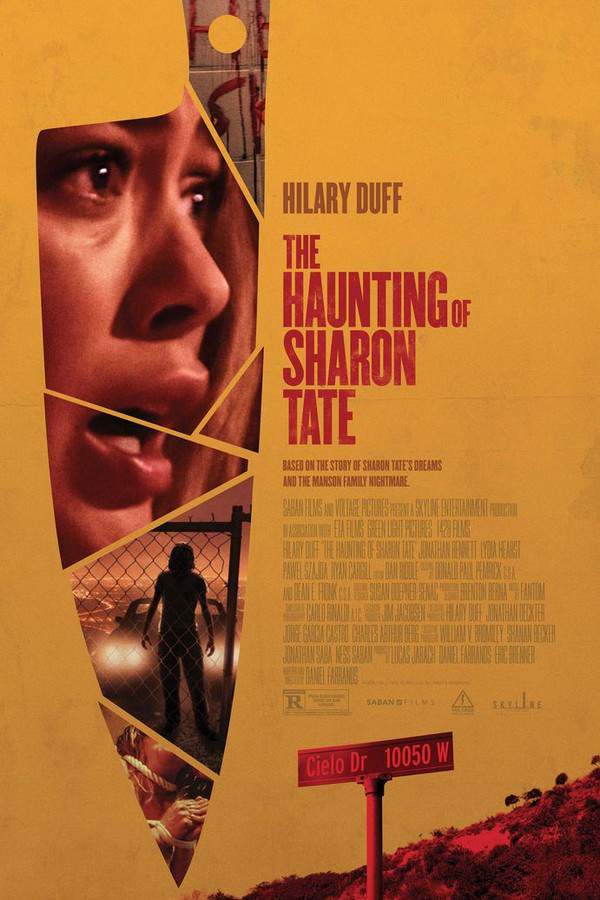



Featured on this page

What's After the Movie?
Not sure whether to stay after the credits? Find out!
Check out our other apps:

SAT Sphere
Build confidence for the Digital SAT.

Mori Atlas
Discover wild places worth protecting.

Luntero
Search smarter for a home in Amsterdam.

Plot Explained
Unravel movie endings and hidden clues.

Pokechamp
Dive into Pokémon data and battle logic.

Driving Theory
Get ready for your European theory test.

Movie Dust
Plan your next cinema trip with ease.

Musemap
Find art and culture as you travel.

Selkobase
Compare credentials before committing.

Local Manual
Turn an unfamiliar country into practical next steps.

Lernavi
Compare school systems before your next move.

GymRoam
Find a workout stop wherever your plans take you.
Explore Our Movie Platform
New Movie Releases (2026)
Famous Movie Actors
Top Film Production Studios
Movie Plot Summaries & Endings
Major Movie Awards & Winners
Best Concert Films & Music Documentaries
Movie Collections and Curated Lists
© 2026 What's After the Movie. All rights reserved.
Privacy Policy