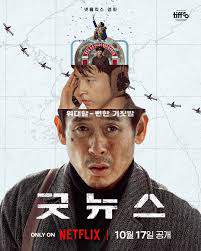
Good News 2025
Directed by

Sung-hyun Byun
Made by

Star Platinum
Good News Plot Summary
Read the complete plot summary and ending explained for Good News (2025). From turning points to emotional moments, uncover what really happened and why it matters.
In 1970, soon after taking off from Tokyo’s Haneda Airport toward Itazuke, the passenger plane Japanese Ride 351 is hijacked by members of Japan’s Red Army Faction, armed with guns, blades, and a bomb vest. The hijackers, who call themselves Ashita no Joe, demand to be flown to Pyongyang in North Korea so they can organize other Japanese dissidents into a revolutionary force aimed at toppling the Japanese government. Captain Takehiro Kubo notes that he and his copilot don’t know Pyongyang’s location or the air traffic control frequency, and he misleads the hijackers about how much fuel remains, claiming it isn’t enough to reach Pyongyang. The hijackers permit a landing at Itazuke for refueling and to obtain a map, but Japanese authorities hesitate to act for fear of endangering the hostages. A Japan Air Self-Defense Force fighter jet stalls for time, the elderly and vulnerable are released, and yet the plane is allowed to depart for Pyongyang with 106 Japanese hostages aboard.
Meanwhile, Nobody, the KCIA’s best fixer, is pulled into the crisis with a mission to secure the hostages and earn South Korea international credit. He recruits Lt. Seo Go-myung of the ROK Air Force, one of the few personnel trained in the RAPCON system, to pose as a North Korean air traffic controller and guide the hijacked plane toward Seoul. Seo and a North Korean Air Force counterpart race to use an emergency public frequency, but Seo is quicker, and the pilots switch to the South Korean frequency, steering the plane to Gimpo International Airport.
On the ground, Nobody arranges for Gimpo to be disguised as Pyongyang International Airport and brings in propaganda film actors to play soldiers and dancers for a North Korean welcome party. When Japanese Ride 351 lands, the hijackers quickly spot inconsistencies—a real American airliner among the hangars, an African-American officer at a window, and Louis Armstrong’s music on the radio—and the ruse falls apart, trapping the plane in a tense stand-off.
That night, Seo boards the plane to hear the hijackers’ demands. One hijacker wounds the lead hijacker to prove their resolve, explaining that if the flight does not resume to Pyongyang before noon the next day, the bomb vest will be detonated. Seeing officials scrambling to avoid responsibility by offering a Pyongyang option, Director Park Sang-hyeon weighs a delicate negotiation to secure the hostages’ release, while the hijackers dismiss the gesture as yet another ruse.
As the deadline draws near and the government braces for political backlash, Nobody convinces Japanese Deputy Minister Shinichi Ishida to volunteer as a hostage in exchange for the passengers’ freedom. The hijackers accept, and Japanese Ride 351 lifts off toward North Korea. In a later reckoning, Nobody tells Seo that the minister and pilots were returned safely and that the hijackers’ weapons were bogus, revealing that the Red Army Faction effectively hoodwinked both Tokyo and Seoul. South Korea’s leadership wants to veil the full extent of government involvement, leaving Seo without public recognition. Yet Nobody’s work is not in vain: he gains South Korean citizenship and a new name of his choosing—Choi Go-myung.
Good News Timeline
Follow the complete movie timeline of Good News (2025) with every major event in chronological order. Great for understanding complex plots and story progression.
Hijacking of Japanese Ride 351
In 1970, the passenger plane Japanese Ride 351 is hijacked by members of Japan's Red Army Faction. The hijackers demand to be flown to Pyongyang, North Korea, and the crew quickly realizes neither pilots nor controller knowledge can satisfy this. The hijackers threaten with a bomb vest, and Captain Takehiro Kubo and his co-pilot lie about fuel to stall them.
Refuel stop at Itazuke
The hijackers allow the plane to land at Itazuke to refuel and to obtain a map. The crew tries to maintain control as authorities hesitate to act for fear of endangering hostages. A Japan Air Self-Defense Force fighter jet is positioned to stall for time.
Plane departs toward Pyongyang
After the refuel and map acquisition, the hijackers insist on continuing toward Pyongyang with 106 hostages aboard. The crew complies as political pressures mount, and the plane becomes a hostage-laden vehicle toward North Korea.
KCIA intervenes with plan
In Seoul, the Korean Central Intelligence Agency learns of the hijacking. Director Park Sang-hyeon assigns Nobody, an undocumented NK defector, to rescue the hostages to gain international goodwill and leverage the Japanese government.
Nobody recruits Seo Go-myung
Nobody recruits Lt. Seo Go-myung of the ROK Air Force to play a North Korean air traffic controller and mislead the hijackers into thinking they are being guided toward Pyongyang. Seo agrees to participate to secure the hostages' release.
The control scheme takes shape
Seo and a North Korean Air Force counterpart attempt to contact the hijacked plane via emergency frequencies. Seo succeeds in switching the plane from the hijackers’ frequency to the South Korean frequency, enabling a change of course toward Seoul.
Gimpo landing and disguise as Pyongyang
The plane lands at Gimpo International Airport, where Nobody has arranged for the facility to resemble Pyongyang's airport. Propaganda actors, soldiers, and dancers are staged to greet the passengers, in an audacious ruse to secure the hijackers' compliance.
Hijackers spot the ruse
The high-strung hijackers quickly notice oddities: an American airliner nearby, an African-American officer eating at a window, and Louis Armstrong music on the radio. Realizing the deception, they become suspicious and the situation devolves back into a stand-off.
Night negotiation and threat
That night, Seo is sent aboard to hear the hijackers’ demands. One hijacker stabs the lead to prove resolve, and the group threatens to detonate if no flight resumes to Pyongyang by noon the next day.
Public pressure and the false news ploy
Nobody sabotages the crisis with strategic misinformation, planting a false report that a hostage is of Korean descent to spark public outcry. The move pressures the government to secure presidential approval before the deadline, attempting to avoid blame.
Hostage swap proposed
As time runs out, Nobody convinces Deputy Minister Shinichi Ishida to offer himself as a hostage in exchange for the passengers’ freedom. The hijackers accept, and a hostage swap is arranged, allowing the plane to depart for Pyongyang.
Departure to North Korea
The Japanese Ride 351 takes off bound for North Korea after the swap. The authorities celebrate the safe return of the minister and crew, yet the hostage crisis ends with a staged success rather than genuine rescue.
Revelation of the ruse
Nobody later reveals that the hijackers’ guns and explosives were fake and that they never intended to harm the hostages. The Red Army Faction used the crisis to manipulate both Japanese and Korean authorities for publicity and leverage.
Political cover-up in South Korea
South Korea aims to conceal its level of involvement in the crisis, presenting the Gimpo landing as a mistaken misdirection rather than an orchestrated operation. The operation's true nature remains a public secret.
Rewards and new identities
Nobody is rewarded with South Korean citizenship and a new name, Choi Go-myung, for his role in the operation. Seo receives no official recognition, but he is given a presidential watch as a personal consolation.
Good News Characters
Explore all characters from Good News (2025). Get detailed profiles with their roles, arcs, and key relationships explained.
Nobody (Choi Go-myung)
An undocumented North Korean defector and the KCIA's best fixer. He orchestrates rescue operations from the shadows, using patient planning and manipulation of both Japanese and Korean authorities. His actions steer the crisis toward a hostage swap and a political calculation that preserves his new identity.
Seo Go-myung
ROK Air Force lieutenant tasked with guiding the hijacked plane to safety. He leverages technical know-how with careful diplomacy, navigating political pressures to ensure a covert rescue operation while avoiding public scrutiny.
Park Sang-hyeon
Director of the KCIA who weighs public image against crisis resolution. He negotiates from a distance, balancing national security concerns with the desire to avoid blame for any misstep.
Captain Takehiro Kubo
Captain and pilot of Japanese Ride 351; he deceives the hijackers about fuel and coordinates with authorities, initially treating the crisis as a tactical standoff rather than a straightforward rescue.
Senior Master Sergeant Galloway
US senior non-commissioned officer involved in the ground operation and coordination with allies. He provides military discipline and perspective on how the crisis should be managed from an international angle.
American Officer
A US military officer invested in the outcome of the crisis, representing allied interests and contributing to the negotiation dynamics behind the scenes.
US Soldier
A U.S. military figure on the scene who participates in the operation and supports the hostage rescue and post-crisis handling.
Hijacker Leader
Young hijacker who leads Ashita no Joe, driven by a demand to reach Pyongyang and demonstrate radical resolve.
US Soldier
Another U.S. soldier on site, contributing to the operation and the layers of international involvement in the crisis.
Good News Settings
Learn where and when Good News (2025) takes place. Explore the film’s settings, era, and how they shape the narrative.
Time period
1970
Set in 1970, a year marked by Cold War tensions, regional strife in East Asia, and high-profile political hijackings. The era's media soundbites and public opinion drive how authorities respond. The crisis illustrates the fragile balance between saving hostages and avoiding political blame.
Location
Itazuke Air Base, Gimpo International Airport, Pyongyang, Seoul
The hijack unfolds from Itazuke Air Base in Japan, where authorities stall action while refueling. Gimpo International Airport in Seoul is temporarily transformed into a Pyongyang lookalike to fool the hijackers. The crisis also touches Pyongyang and the wider Korean peninsula, reflecting cross-border political stakes during the Cold War.
Good News Themes
Discover the main themes in Good News (2025). Analyze the deeper meanings, emotional layers, and social commentary behind the film.
🎭
Deception
The hijackers are manipulated by false signals and staged environments, from a pretend Pyongyang to a mock Gimpo welcoming party. Nobody engineers information operations, using fake broadcasts to shape public perception and pressure governments. The film centers on appearances versus reality as the crisis unfolds.
🏛️
Power & Government
KCIA and other authorities juggle accountability and public pressure while negotiating with extremists. The crisis shows how political calculations can override humanitarian concerns, with real consequences for hostages and for who gets credit. Deals are made behind closed doors, highlighting opacity in state power.
🕰️
Time Pressure
A ticking clock drives every decision, with deadlines that shift and negotiators racing to influence outcomes before noon. The time constraint exposes the limits of negotiation and the fragility of plans. The resolution hinges on timing as much as strategy.

Coming soon on iOS and Android
The Plot Explained Mobile App
From blockbusters to hidden gems — dive into movie stories anytime, anywhere. Save your favorites, discover plots faster, and never miss a twist again.
Sign up to be the first to know when we launch. Your email stays private — always.
Explore the mobile appGood News Ending Explained
Unravel the ending of Good News (2025) with our detailed explanation. Understand the final scenes, character fates, and unresolved questions.
In the climax the hijacked Flight 351 sits on the tarmac of Gimpo, a bomb ticking down to noon. The Red Army fighters have already wounded their own leader, using his injury as a deadline: if the plane is not allowed to leave for Pyongyang, they will blow it up, killing everyone on board. Lieutenant Seo Go‑myung, the only air‑force officer still willing to approach the aircraft, decides to walk toward the cabin alone, showing the hijackers that at least one man is prepared to die for the passengers.
At the same moment Deputy Transport Minister Shinichi Ishida, urged by the scheming advisor “Nobody,” steps forward and offers himself as a hostage in exchange for the 100‑plus civilians. His unexpected surrender convinces the radicals that a representative of the Japanese government is actually siding with the people rather than the corporate elite.
Moved by the two gestures, the hijackers release the hostages, board the plane with Ishida and the two pilots, and depart for Pyongyang. The aircraft lands safely, and Ishida, along with the crew, is later returned to Japan. Subsequent revelations show that the weapons the Red Army carried were mostly dummy – the only real threat was a pair of katanas – so a catastrophe was narrowly averted.
The ending therefore hinges on personal sacrifice: Seo’s willingness to face certain death and Ishida’s self‑offering force the militants to choose negotiation over annihilation, allowing the passengers to survive and the political crisis to be defused.
Good News Spoiler-Free Summary
Discover the spoiler-free summary of Good News (2025). Get a concise overview without any spoilers.
In the heat of 1970’s geopolitical chessboard, a Japanese commercial airliner is seized by a radical faction and diverted toward Pyongyang, thrusting three nations into a volatile standoff. The aircraft becomes a floating arena where ideologies clash, borders blur, and the fragile balance of Cold‑War diplomacy is tested. The atmosphere crackles with urgency, as governments scramble to manage a crisis that could ignite far‑reaching repercussions across East Asia.
Enter the shadowy figure of Nobody, the Korean Central Intelligence Agency’s most elusive operative. Assigned by the agency’s stoic leader, Park Sang‑hyeon, Nobody is summoned to engineer a covert solution that could both rescue the hostages and enhance South Korea’s standing on the world stage. His reputation is built on anonymity and precision, and his presence infuses the narrative with a blend of intrigue and quiet menace, promising a clandestine game of wits that unfolds above and below the clouds.
To pull off the delicate maneuver, Park Sang‑hyeon enlists a young but highly skilled officer of the Republic of Korea Air Force, Lt. Seo Go‑myung. Seo’s expertise with the RAPCON system marks him as an indispensable asset, and his partnership with Nobody creates a tension‑filled dynamic of methodical planning against improvisational instinct. Their collaboration hints at a precarious dance of trust and secrecy, as each must navigate not only the technical challenges of the flight but also the political minefields surrounding the hijacking.
The film’s tone is a sleek, tension‑laden thriller that weaves period‑specific details with a modern sensibility, immersing the audience in a world where every decision reverberates through airports, control towers, and diplomatic corridors. Through crisp visuals, restrained performances, and an ever‑present sense of looming danger, the story invites viewers to linger on the quiet calculations behind high‑stakes espionage, leaving the outcome of the mission as an open question that lingers long after the credits roll.
Movies with Similar Twists and Themes
Uncover films that echo the narrative beats, emotional arcs, or dramatic twists of the one you're exploring. These recommendations are handpicked based on story depth, thematic resonance, and spoiler-worthy moments — perfect for fans who crave more of the same intrigue.
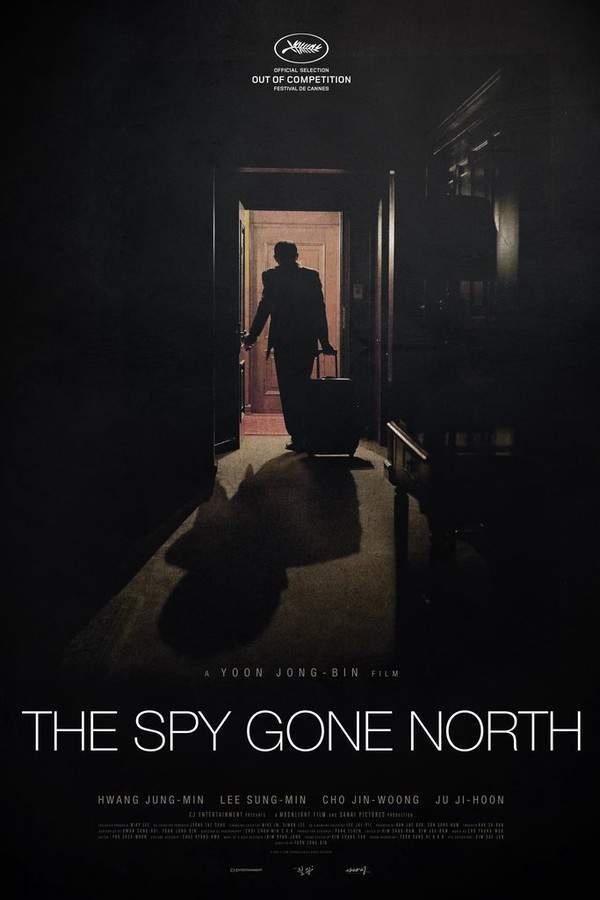

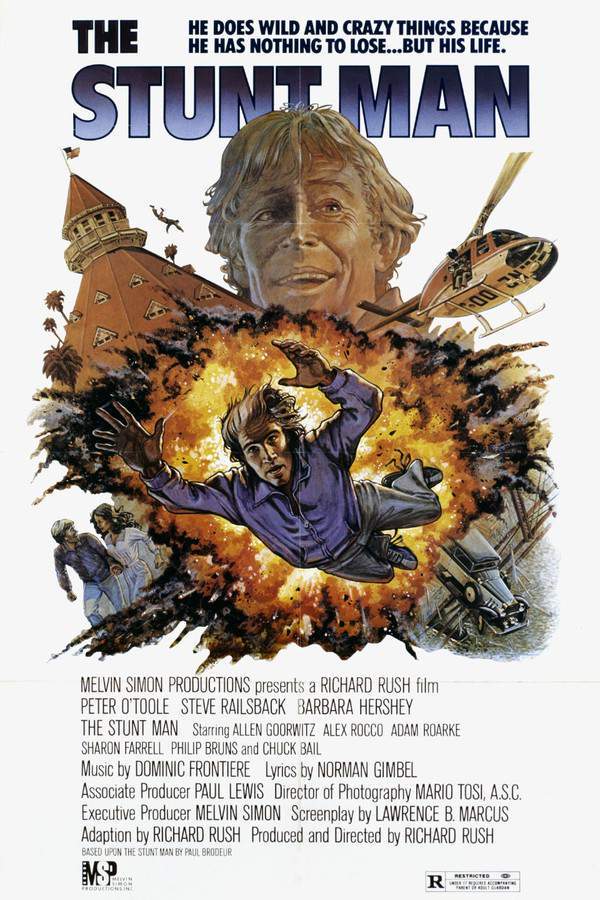
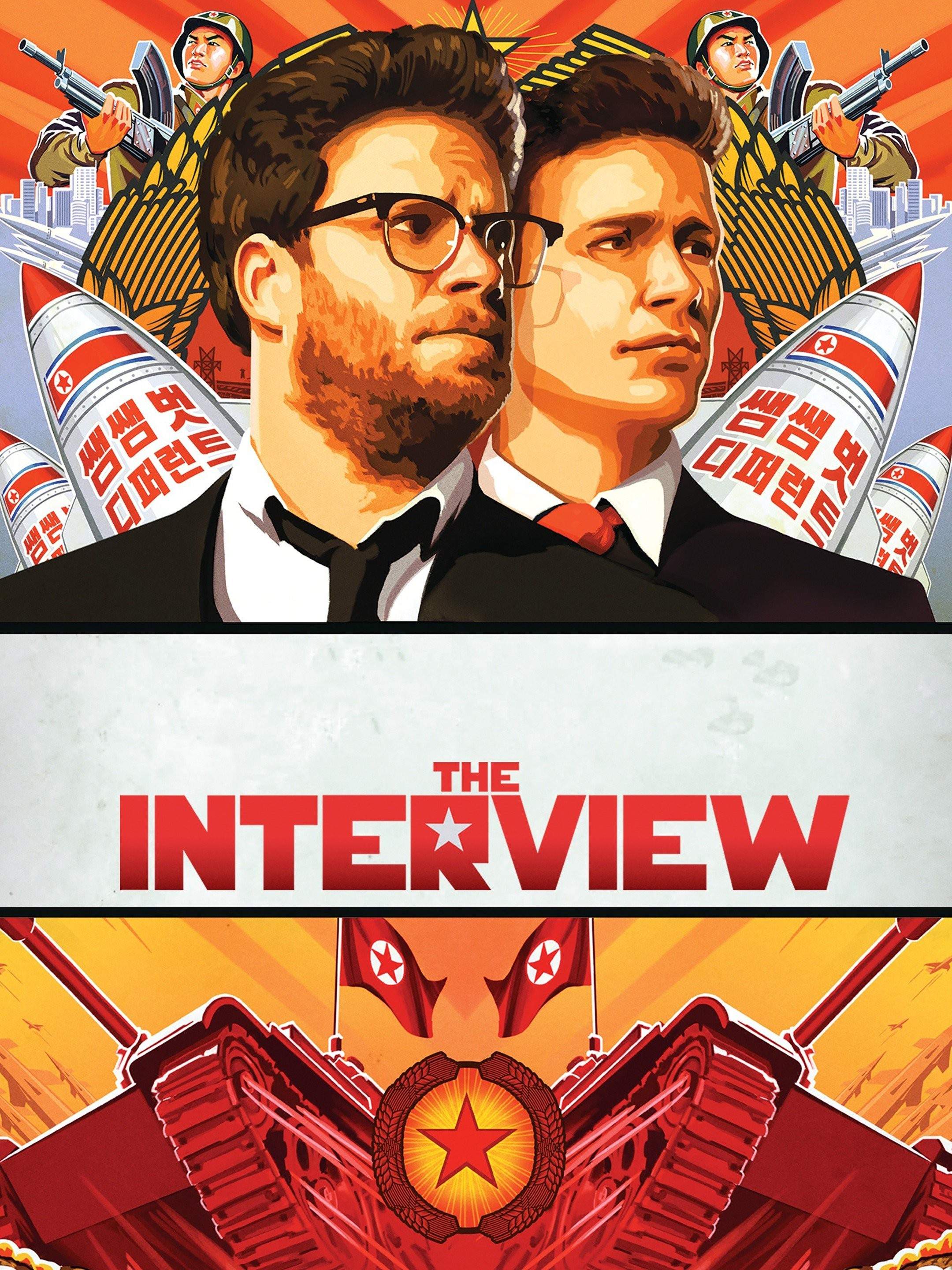



Featured on this page

What's After the Movie?
Not sure whether to stay after the credits? Find out!
Check out our other apps:

SAT Sphere
Build confidence for the Digital SAT.

Mori Atlas
Discover wild places worth protecting.

Luntero
Search smarter for a home in Amsterdam.

Plot Explained
Unravel movie endings and hidden clues.

Pokechamp
Dive into Pokémon data and battle logic.

Driving Theory
Get ready for your European theory test.

Movie Dust
Plan your next cinema trip with ease.

Musemap
Find art and culture as you travel.

Selkobase
Compare credentials before committing.

Local Manual
Turn an unfamiliar country into practical next steps.

Lernavi
Compare school systems before your next move.

GymRoam
Find a workout stop wherever your plans take you.
Explore Our Movie Platform
New Movie Releases (2026)
Famous Movie Actors
Top Film Production Studios
Movie Plot Summaries & Endings
Major Movie Awards & Winners
Best Concert Films & Music Documentaries
Movie Collections and Curated Lists
© 2026 What's After the Movie. All rights reserved.
Privacy Policy