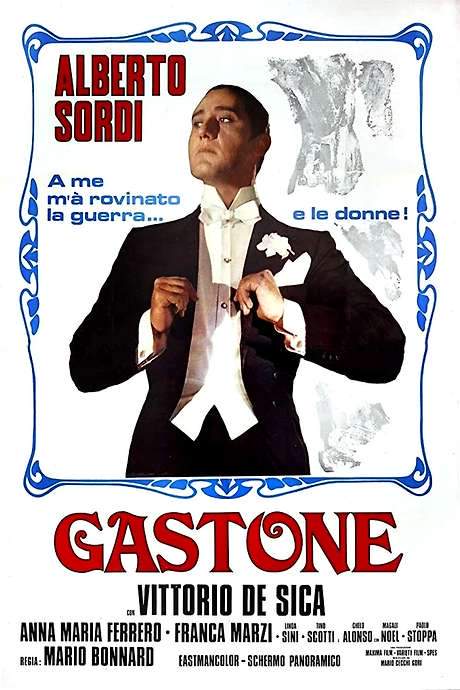
Gastone 1960

Directed by
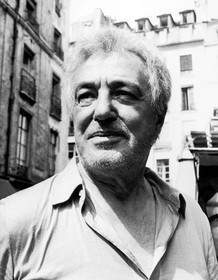
Vittorio De Sica
Made by

Maxima Film
Gastone Plot Summary
Read the complete plot summary and ending explained for Gastone (1960). From turning points to emotional moments, uncover what really happened and why it matters.
Italy, in the 1920s, the aftershocks of war feel distant as the glow of the tabarin spills into the night. Gastone, Alberto Sordi, a celebrated danseur mondain, glides across the floor in a perfectly cut tailcoat, entertaining the wealthy ladies who fill the club with glitter and whispered admiration. The scene is a portrait of style and desire, where every step is a mock salute to fortune and every smile a transaction. Yet beneath the polished surface, Gastone is a frivolous and artless figure, a well-known scammer who has learned to thrive on attention rather than genuine connection, chasing a lasting glory that the Great War never gave him.
He moves through a culture of brazen charm, surrounded by a cast of fatuous and sometimes dishonest characters—princes, loan sharks, and La signora—who all feed the glittering illusion that fame can cover every wound. In this world of extravagance and risk, Gastone’s appetite for admiration grows and hardens into a single, stubborn ambition: to be the center of a theatre where the spotlight never fades. It is in this climate that a new student arrives at his makeshift dance school: Nannina Anna Maria Ferrero, a young maid with noble roots who is as gifted as she is determined. She is not just a pretty presence in the club’s orbit; she is a dancer with real skill and a fire to prove herself, and she quickly becomes a catalyst for change in Gastone’s life.
Seeing in Nannina a potential partner who could lift the club to new heights, Gastone convinces himself that he has found the perfect new star. Yet fate has its own plan. A complaint lands Gastone at the police station, while Nannina rises as a solo performer under a new identity, Anna La Belle, and garners widespread acclaim. Her breakthrough is swift and dramatic, a testament to talent meeting opportunity, and soon she commands attention across Europe’s theatres and clubs. The transformation is not merely a personal victory; it alters the power dynamics of a scene that once seemed to belong entirely to Gastone. The ascent is aided by a famous impresario, whose belief in Nannina helps propel her to the pinnacle of show business, even as Gastone watches his own star dim.
As Nannina’s star climbs, Gastone struggles to adapt to the changing tastes of audiences who crave something newer, brighter, and more modern than his glossy world could offer. The era’s mood shifts, and the old charm begins to seem exhausted, leaving Gastone to confront a slow, painful fade. His pride, however, remains intact even as his fortunes decline. The scene shifts to a second-rate club where Gastone turns to another old flame, Rosa, to recapture a spark of the past. Rosa, played by Franca Marzi, remains loyal, yet the reunion cannot salvage the widening rift between the man he is and the era that has moved on.
The final act is bleak and telling: the last performance turns into a total fiasco, and the bel danseur finds himself reduced to poverty. Yet even in defeat, a stubborn vanity lingers. His consolation is the hope—perhaps naïve, perhaps deeply human—that he might see Nannina one last time. He steps away from the lights with a quiet, solitary conviction: that he remains, in some essential sense, the most beautiful and desired, even as the world around him has already moved beyond his era.
Gastone Timeline
Follow the complete movie timeline of Gastone (1960) with every major event in chronological order. Great for understanding complex plots and story progression.
Gastone's refined act at the Tabarin
At the Tabarin, Gastone, known as Gaston Le Beau, moves across the floor with effortless elegance, charming the wealthy ladies in attendance. The persona is a polished showman, but the man behind it is a frivolous and artless schemer who craves lasting glory. The Great War robbed him of the triumph he yearns for, leaving a glittering shell waiting for its moment.
A circle of fatuous aristocrats and hustlers surrounds him
Within the club's glittering circle, Gastone rubs shoulders with princes, loan sharks and social climbers who feed his vanity. He dreams of more than dancing, steering his life toward fame and recognition. The world around him—built on appearances—offers him a path, and he pursues it with relentless showmanship.
Nannina arrives and joins Gastone's improvised school
A new student, Nannina, enters as a maid with noble connections but reveals herself as an exceptionally talented dancer. She is ambitious and determined, more than a mere decorative asset. Gastone sees in her the potential to become the club's next star.
Gaston's plan to promote Nannina; a partnership forms
Gastone imagines Nannina as his long-awaited breakout star and begins to cultivate her talent. They train together, and the plan briefly sows the seed of real success. The idea that he might finally ride to glory with her seems within reach.
Gaston is detained by the police
During a scene, Gastone is suddenly taken to the police station for a complaint. The incident shocks the couple and shifts the balance of power toward Nannina. It marks a turning point as she moves into the spotlight with growing momentum.
Nannina becomes a star with a solo debut
Nannina takes the stage solo and quickly wins widespread acclaim. Using the stage name Anna La Belle, she earns a huge following and becomes the public's darling. Her rise signals a new era in the club and beyond.
An impresario launches Nannina's European ascent
With the help of a famous impresario, Nannina's solo career explodes across Europe's most renowned theaters and clubs. Her ascent showcases a shift in taste toward fresh talent. The old guard struggles to keep up as she dominates the spotlight.
Gaston watches tastes change and fades
Meanwhile, public tastes shift, and Gastone's glossy world begins to sunset. He fails to adapt to the new landscape that favors newer stars and different form of spectacle. The era he symbolizes starts slipping away from him.
Gaston becomes forgotten and penniless
Gaston is forgotten and penniless, a shadow of his former self. He grapples with the realization that his era has passed and confronts the starkness of his decline. The dream of glory evaporates into memory.
A last-ditch return to a second-rate club with Rosa
Seeking one final chance, he returns to perform in a second-rate club alongside Rosa, his old flame. The glamour of old days contrasts with the modest surroundings, underscoring his fall from grace. He clings to the hope that a spark of past magic might reappear.
The last performance turns into a fiasco
The final show devolves into a total fiasco, leaving Gastone crushed and humiliated. Yet the night pollutes rarely leaves him empty-handed; he clings to a faint consolation, the thought of seeing Nannina again. The fall completes in a spectacle of failure and fragile pride.
A bittersweet resolution: he remains the most desired
After the fiasco, Gastone wanders the edges of the scene with a stubborn conviction: he is still the most beautiful and desired. He hopes to glimpse Nannina one last time, clinging to a dying sense of glamour. The curtain falls on his self-delusion as the era ends for him.
Gastone Characters
Explore all characters from Gastone (1960). Get detailed profiles with their roles, arcs, and key relationships explained.
Gastone (Gaston Le Beau)
A renowned and stylish danseur mondain who lives for admiration. He embodies glamour and confidence but is ultimately a manipulative figure who values prestige over substance. His early success blinds him to changing tastes, setting up a dramatic fall as the world moves on.
Nannina (Anna La Belle)
An ambitious, talented dancer who joins Gastone's circle and rises to become a celebrated star across Europe. She starts as a maid with noble access and uses her skill to redefine her identity. Her ascent contrasts with Gastone's decline, marking a turning point in the story.
Rosa
An old flame who remains devoted as the club's glamour shifts elsewhere. She represents memory, loyalty, and the personal costs of chasing fame. Her presence anchors Gastone's world and underscores the sacrifices behind public success.
Manager/Impresario
The behind-the-scenes force who orchestrates performances and guides careers. His scheming accelerates Nannina's rise while testing Gastone's pride, embodying the mercenary side of show business.
Commissario di Polizia
A police official who interrupts Gastone's schemes, representing the law's reach into the glittering world of clubs and performances. His presence brings tension and consequence to the pursuit of fame.
Gastone Settings
Learn where and when Gastone (1960) takes place. Explore the film’s settings, era, and how they shape the narrative.
Time period
1920s
The events take place in the early to mid-1920s, a period of postwar glamour and shifting cultural tastes. This era sees a rise in modern entertainment and celebrity culture, where performances and reputations can be built overnight. The mood is a mix of glitter and instability, setting the stage for a dramatic rise and fall.
Location
Italy
Set in Italy during the 1920s, the story unfolds around glamorous dance clubs and venues like the tabarin where Gastone performs for a wealthy, admiring audience. The backdrop is a society enamored with spectacle, luxury, and public image. It emphasizes a world of high-society salons, theatres, and the undercurrent of opportunism that fuels the entertainment scene.
Gastone Themes
Discover the main themes in Gastone (1960). Analyze the deeper meanings, emotional layers, and social commentary behind the film.
✨
Ambition
Fame drives Gastone to chase glory at any cost. He clings to his polished image and elegant persona, believing success will come through conjuring admiration. The narrative tracks how ambition can propel a persona forward even when genuine talent and integrity are lacking.
🎭
Illusion vs Reality
The shimmering world of dance floors and high society hides manipulation and self-deception. Nannina's ascent contrasts with Gastone's hollow bravado, illustrating how public personas can be manufactured for applause. The impresario and the police presence show the thin line between spectacle and consequence.
🕰️
Ephemeral Fame
Public tastes shift quickly, turning yesterday's darling into yesterday's memory. The film shows Gastone's decline as audiences move toward new stars. The journey highlights how fleeting fame can be and the poverty and disillusionment that can follow if one cannot evolve.

Coming soon on iOS and Android
The Plot Explained Mobile App
From blockbusters to hidden gems — dive into movie stories anytime, anywhere. Save your favorites, discover plots faster, and never miss a twist again.
Sign up to be the first to know when we launch. Your email stays private — always.
Explore the mobile appGastone Spoiler-Free Summary
Discover the spoiler-free summary of Gastone (1960). Get a concise overview without any spoilers.
In the bright yet restless interwar years of 1920s Italy, the night air of the city’s cabarets shimmers with the promise of spectacle. Vaudeville sketches serve as warm‑up acts to the new glow of cinema, and the lavish clubs that line the streets pulse with a blend of glittering fashion and a lingering post‑war yearning. The atmosphere is one of polished excess, where each laugh and applause feels both a celebration and a distraction from the lingering shadows of a recent conflict.
Gastone glides through this world as the quintessential dandy—a danseur mondain whose immaculate tailcoat and effortless charm make him the darling of the affluent ladies who populate the tables. Beneath his flamboyant exterior lies a restless desire for adoration, an ambition to remain forever at the center of the stage’s spotlight. He navigates a circle of aristocrats, opportunists, and fellow performers, trading wit and swagger for the fleeting reverence of a crowd that craves novelty as much as it cherishes tradition.
When a young maid of noble lineage arrives at his makeshift dance school, the balance shifts. Nannina possesses a fierce talent and a determination that glitter cannot conceal, and her presence hints at a fresh rhythm that could redefine the very performances that have long been Gastone’s domain. Her arrival promises an intriguing clash of seasoned bravado and raw, unpolished brilliance, suggesting that the glittering façade of the era may soon be challenged from within.
Amid the swirl of applause and dwindling fortunes, an old flame reappears, embodying the lingering echoes of a past that refuses to fade quietly. Rosa offers a glimpse of familiarity and loyalty, yet her return also underscores the inevitable tension between clinging to former glories and confronting a world that is subtly, inexorably moving beyond the gilded stage that once defined it.
Movies with Similar Twists and Themes
Uncover films that echo the narrative beats, emotional arcs, or dramatic twists of the one you're exploring. These recommendations are handpicked based on story depth, thematic resonance, and spoiler-worthy moments — perfect for fans who crave more of the same intrigue.


Featured on this page

What's After the Movie?
Not sure whether to stay after the credits? Find out!
Check out our other apps:

SAT Sphere
Build confidence for the Digital SAT.

Mori Atlas
Discover wild places worth protecting.

Luntero
Search smarter for a home in Amsterdam.

Plot Explained
Unravel movie endings and hidden clues.

Pokechamp
Dive into Pokémon data and battle logic.

Driving Theory
Get ready for your European theory test.

Movie Dust
Plan your next cinema trip with ease.

Musemap
Find art and culture as you travel.

Selkobase
Compare credentials before committing.

Local Manual
Turn an unfamiliar country into practical next steps.

Lernavi
Compare school systems before your next move.

GymRoam
Find a workout stop wherever your plans take you.
Explore Our Movie Platform
New Movie Releases (2026)
Famous Movie Actors
Top Film Production Studios
Movie Plot Summaries & Endings
Major Movie Awards & Winners
Best Concert Films & Music Documentaries
Movie Collections and Curated Lists
© 2026 What's After the Movie. All rights reserved.
Privacy Policy