
Ganja & Hess 1973


Directed by

Bill Gunn
Made by

Kelly/Jordan Enterprises
Where to Watch Ganja & Hess
See current US streaming, rental, and purchase options for Ganja & Hess (1973) via JustWatch.

Kino Film Collection
HD
Hoopla
SD
Kanopy
HD
Mometu
HD
Amazon Video
SD Streaming availability powered by 
Ganja & Hess Plot Summary
Read the complete plot summary and ending explained for Ganja & Hess (1973). From turning points to emotional moments, uncover what really happened and why it matters.
Dr. Hess Green, played by Duane Jones, is an affluent African American anthropologist who dedicates his research to studying the ancient Myrthians, a legendary African civilization known for their blood-drinking practices. His story takes a dark turn one night when he stays at his opulent mansion, which is richly adorned with striking African art. During his stay, his unstable assistant, Bill Gunn as George Meda, threatens to end his life in a desperate act of despair. Green manages to calm him down, but later that very night, Meda unexpectedly attacks Green, stabbing him with a ceremonial Myrthian dagger before taking his own life. Green survives this brutal assault but, in a moment of dark curiosity, drinks Meda’s blood upon discovering his body. This act transforms Green into a vampire, granting him immortality and an insatiable hunger for fresh blood.
To sustain his new undead existence, Green initially steals blood bags from a nearby medical office, but he soon realizes that this isn’t enough, and he begins to seek out living victims to quench his thirst. His quest for blood introduces him to Ganja Meda, played by Marlene Clark, who is the estranged wife of George Meda. She arrives at Green’s mansion searching for her husband and, despite the shocking discovery of his lifeless body stored in Green’s wine cellar, she becomes involved with Green. The two quickly develop a romantic connection, and Ganja moves into Green’s luxurious home. She is initially taken aback when she discovers her husband’s corpse but, after some time, accepts her new reality and agrees to marry Green. As part of her transformation into a vampire, Ganja is turned by Green, which leaves her initially horrified but gradually learning how to cope with her new immortal existence.
The story deepens as Green introduces her to the darker aspects of vampirism. Together, they target new victims, with Green bringing home a young man whom Ganja seduces and kills, then disposing of his body in a field on Green’s estate. This cycle of violence becomes routine as the vampires grapple with their desires and the moral implications of their actions. However, Green begins to grow disillusioned with his eternal life, feeling a yearning for redemption and a return to his faith. He seeks solace in the Christian church led by his chauffeur, Sam Waymon, Reverend Luther Williams. Ultimately, Green chooses to end his life, placing himself in front of a cross where he kills himself, seeking peace in faith.
Despite Green’s death, Ganja survives, hinting at her continued existence as a vampire. The film concludes with a haunting scene: the young man Ganja previously murdered emerges alive from the water, completely naked, and runs toward her, leaping over the lifeless body of Archie, Green’s servant, played by Leonard Jackson. This ending leaves viewers with an unsettling sense of the persistence of the vampire curse beyond Green’s demise, emphasizing themes of eternal life, moral conflict, and the darkness that lurks beneath human civilization.
Ganja & Hess Timeline
Follow the complete movie timeline of Ganja & Hess (1973) with every major event in chronological order. Great for understanding complex plots and story progression.
Introduction of Dr. Hess Green
Dr. Hess Green, a wealthy African anthropologist, is researching the Myrthians, an ancient blood-drinking African civilization. He resides in a lavish mansion decorated with African art, setting the scene for his mysterious and scholarly lifestyle.
George Meda's Psychological Crisis
George Meda, Green's unstable assistant, threatens suicide one night, leading Green to talk him down. This moment reveals Meda's fragile state and foreshadows the subsequent violence that will follow.
Meda Attacks Green
Later that night, George Meda breaches Green's security and stabs him with a Myrthian ceremonial dagger before killing himself. Green survives the attack, which marks the beginning of his transformation into a vampire.
Green Drinks Meda's Blood
Green discovers Meda's body and, in a moment of desperation, drinks Meda's blood. This act grants him immortality and a craving for fresh blood, indicating his transformation into a vampire.
Stealing Blood
Green begins stealing blood from a doctor's office to sustain himself, but soon realizes he needs to hunt for live victims to satisfy his bloodlust and maintain his immortality.
Ganja Meda's Arrival
Ganja Meda, George Meda's estranged wife, arrives at Green's mansion searching for her husband. She discovers the truth about Meda's death and Green's vampiric nature, leading to a complicated relationship.
Ganja and Green Become Lovers
Ganja learns about Green's vampire nature and decides to move into his mansion, forming a romantic relationship. She witnesses Green's struggles and begins to adapt to the vampiric lifestyle.
Turning Ganja Into a Vampire
Ganja inadvertently discovers her husband's corpse and is initially upset but agrees to become a vampire herself. Green teaches her how to survive as an immortal bloodsucker.
Killing and Disposal of Victims
Green and Ganja lure and kill a young man, whom they then dispose of in a field on Green's property. This act demonstrates the ongoing danger and violence associated with their vampiric existence.
Green's Disillusionment and Suicide
Green becomes disillusioned with his vampiric life and his faith. He returns home and commits suicide by standing in front of a cross, symbolizing his spiritual conflict and desire to end his existence.
Ganja's Future and the Young Man
Although Green has died, Ganja survives but is saddened by his loss. The film ends with a young man she previously killed rising from the water, alive and running toward her, suggesting the cycle of vampires continues.
Ganja & Hess Characters
Explore all characters from Ganja & Hess (1973). Get detailed profiles with their roles, arcs, and key relationships explained.
Dr. Hess Green (Duane Jones)
A wealthy and intellectually curious anthropologist, Green becomes a vampire after being stabbed with a Myrthian ceremonial dagger. He is conflicted, intelligent, and seeks meaning beyond his cursed existence, ultimately turning to faith for salvation.
Ganja Meda (Marlene Clark)
Meda's wife and Green's lover, she transitions from horror at her vampiric state to survival and adaptation. She exhibits resilience and a complex mix of desire, horror, and acceptance of her new life.
Reverend Luther Williams (Sam Waymon)
A spiritual leader and Green's chauffeur, he represents faith and moral guidance. His presence emphasizes the film's religious themes and the clash between spiritual salvation and supernatural curse.
Ganja & Hess Settings
Learn where and when Ganja & Hess (1973) takes place. Explore the film’s settings, era, and how they shape the narrative.
Time period
Late 20th century (roughly 1970s)
The film takes place in a contemporary setting reminiscent of the 1970s, evident from the fashion, decor, and social context. This period was marked by explorations of race, identity, and new cultural movements, themes that are reflected in the characters' backgrounds and the film's aesthetic.
Location
Green's mansion, Myrthian territory
The movie is primarily set in Green's luxurious mansion, which showcases African art and decor, reflecting the cultural heritage explored in the story. The mansion serves as a central location for the characters' interactions and their supernatural experiences. The film also references Myrthian territory, an ancient African nation of blood drinkers, adding a mythic dimension to the setting.
Ganja & Hess Themes
Discover the main themes in Ganja & Hess (1973). Analyze the deeper meanings, emotional layers, and social commentary behind the film.
🩸
Blood & Immortality
The movie delves into the themes of blood, immortality, and the supernatural, using vampirism as a metaphor for deeper spiritual and existential questions. It explores the life of the immortal Dr. Hess Green as he grapples with his cursed existence and the moral dilemmas surrounding consumption and mortality.
✝️
Faith & Redemption
A central theme is the conflict between spiritual faith and the corrupting influence of vampirism. Green's return to Christianity and his eventual suicide highlight the desire for redemption and the struggle to find peace amid supernatural affliction.

Coming soon on iOS and Android
The Plot Explained Mobile App
From blockbusters to hidden gems — dive into movie stories anytime, anywhere. Save your favorites, discover plots faster, and never miss a twist again.
Sign up to be the first to know when we launch. Your email stays private — always.
Explore the mobile appGanja & Hess Spoiler-Free Summary
Discover the spoiler-free summary of Ganja & Hess (1973). Get a concise overview without any spoilers.
In an opulent mansion adorned with striking African art, Dr. Hess Green pursues his scholarly obsession with the legendary Myrthian civilization, a culture shrouded in myth and whispered about for its dark, blood‑drinking practices. The house itself feels like a museum of forgotten rituals, its polished corridors echoing the weight of ancient mysteries while the surrounding estate hints at both comfort and isolation. The tone is steeped in a gothic sensuality, where the luxury of the setting clashes with an undercurrent of something primal and unsettled, inviting the viewer to sense the thin veil between scholarly curiosity and forbidden lore.
A sudden, violent encounter with a ceremonial dagger leaves Dr. Green forever altered, thrusting him into an unrelenting thirst that reshapes his very existence. As the curse ripples outward, it entwines his life with that of Ganja Meda, the enigmatic widow whose arrival marks the beginning of a marriage that feels simultaneously divine and damned. Their bond becomes the film’s emotional core, a fragile alliance forged in the glow of candlelit chambers, where love and dread mingle, and the promise of eternity hangs heavy over every whispered promise.
The atmosphere is a haunting blend of ritualistic reverence and modern decadence, underscored by a persistent sense of dread that lingers like incense in the night air. Themes of redemption, faith, and the alluring darkness of immortality surface beneath the surface, reflected in the characters’ quiet struggles and the mansion’s shadowed hallways. The film invites audiences to linger in its richly textured world, to feel the pull of an ancient curse that tests the limits of devotion and the boundaries between heaven‑born vows and hell‑forged desire.
Movies with Similar Twists and Themes
Uncover films that echo the narrative beats, emotional arcs, or dramatic twists of the one you're exploring. These recommendations are handpicked based on story depth, thematic resonance, and spoiler-worthy moments — perfect for fans who crave more of the same intrigue.
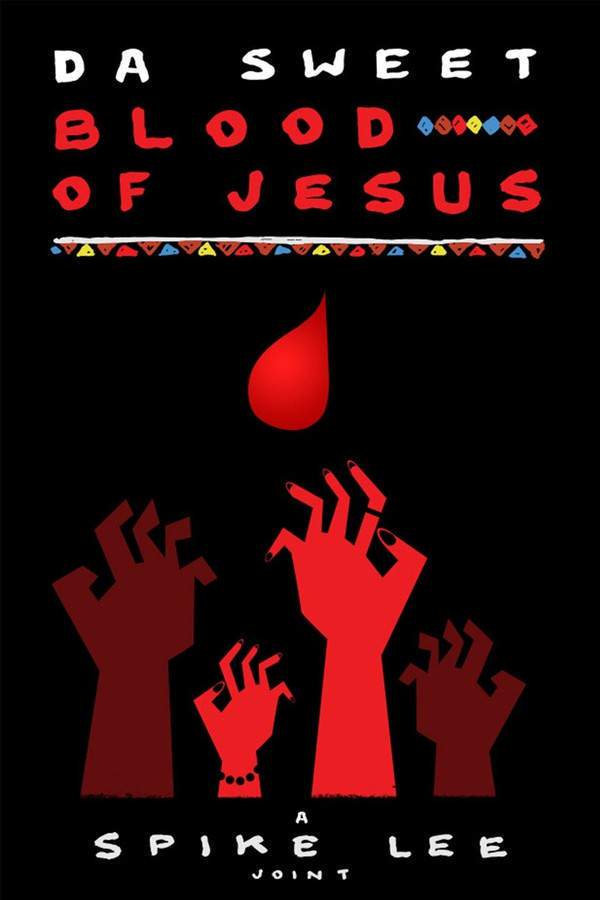


Featured on this page

What's After the Movie?
Not sure whether to stay after the credits? Find out!
Check out our other apps:

SAT Sphere
Build confidence for the Digital SAT.

Mori Atlas
Discover wild places worth protecting.

Luntero
Search smarter for a home in Amsterdam.

Plot Explained
Unravel movie endings and hidden clues.

Pokechamp
Dive into Pokémon data and battle logic.

Driving Theory
Get ready for your European theory test.

Movie Dust
Plan your next cinema trip with ease.

Musemap
Find art and culture as you travel.

Selkobase
Compare credentials before committing.

Local Manual
Turn an unfamiliar country into practical next steps.

Lernavi
Compare school systems before your next move.

GymRoam
Find a workout stop wherever your plans take you.
Explore Our Movie Platform
New Movie Releases (2026)
Famous Movie Actors
Top Film Production Studios
Movie Plot Summaries & Endings
Major Movie Awards & Winners
Best Concert Films & Music Documentaries
Movie Collections and Curated Lists
© 2026 What's After the Movie. All rights reserved.
Privacy Policy