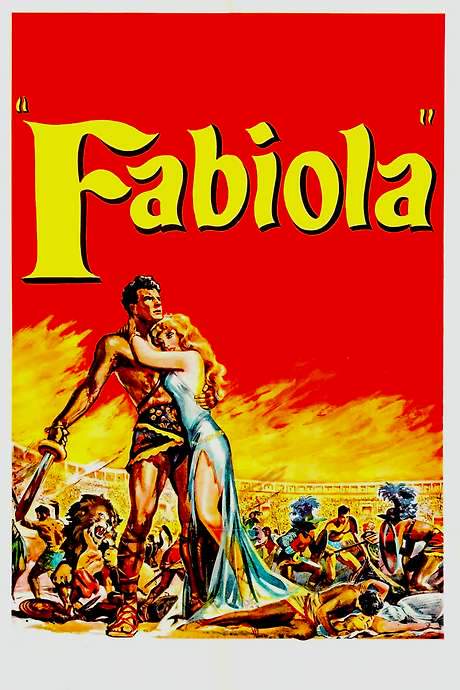
What Is Fabiola About?
The premise of Fabiola in 354 words, with nothing given away. The full story follows below.
In the marble‑clad heart of ancient Rome, the city pulses with a restless mix of grandeur and unease. Imperial banners flutter over crowded forums, while the distant clang of the arena reminds every citizen that power can be both celebrated and demanded with blood. Beneath the glitter of feasts and triumphs, a fragile tension simmers as the empire grapples with the rise of a new faith that challenges the old order. The atmosphere is one of opulent beauty tinged with the shadow of fear, inviting curiosity about what lies beneath the polished stone.
Fabiola, the daughter of a respected senator, moves through this world with the poise of aristocracy and the yearning of a heart that refuses to be confined by status. Her life, shaped by expectations of duty and decorum, is suddenly stirred by the presence of Rhual, a fierce Gaul whose skill in the gladiatorial arena earns him both admiration and suspicion. Their unlikely connection blossoms in the quiet corners of a seaside villa, where gardens offer a rare refuge from the political machinations that dominate Rome’s streets. The contrast between her sheltered upbringing and his brutal daily trials sets the stage for a romance that feels both daring and forbidden.
When Senator Fabius Severus is slain under mysterious circumstances, the city’s anxieties ignite. The public gaze swiftly turns toward the growing community of Christians, casting suspicion and hostility across the capital. In the wake of the murder, Rhual steps forward to reveal his own secret belief, placing him directly in the crosshairs of a society quick to condemn. The stakes rise dramatically as the arena, a symbol of Roman might, becomes the arena for a moral and existential trial that threatens both love and loyalty.
The film’s tone balances sweeping historical spectacle with intimate emotional undercurrents, inviting viewers to feel the weight of Rome’s grandeur while pondering the personal costs of faith, duty, and love. As the narrative unfolds, the audience is left to wonder how these intersecting worlds will clash, and whether the fragile bond between a senator’s daughter and a gladiator can survive the storm gathering on the horizon.
What Happens in Fabiola?
The complete story of Fabiola, from the first scene to the last, in 276 words (about 1 minute). Spoilers throughout. Names in the text link to 4 cast member pages.
Spoilers ahead
In ancient Rome, a delicate romance blooms between Fabiola, Michèle Morgan, the daughter of a powerful senator, and Rhual, Henri Vidal, a bold Gaul who fights as a gladiator. Their courtship starts in the tranquil gardens of a seaside villa owned by Senator Fabius Severus, Michel Simon, whose vision embraces religious tolerance and the freeing of slaves. But the city is tense, as reactionary politicians blame the rising Christian movement for unrest, and a night of violence changes everything when Fabius Severus is murdered, sparking a harsh purge and turning public opinion against Christians.
At the trial that follows, Rhual is accused and the Christians are condemned alongside him. In a moment of moral courage, Rhual steps forward to defend the believers, but the verdict remains severe. The persecution intensifies as many Christians are jailed or killed, among them the centurion Sebastian of the Praetorian Guard, Massimo Girotti, who is denounced as a Christian and dies a martyr. Amid the chaos, Fabiola fights to secure Rhual’s freedom, yet he initially rejects her help. The turning point arrives when she openly declares her allegiance to the Christians and chooses to stand with them in the arena, signaling that she is not responsible for her father’s death.
Rhual’s restraint during the combats—refusing to kill his fellow fighters—begins a shift that inspires the other gladiators to lay down their arms as well. As the tension peaks, the arriving forces of Emperor Constantine press against the city walls, sparking a broader uprising. In the end, peace returns to Rome, and the imperial banners bear the sign of Christ, symbolizing a new era of tolerance and hope for a divided empire.
Fabiola Timeline: Every Key Event in Order
12 key events in the order they happen, from “Rhual invited to gladiator games at the seaside villa” to “Peace returns; imperial banners bear the sign of Christ”. 12 events name a place, across 8 locations.
- 1
Rhual invited to gladiator games at the seaside villa
Rhual, a young Gallic gladiator, is invited to participate in the games at Senator Fabius Severus's seaside villa near Rome. The invitation pulls him into the web of political and religious conflict that will define his fate. This moment begins the sequence of events that will test loyalties and courage.
When:312 AD Where:Seaside villa near Rome
- 2
Rhual meets and falls in love with Fabiola in the villa gardens
In the villa gardens, Rhual meets a beautiful girl and is drawn to her. He soon discovers that she is Fabiola, the senator's daughter, setting up a forbidden romance that will complicate alliances as the crisis grows.
When:312 AD Where:Villa gardens near Rome
- 3
Fabius Severus is murdered; Christians blamed
During the night, Senator Fabius Severus is murdered by reactionary politicians opposed to Christianity. The murder triggers a wave of persecution and the Christians are blamed, turning faith into a target for political gain. Fabiola and others become suspects in the ensuing crackdown.
When:312 AD Where:Senator's villa
- 4
Rhual is revealed as an agent of Constantine; Fabius promotes tolerance
It is revealed that Rhual is secretly an agent of Emperor Constantine who aims to promote Christianity in the empire. At the same time, Fabius Severus leads a movement for religious tolerance and the freeing of slaves. These competing motivations set the stage for the trials and uprisings to come.
When:312 AD Where:Rome
- 5
Fabiola suspects Rhual as a Christian assassin; trial looms
Fabiola suspects Rhual of involvement in her father's murder, fueling suspicion and heartbreak. The couple faces mounting pressure as the authorities prepare for a trial in which Christians are treated with hostility and mistrust.
When:312-313 AD Where:Rome
- 6
Trial and guilty verdicts; Christians and Rhual condemned to death in the arena
At the trial, Christians, including Rhual, are declared guilty and sentenced to death in the arena. The persecution escalates as mobs call for punishment the moment faith is accused. Rhual's defense offers a fragile beacon of hope amid the looming executions.
When:312 AD Where:Roman arena
- 7
Centurion Sebastian dies a martyr
Centurion Sebastian of the Praetorian Guard, denounced as a Christian, dies as a martyr. His sacrifice underscores the peril Christians face under political pressure. The martyrdom resonates through the faith community and strengthens resolve.
When:312 AD Where:Praetorian Guard, Rome
- 8
Fabiola secures Rhual's freedom; he initially refuses
Fabiola manages to secure Rhual’s freedom from imprisonment. He initially rejects her offer, wrestling with fear, duty, and the implications of embracing the Christian cause. The moment tests both their relationship and their beliefs.
When:312-313 AD Where:Rome
- 9
Fabiola declares support for Christians and joins them in the arena
Fabiola publicly declares she is on the side of Christians and joins them in the arena, signaling that they are not responsible for her father's death. Her act shifts public perception and demonstrates the power of personal loyalty to faith. The arena becomes a stage for redemption and solidarity.
When:312-313 AD Where:Arena, Rome
- 10
Rhual refuses to kill the gladiators; mercy inspires them to lay down arms
Rhual is forced to fight several gladiators, but he refuses to kill them. His mercy inspires the others to lay down their arms, turning the arena into a symbol of compassion rather than vengeance. The crowd witnesses a turning point in the savage spectacle.
When:312-313 AD Where:Roman arena
- 11
Constantine's advance troops reach city walls; uprising begins
Advance troops loyal to Constantine arrive at the city walls, triggering a broader uprising across Rome. The political landscape shifts as reformist forces gain momentum. The city braces for a new order and the potential end of persecution.
When:313 AD Where:Rome, city walls
- 12
Peace returns; imperial banners bear the sign of Christ
Peace returns to Rome and imperial banners bear the sign of Christ. The reconciliation between political power and Christian faith signals a new direction for the empire. The city embraces a hopeful, faith-affirming future.
When:313 AD Where:Rome
Who Are the Main Characters in Fabiola?
5 characters, among them Fabiola (Michèle Morgan), Rhual (Henri Vidal) and Senator Fabius Severus (Michel Simon): who each one is and the part they play in the story. 4 of them link to the actor’s page.
-

Fabiola (Michèle Morgan)
Played by Michèle Morgan
Senator's daughter who navigates love and political loyalty. She suspects Rhual of being an assassin but later declares her support for the Christians, choosing solidarity over fear. Her arc centers on courage to stand with a persecuted faith in a volatile city.
- 💖 Romance
- ✝️ Faith
- 🕊️ Loyalty
- R(
Rhual (Henri Vidal)
Played by Henri Vidal
A young Gallic gladiator who is secretly a Christian agent of Constantine. He pursues a forbidden romance with Fabiola while resisting the urge to kill in the arena. His dual duties and his faith drive the story toward a controversial alignment with Christians.
- 💘 Love
- ✝️ Faith
- 🛡️ Duty
-
Senator Fabius Severus (Michel Simon)
Played by Michel Simon
A powerful senator who leads a movement for religious tolerance and an end to slavery. His murder by reactionary politicians ignites the persecution that follows. He represents the reformist wing of Rome seeking a more tolerant empire.
- 🏛️ Politics
- 🕊️ Freedom
- 💔 Betrayal
-
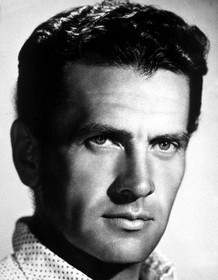
Sebastian (Massimo Girotti)
Played by Massimo Girotti
A Praetorian centurion denounced as a Christian, who dies as a martyr during the persecutions. His fate marks the human cost of the empire's religious upheaval. He embodies steadfast faith under pressure.
- 🗡️ Martial
- ✝️ Faith
- 🛡️ Martyrdom
- C
Constantine
Emperor who wishes to establish Christianity across the Empire and uses Rhual to influence events. His policies and ambitions frame the broader shift in Roman religion and state power.
- 👑 Power
- ✝️ Faith
- 🕊️ Reform
Where and When Is Fabiola Set?
Fabiola is set in Ancient Rome and Seaside villa near Rome (312 AD). Here is why the time and place matter to the story.
When
312 AD
The story unfolds in the early 4th century, during a period of religious transformation and political upheaval in the Roman Empire. The rise of Christianity and the brutal politics surrounding it shape the characters' choices and the fate of those accused. The arena, trials, and uprisings anchor the narrative in the public, violent theater of imperial Rome.
Where
Ancient Rome, Seaside villa near Rome
Set in Ancient Rome, the action centers on the seaside Villa of Senator Fabius Severus. The villa and its gardens provide the stage for political plotting, secret alliances, and a forbidden romance. The wider city of Rome features public arenas where Christians are persecuted, reflecting the era's tension between tolerance and power.
- 🏛️ Ancient Rome
- 🏖️ Seaside villa near Rome
- ⚔️ Gladiatorial arena
What Are the Themes of Fabiola?
3 ideas the story keeps returning to, among them Love and Faith, Tolerance vs. Intolerance and Persecution and Martyrdom.
-
01
Love and Faith
A romance blossoms between Fabiola and Rhual, testing loyalties to family, state, and belief. Their relationship navigates social boundaries and conflicting loyalties as faith and love pull them in different directions. The lovers' choices reveal personal courage when faith and affection collide in a hostile world.
-
02
Tolerance vs. Intolerance
Senator Fabius Severus pushes for religious tolerance and the freeing of slaves, signaling a reformist current in Rome. Reactionary politicians respond with fear and deception, using murder to scapegoat Christians. The narrative tracks how power structures either soften or harden in the face of faith.
-
03
Persecution and Martyrdom
Christians are blamed for the senator's murder, and Christians, including Rhual and his allies, face death in the arena. Sebastian, a Praetorian guard centurion, becomes a martyr during the persecutions. The arena becomes a moral proving ground where mercy and defiance reshape public perception.
What Kind of Film Is Fabiola?
Tense in tone, with steady pacing and a straightforward story, going by the plot summary.
- Tone
- Tense
- Pacing
- Steady
- Story
- Straightforward
- Intensity
- High
- Ending
- Happy
A tense and dramatic epic set against the brutal persecution of early Christians, featuring a forbidden romance and culminating in a hard-won victory for faith that shifts from oppression to hopeful liberation.
- tense
- dramatic
- oppressive
- hopeful
- romantic
- suspenseful
- religious persecution
- martyrdom
- forbidden romance
- gladiators
Content notes: religious persecution, execution, gladiatorial combat, imprisonment.
Quiz
How well do you remember Fabiola? Test yourself on the story.