What's After the Movie
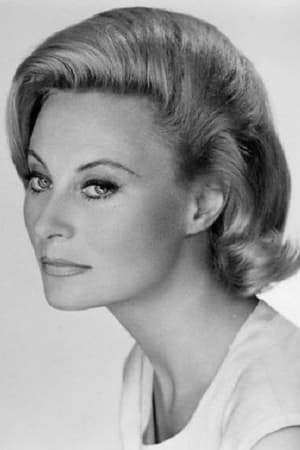
Michèle Morgan
Michèle Morgan, born Simone Renée Roussel on 29 February 1920 in Neuilly‑sur‑Seine, emerged from modest beginnings in a suburb of Paris to become one of the most celebrated French actresses of the twentieth century. She spent part of her childhood in Dieppe before fleeing home at the age of fifteen to pursue a theatrical career in Paris, where she studied under René Simon while working as a film extra to fund her lessons. Adopting the stage name Michèle Morgan—a choice she said sounded more Hollywood‑friendly—she quickly attracted the attention of director Marc Allégret, who cast her in Gribouille (1937). Her luminous presence and haunting eyes made her a natural partner for leading men such as Raimu, Jean Gabin, and later Marcel Carné, whose fog‑shrouded masterpiece Le Quai des brumes (1938) solidified her reputation as a cinematic enchantress. By the early 1940s she had already become a staple of French cinema with roles in Remorques (1941) and other critical successes, her star rising steadily at a time when French film was flourishing despite wartime turbulence.
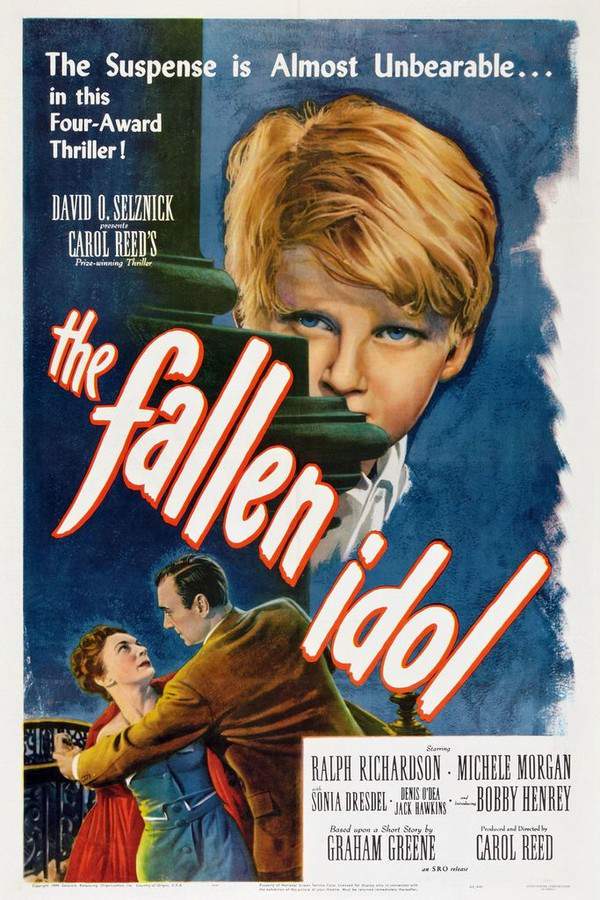
When the German invasion forced many artists to flee, Morgan crossed the Atlantic and signed with RKO Pictures in 1941, embarking on a Hollywood chapter that, while mixed in success, added notable titles such as Joan of Paris (1942) opposite Paul Henreid and the musical comedy Higher and Higher (1943) with Frank Sinatra. Though she was considered for the iconic role of Ilsa Lund in Casablanca, studio negotiations kept her from that part, yet she did appear alongside Humphrey Bogart in Passage to Marseille (1944). After World War II she returned to France, delivering an award‑winning performance in La Symphonie Pastorale (1946), which earned her the inaugural Best Actress prize at the Cannes Film Festival. Subsequent highlights included The Fallen Idol (1948) with Carol Reed, Fabiola (1949), and Les Grandes Manœuvres (1955) directed by René Clair. Morgan’s later years saw her receiving the Légion d’Honneur (1969), an honorary César (1992), and the Career Golden Lion at Venice (1996), while she also pursued painting and published her memoir Avec ces yeux‑là (1977). Her personal life intertwined with cinema: she married actor William Marshall (with whom she had son Mike Marshall), later Henri Vidal, and finally director Gérard Oury. Michèle Morgan passed away on 20 December 2016 in Meudon, leaving behind a legacy of timeless elegance and a star on the Hollywood Walk of Fame.
Biography, Career & Filmography
Learn more about Michèle Morgan, including a detailed biography, career timeline, personal life insights, and complete filmography. Discover how Michèle Morgan rose to fame, their major roles, industry impact, and personal milestones in the world of film.
Given Name: Simone Renée Roussel
Born: Neuilly-sur-Seine, France
Citizenship: French
Birthday: February 29, 1920
Occupations: Actress
Years Active: 1935-1999
Children: 1
Spouses: William Marshall, Henri Vidal, Gérard Oury
External Links and Streaming Options
Explore more about on trusted external platforms like Metacritic, Rotten Tomatoes, IMDb or Wikipedia. Find additional details, reviews, and related content to deepen your understanding.





Movies Featuring Michèle Morgan
The Fallen Idol (re-release)

Danielle Darrieux : Il est poli d’être gai !

Everybody’s Fine

A Man and a Woman: 20 Years Later

Rat Pack

Hervé Guibert, la mort propagande

The Moment of Truth
Obsession

The Wretches

Lost Command
Napoleon

Marie-Antoinette Queen of France

The Diary of an Innocent Boy

The Last Steps
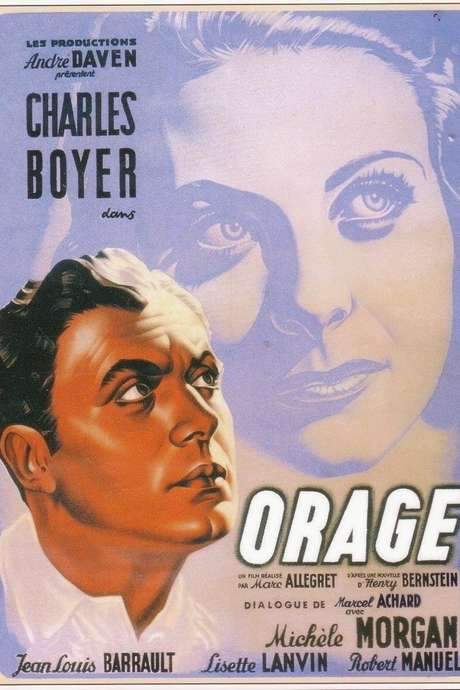
Orage

The Seven Deadly Sins

Pastoral Symphony

The Lions Are Loose

Crime Does Not Pay

Law of the North

Too Late to Love

Higher and Higher

The Glass Castle
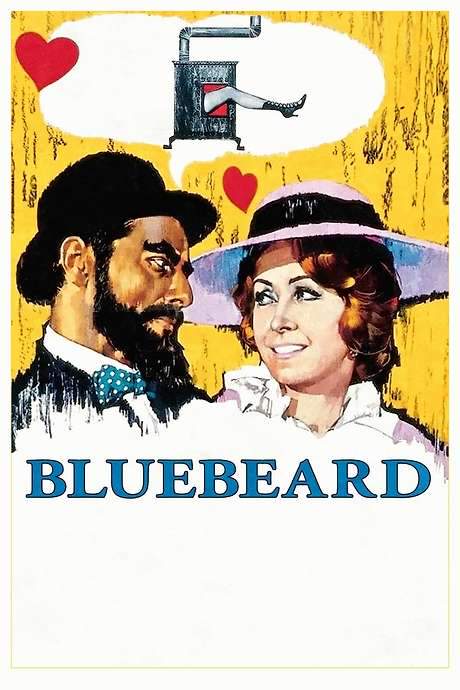
Bluebeard

If Paris Were Told to Us

Marked Eyes
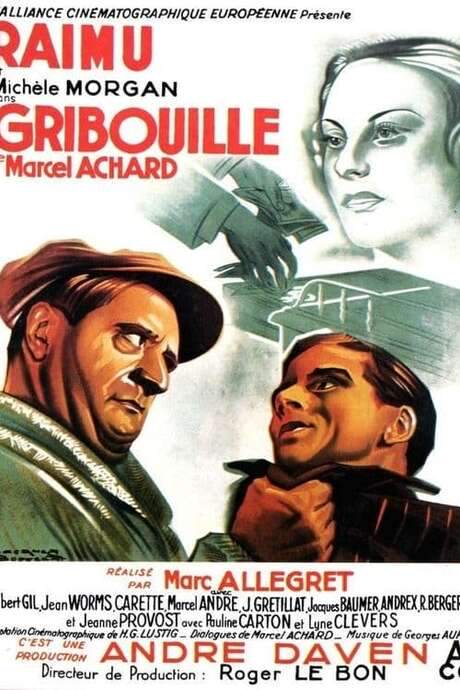
Gribouille
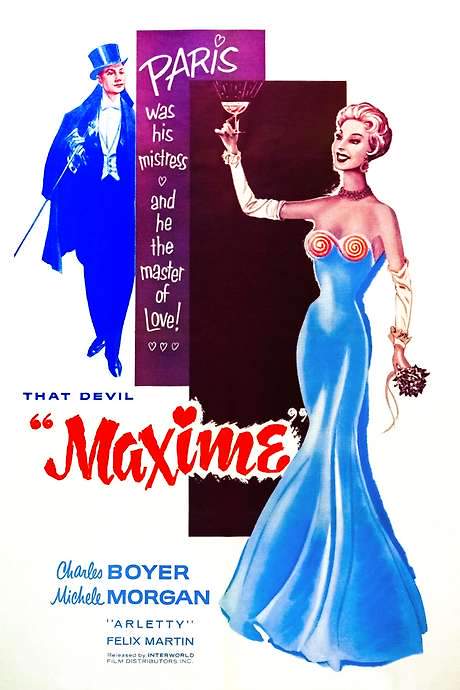
Maxime

Coral Reefs

Love on the Riviera

The Grand Manoeuvre

There’s Always a Price Tag

Stormy Waters

The Vintage

In the Name of the Law

The Mirror Has Two Faces

Marguerite of the Night

The Chase

Passage to Marseille
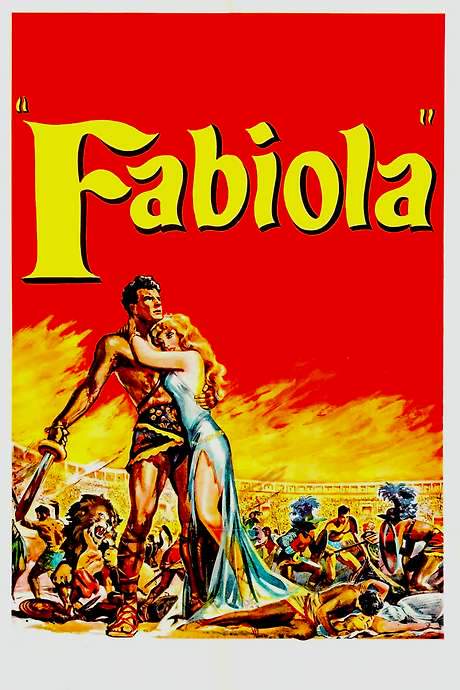
Fabiola

Cat and Mouse

Port of Shadows
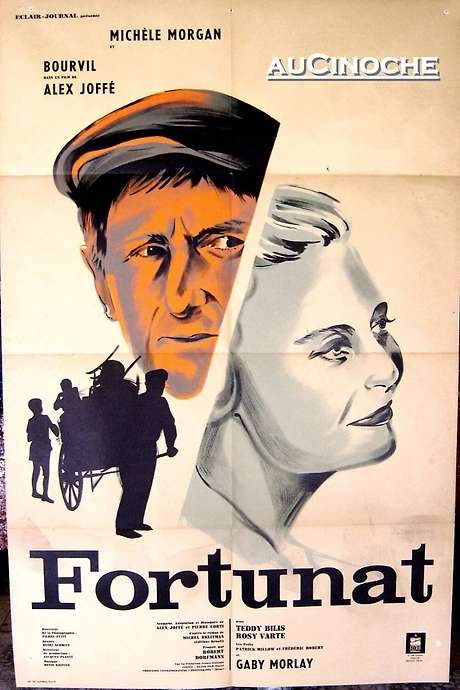
Fortunate

The Heart of a Nation

The Fallen Idol

Joan of Paris
Career Timeline
Track the complete movie timeline of Michèle Morgan, including all film releases, career breakthroughs, and notable roles. Follow their journey from early performances to recent blockbusters and upcoming projects.

Coming soon on iOS and Android
The Plot Explained Mobile App
From blockbusters to hidden gems — dive into movie stories anytime, anywhere. Save your favorites, discover plots faster, and never miss a twist again.
Sign up to be the first to know when we launch. Your email stays private — always.
Explore the mobile app
What's After the Movie?
Not sure whether to stay after the credits? Find out!
Check out our other apps:

SAT Sphere
Build confidence for the Digital SAT.

Mori Atlas
Discover wild places worth protecting.

Luntero
Search smarter for a home in Amsterdam.

Plot Explained
Unravel movie endings and hidden clues.

Pokechamp
Dive into Pokémon data and battle logic.

Driving Theory
Get ready for your European theory test.

Movie Dust
Plan your next cinema trip with ease.

Musemap
Find art and culture as you travel.

Selkobase
Compare credentials before committing.

Local Manual
Turn an unfamiliar country into practical next steps.

Lernavi
Compare school systems before your next move.

GymRoam
Find a workout stop wherever your plans take you.
Explore Our Movie Platform
New Movie Releases (2026)
Famous Movie Actors
Top Film Production Studios
Movie Plot Summaries & Endings
Major Movie Awards & Winners
Best Concert Films & Music Documentaries
Movie Collections and Curated Lists
© 2026 What's After the Movie. All rights reserved.
Privacy Policy