
Evel Knievel 2004

Directed by
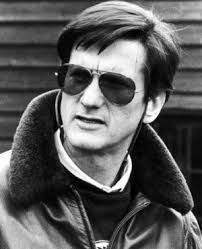
John Badham
Made by

Icon Productions
Evel Knievel Plot Summary
Read the complete plot summary and ending explained for Evel Knievel (2004). From turning points to emotional moments, uncover what really happened and why it matters.
The film opens with Evel Knievel, George Eads gearing up to jump the fountains at Caesars Palace in front of a roaring crowd. A flashback pulls us to 1950 in Butte, Montana, where 12-year-old Bobby Knievel, Jake Brockman, darts away on his bicycle after swiping hubcaps, only to be tracked down and brought to a halt by the authorities. This early glimpse hints at a life lived in pursuit of daring, fueled by a stubborn will to prove himself.
Fast-forward to 1958, and Knievel is working for the Anaconda Mining Company, where he witnesses the brutal reality of lung damage among aging miners. This harsh observation sparks the decision to seek a living in motorcycle stunts, a path that will dramatically shape his family’s future. He meets Linda Bork, Jaime Pressly, whose friends warn her to steer clear, yet their bond strengthens as they marry and start a family. They welcome two sons, Kelly Knievel, Brayden Jones, and Robbie Knievel, Riley Jones, anchors in a world of high-octane spectacle and growing fame. Knievel’s reputation as a fearless showman expands, even as the pressures of public adoration and personal struggle push him to the edge.
The film builds toward a pivotal moment: Knievel agrees to a high-stakes jump at Caesars Palace on New Year’s Eve in 1967. The event is filmed by John Derek, Alan Van Sprang, with his wife Linda Evans, Nicola Jones, capturing the spectacle for posterity. The sequence is tinged with a production note—the subtitle falsely marks the date as 1968 and incorporates Lynyrd Skynyrd’s “Call Me the Breeze” from 1974. As the jump unfolds, Knievel’s assistant Bill attempts to keep alcohol away, but Knievel drinks and presses onward. He clears the fountains but crashes hard, breaking numerous bones including his pelvis and slipping into a coma. Linda stays by his bedside through the long recovery, and doctors tell her that metal rods have been inserted to stabilize the injuries; although they say he may never jump again, Knievel leaves the hospital still insisting to the press that he will one day tackle the Grand Canyon. The tough moral of the story emerges in the quiet struggle between his stubborn dream and Linda’s concern for his well-being as he contemplates a return to danger.
In the following years, a new chapter unfolds beyond the track. In 1970, an event at the Ideal Toy Company reveals Knievel’s broad appeal: his persona inspires a line of Evel Knievel action figures, a symbol of the broader reach his stunts have achieved. A rafting trip with his two sons and his father-in-law John Bork, Beau Bridges, turns tragic when they’re swept away by the rapids, and John Bork drowns, leaving Knievel to navigate grief and responsibility as a beloved public figure.
The 1974 season brings a defining moment on the Canadian National Exhibition stage. With a permit for a Grand Canyon jump still out of reach, Knievel stages test jumps over Snake River Canyon using rockets. The jump is broadcast on closed-circuit television on September 8, 1974, and a tense clash with a reporter precedes the descent. He ultimately uses the Skycycle X-2, but the parachute deploys early and the craft crashes into the river bank below; Knievel survives, while public reaction grows louder and more disappointed.
The film closes with the late-70s arc: a second major stunt in October 1975—fourteen buses at Kings Island in Mason, Ohio—ceaselessly pushing the limits of a man who refused to be defined by a single triumph. Knievel retires from motorcycle jumping in 1980 and moves to Florida, where the camera lingers on a montage of jumps and crashes that together sketch the life of a man who chased danger, managed a complicated family, and left an enduring imprint on American popular culture. Tracey Knievel, Madeleine Butler, and Younger Tracey Knievel, Elle Dhanani, appear in the background of this larger-than-life story, underscoring the human cost and profound pull of the sport he loved.
Evel Knievel Timeline
Follow the complete movie timeline of Evel Knievel (2004) with every major event in chronological order. Great for understanding complex plots and story progression.
Caesars Palace preparation for the famous jump
The film opens with Knievel preparing to jump the fountains at Caesars Palace in front of a large Las Vegas crowd. The sequence emphasizes the spectacle and risk that would define his career. This moment frames his ascent from underdog stunt rider to a national icon of danger and bravado.
Youthful thrill-seeking in Butte
In a 1950 flashback, 12-year-old Bobby Knievel steals hubcaps and is chased before being arrested. The incident foreshadows the impulsive, thrill-seeking streak that would drive his later stunt-filled life.
From mining to showmanship: a turning point
In 1958, while working for the Anaconda Mining Company, Knievel observes the lung damage suffered by older miners and decides to make a living as a motorcycle stunt performer. He begins the transition from mining to showman, drawn by the lure of crowds and danger. This marks the turning point that leads to his future fame as a fearless daredevil.
Meeting Linda Bork and starting a family
Knievel meets Linda Bork, and they marry, starting a family with two sons, Kelly and Robbie. The film contrasts their domestic life with his rising notoriety as a stunt rider. The family becomes central to his story even as his career pushes him toward greater risks.
Deal to jump Caesars Palace on New Year's Eve 1967
Knievel lands a deal to perform the Caesars Palace fountain jump on New Year's Eve 1967. John Derek and Linda Evans film the event, turning it into a televised spectacle. The upcoming stunt raises the stakes for Knievel personally and for his audience.
The Caesars jump and crash
During the jump, Knievel clears the fountains but is thrown off the motorcycle by the force of the landing. He sustains multiple fractures, including his pelvis, and falls into a coma. The accident ends the immediate phase of his career and triggers a long recovery.
Hospital recovery and prognosis
Knievel remains hospitalized while doctors insert metal rods to stabilize his broken bones. The medical team tells Linda that Knievel will likely never jump again. Yet upon leaving the hospital, he stubbornly declares that he will resume jumping, including a Grand Canyon stunt.
Comeback ambitions and marital strain
Back home, Knievel's determination to come back clashes with Linda, who fears for his safety and their family. Their conflict illustrates the personal cost of chasing fame through dangerous feats. The tension mirrors his ongoing drive to return to the spotlight.
Ideal Toy Company takes notice
In 1970, an Ideal Toy Company employee witnesses Knievel's performances and suggests merchandise opportunities. The company launches a line of Evel Knievel action figures, expanding his brand beyond the arena. The merchandising boom cements his status as a pop-culture icon.
Rafting tragedy with John Bork
During a rafting trip with his two sons and father-in-law John Bork, the raft capsizes and John is washed away by the river. Knievel is unable to reach him in time, and John’s death casts a long shadow over his personal life. The tragedy adds a somber chapter to a life built on spectacle.
Canadian National Exhibition appearance with his sons
On August 20, 1974, Knievel has his sons ride with him during the Canadian National Exhibition performance. The scene demonstrates his continued appeal to families while preparing for his ambitious Snake River Canyon plan. The event foreshadows the dangerous stunts to come.
Snake River Canyon test jumps and the main jump announcement
Unable to secure a permit to jump the Grand Canyon, Knievel conducts rocket-assisted test jumps over Snake River Canyon. These early jumps set the stage for the planned main event and generate anticipation and controversy.
September 8, 1974: Skycycle X-2 jump and crash
On September 8, 1974, Knievel attempts the Skycycle X-2 jump across Snake River Canyon. The parachute deploys early, and drag prevents him from reaching the intended landing, but he survives the crash. The stunt draws intense media scrutiny and public reaction.
Aftermath and public reaction
The public is dissatisfied with the failed stunt, and the media criticizes Knievel for his latest gamble. Despite the backlash, the event further cements his reputation as a fearless showman, provoking ongoing fascination with his persona and limits.
Kings Island stunt and retirement
In October 1975, Knievel performs fourteen bus jumps at Kings Island in Mason, Ohio to break his previous record. He would retire from motorcycle jumping in 1980 and move to Florida.
Evel Knievel Characters
Explore all characters from Evel Knievel (2004). Get detailed profiles with their roles, arcs, and key relationships explained.
Evel Knievel (George Eads)
A fearless stunt performer whose hunger for bigger, riskier feats defines his career. He endures brutal injuries, defies medical expectations, and relentlessly pursues spectacular jumps, including the Grand Canyon attempt. His charisma and stubbornness drive both his success and the personal costs to his family.
Linda Bork (Jaime Pressly)
Knievel’s devoted wife who grapples with the fame machine and the dangers of his career. She supports him through hospital recoveries while negotiating the line between love and safety for the family. Her resilience and steadiness anchor the household amid chaotic publicity.
John Bork (Beau Bridges)
Linda’s father and Knievel’s father-in-law, a steady patriarch figure who shares family ties with Knievel. He dies during a rafting trip, highlighting the human cost of a daredevil lifestyle and the impact of reckless stunts on loved ones.
Linda Evans (Nicola Jones)
A film star connected to Knievel’s world who documents the spectacle with John Derek. Her perspective captures the interplay between media, celebrity, and the real-life stakes of Knievel’s stunts.
John Derek (Alan Van Sprang)
A filmmaker who records Knievel’s breathtaking moments, contributing to the visual mythology of the daredevil. His presence underscores the role of cinema in shaping public memory of the stunts.
Kelly Knievel (Connor Price)
Knievel’s son who participates in family moments and witnesses the dangers of his father’s career. His presence as a younger generation signals how Knievel’s legacy is passed down and observed by his children.
Robbie Knievel (Thomas Price)
Knievel’s other son who shares in the family’s thrill-seeking world. His involvement emphasizes the personal costs and mixed emotions of living in a daredevil shadow.
Awful Knoffel (Lance Henriksen)
A biker antagonist who clashes with Knievel during a chaotic event, illustrating the rough edges of the stunt world and the dangers of confrontations off the main spectacle.
Evel Knievel Settings
Learn where and when Evel Knievel (2004) takes place. Explore the film’s settings, era, and how they shape the narrative.
Time period
1950s–1980
The film spans Knievel's life from a 1950s flashback in his youth through the late 1960s and 1970s milestones. It centers on the 1967–1968 New Year’s Eve jump, the 1974 Snake River Canyon attempt, and his retirement in 1980. The period captures decades of showmanship, injury, recovery, and the evolving relationship between danger and fame.
Location
Butte, Montana; Caesars Palace, Las Vegas; Snake River Canyon; Kings Island, Mason, Ohio; Canadian National Exhibition; Florida
The narrative moves across several iconic locations. It opens in Butte, Montana, then shifts to Caesars Palace in Las Vegas for Knievel's famed fountain jump. Snake River Canyon in Idaho serves as the high-stakes testing ground for rocket jumps, while Kings Island in Mason, Ohio hosts a major stunt performance. The tale also visits the Canadian National Exhibition and culminates with Knievel retiring to Florida.
Evel Knievel Themes
Discover the main themes in Evel Knievel (2004). Analyze the deeper meanings, emotional layers, and social commentary behind the film.
🔥
Fame
Knievel’s rise is inseparable from the public spectacle that surrounds his stunts. The film explores how media attention, endorsements, and a toy line amplify his legend while also pressuring him to push beyond safe limits. Fame acts as both fuel and trap, shaping choices and personal costs for Knievel and his family.
👨👦
Family
Family dynamics are tested by a life of risk: Linda Bork’s loyalty, the presence of Knievel’s two sons, and the impact of Harold-in-law John Bork. The rafting accident that claims John’s life underscores how dangerous fame reverberates through loved ones. The story frames family as both a source of support and a source of tension amid public demands.
🏁
Legacy
The core drive is to leave a lasting mark through audacious jumps, even after catastrophic crashes. The film tracks Knievel’s persistence—recovery, return to stunts, and the public reassessment of his limits. A final montage reinforces how his career reshaped popular culture and daredevil mythology.

Coming soon on iOS and Android
The Plot Explained Mobile App
From blockbusters to hidden gems — dive into movie stories anytime, anywhere. Save your favorites, discover plots faster, and never miss a twist again.
Sign up to be the first to know when we launch. Your email stays private — always.
Explore the mobile appEvel Knievel Spoiler-Free Summary
Discover the spoiler-free summary of Evel Knievel (2004). Get a concise overview without any spoilers.
In 1960s‑era America, a restless spirit rides the edge of possibility, turning ordinary highways and desert canyons into stages for feats that blur the line between entertainment and obsession. The film follows Robbie “Evel” Knievel, a charismatic outlaw of gravity whose love of danger is matched only by his flair for showmanship. His daring exploits pulse through the screen with kinetic energy, framing a world where crowds gather to witness the impossible and the roar of engines becomes a modern hymn to rebellion.
Born in a mining town, the future stunt‑man watches the harsh realities of labor and is drawn to a path that promises both freedom and spectacle. Early hints of his relentless will surface in youthful mischief and a restless drive to prove himself, planting the seeds for a career that will soon catapult him from obscurity into the bright lights of televised stardom. The narrative captures the gritty texture of mid‑century America, where the promise of fame hangs on the thin line of a motorcycle’s tires.
At the heart of his soaring ambitions lies a complex personal life, anchored by his partnership with Linda Bork, a steadfast presence who balances his reckless hunger with quiet devotion. Their bond, forged amid the chaos of touring shows and relentless publicity, offers a tender counterpoint to the high‑octane thrills. As his legend grows, the couple navigates the tension between public adulation and private worries, a dynamic that adds emotional depth to the spectacle.
The film’s tone blends vivid, adrenaline‑charged set pieces with a reflective, almost nostalgic look at a man who chased glory while wrestling with the costs of his own myth. It invites viewers into a world where daring performances become cultural touchstones, and where the line between hero and hazard is perpetually tested.
Movies with Similar Twists and Themes
Uncover films that echo the narrative beats, emotional arcs, or dramatic twists of the one you're exploring. These recommendations are handpicked based on story depth, thematic resonance, and spoiler-worthy moments — perfect for fans who crave more of the same intrigue.


Featured on this page

What's After the Movie?
Not sure whether to stay after the credits? Find out!
Check out our other apps:

SAT Sphere
Build confidence for the Digital SAT.

Mori Atlas
Discover wild places worth protecting.

Luntero
Search smarter for a home in Amsterdam.

Plot Explained
Unravel movie endings and hidden clues.

Pokechamp
Dive into Pokémon data and battle logic.

Driving Theory
Get ready for your European theory test.

Movie Dust
Plan your next cinema trip with ease.

Musemap
Find art and culture as you travel.

Selkobase
Compare credentials before committing.

Local Manual
Turn an unfamiliar country into practical next steps.

Lernavi
Compare school systems before your next move.

GymRoam
Find a workout stop wherever your plans take you.
Explore Our Movie Platform
New Movie Releases (2026)
Famous Movie Actors
Top Film Production Studios
Movie Plot Summaries & Endings
Major Movie Awards & Winners
Best Concert Films & Music Documentaries
Movie Collections and Curated Lists
© 2026 What's After the Movie. All rights reserved.
Privacy Policy