
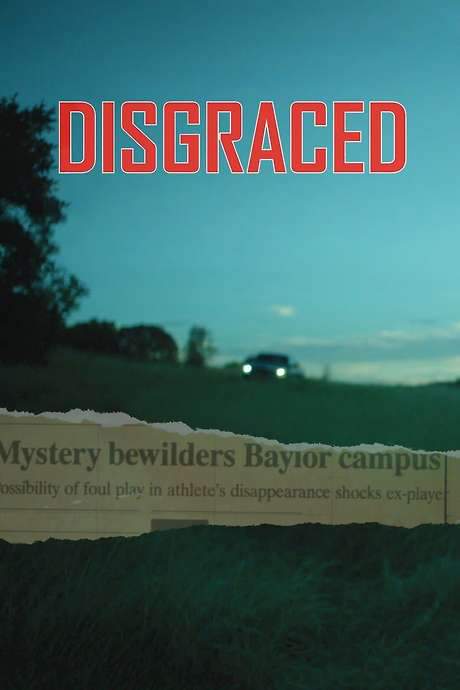
What Is Disgraced About?
The premise of Disgraced in 284 words, with nothing given away. The full story follows below.
In a post‑apartheid Cape Town where academia wrestles with a restless nation, David Lurie teaches romantic literature while harboring a restless yearning for artistic greatness. His public persona masks a private world of restless desires and precarious connections, setting up a clash between intellectual pretension and the raw, unvarnished reality that surrounds him. The university’s corridors buzz with expectation, yet beneath the veneer of scholarly debate lies a simmering tension that threatens to upend his carefully constructed life.
When Lurie’s personal choices begin to reverberate beyond the lecture hall, he finds temporary solace on the rugged farm of his daughter, Lucy, a resilient lesbian farmer living on the edge of the Eastern Cape. The rural landscape, with its open skies and unpretentious rhythms, offers a stark contrast to the polished corridors of his former career, introducing a lyrical, almost pastoral counterpoint to his inner turmoil. Here, the dynamics of family, land, and a shifting social order press upon him, hinting at deeper currents of power and belonging.
Supporting figures drift in and out of his orbit—Bev Shaw, a pragmatic animal‑shelter keeper whose blunt practicality challenges Lurie’s more romantic sensibilities, and Petrus, a neighboring farmer whose presence embodies the complex layers of South Africa’s evolving identity. Their interactions accentuate the film’s moody, introspective tone, where quiet moments are laden with unspoken history and the ever‑present question of whether redemption is attainable.
The story unfolds as a brooding character study, layered with an atmosphere that feels both intimate and unsettling. Through a blend of academic intrigue, rural starkness, and lingering personal regret, Disgraced invites viewers to contemplate the fragile balance between ambition, responsibility, and the quiet forces that shape a life on the edge of collapse.
What Happens in Disgraced?
The complete story of Disgraced, from the first scene to the last, in 702 words (about 3 minutes). Spoilers throughout.
Spoilers ahead
David Lurie is a white South African professor of English whose carefully ordered world unravels in a cascade of personal and public disgrace. A twice-divorced man teaching in a technical university in Cape Town, he lives in a society still haunted by its recent past and defined by changing power dynamics. His sexual life is marked by risk and impulse: he initially pursues a relationship with a prostitute who resists him, then toes the line with a secretary only to discard her, and finally pursues a vulnerable student, a move that will condemn him when the truth surfaces.
The affair with Melanie Isaacs exposes a darker, more troubling pattern. He socializes with alcohol, manipulates a student’s boundaries, and refuses to acknowledge the harm he has caused even as the danger becomes clear. When Melanie stops attending classes, he falsifies her grades rather than confront the consequences of his actions. A confrontation from Melanie’s boyfriend and her father escalates the situation, but Lurie refuses to read Melanie’s statement or offer any sincere apology. The school’s decision is swift and uncompromising: he is forced to resign. Amid the public condemnation of predatory acts, Lurie is left with a sense of personal ruin, while Byron’s life—an artistic figure navigating hedonism—runs as a thematic echo through his own failing days.
Disgrace ultimately finds him seeking refuge with his daughter Lucy on her farm in the Eastern Cape. The rural rhythms promise a kind of recovery: attending farmers markets, sharing livestock, and working alongside Petrus, a neighbor who lives near Lucy’s property and who indirectly shapes the balance of power in the landscape they inhabit. But the country’s uneasy shift in power resurfaces with brutal force. Three men, claiming they need Lucy’s phone to call for help for a sick relative, force their way into the farmhouse. Lucy is raped; David is set on fire in a bid to kill him; the intruders shoot the dogs Lucy is boarding and vanish with David’s car, which is never recovered. Newspapers misreport his name as “Lourie,” a detail that seems to shield him from direct linkage to the attack while leaving him to live with the aftermath.
The assault shatters Lucy’s sense of safety and independence. She becomes apathetic and agoraphobic, and she refuses to press charges or discuss the event with David, even as he urges her to report what happened. Their relationship frays as they process the trauma in different ways. David begins working with Bev Shaw, a friend of Lucy who runs an animal shelter and faces the ethical burden of euthanizing animals, a burden that he comes to share and even partake in, disposing of animals as needed. Suspicion falls on Petrus, and when one of the assailants, Pollux, attends a party at Petrus’s house and is described as a kinsman, the tension deepens. Lucy resists acting against Pollux, and the two of them leave the party, the distance between them widening.
Eventually, David returns to Cape Town, only to find his home broken into during his absence. He attends a theater performance featuring Melanie, but is harassed by the same ex-boyfriend who had previously threatened him. An awkward encounter with Melanie’s father—who invites him to stay for dinner—marks a turning point: forgiveness is not granted by decree, but rather something David must seek in his own terms and on his own path to redemption.
As the novel closes, David returns to Lucy’s farm. Lucy is pregnant by one of the rapists, and she refuses to terminate the pregnancy despite the advice she receives. Pollux remains close to Petrus, moving into Petrus’s orbit and spying on Lucy as she bathes. When David catches Pollux in this act, Lucy forces him to refrain from any retribution. David muses that Lucy may be compelled to marry Petrus and surrender her land, and with a weary resignation, it seems she accepts that outcome. In the final arc, Lurie resumes his work with Shaw, tending to a resilient stray dog who has escaped euthanasia for now. The novel concludes as Lurie ultimately “gives him up” to Bev Shaw’s euthanasia, a choice that echoes the broader themes of control, complicity, and the unsettling moral compromises that define life after disgrace.
Disgraced Timeline: Every Key Event in Order
14 key events in the order they happen, from “Lurie begins risky sexual exploits” to “Final arc: ambiguity of redemption”. 14 events name a place, across 11 locations.
- 1
Lurie begins risky sexual exploits
David Lurie, a white South African professor, embarks on a pattern of risky sexual behavior that undermines his professional and personal life. He forms connections with a prostitute and seduces a university secretary, actions that foreshadow a larger ethical collapse. These early acts plant the seeds for the later, more damaging affair with a vulnerable student.
When:pre-scandal Where:Cape Town, South Africa
- 2
Melanie Isaacs affair exposed and resignation
Lurie begins a sexual relationship with Melanie Isaacs, a vulnerable student. The affair escalates as threats from her circle and his own refusals create a public scandal. A university committee condemns his predatory acts, forcing him to resign from his position.
When:during the scandal Where:University in Cape Town
- 3
Refuge at Lucy's farm
Dismissed from his job, Lurie retreats to his daughter Lucy's farm in the Eastern Cape. The rural setting offers initial respite, and Lucy's market routines hint at a possible restoration of balance. He also starts working with Petrus, a nearby farmer, as life there takes on a calmer tempo.
When:post-resignation Where:Lucy’s farm, Eastern Cape
- 4
The assault on the farm
Three men force their way into the farmhouse, ostensibly to use Lucy's phone for a sick relative. They rape Lucy, attempt to kill David by setting the house on fire, and shoot the dogs Lucy is boarding. The brutal attack shatters the fragile rural peace and exposes the violence surrounding them.
When:shortly after arrival Where:Lucy’s farm
- 5
Attack aftermath and a misleading escape
The attackers flee in David's car, which disappears and is never recovered. The police later contact David about the wrong vehicle, and newspapers print his name as Lourie, helping to obscure his identity. The attack cements David's vulnerability and sense of moral peril.
When:immediately after the attack Where:Eastern Cape
- 6
Lucy’s trauma and withdrawal
Lucy becomes apathetic and agoraphobic in the wake of the assault, retreating from the world around her. She refuses to report the crime to the police, and the relationship with David strains as they cope in different ways. The farm's atmosphere thickens with fear and silence.
When:aftermath Where:Lucy’s farm
- 7
Bev Shaw partnership and the affair
David begins working with Bev Shaw, a friend of Lucy who runs an animal shelter. Shaw and Lurie engage in an affair, despite David’s initial misgivings about her appearance. The relationship adds another layer of moral complexity as he contends with his past transgressions.
When:during recovery Where:Bev Shaw's animal shelter
- 8
Suspicions about Petrus and the party
Lurie grows suspicious that Petrus was involved in the farm attack, strengthened when Pollux—one of the assailants—attends a party at Petrus's compound and is described as a kinsman. The mounting tension leaves David and Lucy on edge as they navigate uncertain loyalties.
When:mid-arc Where:Petrus's party
- 9
Return to Cape Town; home invasion and harassment
David returns to his Cape Town house only to find it broken into during his absence. He tries to attend a theatre performance featuring Melanie and is harassed by her jealous, protective boyfriend. The visit underscores how his past indiscretions continue to chase him.
When:return to city Where:Cape Town
- 10
Dinner with Melanie's father and a test of redemption
David finally meets Melanie's father, who invites him to stay for dinner. He is told that forgiveness is not enough and that he must chart his own path to redemption. The encounter marks a pivotal moment in his moral reckoning, separating public shaming from personal responsibility.
When:after theater incident Where:Melanie's father's house
Show the other 4 events of Disgraced Hide the last 4 events
- 11
Return to Lucy's farm; Lucy's pregnancy
David returns to Lucy's farm and discovers that Lucy is pregnant, reportedly by one of the rapists. Pollux begins spying on Lucy as she goes about daily life, prompting David to restrain his urge for vengeance. The sense of an inescapable future with Petrus deepens the couple's predicament.
When:end of the farm arc Where:Lucy’s farm
- 12
Pollux and Petrus consolidate control
Pollux comes to live with Petrus and maintains surveillance over Lucy. The power dynamics at the farm solidify, with Lucy facing an uncertain path that may tie her to Petrus and his land. David watches, uncertain how to intervene without worsening the danger.
When:later Where:Near Lucy's farm
- 13
Bev Shaw’s shelter and the euthanasia of a stray
David resumes his work with Bev Shaw, at the animal shelter where euthanasia is a grim regularity. He helps end the life of a resilient stray dog, symbolizing the cold mercy that governs both the farm and his life. The act foreshadows the novel’s closing surrender to a destined outcome.
When:final stages Where:Bev Shaw's shelter
- 14
Final arc: ambiguity of redemption
David returns to the farm and contemplates Lucy’s fate and his own complicity in the world’s violence. He accepts a morally messy path rather than a clean absolution, concluding the narrative with a quiet, unresolved sense of redemption.
When:end Where:Lucy’s farm
Who Are the Main Characters in Disgraced?
6 characters, among them David Lurie, Lucy Lurie and Melanie Isaacs: who each one is and the part they play in the story.
- DL
David Lurie
White South African professor of English at a Cape Town university who loses his job and reputation after a reckless affair with a student. He is arrogant, self-justifying, and blindsided by consequences as his actions trigger public condemnation. After the downfall, he retreats to his daughter Lucy's farm in the Eastern Cape, where personal and moral reckonings continue.
- 🎭 Drama
- ⚖️ Power dynamics
- 💔 Moral frailty
- LL
Lucy Lurie
David's daughter who runs a dog-boarding farm in the Eastern Cape. She is described as a lesbian by implication and endures a brutal assault that leaves her traumatized and agoraphobic. Her relationship with her father deteriorates as they navigate the aftermath, and she becomes pregnant by one of the attackers, complicating family bonds.
- 🌿 Rural life
- 🕊️ Trauma
- 👩👧 Family
- MI
Melanie Isaacs
A vulnerable student whose relationship with David is central to the plot. The affair is framed as predatory, involving manipulation and alcohol, culminating in allegations of rape. The fallout from the affair triggers institutional condemnation and personal heartbreak for both Melanie and those around her.
- 🎓 Student life
- 💔 Consent
- 🧭 Consequences
- P
Petrus
A polygamously married Black African neighbor who nominally works for Lucy as a 'dog-man' and becomes a figure of suspicion in the assault on Lucy's farm. His presence highlights rural power dynamics and the fraught social landscape in post-apartheid South Africa.
- 🌍 Post-apartheid dynamics
- 🐾 Rural life
- 🧭 Morality
- P
Pollux
A young man who participates in the assault and later interacts with Petrus's circle; his actions and presence underscore the violence and the uncertain justice of the rural setting.
- 🔎 Violence
- 🗺️ Crime
- 🧭 Post-apartheid tension
- BS
Bev Shaw
A friend of Lucy who runs an animal shelter and becomes involved with David. She represents an alternative moral sphere, assisting with euthanasia of animals and complicating David's pursuit of redemption through professional and personal connections.
- 🐾 Animal welfare
- 💊 Euthanasia
- 🕊️ Moral complexity
Where and When Is Disgraced Set?
Disgraced is set in Cape Town and Eastern Cape (1990s (post-apartheid era)). Here is why the time and place matter to the story.
When
1990s (post-apartheid era)
The events unfold in the 1990s as South Africa transitions from apartheid to a new constitutional order. Institutions struggle with accountability and the boundaries of power in a changing society. Crime, fear, and shifting race relations permeate both city and countryside.
Where
Cape Town, Eastern Cape
Cape Town serves as the urban hub where David Lurie teaches at a technical university, emblematic of post-apartheid South Africa's new academic culture. The Eastern Cape offers a contrasting rural landscape where Lucy runs her dog-boarding farm and where personal safety and land ownership become central to daily life. The story moves between these spaces, highlighting the tension between urban academia and rural farming in a transforming society.
- 🌍 South Africa
- 🏙️ Urban
- 🚜 Rural
What Are the Themes of Disgraced?
4 ideas the story keeps returning to, among them Disgrace and Consequence, Power and Exploitation and Racial Tensions.
-
01
Disgrace and Consequence
Lurie's acts of predatory behavior bring personal, professional, and social ruin. The narrative frames disgrace not only as private guilt but as a public ordeal that forces resignation and social ostracism. The consequences ripple through his relationships, including with his daughter, reshaping his sense of self. Redemption, if possible, requires confronting wrongdoing and accepting accountability.
-
02
Power and Exploitation
The relationship with Melanie Isaacs exposes how authority and vulnerability intersect in romantic and sexual dynamics. Lurie's grooming of a student—through manipulation and alcohol—highlights issues of consent and responsibility. The narrative probes whether desire excuses harm or whether consequences define character. The fallout shows how exploitation reverberates beyond the individual to the institutions that once protected him.
-
03
Racial Tensions
Set in a society negotiating its new identity, the story juxtaposes urban privilege and rural power. The attack on Lucy's farm, and the suspicion around Petrus and Pollux, reveal ongoing strains in post-apartheid relations. The narrative depicts how race and geography shape fear, loyalty, and violence. It suggests that transformation is incomplete and often unstable.
-
04
Redemption and Forgiveness
Redemption emerges in fits and starts as characters seek to reconcile with the past. David's attempts to read Melanie's statement or apologize become markers on a longer journey toward accountability. Lucy's resilience and moral choices, even when compromised, illuminate a path toward healing that remains fraught. The ending leaves redemption as an open, hard-won possibility rather than a tidy conclusion.
What Kind of Film Is Disgraced?
Dark in tone, with steady pacing and a moderate story, going by the plot summary.
- Tone
- Dark
- Pacing
- Steady
- Story
- Moderate
- Intensity
- High
- Ending
- Bleak
A steady, dark descent into personal and societal disgrace, marked by predatory power dynamics, brutal violence, and a bleak atmosphere of moral compromise and traumatic aftermath that offers little redemption.
- dark
- somber
- oppressive
- anxious
- desperate
- melancholic
- sexual misconduct
- trauma and recovery
- power dynamics
- personal disgrace
Content notes: sexual assault, murder, attempted murder, animal death, ethical euthanasia, trauma.
Quiz
How well do you remember Disgraced? Test yourself on the story.
