

What Is DC 9/11: Time of Crisis About?
The premise of DC 9/11: Time of Crisis in 253 words, with nothing given away. The full story follows below.
In the days following a nation‑shaking tragedy, the film follows the United States’ highest office as it confronts an unprecedented crisis. The narrative traces the movements of George W. Bush from the moment the attacks unfold to his journey to the site of devastation and the delivery of a historic address nine days later. By focusing on the immediate aftermath, the story paints a portrait of a country suspended between shock and resolve, offering an inside look at the inner workings of the administration during those critical hours.
The tone is measured yet urgent, combining the stark realism of documentary footage with a subtle, almost reverent cinematic sheen. The world feels both familiar and heightened—capitol corridors hum with rapid briefings, while the nation’s collective breath holds in shared uncertainty. Light filters through the polished chambers of power, juxtaposed against the muted, somber atmosphere of sites scarred by loss, creating a visual language that underscores the weight of responsibility without descending into melodrama.
At the heart of the film are the leaders who must translate grief into action. Andrew Card, the chief of staff, becomes the conduit for breaking news, his steadiness offering a calm anchor amid chaos. Dick Cheney and Condoleezza Rice emerge as strategic voices, their dialogues revealing the tension between immediate security concerns and longer‑term policy considerations. Together, these figures navigate a delicate balance of duty, empathy, and decisive leadership, setting the stage for a compelling exploration of how a nation’s highest echelons respond when history demands both courage and restraint.
What Happens in DC 9/11: Time of Crisis?
The complete story of DC 9/11: Time of Crisis, from the first scene to the last, in 696 words (about 3 minutes). Spoilers throughout. Names in the text link to 10 cast member pages.
Spoilers ahead
On the morning of September 11, 2001, Donald Rumsfeld, then United States Secretary of Defense, sits with several members of Congress in the Pentagon, urging a boost to the defense budget as warnings about escalating threats from terrorists and rogue states set a tense backdrop. The room buzzes with a mixture of routine administration business and an undercurrent of anxiety about what may come next, a sense that regional conflicts and global hot spots could soon demand more resources than ever before.
As hijacked aircraft strike New York’s World Trade Center, George W. Bush is visiting Emma E. Booker Elementary School in Florida. White House Chief of Staff Andrew Card interrupts the visit with the stark news: a second plane has hit the second tower, and America is under attack. The president responds with a steady, careful leadership style, attempting to shield schoolchildren from panic while absorbing a flood of dire information about the unfolding catastrophe.
Back in the skies, the nation moves quickly to respond. Bush orders the military to place the country on high alert, activating DEFCON 3 and grounding civilian flights as fighter jets take to the skies in protective formation around Air Force One. In parallel, intelligence and security teams monitor a credible threat against the day’s codeword behind the scenes, coordinating with military and law enforcement leaders to keep the president and the nation as safe as possible under the extraordinary pressures of an unprecedented attack.
In the White House, the atmosphere tightens as Cheney and Rice receive word of a non-responsive aircraft headed toward Camp David. Dick Cheney orders precautionary measures and jet interceptions, while Condoleezza Rice communicates with ministers and advisers about the next strategic steps. The aircraft eventually disappears from radar, and officials grapple with the possibility that the plane’s fate was sealed not by a strike against the nation but by the passengers themselves choosing to take action. After a cautious assessment, Bush, advised by DC authorities including George Tenet, determines that Air Force One should head back to Washington, DC, to confront the crisis from the heart of the government.
By evening, the president addresses the American people, framing the events as the start of a broader conflict and signaling a resolute, unwavering response. The administration convenes with cabinet members to chart a course forward, weighing international alliances, military options, and domestic security measures as they confront an evolving threat landscape. The rhetoric hardens around a stark choice and a clear determination to confront those responsible.
From that point on, the administration embraces a sweeping, multi-front response. The narrative moves toward a hard-edged policy of counterterrorism that culminates in military campaigns and ongoing security reorganization. Prominent voices within the administration contribute to the deliberations, including Paul Wolfowitz and Ari Fleischer, who help shape the communication and strategy, while Colin Powell and other security advisers calibrate diplomatic and military moves. In parallel, law enforcement and intelligence agencies rally to the challenge, with Robert Mueller overseeing domestic security operations and investigations as the country absorbs the shock and begins to execute a long-term plan of action.
Throughout this crucible, the leadership faces harrowing choices, balancing urgency with caution, and national resolve with international consequences. The events propel the nation into a new era of foreign policy and security, where the line between defense, diplomacy, and war becomes sharper, and where the pundits, generals, diplomats, and everyday citizens alike must come to terms with a transformed world. The drama is presented in a way that emphasizes responsibility, endurance, and the daunting task of mobilizing a country in the face of an era-defining crisis.
either you are with us or you are with the terrorists
The story that unfolds centers on the rapid mobilization of the U.S. government and military, the moral and strategic decisions that accompany such a catastrophe, and the enduring question of how a nation can respond with both ferocity and restraint when confronted with a threat that demands immediate and comprehensive action. The path from briefings and boardrooms to airstrips and decision centers is portrayed with a focus on accountability, leadership pressure, and the urgency of protecting civilians while laying the groundwork for a prolonged campaign.
DC 9/11: Time of Crisis Timeline: Every Key Event in Order
14 key events in the order they happen, from “Rumsfeld urges defense budget at Pentagon” to “Mobilization: from briefing rooms to runways”. 14 events name a place, across 14 locations.
- 1
Rumsfeld urges defense budget at Pentagon
In the morning briefing at the Pentagon, Donald Rumsfeld sits with lawmakers, pressing for a larger defense budget as warnings about threats from terrorists and rogue states sharpen the sense of imminent strain. The session frames security needs as a top priority amid a tense political climate. Officials weigh resources against growing regional and global hot spots.
Where:Pentagon, Arlington, VA
- 2
Bush visits Florida school as attack unfolds
President George W. Bush is visiting Emma E. Booker Elementary when news arrives that a second plane has hit the second tower. He responds with a calm, steady leadership style aimed at shielding children from panic while absorbing dire intelligence about the unfolding catastrophe. The moment marks a defining test of presidential composure under crisis.
Where:Emma E. Booker Elementary School, Florida
- 3
Defenders scramble: DEFCON 3 and Air Force One escorts
The nation moves to respond as Bush orders a high alert and DEFCON 3. Civilian flights are grounded and fighter jets take to the skies in protective formation around Air Force One. The visible military readiness mirrors an unseen surge of intelligence and security coordination.
Where:Air Force One and U.S. airspace
- 4
Interagency vigilance and threat assessment
Behind the scenes, intelligence and security teams monitor a credible threat and coordinate with military and law enforcement agencies. The White House and national command centers feed ongoing briefings that shape immediate actions. The work underscores the complexity of managing a multi-agency response under pressure.
Where:National security operations centers, Washington, D.C.
- 5
White House responds to a non-responsive aircraft toward Camp David
Cheney receives word of a non-responsive aircraft approaching Camp David and orders precautionary measures and jet interceptions. Rice communicates with ministers and advisers about next steps as officials grapple with the grim possibility that passengers may have taken action themselves. The aircraft disappears from radar, heightening uncertainty and urgency.
Where:White House / Camp David vicinity
- 6
Air Force One heads back to Washington
After assessments, Bush, advised by DC authorities including security officials, decides Air Force One should return to Washington. The decision shifts the crisis from in-flight coordination to command from the homeland. The flight back signals a pivot toward centralized leadership and accountability.
Where:Air Force One
- 7
Evening address signals a broader conflict
By evening, the president addresses the American people, framing the events as the start of a broader conflict and signaling a resolute, unwavering response. Cabinet members convene to chart a course forward, weighing international alliances, military options, and domestic security measures. The administration projects resolve and unity in the face of crisis.
When:Evening of Sept 11, 2001 Where:White House
- 8
Counterterrorism policy takes the front line
The administration embraces a sweeping, hard-edged policy of counterterrorism that spans multiple fronts. Military campaigns and ongoing security reorganization become central to the long-term strategy. The country moves from reactive responses to a coordinated, persistent campaign.
Where:United States (national scope)
- 9
Rising voices shape strategy: Wolfowitz and Fleischer
Paul Wolfowitz and Ari Fleischer contribute to shaping communications and strategic direction, translating decisions into messaging and policy moves. Their input helps align diplomatic, military, and political actions with the administration's response. The exchange highlights how senior officials shape crisis management.
Where:White House, Washington, D.C.
- 10
Powell and security advisers calibrate moves
Colin Powell and other security advisers calibrate diplomatic and military moves, balancing international alliances with domestic considerations. Their careful, calculated approach underpins the next stages of policy and action. The team maps probable scenarios as the crisis expands.
Where:Washington, D.C.
Show the other 4 events of DC 9/11: Time of Crisis Hide the last 4 events
- 11
Mueller leads domestic security operations
Robert Mueller oversees domestic security operations and investigations, rallying law enforcement to the challenge. Agencies ramp up intelligence sharing and enforcement measures as the country absorbs the shock of the attacks. The focus remains on preserving civil order while pursuing accountability.
Where:FBI Headquarters, Washington, D.C.
- 12
A transformed era of foreign policy and security begins
The leadership faces harrowing choices, balancing urgency with restraint and national resolve with international consequences. The events propel the nation into a new era where defense, diplomacy, and war increasingly blur. The administration concentrates on mobilization and accountability across government.
Where:United States
- 13
The unambiguous call: 'either you are with us or you are with the terrorists'
In rallying rhetoric, the administration declares a stark divide in the fight against terrorism: either you are with us or you are with the terrorists. The line signals a decisive posture and a commitment to allied cooperation. The policy direction and international partnerships are framed in unequivocal terms.
Where:Oval Office, White House
- 14
Mobilization: from briefing rooms to runways
The story traces the rapid mobilization of government and military forces, turning boardroom decisions into operational action. Leaders coordinate to protect civilians while laying the groundwork for a long campaign. The journey from crisis briefings to action sites marks a watershed in national security.
Where:Nationwide
Who Are the Main Characters in DC 9/11: Time of Crisis?
11 characters, among them Donald Rumsfeld (John Cunningham), George W. Bush (Timothy Bottoms) and Andrew Card (David McIlwraith): who each one is and the part they play in the story. Every profile links to the actor’s page.
- DR
Donald Rumsfeld (John Cunningham)
Played by John Cunningham
Secretary of Defense in the Pentagon, he presses for a heightened defense posture and budget in response to escalating threats. His presence signals a practical, resource-driven approach to national security under pressure. He embodies the urgency of strengthening military preparedness during a time of uncertainty.
- 🛡️ Defense
- 🔧 Resource planning
-
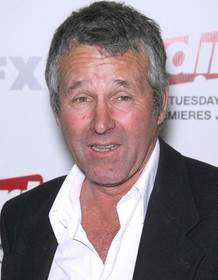
George W. Bush (Timothy Bottoms)
Played by Timothy Bottoms
President Bush is portrayed as calm and deliberate, guiding the nation from classroom safety to a decisive national response. He seeks to shield civilians from panic while absorbing alarming updates from advisors. His leadership frames a firm, resolute approach to confronting the crisis.
- 🧭 Leadership
- 🗣️ Public messaging
- AC
Andrew Card (David McIlwraith)
Played by David McIlwraith
White House Chief of Staff who interrupts the President’s visit with the news of the attack, signaling the shift from routine duties to crisis management. He coordinates the flow of information and decision timelines, underscoring the behind-the-scenes acceleration of action.
- 🕒 Coordination
- 📡 Information flow
- DC
Dick Cheney (Lawrence Pressman)
Played by Lawrence Pressman
Vice President overseeing defense and interagency coordination as threats escalate. He issues precautionary measures and directs early defensive actions, reflecting a pragmatic, hard-edged approach to security.
- ⚙️ Security
- 🧭 Strategy
- CR
Condoleezza Rice (Penny Johnson Jerald)
Played by Penny Johnson Jerald
National Security Advisor coordinating with ministers and advisers to map strategic steps. She embodies the balance between diplomacy and security imperatives, maintaining steadiness under intense pressure.
- 🗺️ Diplomacy
- 🧠 Advisory
- GT
George Tenet (Gerry Mendicino)
Played by Gerry Mendicino
Director of Central Intelligence providing intelligence assessments as agencies align their response. He helps anchor the understanding of global and domestic threats during a rapidly evolving situation.
- 🕵️ Intelligence
- 🗺️ Global outlook
- PW
Paul Wolfowitz (Stephen Macht)
Played by Stephen Macht
Deputy Secretary of Defense contributing to deliberations and policy direction on the crisis. He aids in shaping the defense posture and strategic decisions in real time.
- 🎯 Policy
- 🛡️ Defense
- AF
Ari Fleischer (Scott Alan Smith)
Played by Scott Alan Smith
White House Press Secretary shaping public messaging and communications during the crisis. He translates rapid developments into the administration’s narrative for the nation.
- 🗣️ Communications
- 🧭 Strategy
- CP
Colin Powell (David Fonteno)
Played by David Fonteno
Secretary of State helping calibrate diplomatic and military moves alongside security advisers. He plays a key role in shaping international responses and alliance-building.
- 🌐 Diplomacy
- 🧭 Military coordination
- RM
Robert Mueller (James Carroll)
Played by James Carroll
FBI Director who oversees domestic security operations and investigations as the country shifts to a long-term security posture. His leadership signals a decisive focus on law enforcement within national security.
- 🕵️ Domestic security
- 🧭 Investigations
-
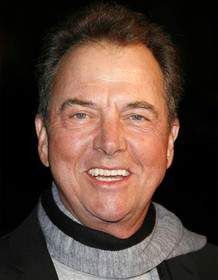
John Ashcroft (Gregory Itzin)
Played by Gregory Itzin
Attorney General participating in cabinet discussions to shape the domestic legal and security response. He contributes to balancing civil liberties with urgent protective measures.
- ⚖️ Domestic law
- 🛡️ Security
Where and When Is DC 9/11: Time of Crisis Set?
DC 9/11: Time of Crisis is set in Pentagon, Emma E. Booker Elementary School, White House, Air Force One and Camp… (September 11, 2001). Here is why the time and place matter to the story.
When
September 11, 2001
The events occur on a single, defining day when the morning of attacks gives way to an aggressive national mobilization. The narrative traces the rapid pace of information, alarms, and high-stakes decisions as the country shifts from routine governance to urgent crisis management. It captures the transition from initial shock to a long-term security posture.
Where
Pentagon, Emma E. Booker Elementary School, White House, Air Force One, Camp David
The film unfolds across key U.S. government hubs, from the Pentagon’s nerve center to the White House, where crisis decisions are quickly made. It also follows the President’s movement between Air Force One and secure locations, illustrating how spaces of power shift to meet an evolving threat. These settings are portrayed as the physical stages where leadership, intelligence, and military responses converge.
- 🎖️ Pentagon
- 🏛️ White House
- ✈️ Air Force One
- 🏫 Emma E. Booker Elementary School
- 🏕️ Camp David
What Are the Themes of DC 9/11: Time of Crisis?
3 ideas the story keeps returning to, among them Crisis Leadership, Counterterrorism and National Unity.
-
01
Crisis Leadership
The story focuses on decision-making under extreme pressure, showing how leaders communicate, reassure the public, and coordinate across defense, intelligence, and diplomacy. It highlights the strain of balancing immediacy with prudence in a fragile moment. The portrayal emphasizes accountability and the burden of choosing a path under uncertainty.
-
02
Counterterrorism
The plot outlines a swift shift toward counterterrorism, including military readiness and security reorganization. It depicts interagency coordination and strategic planning as pivotal to shaping the immediate and long-term response. The narrative links intelligence, diplomacy, and defense in a concerted effort against emerging threats.
-
03
National Unity
The crisis-era rhetoric and actions emphasize unity and resolve across political divisions. The film centers on leaders presenting a steady, unwavering stance to the nation and the world. It underscores the moral stakes of choosing sides in a time of existential threat.
What Kind of Film Is DC 9/11: Time of Crisis?
Tense in tone, with fast pacing and a straightforward story, going by the plot summary.
- Tone
- Tense
- Pacing
- Fast
- Story
- Straightforward
- Intensity
- High
- Ending
- Mixed
A fast-paced, tense docudrama that soberly chronicles the immense pressure and urgent decision-making within the Bush Administration in the immediate, high-stakes aftermath of the 9/11 terrorist attacks.
- anxious
- urgent
- somber
- resolute
- gripping
- sobering
- political leadership
- national crisis
- terrorism
- based on true story
Content notes: terrorism, mass death, airplane accident, building collapse.
Quiz
How well do you remember DC 9/11: Time of Crisis? Test yourself on the story.
Where to Watch DC 9/11: Time of Crisis
Stream it on Fawesome and The Roku Channel. US availability and prices from JustWatch.
Stream 2
 Fawesome
  The Roku Channel
 Streaming availability in the US, powered by 
