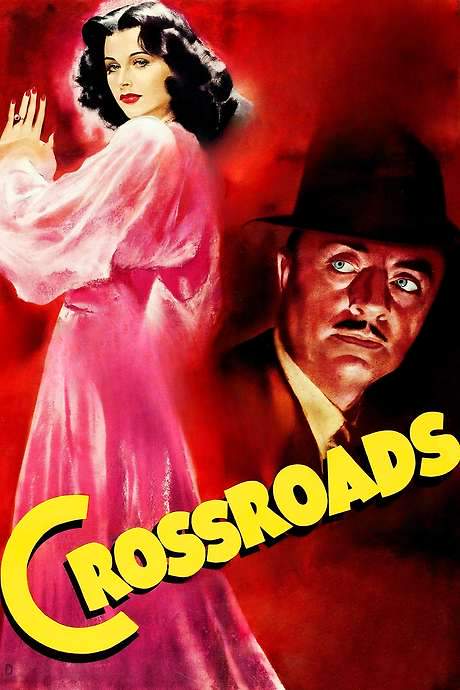
What Is Crossroads About?
The premise of Crossroads in 299 words, with nothing given away. The full story follows below.
In the glamorous yet tense world of 1930s Paris, a young French diplomat steps back into public life after a harrowing accident left him with a blank slate. David Talbot is celebrated for his rising career and his marriage to the striking, much‑younger Lucienne Talbot, whose devotion seems as steadfast as the city’s elegant façades. Their blissful third‑month anniversary is interrupted by a chilling, anonymous demand for a large sum of money—a threat that drags the couple into a maze of legal scrutiny and whispered rumors. The tone is unmistakably noir, blending the glitter of high‑society gatherings with the shadowy undercurrents of distrust.
The courtroom becomes a stage for competing narratives about memory and truth. Dr. Tessier, the psychologist who tended David after his accident, stands firm in his assessment of genuine amnesia, while Dr. Alex Dubroc offers a more skeptical perspective, suggesting that the mind’s fallibility might conceal deeper secrets. This clash of expert opinions sets a cerebral, almost theatrical mood, where every testimony feels like a brushstroke on a larger, unseen portrait. The tension between professional duty and personal loyalty reverberates through the legal proceedings, hinting at stakes that extend far beyond a simple financial claim.
Amid the legal drama, the atmosphere is further colored by figures who operate on the fringes of respectability. The sultry nightclub chanteuse Michelle Allaine watches David with an intensity that suggests hidden connections, while the enigmatic Henri Sarrou arrives bearing documents that could reshape the narrative entirely. Their presence adds a seductive, unpredictable layer to the story, underscoring a world where alliances are as fluid as the jazz that drifts through the cafés. Together, these characters create a rich tapestry of intrigue, offering a glimpse into a world where memory, identity, and desire intertwine beneath the polished surface of diplomatic ambition.
What Happens in Crossroads?
The complete story of Crossroads, from the first scene to the last, in 702 words (about 3 minutes). Spoilers throughout. Names in the text link to 6 cast member pages.
Spoilers ahead
In 1935, rising French diplomat David Talbot and his beautiful, much younger wife Lucienne Talbot are celebrating their third month of marriage when a chilling note arrives from the enigmatic Carlos Le Duc demanding one million francs to settle an old debt. David, who has never met Le Duc, has him arrested for attempted extortion, and the courtroom drama that follows plunges them into a web of memory, identity, and betrayal. Le Duc claims he knew David in 1922 as a petty criminal named Jean Pelletier, a detail that immediately unsettles the young couple and unsettles the court.
Talbot maintains that amnesia, sustained in a devastating train accident that same year, prevents him from remembering anything from that era. The claim is checked by the testimony of Dr. Tessier, the psychologist who treated him and has stood by his account since the wreck. Yet the defense counters with a cunning tactical move: a psychologist, Dr. Alex Dubroc, casts doubt on the reliability of such a diagnosis and suggests Talbot may have fabricated his amnesia to obscure a different, deeper truth. With two men having boarded that train—one survivor—the question of true identity becomes the central mystery: was it Pelletier or Talbot?
The case takes a glamorous turn when Michelle Allaine, the nightclub chanteuse, is introduced on behalf of the defense. After studying David closely, she identifies him as Pelletier, the man she once loved. The momentum shifts again when a surprise witness, Henri Sarrou, arrives bearing documentation that he and Pelletier were roommates in an African hospital and that Pelletier died of illness. This evidence appears to seal Le Duc’s fate, and he is convicted.
Yet the drama isn’t finished. In a private confrontation, Sarrou presses David with a different claim: David is actually Pelletier, and he and Sarrou and Le Duc orchestrated a decade-old robbery in which a courier was killed. Sarrou saved David at the trial only to demand payment for his silence, threatening to recant if the money isn’t forthcoming. Allaine corroborates that David is not Pelletier and that she still has feelings for him, even producing a locket that could prove pivotal.
Allaine reappears at the Talbot home, casting a shadow over Lucienne by hinting at exposure and fanning suspicions. David, anxious and wary, quietly pursues a clandestine meeting with Allaine at the nightclub where she works, still treating him as Pelletier. She escalates the tension by telling him his mother is living in penury nearby. Meanwhile, David visits the address Allaine provides and encounters Madame Pelletier, who insists that he is not her son, though her manner suggests otherwise. In the meantime, Sarrou and Allaine confer again; the real Pelletier is dead, and they’ve been financing their deception with an actress playing Madame Pelletier.
David, realizing the danger of exposure, attempts to flee with his passport, but Sarrou blocks his exit and threatens to seize the million francs from his safe, making it look like an outside robbery. The two men, with Allaine’s fragile loyalties in the air, hatch a plan to seize the government funds and pin the crime elsewhere. David pushes ahead, imploring the authorities to stage an ambush at the office, while Lucienne, who has been secretly tailing him, tries to intervene as the net tightens.
The climax arrives as the police close in at headquarters. David confesses to the earlier robbery and accepts punishment for murder alongside his supposed accomplices, while Allaine panics and finally admits that David is not Pelletier. The truth crystallizes when David, staring at his passport photo, recognizes a scar hidden beneath a carefully styled haircut and realizes the locket’s image—once thought to confirm his past—was a fabrication designed to mask his real identity.
The twist extends to Madame Pelletier’s fate as the actress who played her is arrested. With the scheme exposed and the conspirators behind bars, Talbot is cleared, preserving both his marriage to Lucienne and his ambassadorial career. The film resolves on a note of restoration: memory, truth, and loyalty win out in a courtroom drama that blurred lines between identity and illusion, leaving the couple to move forward with a renewed sense of trust—and a future restored by a careful, unflinching look at the past.
Crossroads Timeline: Every Key Event in Order
15 key events in the order they happen, from “1922 train disaster and amnesia begins” to “Resolution: Talbot cleared; marriage and career saved”. 15 events name a place, across 13 locations.
- 1
1922 train disaster and amnesia begins
A devastating train accident in 1922 leaves David Talbot with amnesia and a murky past. Dr. Tessier treats him after the wreck, hoping to recover his identity. The incident raises the possibility that two similar men boarded the train and only one survived, casting doubt on which man Talbot really is.
When:1922 Where:Train and hospital
- 2
Ransom note interrupts marriage; extortion arrest
During their 1935 celebration, a note from Le Duc demands one million francs for an old debt, and Talbot is arrested for attempted extortion. Le Duc is hauled into court to face charges. In his testimony, Le Duc claims he knew David in 1922 as a petty criminal named Jean Pelletier.
When:1935 Where:Paris
- 3
Amnesia vs. identity: trial confrontation
At the trial, Talbot's amnesia is challenged by Dr. Alex Dubroc, who convinces Tessier to concede the diagnosis's unreliability. He suggests Talbot fabricated his memory loss to hide his real identity. The judge and witnesses are left with the unsettling possibility that Pelletier and Talbot could be the same man, with no definitive proof.
When:1935 Where:Courtroom
- 4
Allaine enters as defense witness
Michelle Allaine, a glamorous nightclub singer, is introduced as a defense witness. She studies David and identifies him as Pelletier, her former lover, complicating Talbot's claimed amnesia. Her testimony connects David to Pelletier's past.
When:1935 Where:Courtroom, Paris
- 5
Sarrou's evidence undermines amnesia; Pelletier died
Henri Sarrou presents documents showing he and Pelletier were roommates in an African hospital, and that Pelletier died of illness. This evidence undermines Talbot's claim of identity and helps convict Le Duc of extortion.
When:1935 Where:Courtroom
- 6
Sarrou privately pressures Talbot
Sarrou privately confronts David, asserting that David is actually Pelletier and that he helped with a decade-old robbery involving a murdered courier. He warns that he will recant unless Talbot pays the million francs. David's fear of exposure grows as the threat looms.
When:1935 Where:Talbot's residence, Paris
- 7
Allaine corroborates and reveals the locket
Allaine corroborates the claim that David and Pelletier are the same man, and she still has feelings for him. She shows him a locket containing a photo of the two of them and hints that she will present it as evidence to Sarrou. Her testimony deepens the stakes of the conspiracy.
When:1935 Where:Talbot home
- 8
Allaine's warning and suspicion in the Talbot home
Allaine appears at the Talbot home and implicitly threatens exposure, planting suspicions in Lucienne's mind. David conceals his fears from his wife, though his doubt about his own identity grows stronger. The couple's stability begins to fracture under the pressure.
When:1935 Where:Talbot residence, Paris
- 9
David seeks Allaine again at the nightclub
David clandestinely visits Allaine at the nightclub where she works, hoping to draw her out. She continues to treat him as Pelletier and accuses him of faking amnesia to betray his friends. She also reveals that his mother is living in penury.
When:1935 Where:Nightclub, Paris
- 10
David meets Madame Pelletier; fraud revealed
David goes to the address given by Allaine and meets Madame Pelletier, who claims that he is not her son, though her demeanor suggests otherwise. He learns that the real Pelletier is dead and that an actress has been hired to play Madame Pelletier. The fraud behind his identity grows increasingly tangled.
When:1935 Where:Address of Madame Pelletier, Paris
Show the other 5 events of Crossroads Hide the last 5 events
- 11
Escape attempt blocked; money is discussed
David collects his passport and tries to flee the country, but Sarrou blocks his escape while hinting that a stash of government funds in Talbot's office can be taken as an outside robbery. The two men discuss hijacking the funds as a bargaining chip in the scheme.
When:1935 Where:Talbot's office / Foreign Ministry, Paris
- 12
Raid on the safe and confrontation
With Sarrou watching, David and Sarrou sneak past guards at the Foreign Ministry and open the safe, retrieving the million francs. Lucienne has followed and tries to intervene, but the police arrive to stop the confrontation.
When:1935 Where:Foreign Ministry, Paris
- 13
Arrests and initial confessions
At the police headquarters, David confesses to the old robbery and admits that he and his co-conspirators must be punished for murder. Allaine panics and admits that David is not Pelletier, turning the case's direction.
When:1935 Where:Police headquarters, Paris
- 14
The truth about the locket and identity
David reveals that the locket image was a fabrication used to mislead Sarrou, and that the passport photo he wore as proof of identity does not match the real story. The revelation finally resolves the question of who he really is.
When:1935 Where:Police HQ / Courtroom, Paris
- 15
Resolution: Talbot cleared; marriage and career saved
With the blackmailers behind bars, Talbot is cleared of the charges and his reputation is restored. Lucienne remains by his side, and his ambassadorial career is saved. The film ends with the truth prevailing and the couple's future secured.
When:1935 Where:Paris
Who Are the Main Characters in Crossroads?
9 characters, among them David Talbot (William Powell), Lucienne Talbot (Hedy Lamarr) and Henri Sarrou (Basil Rathbone): who each one is and the part they play in the story. Every profile links to the actor’s page.
-
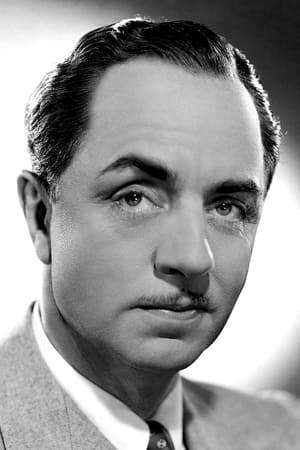
David Talbot (William Powell)
Played by William Powell
A rising French diplomat and ambassador who struggles with a claimed amnesia about a past life as Jean Pelletier. He must prove his identity while navigating love for his wife and pressure from those who would exploit his past. His character sits at the intersection of personal loyalty, public duty, and a dangerous game of memory and deception.
- 🧭 Diplomacy
- 🧠 Amnesia
- 🏛️ Courtroom
- 💔 Loyalty
- LT
Lucienne Talbot (Hedy Lamarr)
Played by Hedy Lamarr
A glamorous nightclub chanteuse and wife who recognizes Talbot as Pelletier. She becomes a key witness to truth and a confidante who wrestles with love, loyalty, and the danger of exposure. Her presence complicates the legal and romantic dynamics surrounding Talbot.
- 🎤 Nightlife
- ❤️ Love
- 🕵️♀️ Deception
- 💎 Presence
-
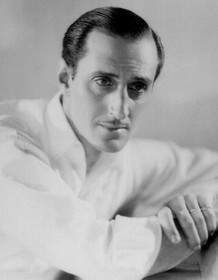
Henri Sarrou (Basil Rathbone)
Played by Basil Rathbone
A calculating figure who claims knowledge of Pelletier’s past and masterminds part of the fraud. He extorts money and manipulates testimony to secure a payoff, becoming a pivotal antagonist whose actions threaten Talbot’s life and marriage.
- 💰 Blackmail
- 🧭 Hidden past
- 🗝️ Secrets
- 🕵️♂️ Conspiracy
-
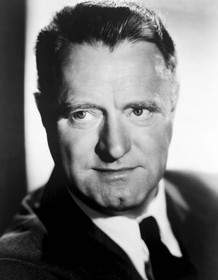
Dr. Alex Dubroc (Sig Ruman)
Played by Sig Ruman
A cunning defense psychologist who challenges the amnesia narrative by discrediting Tessier’s diagnosis. He uses psychological tactics to keep Talbot’s past ambiguous, shaping the defense strategy and courtroom dynamics.
- 🧪 Psychology
- 🧩 Deception
- 🧠 Expertise
- DA
Dr. Andre Tessier (Felix Bressart)
Played by Felix Bressart
Talbot’s treating psychologist whose diagnosis of amnesia is questioned. Tessier’s testimony becomes a battleground for reliability, highlighting the fragility of medical truth in legal and personal crises.
- 🧠 Memory
- 🧪 Medicine
- 🧭 Diagnosis
-
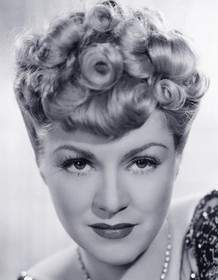
Mlle. Michelle Allaine (Claire Trevor)
Played by Claire Trevor
A glamorous nightclub performer who is used as a witness and a pawn in the complex scheme. Her actions and loyalties influence the outcome and reveal the blurred line between performance and truth.
- 🎤 Performer
- 💔 Love
- 🗝️ Evidence
- 🕵️ Witness
- MP
Madame Pelletier (Margaret Wycherly)
Played by Margaret Wycherly
Pelletier’s mother, living in penury and a potential link to the past. Her demeanor suggests a possible truth about identity, adding emotional weight to the courtroom revelations.
- 👵 Mother
- 🏥 Past
- 🗝️ Family history
- CL
Carlos Le Duc (Vladimir Sokoloff)
Played by Vladimir Sokoloff
A mysterious figure who demands a million francs and plays a crucial role in the extortion plot. His presence anchors the criminal underworld element of the case and heightens the stakes for Talbot.
- 🕵️♂️ Crime
- 💵 Extortion
- 🗂️ Blackmail
- C(
Commissaire (Philip Merivale)
Played by Philip Merivale
The official overseeing the proceedings, whose authority and judgment shape the trial’s course. He is a steady force amid shifting loyalties and hidden agendas.
- 🏛️ Law
- ⚖️ Authority
- 🗳️ Public proceedings
Where and When Is Crossroads Set?
Crossroads is set in Paris, France, African hospital, Nightclub, Foreign ministry, Courtroom (1935). Here is why the time and place matter to the story.
When
1935
Set in 1935, the film situates its drama in the interwar period when diplomacy and intrigue shaped high-stakes politics. Amnesia, memory doubt, and class tensions color the social sphere of Paris and its corridors of power. The courtroom becomes a battleground where past secrets determine present fortunes, just before the looming shadow of broader global conflict.
Where
Paris, France, African hospital, Nightclub, Foreign ministry, Courtroom
The action is centered in Paris, focusing on government ministries and a courtroom. Key scenes occur at a glamorous nightclub where a chanteuse performs, and at a government office where a safe contains important funds. The backstory unfolds in an African hospital, adding a distant but pivotal thread to the characters' past.
- 🗺️ Paris
- 🏛️ Government
- 🌃 Nightlife
What Are the Themes of Crossroads?
3 ideas the story keeps returning to, among them Identity & Memory, Truth & Deception and Justice & Complexity.
-
01
Identity & Memory
Memory is a fragile foundation for identity in Crossroads. Talbot’s claimed amnesia drives the plot, while doctors dispute its reliability and motive. The narrative questions whether who we are is defined by memory, or by the narratives others impose on us. The tension between remembered pasts and forged present truths fuels the emotional core of the film.
-
02
Truth & Deception
Truth is continually constructed and deconstructed through testimonies, misdirection, and blackmail. Defendants and conspirators manipulate facts to steer outcomes, while clever witnesses reveal both revealable and concealed motives. The film shows how appearances can mislead and how a single clue can unravel a web of lies. Ultimate revelations hinge on who is willing to tell the truth when it matters most.
-
03
Justice & Complexity
The courtroom becomes a theater where justice is negotiated as much as decided. Legal outcomes are influenced by memory doubt, personal loyalties, and financial pressure. The plot critiques how power and manipulation can shape 'justice' when evidence is contested and motives are murky. The resolution ties together confession, evidence, and moral choice.
What Kind of Film Is Crossroads?
Tense in tone, with steady pacing and a complex story, going by the plot summary.
- Tone
- Tense
- Pacing
- Steady
- Story
- Complex
- Intensity
- High
- Ending
- Happy
A tightly wound and suspenseful mystery that steadily builds paranoia around a man's forgotten past, creating a tense atmosphere of uncertainty and deception that ultimately resolves with clarity and restored trust.
- suspenseful
- anxious
- paranoid
- mysterious
- uncertain
- atmospheric
- identity crisis
- amnesia
- courtroom drama
- blackmail
Content notes: blackmail, psychological manipulation.
Quiz
How well do you remember Crossroads? Test yourself on the story.