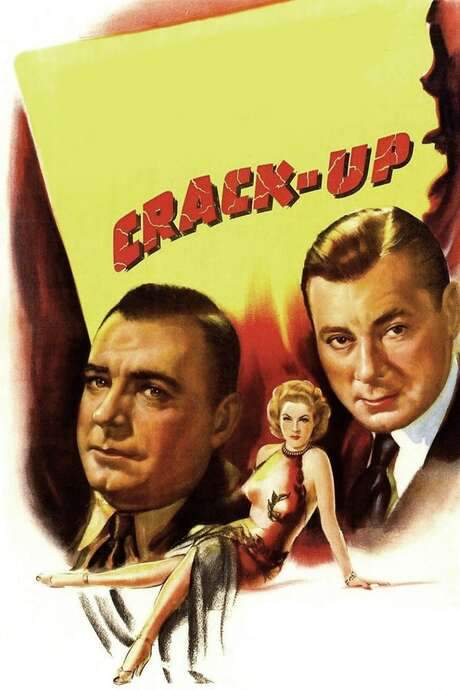
Crack-Up 1946

Directed by

Irving Reis
Made by
RKO Radio Pictures
Where to Watch Crack-Up
See current US streaming, rental, and purchase options for Crack-Up (1946) via JustWatch.

Streaming availability powered by 
Crack-Up Plot Summary
Read the complete plot summary and ending explained for Crack-Up (1946). From turning points to emotional moments, uncover what really happened and why it matters.
George Steele is an impassioned art critic and lecturer whose fervor for authentic masterpieces spills into chaos at the Manhattan Museum of Art. In a moment of manic urgency, he bursts onto the scene during a public talk, forcing his way inside before being restrained by a patrolman. He insists that he has lived through a train wreck, a claim that immediately puts him in a precarious light with the police. Lieutenant Cochrane is skeptical, noting there’s no record of any recent rail accidents, and the credibility of Steele’s story hangs in the balance as investigators probe the bizarre sequence of events that followed his sensational entrance.
From the start, the museum’s leadership tries to stabilize the situation. Director Barton pleads with Cochrane not to arrest Steele, fearing the scandal that could spill over the institution. Yet Steele’s own allies within the museum circle—Stevenson, the curator, and Dr. Lowell the board member who also functions as a medical mind—testify to his character and passion for art. They offer a tempered defense, suggesting that the man’s erratic behavior might be explained by a deeper reverence for authenticity and a long-standing obsession with uncovering fakes. The board, however, is wary, and Steele is briefly suspended after his public lectures are canceled, leaving him sidelined at a moment when his reputation is most sensitive.
What unfolds next is a puzzle threaded through forgery, theft, and a chain of seemingly inexplicable events. Steele’s instincts push him toward a troubling possibility: a famous Gainsborough that had vanished in a maritime fire might actually be a clever counterfeit, crafted to mask the theft of the original. As he tries to piece together the pieces, he presses Stevenson to share more, and their private conversation underscores a shared concern about the integrity of the artworks on loan to the museum. The tension tightens when Stevenson hints at a critical meeting in the museum vault, a moment that will reveal whether the loss is part of a larger scheme. Yet the plot thickens when the curator is found dead, casting a shadow over Steele’s quest for truth and inflaming the sense that someone is willing to go to great lengths to keep the truth buried.
In parallel, Steele makes a bold move to validate his suspicions by reenacting the fateful train ride. His investigation leads him to a troubling discovery: a drunken passenger was forcibly removed from the train by two men, and the timing here points toward a coordinated effort rather than a chance accident. Steele insists that this manipulation is connected to the stolen artworks and the forged paintings. The mounting tension drives him to alert Traybin, an undercover inspector from Scotland Yard who has been quietly watching the case, and who appears to have been guiding events from the shadows all along. The stakes rise as Steele learns that a shipment of the forged Dürer print is scheduled to go back to London, and a plan to recover the genuine masterpiece becomes a race against time.
The drama intensifies when Steele infiltrates a high-society gathering connected to the museum’s inner circle. He discovers that a shipment of the Dürer has been moved forward unexpectedly, and he seizes an opportunity to slip aboard the vessel carrying the artwork. Inside the cargo hold, he works to physically separate the genuine painting from its frame, just as danger closes in. The arsonists manage to lock him in, but a swift response from the ship’s crew and the confrontation with Traybin and Cochrane allow Steele to make a narrow escape. He reaches the pier where Terry Cordell, a magazine writer and his love interest, waits in a car. She proves to be his crucial ally, driving him to safety as the investigation closes in on the smoke-filled conspiracy.
Back on solid ground, Steele and Terry take steps to confirm their suspicions about the forged Gainsborough. A careful examination of the painting using X-ray analysis reveals that the work waiting in London’s shipment is a copy rather than the original. The tension explodes when Mary, Barton’s secretary, is caught in a dangerous moment, brandishing a gun as she and Terry confront the ensemble of suspects. The truth behind the thefts is gradually revealed: Dr. Lowell, a curator with a voracious hunger for collecting rare works, orchestrated the scheme because his passion for art outweighed any sense of legality. He uses narcosynthesis on Steele to manipulate his memory, attempting to force him into silence about the deception. The chilling revelation makes it clear that Lowell’s crime was not a lone act but part of a larger web of art theft and forgery designed to satisfy a pathological longing for beauty and ownership.
In a climactic turn, Traybin and the pursuing authorities close in. They confront Lowell just as Steele and Terry are held hostage, and the confrontation ends with Lowell’s death. Traybin’s true purpose is finally laid bare: he has been investigating the case undercover, ensuring that the stolen works are returned to their rightful places. The victory is bittersweet, as the layers of deceit unravel—but the paintings, including the Dürer and the forged Gainsborough, are recovered and safeguarded. Mary, seeking amnesty for her own involvement, reveals where the missing works have been hidden, offering a path toward clearing the museum of complicity and restoring public trust.
Throughout the ordeal, the film navigates themes of truth, authenticity, and the dangerous allure of art. The ensemble cast—anchored by the tense dynamic between George Steele and the people who oscillate between skepticism and trust—paints a portrait of a world where masterpieces are more than objects of beauty; they are contested emblems of power, secrecy, and desire. The drama unfolds with a measured clarity: Steele’s insistence on reexamining the facts, Barton’s protective instincts for the museum, Stevenson’s cautious loyalty, Lowell’s insatiable appetite for collecting, and Traybin’s disciplined pursuit of accountability all converge in a narrative that remains faithful to its core premise—art is worth defending, even when it demands confronting the darkest corners of human motive. The result is a carefully balanced crime thriller that uses the museum as a labyrinth of minds, motives, and misdirection, ultimately banding together to restore integrity to a world where a single forged canvas could threaten the trust that sustains culture itself.
Crack-Up Timeline
Follow the complete movie timeline of Crack-Up (1946) with every major event in chronological order. Great for understanding complex plots and story progression.
Museum break-in and arrest
George Steele violently forces entry into the Manhattan Museum of Art and is quickly apprehended by a patrolman. He claims he was involved in a train wreck, a story that triggers police interest and confusion about his mental state. Lieutenant Cochrane notes there is no record of any recent accident, while Steele begins to recount the strange events he has experienced.
Lecture clash with Barton
Earlier that day, Steele's enthusiastically received lecture is followed by a rebuke from museum director Barton who denies access to X-ray equipment to prove a forged painting, the Adoration of the Magi. The clash reveals the institution's grip on his work and foreshadows the personal costs of his method. This confrontation frames the stakes of his subsequent investigation.
Urgent call and Grand Central rush
While sharing a drink with his girlfriend Terry Cordell, Steele receives an urgent call that his mother has been taken to a hospital. He rushes to Grand Central Station and boards the last train, hoping to reach her in time. The sudden crisis intensifies his mounting paranoia as the day spirals out of control.
The train wreck
About 40 minutes after boarding, Steele watches helplessly as another train crashes into his own car. The disaster fuels his confusion and becomes the central mystery the police struggle to verify. It marks the dramatic turning point that drives the rest of the plot.
Investigations and witnesses
Cochrane finds no record of a train wreck or his mother's hospital visit, while Barton pleads with him not to arrest Steele. Stevenson and Dr. Lowell vouch for Steele's character, complicating the case and keeping Steele on the museum's radar. The fragile boundary between truth and image in the art world becomes a central tension.
Traybin’s covert interest and Steele’s release
Traybin, a British art expert and undercover investigator, signals that he wants Steele freed, prompting the police to keep a discreet watch on him. Steele is released, but the museum board cancels his lectures and suspends him for unstable behavior. The conflict between law, reputation, and artistic integrity continues behind the scenes.
Reenacting the train trip and forged painting suspicion
Determined to clear his name, Steele attempts to reenact the train voyage and learns that a drunk passenger was removed from the train by two men, suggesting an impersonation. He informs Stevenson and begins to suspect that a Gainsborough loaned to the museum was actually a forged copy. The case widens into a suspected theft scheme.
Vault warning and Stevenson’s murder
Steele is warned that the fire destroying the Gainsborough was not an accident, and he and Stevenson arrange to meet in the museum vault. When he arrives, he finds Stevenson dead and flees as a watchman spots him. The murder escalates the conspiracy and shatters any remaining trust.
Arson aboard the vessel and rescue
Traybin and Cochrane appear just as Steele is cornered by arsonists aboard the vessel; the crew intervenes and Steele escapes back to shore. He is secretly disembarked and collected by Terry, who has driven Traybin to the pier. The team consolidates their pursuit of the truth.
X-ray reveal and kidnapping
Back ashore, Steele persuades Barton's secretary Mary to arrange an X-ray of the painting, confirming that the Gainsborough is a copy. As they leave, Steele is knocked unconscious and Mary brandishes a gun at Terry, signaling the shift to danger. They are taken to the estate of Dr. Lowell, who is revealed to be behind the thefts.
Narcosynthesis and capture
At Lowell's estate, the doctor explains his motive as a frustrated art lover who could never acquire masterpieces legitimately, and uses narcosynthesis on Steele to coax the truth. Traybin and Cochrane burst in just in time, shooting Lowell dead and saving Steele and Terry. The conspiracy begins to unravel as investigators close in on the culprit.
Final unmasking and restitution
Traybin is revealed to be an undercover Scotland Yard inspector who had been investigating the Gainsborough theft and the Dürer’s fate all along, and he orchestrates the safe return of the Dürer. Mary shows Traybin where the stolen artworks are hidden, bringing the case to a close. The film ends with justice served and the truth about the forgeries laid bare.
Crack-Up Characters
Explore all characters from Crack-Up (1946). Get detailed profiles with their roles, arcs, and key relationships explained.
Terry Cordell (Claire Trevor)
A sharp magazine writer and George Steele's girlfriend who stays composed under pressure. She supports Steele's pursuit of the truth and helps navigate the museum’s politics as the scandal unfolds. Her loyalty and quick thinking make her a key ally as the plot thickens and danger mounts.
George Steele (Pat O'Brien)
An impassioned art critic and lecturer whose brilliance borders on reckless. He is forced to confront a memory of a train wreck that may be a fabrication. He pursues the truth through re-enactments, cross-examinations, and careful scrutiny of the forged painting.
Barton (Erskine Sanford)
Museum Director who tries to shield the institution from scandal by controlling access and suppressing investigations. He wields his authority to cancel lectures and keep the focus off a potential controversy, all while balancing institutional image with practical concerns.
Traybin (Herbert Marshall)
A British art expert who operates as an undercover inspector. He quietly pursues the thefts and ensures the safe return of stolen works, guiding Steele and others through the maze of art crime. His restrained demeanor conceals a sharp, persistent investigator.
Dr. Lowell (Ray Collins)
A cunning physician whose obsession with owning great artworks drives the plot. He uses narcosynthesis to manipulate Steele and orchestrates elaborate thefts, only to meet a violent end at the hands of Traybin and colleagues.
Lt. Cochrane (Wallace Ford)
Police lieutenant investigating the trades, trials, and cover-ups surrounding the museum heist. He questions Steele’s story but ultimately collaborates with Traybin to resolve the case, balancing duty with the complexities of truth.
Mary (Mary Ware)
Barton's secretary who becomes entangled in the schemes by arranging the X-ray inspection of the paintings. She shows resourcefulness and acquiesces to shifting loyalties as the plot advances, ultimately playing a pivotal role in exposing the truth.
Stevenson (Damian O'Flynn)
The museum curator and Steele's friend who vouches for him and provides crucial information about the forged Gainsborough. He acts as a thoughtful, cautious ally and helps steer the investigation toward the truth.
Crack-Up Settings
Learn where and when Crack-Up (1946) takes place. Explore the film’s settings, era, and how they shape the narrative.
Time period
1930s
Set in the 1930s, the film depicts a contemporary urban milieu where trains, grand exhibitions, and private estates frame the drama. The era's glamour and crime intersect as forged artworks circulate and power plays shield a theft. The narrative uses period details, such as Grand Central Station and ship travel, to heighten the tension of the mystery.
Location
Manhattan, New York, Grand Central Station, Manhattan Museum of Art, Transatlantic ship
The story unfolds in a bustling New York City setting, with the Manhattan Museum of Art as the central stage for forgeries and theft. Key action also moves through Grand Central Station and a later shipboard sequence, reflecting the era's cosmopolitan art world. The city environment amplifies the suspense as investigators chase clues from galleries to harbor piers.
Crack-Up Themes
Discover the main themes in Crack-Up (1946). Analyze the deeper meanings, emotional layers, and social commentary behind the film.
🎨
Forgery
The plot centers on authentic vs forged artworks like the Dürer and Gainsborough; The reliance on experts and authentication controversies shapes the museum's decisions. The tension arises as Steele and his allies uncover deliberate deceptions rather than accidents. The discovery of a forged painting drives the entire investigation forward.
🕵️
Truth vs Deception
Appearances are misleading as memory and motive are questioned by investigators. The museum's maneuvering to avoid scandal clashes with Steele's pursuit of facts. Allies like Traybin work to separate truth from cover-up, exposing how reputations can be manipulated.
🔎
Investigation
Steele reenacts the journey to uncover hidden clues and follow a trail through galleries, stations, and a ship. Traybin operates undercover, guiding the search for stolen works and the real provenance of the paintings. Forensic-like moves, such as authenticating the Dürer via X-ray, reveal the falsity and drive the confrontation to a climax.

Coming soon on iOS and Android
The Plot Explained Mobile App
From blockbusters to hidden gems — dive into movie stories anytime, anywhere. Save your favorites, discover plots faster, and never miss a twist again.
Sign up to be the first to know when we launch. Your email stays private — always.
Explore the mobile appCrack-Up Spoiler-Free Summary
Discover the spoiler-free summary of Crack-Up (1946). Get a concise overview without any spoilers.
In the sleek, marble‑lined corridors of Manhattan’s flagship Museum of Art, George Steele—a fervent critic and lecturer whose passion for authentic masterpieces borders on obsession—storms into a public lecture with the urgency of someone fleeing a memory that refuses to stay still. His sudden, breath‑less claim that he has just survived a train wreck that no official record acknowledges throws the museum’s orderly world into a disquieting ripple, prompting the police to arrive before the audience can even settle back into their seats. The film opens with Steele’s desperate need to be believed, setting a tone where reality feels as fragile as the canvases he reveres.
The institution itself becomes a character, its polished galleries and hushed vaults reflecting both cultural prestige and hidden tension. Director Barton fights to protect the museum’s reputation while navigating the bewildering claims of his star critic, and Lieutenant Cochrane stands between the law and the possibility that Steele’s turmoil may be a symptom of something far more personal. Around them, colleagues like Stevenson, the seasoned curator, and Dr. Lowell, a board member with a medical background, offer cautious support that hints at deeper loyalties and unspoken doubts. Their interactions are a delicate dance between admiration for Steele’s expertise and concern for the stability of the institution they all serve.
Against this backdrop, Steele’s relationship with Terry Cordell, a sharp‑tongued magazine writer, provides a grounding counterpoint to his spiraling narrative. Their conversations drift between art theory and the murkier realms of memory and perception, underscoring the film’s blend of intellectual intrigue and psychological suspense. The atmosphere is lean and tense, bathed in the cool fluorescence of gallery lights that cast long shadows, suggesting that every masterpiece on display could conceal a secret as compelling as the one Steele is convinced he lives with.
Movies with Similar Twists and Themes
Uncover films that echo the narrative beats, emotional arcs, or dramatic twists of the one you're exploring. These recommendations are handpicked based on story depth, thematic resonance, and spoiler-worthy moments — perfect for fans who crave more of the same intrigue.
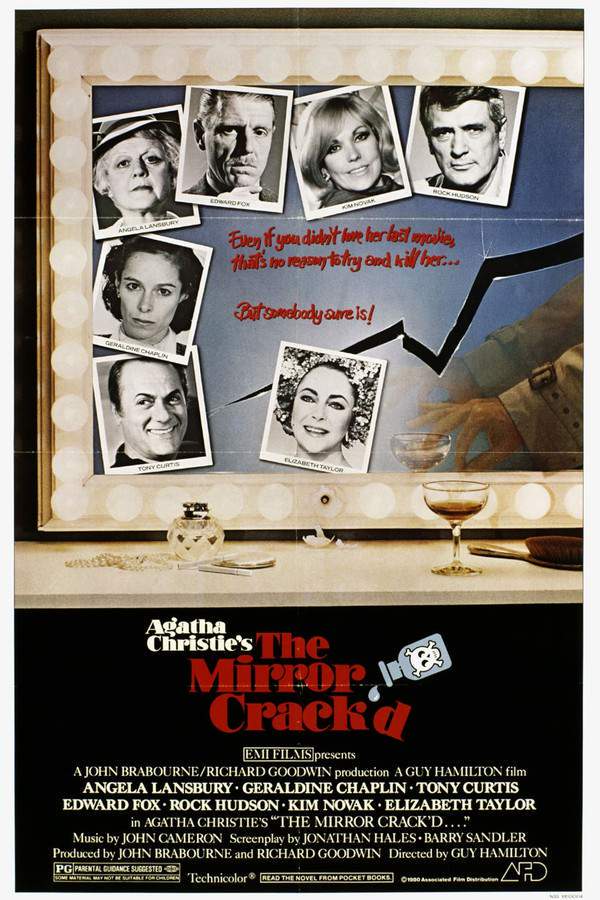
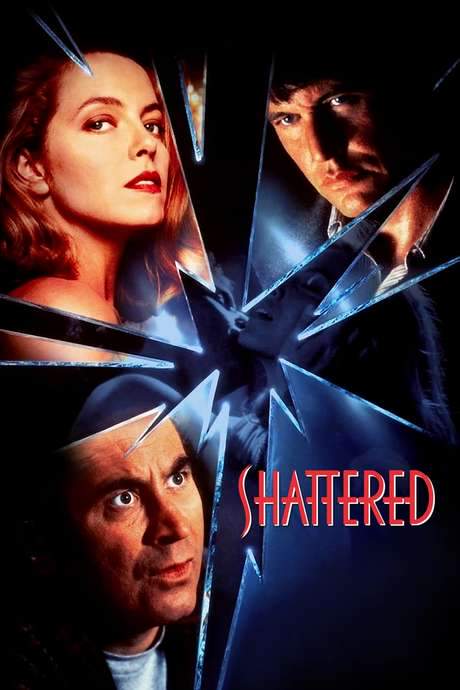


Featured on this page

What's After the Movie?
Not sure whether to stay after the credits? Find out!
Check out our other apps:

SAT Sphere
Build confidence for the Digital SAT.

Mori Atlas
Discover wild places worth protecting.

Luntero
Search smarter for a home in Amsterdam.

Plot Explained
Unravel movie endings and hidden clues.

Pokechamp
Dive into Pokémon data and battle logic.

Driving Theory
Get ready for your European theory test.

Movie Dust
Plan your next cinema trip with ease.

Musemap
Find art and culture as you travel.

Selkobase
Compare credentials before committing.

Local Manual
Turn an unfamiliar country into practical next steps.

Lernavi
Compare school systems before your next move.

GymRoam
Find a workout stop wherever your plans take you.
Explore Our Movie Platform
New Movie Releases (2026)
Famous Movie Actors
Top Film Production Studios
Movie Plot Summaries & Endings
Major Movie Awards & Winners
Best Concert Films & Music Documentaries
Movie Collections and Curated Lists
© 2026 What's After the Movie. All rights reserved.
Privacy Policy