
Cigarette Burns 2005

Directed by
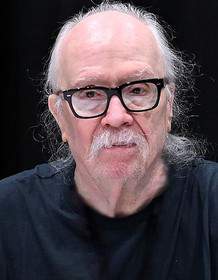
John Carpenter
Made by

Reunion Pictures
Cigarette Burns Plot Summary
Read the complete plot summary and ending explained for Cigarette Burns (2005). From turning points to emotional moments, uncover what really happened and why it matters.
Kirby Sweetman, a rare-films dealer Norman Reedus, is in deep debt to the father of his late fiancée and has less than a month to raise $200,000 to save his struggling theater. The pressure mounts as his deadline closes in, and a fateful phone call leads him to a shadowy figure: Mr. Bellinger Udo Kier, a legendary cinephile and film collector who wields stories and secrets like currency. Bellinger hires Kirby to secure the sole surviving print of a legendary and infamous 30-year-old film, La Fin Absolue du Monde (French: The Absolute End of the World), a project that, unless unearthed, could rescue Kirby’s theater—and perhaps ruin him in the same breath.
Beyond the motive of money, the assignment carries a sinister weight. Bellinger guides Kirby to a hidden room in his sprawling mansion, where an emaciated, pale man—The Willowy Being Christopher Redman—is chained and presented as “one of the stars” of La Fin Absolue. The man’s wounds along his shoulders look like wings, a cruel image that seems mounted on the wall and also etched into the body of the film itself. The exchange underscores a chilling truth: the film is more than a cultural relic; it is a conduit of something malignant and binding.
To set the deal, Bellinger offers a first sum of $100,000, stirring Kirby to push for the full $200,000 he needs. With the price set, Kirby embarks on his search, and his first lead takes him to New York, where the reclusive critic A.K. Meyers Chris Britton has spent decades in a mania built around La Fin Absolue. Meyers has never let go of his review, still drafting and revising the piece thirty years later, and he provides Kirby with an audiotape of an interview with the director Hans Backovic Christian Bocher. The tape pulls Kirby into a nightmare: listening triggers a vision of his late fiancée Annie’s suicide, a brutal memory that gnaws at him as he pursues the film.
A stop in Paris follows, where archivist Henri Cotillard Julius Chapple reveals a terrifying connection: he was the projectionist at a secret private screening and narrowly escaped with his sanity intact when he turned away as the screen flashed. He tells Kirby that he can’t stay involved and directs him toward a contact, the filmmaker Dalibor Douglas Arthurs. Before long, Kirby is seized and injected with an anesthetic, waking to find himself bound in a chair, the woman who drove him there tied opposite him. Dalibor explains the film’s demon-haunted logic: an angel sacrificed in the movie curses all who witness it. In a brutal display, the filmmaker slashes the other bound woman’s throat, leaving Kirby with a terrifying glimpse of what the film’s power can do. Before dying, Dalibor instructs Kirby to seek Katja Backovic, the director’s widow, who might hold the key to completing the task.
In Vancouver, Kirby finally encounters Katja Backovic Gwynyth Walsh. She possesses the only remaining copy of La Fin Absolue and, in stark, quiet terms, reveals how the director died—an attempted murder-suicide that Katja survived. She confirms that the film’s malevolence is not merely a subject of debate but a force that has already claimed lives. Katja’s conservatism about the film is tempered by a practical resolve: she will hand over the copy if it means stopping the spread of the horror, but she also implies that the truth behind the film’s creation is darker than anyone suspects.
With Katja’s copy in hand, Kirby returns to deliver the film to Bellinger and claim his payday. The celebration in Bellinger’s private theater is cut short by the brutal reality that Kirby’s debt is only a catalyst for something larger and more terrifying. Annie’s father, Mr. Matthews, tracks Kirby to the mansion, a man unhinged and desperate, who has chained Kirby’s fate to a shared doom. The mansion’s walls echo with a creeping sense that time is collapsing into the screen. In a devastating turn, Bellinger’s butler Fung [Colin Foo] gouges his own eyes out after watching the film, a visceral symbol of the price paid for gazing too long into the abyss.
Back in the projection room, Bellinger hides behind the equipment, his face contorted by pain and revelation. He speaks in a fevered, delirious aside: the film is not merely a movie but a trailer for what is to come, and he has been inspired to craft his own film from the reels. The macabre progression intensifies as Matthews, now in the theater with Kirby, is drawn into the same warped perception—their shared hallucination culminates in a burning-cigarette cue-mark that blooms across the screen. The two men, bloodied and exhausted, witness a spectral moment where the Willowy Being releases the cinematic trap into the room; the illusion of Annie’s ghost materializes briefly and then dissolves into a more terrifying reality.
In the end, Kirby decides that neither he nor Mr. Matthews can truly escape if Annie can never rest. Their struggle ends with a brutal confrontation: Kirby kills Matthews and, in a final act of destruction and sacrifice, takes his own life. The Willowy Being, stepping back into the gloom, gathers the two reels and walks into the theater. He looks down at Kirby’s corpse and, with a somber, almost grateful tone, says, “Thank you for this,” before departing to whatever fate the film has foreseen for those who dare to watch.
The film’s conclusion lingers with a chilling final image: the reels are the seeds of something beyond cinema, a force that can reach into real life and ignite catastrophe for those who seek to own or decode it. La Fin Absolue du Monde remains a siren call to temptation and danger, a relic that binds its viewers to a fate that transcends the screen, and Kirby’s desperate bid to save a theater becomes a cautionary tale about what it costs to chase a legend—even when the legend promises salvation. > Thank you for this
Cigarette Burns Timeline
Follow the complete movie timeline of Cigarette Burns (2005) with every major event in chronological order. Great for understanding complex plots and story progression.
Debt and a ticking clock to save the theater
Kirby Sweetman, a rare-films dealer, is in deep debt to the father of his late fiancée and has less than a month to raise $200,000 to save his struggling theater. The clock is ticking and failure would mean the end of everything he’s fighting to preserve.
A fateful call and a dangerous job offer
A fateful phone call leads him to Mr. Bellinger, a legendary cinephile who hires him to secure the sole surviving print of La Fin Absolue. Bellinger offers an initial sum of $100,000 to seal the deal, pushing Kirby to aim higher and risk everything.
The Willowy Being and the hidden room
Within Bellinger's mansion, The Willowy Being is chained and presented as a star of La Fin Absolue. The gruesome display makes clear that the film is more than a relic; it is a conduit of something malignant.
The chase for the full price begins
With the price set, Kirby begins his search in earnest to secure the full amount. The hunt takes him from shadowy contacts to dangerous rumors about the film's supposed curse.
Meyers in New York and the audiotape offer
In New York, reclusive critic A.K. Meyers clings to the film and has spent decades drafting and revising his review. He hands Kirby an audiotape of an interview with director Hans Backovic, pulling Kirby into a nightmare when he listens as Annie's suicide resurfaces in his mind.
Parisian secrets and a new lead
In Paris, archivist Henri Cotillard reveals a terrifying link: he once presided over a secret private screening and escaped with his sanity intact when he looked away. Cotillard directs Kirby to the enigmatic filmmaker Dalibor who holds further keys to the film's power.
Dalibor's brutal demonstration
Dalibor abducts Kirby, injects him with anesthetic, and binds him in a chair while a woman is killed before his eyes to illustrate the film's demonic logic. He explains that an angel sacrificed in the movie curses all who witness it and urges Kirby to seek Katja Backovic, the director's widow.
Vancouver reunion with Katja and the film's last copy
Kirby travels to Vancouver where Katja Backovic reveals she has the only remaining copy of La Fin Absolue. She supports halting the horror by handing over the film but hints the truth behind its creation may be darker than anyone suspects.
Delivery to Bellinger and the deeper plan
With Katja's copy in hand, Kirby returns to deliver the film to Bellinger and hoped-for payday, only to realize the debt is a catalyst for something far more sinister. The celebration in Bellinger's private theater is undercut by the sense that the film's power extends beyond money.
Fung's gruesome act as warning
Fung, the mansion's butler, gouges his own eyes out after watching the film, a brutal symbol of the price paid for gazing into the abyss. His act underscores that the film's influence has already begun to consume those around Kirby.
The Matthews intrusion and a shared hallucination
Mr. Matthews, Annie's father, arrives and confronts Kirby, drawing them into the same warped perception unleashed by the film. In the projection room, the Willowy Being's influence culminates in a shared hallucination and a burning cue that blooms across the screen.
Confrontation, sacrifice, and departure
Kirby kills Matthews and, in a final act of sacrifice, takes his own life. The Willowy Being retrieves the reels and departs, pausing to acknowledge Kirby with a somber, grateful tone as it vanishes into the theater's gloom.
A lingering horror beyond the screen
The reels remain seeds of something beyond cinema, ensuring the film's lure will bind future viewers to a fate that transcends the screen. Kirby's desperate bid to save his theater ends as a cautionary tale about chasing legends.
Cigarette Burns Characters
Explore all characters from Cigarette Burns (2005). Get detailed profiles with their roles, arcs, and key relationships explained.
Kirby Sweetman (Norman Reedus)
A rare-films dealer whose mounting debt to Annie’s father drives him to pursue the sole surviving print. He is determined and resourceful, yet increasingly haunted by memories of his fiancée and the film’s sinister pull that threatens his theater and his soul.
Mr. Bellinger (Udo Kier)
A legendary cinephile and film collector who treats stories and secrets as currency. He orchestrates Kirby’s quest for the print, using the film’s danger to test and manipulate those who chase it.
The Willowy Being (Christopher Redman)
An emaciated, wing-wounded figure presented as one of La Fin Absolue du Monde’s stars. He embodies the film’s malignant energy, appearing in the room and guiding or warning those who dare to engage with the print.
A.K. Meyers (Chris Britton)
A reclusive critic who has spent decades obsessively refining his review of La Fin Absolue du Monde. His fixation pulls Kirby into a nightmarish memory and into a larger maze of the film’s influence.
Hans Backovic (Christian Bocher)
The director of La Fin Absolue, whose death and mysterious past become central to the film’s ominous history. He embodies the origin of the film’s curse and the lure of artistic legend.
Katja Backovic (Gwynyth Walsh)
The director’s widow who owns the only remaining copy of La Fin Absolue. Pragmatic and cautious, she negotiates handing over the copy to stop the spread of the horror while hinting at darker truths behind the film’s creation.
Dalibor (Douglas Arthurs)
A filmmaker who articulates the film’s demon-haunted logic and engages in brutal acts to reveal the price of witnessing the abyss. His actions push Kirby toward a threshold from which there is no easy return.
Henri Cotillard (Julius Chapple)
An archivist and former projectionist who survived a secret screening by turning away from the screen. He provides a terrifying link between the film and the catastrophe it can unleash.
Annie (Zara Taylor)
Kirby’s late fiancée, whose memory haunts him as the film triggers recollections of her suicide. She fuels Kirby’s fear and strengthens his resolve to protect what remains of her memory.
Mr. Matthews
Anxious, desperate father of Kirby’s late fiancée who pursues Kirby to enforce the debt, dragging him deeper into the film’s dangerous web.
Cigarette Burns Settings
Learn where and when Cigarette Burns (2005) takes place. Explore the film’s settings, era, and how they shape the narrative.
Location
New York, Paris, Vancouver
The narrative moves across major cities, with New York, Paris, and Vancouver shaping Kirby's relentless hunt for La Fin Absolue du Monde. In New York, the obsession surrounding the print is intensified by a decades-long critic; in Paris, a private screening uncovers the film's dark origins; in Vancouver, the remaining copy becomes a focal point for the drama and its deadly consequences. The settings—hidden rooms, archives, and theaters—underscore cinema as a powerful, invasive force that binds fate to the screen.
Cigarette Burns Themes
Discover the main themes in Cigarette Burns (2005). Analyze the deeper meanings, emotional layers, and social commentary behind the film.
🎬
Obsession
A rare-film dealer’s debt drives him toward the sole surviving print, blurring ethics with desire. The film itself acts as a conduit for a malevolent force, pulling characters deeper into a perilous fixation. Visions and the Willowy Being illustrate how cinema can bind viewers to outcomes they cannot escape. The narrative uses obsession to examine how art can consume those who pursue it.
💰
Debt & Sacrifice
Kirby’s need to raise $200,000 propels him into dangerous bargains, revealing money as both motive and trap. The pursuit escalates to violence and moral compromise, culminating in a brutal choice that costs lives. The ending suggests salvation through sacrifice, where personal ruin becomes the price of trying to save others. Money and power intertwine with peril to reveal the true cost of chasing a legend.
🕯️
Secrets & Trauma
Kirby is haunted by Annie’s suicide, a memory activated by the film’s lure. The truth behind La Fin Absolue du Monde remains guarded, with characters like Katja and others holding fragments. The director’s dark history and the film’s demonic logic blur the line between screen and life. Memory, guilt, and the temptation to unearth forbidden knowledge drive the narrative’s tension.

Coming soon on iOS and Android
The Plot Explained Mobile App
From blockbusters to hidden gems — dive into movie stories anytime, anywhere. Save your favorites, discover plots faster, and never miss a twist again.
Sign up to be the first to know when we launch. Your email stays private — always.
Explore the mobile appCigarette Burns Spoiler-Free Summary
Discover the spoiler-free summary of Cigarette Burns (2005). Get a concise overview without any spoilers.
In a rain‑slick city where neon flickers over cracked sidewalks, Kirby Sweetman runs a once‑vibrant but now crumbling cinema that teeters on the edge of oblivion. Haunted by a turbulent past and shackled by a looming debt, he clings to the fragile hope of rescuing the theater before the deadline that threatens to swallow it whole. When a cryptic phone call arrives, offering a lifeline in the form of a perilous commission, Kirby is thrust into a world where old reels whisper louder than any advertisement.
The caller is an enigmatic collector known only as Mr. Bellinger, whose reputation for safeguarding rare and forbidden pieces precedes him. He proposes a single, unsettling task: locate the sole surviving copy of an infamous film whose solitary screening decades ago is said to have driven its audience into unthinkable frenzy. The legend surrounding the cursed work pulses through whispered rumors in back‑room cafés, dust‑laden archives, and the haunted corridors of forgotten projection rooms. The very idea of the film feels like a dark pulse, a promise of both salvation and ruin that hangs over Kirby’s desperate quest.
As Kirby follows a trail of half‑remembered leads—each more elusive than the last—the atmosphere tightens like the tension of a reel about to snap. The city itself becomes a character, its oppressive shadows and flickering marquees mirroring his own inner turmoil. Encounters with obsessive scholars, weary archivists, and fleeting glimpses of the film’s mythic reputation hint at a darkness that persists beyond the screen, suggesting that the true horror may lie not in the footage but in the obsession it sparks.
The tone of Cigarette Burns weaves together psychological dread with a love‑letter to cinema’s forgotten corners. It invites viewers to linger in the uneasy space between nostalgia and terror, where the quest for a legendary reel becomes a mirror reflecting the fragile line between artistic salvation and consuming madness.
Movies with Similar Twists and Themes
Uncover films that echo the narrative beats, emotional arcs, or dramatic twists of the one you're exploring. These recommendations are handpicked based on story depth, thematic resonance, and spoiler-worthy moments — perfect for fans who crave more of the same intrigue.
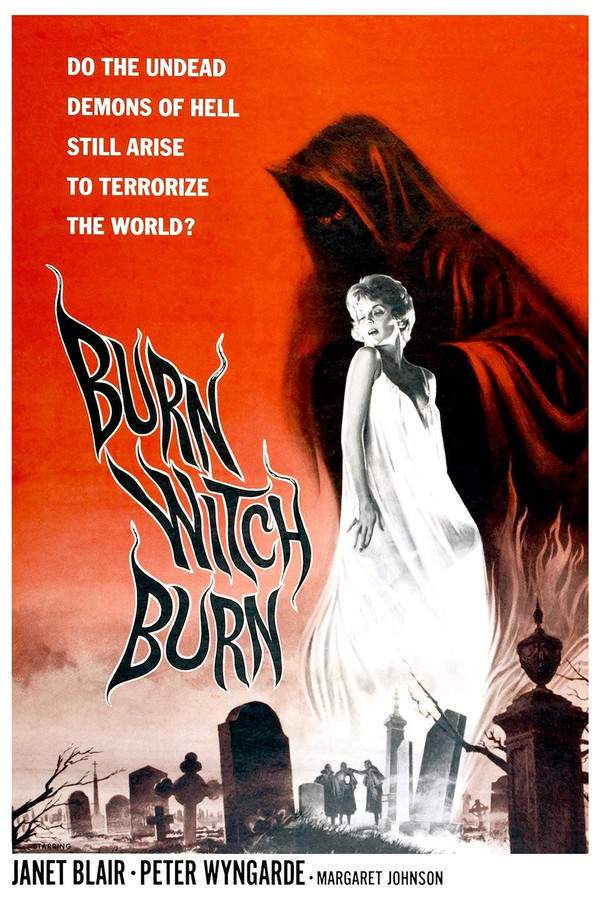
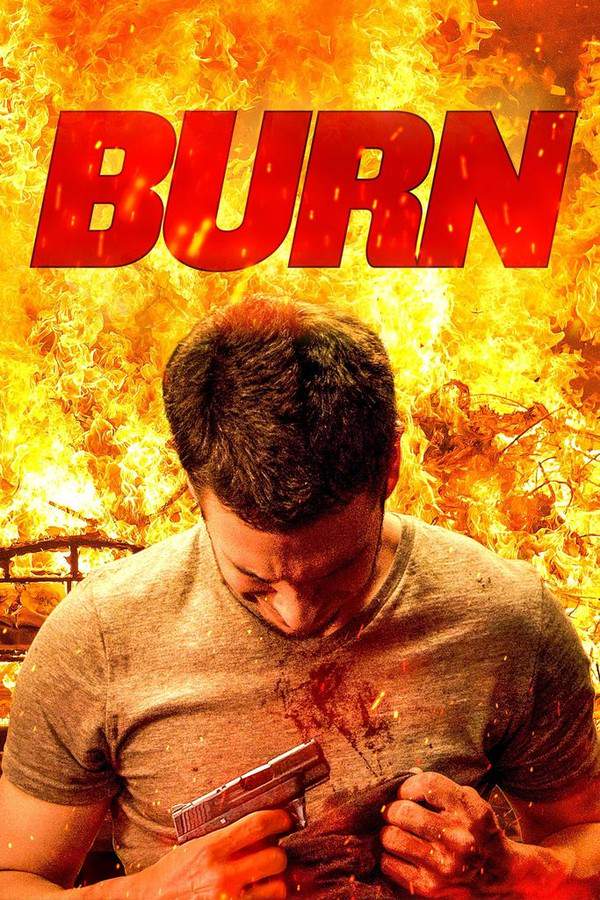
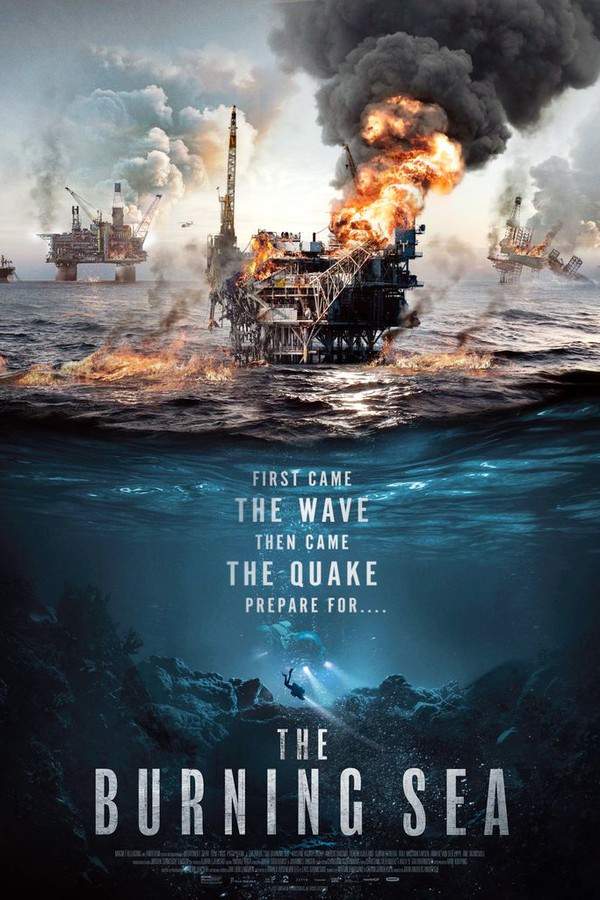




Featured on this page

What's After the Movie?
Not sure whether to stay after the credits? Find out!
Check out our other apps:

SAT Sphere
Build confidence for the Digital SAT.

Mori Atlas
Discover wild places worth protecting.

Luntero
Search smarter for a home in Amsterdam.

Plot Explained
Unravel movie endings and hidden clues.

Pokechamp
Dive into Pokémon data and battle logic.

Driving Theory
Get ready for your European theory test.

Movie Dust
Plan your next cinema trip with ease.

Musemap
Find art and culture as you travel.

Selkobase
Compare credentials before committing.

Local Manual
Turn an unfamiliar country into practical next steps.

Lernavi
Compare school systems before your next move.

GymRoam
Find a workout stop wherever your plans take you.
Explore Our Movie Platform
New Movie Releases (2026)
Famous Movie Actors
Top Film Production Studios
Movie Plot Summaries & Endings
Major Movie Awards & Winners
Best Concert Films & Music Documentaries
Movie Collections and Curated Lists
© 2026 What's After the Movie. All rights reserved.
Privacy Policy