
Cheyenne Autumn 1964

Directed by
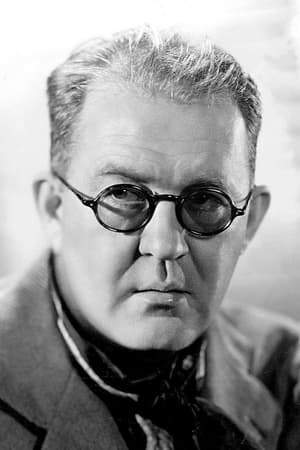
John Ford
Made by

Ford-Smith Productions
Cheyenne Autumn Plot Summary
Read the complete plot summary and ending explained for Cheyenne Autumn (1964). From turning points to emotional moments, uncover what really happened and why it matters.
In 1878, the last remnants of the Cheyenne people have treked some 1,500 miles (2,414 km) from their Yellowstone homeland toward Oklahoma, and their odyssey is witnessed by Deborah Wright, a Quaker schoolteacher who runs a small informal academy for Cheyenne children on her homestead. The caravan is protected by a United States Army cavalry unit led by Captain Thomas Archer, who is engaged to Deborah, and they are awaiting the arrival of a congressional committee from the Bureau of Indian Affairs. Yet a delay note arrives, delaying the journey, and the group camps at Fort Reno as they wait for word.
Archer reassures the Cheyenne leaders, including Dull Knife and Little Wolf, that the BIA will keep providing for their people, but frustration grows as time slips by. In response, the Cheyenne withdraw the Cheyenne children from Deborah’s care to join their kin, prompting Deborah to confront the grim reality that the trek may turn into a return migration rather than a settlement. When she learns that the plan is shifting back toward Yellowstone, she makes a bold choice to accompany them on the perilous journey. The next morning, Archer discovers the departure and dispatches a search party—without artillery—to find them. Among the soldiers is Second Lieutenant Scott, a young officer whose father was killed in the Fetterman massacre, and who views the exodus with a wary mix of duty and history.
Within a canyon, Archer’s unit closes in on the Cheyenne, and tension escalates as [Little Wolf] sends Red Shirt to confront the troops. When Red Shirt shoots one of the searchers, Major Braden takes command and orders the cannons to fire. A brutal skirmish follows, leaving nine soldiers dead, including Braden. The news soon reaches Carl Schurz in Washington, DC, where newspapers twist the story, inflaming public opinion and painting the Cheyenne as savages. The sensational coverage compounds the strain on the already delicate negotiations and underscores the political stakes at stake between the Army and the Bureau.
Archer tries to keep control, sending [Second Lieutenant Scott] to patrol the exodus route, but Scott launches an attack instead, getting wounded in the process. The march continues for hundreds of miles—about 500 miles (805 km)—until the Cheyenne draw near Dodge City, Kansas, only to discover that White settlers have already claimed the town. The sight of these newcomers unsettles the locals, and a sense of looming conflict grows. In a nearby parlor, Wyatt Earp and Doc Holliday watch with nonchalance, while the townspeople organize a campaign to counter the Cheyenne presence. The two famous figures steer the crowd with a careful mix of bravado and calculation, initially directing their force away from the real source of trouble, then retreating after a brief clash.
Months pass as Archer presses on and recruits Sr. First Sergeant (played by Mike Mazurki). By winter, the Cheyenne are divided: one faction presses on toward Yellowstone, while another, led by [Dull Knife], surrenders to Captain Wessels at Fort Robinson and is confined to a barracks. Archer reaches Fort Robinson and reunites with Deborah, but [Captain Wessels] has his own plan—to return the Cheyenne to Oklahoma, a plan that unsettles Archer. Grievances mount, and Archer travels to Washington to plead the Cheyenne’s case with [Carl Schurz], who ultimately agrees to a resolution.
Wessels is removed from his post for drunken conduct and confined to quarters, while conflict brews on the frontier. Before relief arrives, [Dull Knife]’s faction ambushes the garrison, leaving the situation precarious. In the end, Archer and Schurz meet again with [Little Wolf] and [Dull Knife] to negotiate a treaty permitting the Cheyenne to return home. Once back in their homeland, a final, fatal pistol duel between [Red Shirt] and [Little Wolf] ends with Red Shirt dead, and Little Wolf choosing self-exile rather than further bloodshed. With the Cheyenne restored to their ancestral lands, [Captain Thomas Archer] and Deborah choose to stay with them, embracing a life rooted in their new home and the promise of coexistence despite the wounds of the journey.
Cheyenne Autumn Timeline
Follow the complete movie timeline of Cheyenne Autumn (1964) with every major event in chronological order. Great for understanding complex plots and story progression.
Cheyenne begin trek from Yellowstone toward home
The Cheyenne survive a brutal 1,500-mile migration back toward their Yellowstone homeland. Deborah Wright, a Quaker schoolteacher, watches over the group and takes the Cheyenne children as her students. A U.S. Army cavalry troop led by Captain Thomas Archer accompanies the march, and they wait at Fort Reno for a congressional committee from the Bureau of Indian Affairs that never arrives on time. The delay forces the party to linger at Fort Reno.
Dull Knife and Little Wolf press for ongoing support
Tensions rise as the Bureau of Indian Affairs drags its feet, prompting the Cheyenne leaders to demand continued aid. Dull Knife and Little Wolf withdraw the Cheyenne children from Deborah’s school in protest of the delay. Archer reassures protection but the bureaucratic inaction continues to complicate their situation. The community grows unsettled as trust frays.
Deborah joins the migration
That night, Deborah learns the Cheyenne have decided to migrate back to Yellowstone and chooses to accompany them. Her decision demonstrates a deep commitment to the people she has taught and cared for. The plan becomes a personal journey as the caravan reconvenes for the next leg.
Morning departure; Archer's search party
The next morning, Archer discovers the Cheyenne have left Fort Reno and immediately orders a search party. He directs the soldiers with caution, avoiding artillery to prevent escalation. Second Lieutenant Scott shows indifference to the exodus, a remnant of the Fetterman massacre memory. The pursuit resumes under the shadow of pending policy decisions.
Canyon ambush and cannon fire
Within a canyon along the trail, Red Shirt leads the attack against the pursuing soldiers. One soldier is shot by Red Shirt as two searchers venture inside; Major Braden orders two cannons, unleashing a brief but deadly fight. Nine soldiers die, including Braden, in the ensuing chaos. The clash becomes a focal point for sensationalized reports back home.
Media spins tragedy; DC takes notice
Local newspapers inflate the death toll and portray the Cheyenne as savages, shaping public opinion against them. The sensational coverage reaches Secretary of the Interior Carl Schurz in Washington, DC, turning a regional incident into a national debate. Political pressure ramps up as officials reassess BIA policies. The event widens into a political crisis.
Scott's patrol leads to renewed conflict
Archer sends Second Lieutenant Scott to patrol the Cheyenne trail, but Scott launches an unwise attack. A new skirmish leaves Scott wounded and heightens tensions along the march. The Cheyenne press forward toward Dodge City despite growing hostility. The incident illustrates the fragile nature of the exile's safety.
Approaching Dodge City stirs a frontier panic
After about 500 miles, the Cheyenne reach Dodge City, Kansas, only to find a White-settler community already occupying the area. News of the exodus spreads, unsettling the town and fueling fear. Wyatt Earp and Doc Holliday appear detached as residents prepare for a warlike response against the approaching group. Tensions mount as the two sides confront each other.
Months pass; misdirection in the town war campaign
Months pass as Archer renews the chase and recruits additional troops. The townsfolk organize a war campaign against the Cheyenne, while Earp and Holliday allegedly lead in the wrong direction. A minor scuffle erupts, and they retreat when the reality of the threat becomes clear. The community struggles to balance frontier justice with humanitarian concerns.
Winter siege; the Cheyenne split
Winter tightens its grip as the long journey exhausts the group. The Cheyenne split into two factions—one continues toward their homeland, the other surrenders to Fort Robinson under Captain Henry W. Wessells Jr. Archer's pursuit collides with this internal division. The split reshapes the path forward.
Fort Robinson reunion and political maneuvering
Archer arrives at Fort Robinson and reunites with Deborah. Wessells intends to confine the Cheyenne to Oklahoma, provoking Archer to press for a better outcome. He travels to Washington, DC, to plead on their behalf with Secretary Schurz, who agrees to support their return home. The personal and political sides begin to align toward a resolution.
Wessells removed; Dull Knife faction ambush
Wessells is removed from his post for drunken behavior and confined to his quarters. Before relief could arrive, Dull Knife's faction ambushes the stationed troops, leaving Wessells stunned and the garrison shaken. The attack intensifies the push toward a diplomatic solution. The incident underscores the volatility of the situation.
Treaty negotiations to return home
Archer and Schurz meet with Little Wolf and Dull Knife to negotiate a treaty permitting the Cheyenne to return to their homeland. The talks culminate in an agreement that allows their return, with government backing. The Cheyenne prepare to re-enter the Yellowstone region under new terms. Hope returns as diplomacy overrides violence.
Red Shirt and Little Wolf duel; self-exile
Red Shirt dies in a pistol duel with Little Wolf, breaking his vow never to kill another Cheyenne. Little Wolf, shaken by the deed, abandons his vow and goes into self-exile. The duel marks a rift in Cheyenne leadership as they face rebuilding unity. The tribe must navigate the consequences of this act.
Return home and new beginnings
With the Cheyenne back in their homeland, Archer and Deborah decide to remain with them. The exodus ends in a sense of return rather than conquest. Archer's mission shifts to supporting the Cheyenne community, while Deborah continues her role as ally and teacher. They settle into a new, shared life in the homeland.
Cheyenne Autumn Characters
Explore all characters from Cheyenne Autumn (1964). Get detailed profiles with their roles, arcs, and key relationships explained.
Deborah Wright (Carroll Baker)
A Quaker schoolteacher who witnesses the Cheyenne children’s plight and takes them under her care. Her compassion drives her to accompany the Cheyenne on their journey, illustrating moral courage and a commitment to education and welfare beyond cultural boundaries. She embodies empathy, resilience, and a belief in cross-cultural solidarity.
Captain Thomas Archer (Richard Widmark)
A U.S. Army cavalry captain who leads the pursuit and ultimately advocates for a humane resolution for the Cheyenne. Engaged to Deborah, he grapples with duty, morality, and bureaucracy, striving to balance military action with justice. He embodies determination and a conscience-driven leadership.
Dull Knife (Gilbert Roland)
A respected Cheyenne leader who commands the tribe's resolve and makes crucial decisions during migration and negotiations. His actions reflect steadfast leadership and a complex balance between safeguarding his people and seeking safety. He remains a figure of pride and endurance amid pressure.
Little Wolf (Ricardo Montalban)
Cheyenne leader whose presence adds strategic perspective and spiritual consideration to the trek. He participates in negotiations and confrontations, illustrating a measured approach to survival and diplomacy. His character embodies resilience and clan leadership.
Red Shirt (Sal Mineo)
A young Cheyenne warrior and son of Spanish Woman who takes part in the conflicts along the route. His involvement in a pistol duel marks the high human cost of the journey and underscores the peril faced by the tribe. His fate highlights the sacrifices of youth in frontier wars.
Spanish Woman (Dolores del Río)
A pivotal figure who connects Deborah with the Cheyenne people, offering cultural insight and emotional support. She provides crucial information about the Cheyenne decision to migrate, underscoring the importance of women in sustaining communities during hardship.
Carl Schurz (Edward G. Robinson)
Secretary of the Interior who becomes a key political figure in negotiating the Cheyenne’s return to their homeland. He represents bureaucratic deliberation and paternalistic policy, while ultimately supporting a treaty that honors the Cheyenne’s rights. His involvement anchors the governance dimension of the story.
Captain Wessels (Karl Malden)
Fort Robinson commander who embodies military authority and the challenges of containment and control. His leadership is tested by the Cheyenne conflict and the shifting political climate, illustrating the limits of power in frontier diplomacy. He embodies the tension between duty and restraint.
Major Braden (George O'Brien)
A military officer who commands during the canyon skirmish and dies in battle, illustrating the human cost of frontier warfare. His presence marks a turning point in the conflict and emphasizes the brutal realities of the era. He represents the casualties that accompany hard-edged frontier decisions.
Wyatt Earp (James Stewart)
The famed lawman seen in the frontier towns who, along with Doc Holliday, embodies the local response to the Cheyenne arrival. Their presence signals the tension between settler security and the protection of Native communities. They contribute to the atmosphere of law, order, and public sentiment on the frontier.
Doc Holliday (Arthur Kennedy)
A legendary figure in the frontier milieu who moves through the Dodge City and beyond, providing a counterpoint to Archer’s approach. His interactions illustrate the complexities of frontier camaraderie, law, and personal code. He adds a layer of tension and wit to the moral landscape of the story.
Cheyenne Autumn Settings
Learn where and when Cheyenne Autumn (1964) takes place. Explore the film’s settings, era, and how they shape the narrative.
Time period
1878
Set in the late 19th century, during the Indian Wars era, the film centers on a prolonged journey and negotiations between Native tribes and the U.S. government. The timeframe highlights policies of relocation and the fragility of frontier life. The narrative references earlier conflicts and the ongoing struggle for treaty rights and survival.
Location
Yellowstone homeland, Oklahoma homestead, Fort Reno, Fort Robinson, Dodge City, Kansas, Washington, D.C.
The story unfolds across the Great Plains, moving from the Cheyenne homeland near Yellowstone to the Oklahoma homestead and military posts such as Fort Reno and Fort Robinson. The journey eventually threads through frontier towns like Dodge City and reaches Washington, D.C. The vast open landscapes underscore the hardship of migration and the collision of cultures on the American plains.
Cheyenne Autumn Themes
Discover the main themes in Cheyenne Autumn (1964). Analyze the deeper meanings, emotional layers, and social commentary behind the film.
🪶
Displacement
The Cheyenne trek exposes the heavy toll of forced relocation on a people and their culture. The journey tests endurance, community, and the desire to remain connected to homeland. The film frames displacement as both physical survival and a fight to preserve identity.
🗞️
Media & Perception
Newspapers sensationalize casualties and portray the Cheyenne in a hostile light, shaping public opinion and policy. The narrative critiques biased reporting and bureaucratic maneuvering within the Bureau of Indian Affairs. Public rhetoric and press coverage drive the political stakes of the conflict.
🤝
Cross-Cultural Alliance
The story emphasizes cooperation across cultural divides, embodied by Deborah's advocacy and Archer's moral stance. Leaders from both sides negotiate for a humane solution and respect for shared humanity. The relationship between Native leaders and American officials evolves from mistrust to negotiated coexistence.

Coming soon on iOS and Android
The Plot Explained Mobile App
From blockbusters to hidden gems — dive into movie stories anytime, anywhere. Save your favorites, discover plots faster, and never miss a twist again.
Sign up to be the first to know when we launch. Your email stays private — always.
Explore the mobile appCheyenne Autumn Spoiler-Free Summary
Discover the spoiler-free summary of Cheyenne Autumn (1964). Get a concise overview without any spoilers.
The rolling plains of 1878 stretch for a thousand miles, a restless horizon where the wind carries the echo of a people on the move. A band of Cheyenne has begun an arduous trek from the shadow of Yellowstone toward what they hope will become a new home, their journey threading through rugged canyons, stark winter landscapes and bustling frontier towns. The vastness of the frontier is both a promise and a peril, a stage set for an epic adventure that tests the limits of endurance, honor, and compassion.
At the heart of the expedition stands Captain Thomas Archer, a cavalry officer whose sense of duty is tempered by a lingering reluctance to command a force that must chase a determined tribe. Engaged to Deborah Wright, a steadfast Quaker schoolteacher who has opened her homestead to Cheyenne children, Archer finds his responsibilities tangled with personal loyalties. Their partnership offers a glimpse of fragile hope amid the harsh reality of a nation still defining its borders and its conscience.
Guiding the migration are the resolute Cheyenne leaders Dull Knife and Little Wolf, whose resolve to protect their people and preserve their way of life fuels the long march. The caravan’s progress is watched closely by the United States Army and the Bureau of Indian Affairs, each awaiting the arrival of a congressional committee that could shape the tribe’s destiny. Tension builds as promises are weighed against logistics, and the fragile trust between soldier and tribal elder hangs in the balance.
Across the frontier, figures such as Second Lieutenant Scott, a young officer haunted by his family’s past, and Carl Schurz, a Washington statesman navigating public opinion, add layers of political intrigue. The presence of legendary frontier icons like Wyatt Earp and Doc Holliday hints at the wider tapestry of law, legend, and looming conflict that frames the Cheyenne’s odyssey. In this sweeping tableau of perseverance and uneasy alliances, every step forward feels both a gamble and a testament to the human spirit.
Movies with Similar Twists and Themes
Uncover films that echo the narrative beats, emotional arcs, or dramatic twists of the one you're exploring. These recommendations are handpicked based on story depth, thematic resonance, and spoiler-worthy moments — perfect for fans who crave more of the same intrigue.


Featured on this page

What's After the Movie?
Not sure whether to stay after the credits? Find out!
Check out our other apps:

SAT Sphere
Build confidence for the Digital SAT.

Mori Atlas
Discover wild places worth protecting.

Luntero
Search smarter for a home in Amsterdam.

Plot Explained
Unravel movie endings and hidden clues.

Pokechamp
Dive into Pokémon data and battle logic.

Driving Theory
Get ready for your European theory test.

Movie Dust
Plan your next cinema trip with ease.

Musemap
Find art and culture as you travel.

Selkobase
Compare credentials before committing.

Local Manual
Turn an unfamiliar country into practical next steps.

Lernavi
Compare school systems before your next move.

GymRoam
Find a workout stop wherever your plans take you.
Explore Our Movie Platform
New Movie Releases (2026)
Famous Movie Actors
Top Film Production Studios
Movie Plot Summaries & Endings
Major Movie Awards & Winners
Best Concert Films & Music Documentaries
Movie Collections and Curated Lists
© 2026 What's After the Movie. All rights reserved.
Privacy Policy