

What Is Blood Oath About?
The premise of Blood Oath in 290 words, with nothing given away. The full story follows below.
On a remote Pacific island just north of Australia, the final days of World War II leave a quiet jungle alive with the echoes of a recently liberated prisoner‑of‑war camp. The landscape is a stark mix of tropical beauty and the lingering shadows of conflict, where the survivors’ voices still carry the weight of unspoken horrors. As the Allied forces take stock, the island becomes a crucible for confronting the aftermath of a war whose reach extends far beyond the battlefield.
The Australian Army assembles a war‑crimes tribunal to examine what occurred within the camp’s barbed walls. At the heart of the investigation is Captain Cooper, a determined prosecutor whose sense of duty is matched only by his resolve to hold those responsible accountable. His work is amplified by the tension between military discipline and the raw, personal testimonies of the former prisoners, creating a courtroom atmosphere that feels as unforgiving as the jungle outside.
Opposite him stands Vice‑Admiral Baron Takahashi, a senior Japanese officer whose reputation and education set him apart from the men he commands. His presence at the trial introduces an intricate layer of cultural and political nuance, especially as Major Beckett of American intelligence watches closely, aware that diplomatic considerations may soon intertwine with the pursuit of justice. The admiral’s stance, coupled with subtle pressure from U.S. officials, suggests that the outcome could reverberate through the emerging post‑war order.
The film’s tone balances stark, claustrophobic tension with a measured, almost procedural elegance, inviting viewers to contemplate the fragile line between law and morality. As characters navigate loyalty, honor, and the weight of history, the story unfolds like a slow‑burning interrogation of conscience, where every spoken word carries the potential to reshape futures still in the making.
What Happens in Blood Oath?
The complete story of Blood Oath, from the first scene to the last, in 473 words (about 2 minutes). Spoilers throughout. Names in the text link to 2 cast member pages.
Spoilers ahead
On the island of Ambon, as the war nears its end, Australian troops liberate a prisoner-of-war camp and firsthand accounts from survivors reveal a chilling pattern of systemic beatings, torture, and executions carried out by the Japanese captors. Soon after, a sprawling mass grave of beheaded Australian prisoners is discovered in the forest just beyond the camp. The camp commander, Captain Ikeuchi Tetsu Watanabe, denies any knowledge of the killings, repeating the phrase that will echo through the proceedings:
I know nothing of any executions.
With pressure mounting, the Australians place a warrant on the region’s top Japanese officer, Vice-Admiral Baron Takahashi George Takei, and he is brought to Ambon to face trial. Takahashi swears he was not present during the crimes and that Ikeuchi never informed him about the forest grave. In a tense moment in the prisoner barracks, Takahashi refuses to engage with Ikeuchi, declaring in a stark exchange:
there is nothing to discuss.
The Australian prosecutor, Captain Cooper [Bryan Brown], pushes for testimony, but Ikeuchi’s honor-bound stance initially prevents him from admitting involvement. As the courtroom drama unfolds, Takahashi’s defense portrays him as a cultured, British-educated officer who, in the eyes of his lawyers, had shown respect for the Australians. The momentum shifts when Cooper uncovers a hidden truth: a secret court-martial had ordered the deaths of four Australian aircrew members who were on a reconnaissance mission. A witness, the brother of one of the pilots, directly implicates both Takahashi and Ikeuchi, forcing the case into a new light.
A revelation from American intelligence, Major Beckett [Terry O’Quinn], changes the stakes entirely. Beckett reveals that Takahashi has agreed to testify against high-ranking Japanese war criminals in Tokyo and is slated to take a position in the post-war Japanese government. The implication is clear: the verdict may already be decided in advance, and Takahashi is soon found not guilty and released despite the mounting evidence.
Captain Cooper refuses to yield. He coercively extracts a confession from Ikeuchi, who then names a signals officer as a participant in the wartime orders. Lieutenant Tanaka [Kazuhiro Muroyama] takes the stand and confirms that the court martial did take place and that Takahashi ordered the deaths of the airmen and the prisoners at the mass grave. Ikeuchi, overwhelmed by the chain of culpability, commits suicide by seppuku, leaving Tanaka to shoulder the blame for the executions.
In a painstaking conclusion, Cooper argues that Tanaka was merely a pawn in a larger, more devastating scheme and should be spared. The court, however, finds Tanaka guilty, sentencing him to death. He is taken to the forest at dawn, where he calmly faces a firing squad. As the rifles ring out, many in the squad show visible emotion, recognizing the tragedy of a man who may have been innocent in the eyes of those called to judge him.
Blood Oath Timeline: Every Key Event in Order
12 key events in the order they happen, from “Liberation and discovery of brutality” to “Tanaka sentenced and executed”. 12 events name a place, across 10 locations.
- 1
Liberation and discovery of brutality
As World War II ends on Ambon Island, Australian troops liberate the prisoner-of-war camp. Survivors recount systemic beatings, torture, and executions by the Japanese guards. Shortly after, a large mass grave of beheaded Australian prisoners is found in the forest outside the camp.
When:End of World War II Where:Ambon Island
- 2
Ikeuchi denies knowledge
Captain Ikeuchi, the camp commander, denies any knowledge of the killings and insists he does not know what happened. He refuses to acknowledge the crimes, maintaining a defense of ignorance. The barracks atmosphere hints at a broader cover-up.
When:that night Where:Prisoner barracks, Ambon
- 3
Takahashi arrives to face trial
Vice-Admiral Baron Takahashi is brought to Ambon to stand trial for war crimes. His presence signals the pursuit of accountability among Japanese officers. The trial process begins to unfold as prosecutors prepare their case.
When:shortly after liberation Where:Ambon Island courtroom
- 4
Takahashi denies knowledge; Ikeuchi silent
Takahashi denies being present at the executions and claims he was not informed about the mass grave. Ikeuchi remains quiet, refusing to aid the defense or prosecution. The exchange underscores the distance between accused and accuser.
When:that night Where:Prisoner barracks / courtroom, Ambon
- 5
Cooper seeks testimony; Ikeuchi refuses
Captain Cooper, the Australian prosecutor, attempts to compel Ikeuchi to testify against Takahashi. Ikeuchi refuses, citing his honor and loyalty. The trial stalls as key testimonies remain unavailable.
When:during trial Where:Ambon, prisoner camp area
- 6
Defense paints Takahashi as educated and upright
Takahashi's lawyer presents him as a sophisticated British-educated officer who reportedly respected the Australians. The defense uses this portrayal to cast doubt on direct guilt and to evoke sympathy. The strategy seeks to complicate the narrative of responsibility.
When:during trial Where:Courtroom
- 7
Secret court-martial exposed; airmen killed
Cooper uncovers a secret court-martial ordering the deaths of four Australian aircrew. He arranges a witness, the brother of one pilot, who implicates Takahashi and Ikeuchi in the cover-up. The revelation reframes who bears responsibility for the killings.
When:during trial Where:Ambon courtroom
- 8
Beckett hints at Tokyo, verdict appears fixed
Major Beckett reveals Takahashi has agreed to testify against other war criminals in Tokyo and may join the post-war government. This implies a political shield and a pre-decided outcome. Takahashi is described as not guilty and released.
When:late in the trial Where:Ambon, with external intel
- 9
Ikeuchi confesses; Tanaka named
Cooper coerces a confession from Ikeuchi, who admits the court-martial occurred and names Lieutenant Tanaka as a participant. The admission shifts some blame toward Tanaka while leaving Takahashi’s guilt in question. The confession intensifies the push for accountability.
When:after previous revelations Where:Interrogation room, Ambon
- 10
Tanaka testifies; Takahashi implicated
Tanaka testifies that the court-martial happened and that Takahashi ordered the deaths of the airmen and those killed at the mass grave. Ikeuchi’s role is implicated by association, sharpening the case against the chain of command. The courtroom tension peaks as the truth emerges.
When:during the trial after Ikeuchi's confession Where:Ambon courtroom
- 11
Ikeuchi commits seppuku
Overwhelmed by the disclosures, Ikeuchi kills himself by seppuku. He dies, leaving Tanaka to shoulder the full burden of the deaths. The act marks a dramatic, tragic turn in the inquiry.
When:that night Where:Prisoner barracks, Ambon
- 12
Tanaka sentenced and executed
Tanaka is found guilty and sentenced to death. He is brought to the forest the next morning to face execution by firing squad. Many in the firing squad show emotion, believing Tanaka to be innocent, as he calmly accepts his fate.
When:the next morning Where:Forest outside the camp, Ambon
Who Are the Main Characters in Blood Oath?
6 characters, among them Captain Cooper (Bryan Brown), Captain Ikeuchi (Tetsu Watanabe) and Vice-Admiral Baron Takahashi (George Takei): who each one is and the part they play in the story. Every profile links to the actor’s page.
-
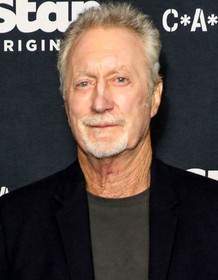
Captain Cooper (Bryan Brown)
Played by Bryan Brown
Australian captain and prosecutor who drives the effort to uncover accountability for the executions and the mass grave. He relentlessly pursues evidence and questions the legitimacy of pre-arranged outcomes, embodying a relentless quest for truth in the face of political pressure.
- ⚖️ Prosecutor
- 🕊️ Determined
- 🛡️ Duty
-
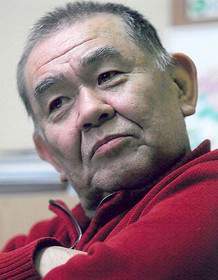
Captain Ikeuchi (Tetsu Watanabe)
Played by Tetsu Watanabe
Camp commander who initially denies knowledge of the killings, claiming honor and duty while resisting testimony. His confessing moment reveals a conflict between personal ethics and institutional pressure, highlighting the complexities of responsibility in wartime leadership.
- 🗡️ Commander
- 🧭 Honor code
-
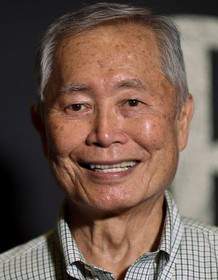
Vice-Admiral Baron Takahashi (George Takei)
Played by George Takei
High-ranking Japanese officer accused of involvement, portrayed as educated and sophisticated yet implicated in ordering executions. His defense snippets and denials reflect the tension between personal reputation and culpability within wartime command structures.
- 🗡️ Military leadership
- 🧭 Sophistication & guilt
- LT
Lieutenant Tanaka (Toshi Shioya)
Played by Toshi Shioya
Signals officer named in testimonies as having participated in the court martial; becomes a focal point for shifting blame within the chain of command. He is depicted as a pawn in a larger political game, facing the consequences of a system that uses individuals to shield others.
- 📜 Witness & pawn
- 🗡️ Consequence
-
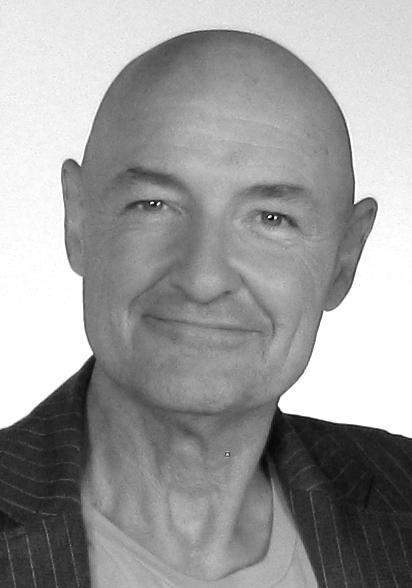
Major Beckett (Terry O'Quinn)
Played by Terry O'Quinn
American intelligence officer who reveals that Takahashi plans to testify in Tokyo, signaling political maneuvers beyond the local trial. His information suggests that the verdict may be influenced by post-war negotiations and governance, adding a layer of complexity to the pursuit of justice.
- 🕵️️ Intelligence
- 🧭 Political influence
- PO
President of the Bench (Ray Barrett)
Played by Ray Barrett
The judge presiding over the proceedings, representing wartime legal authority. The proceedings reflect how judicial figures navigate the tension between truth-seeking prosecutions and the pressures of powerful wartime politics.
- ⚖️ Judge
- 🏛️ Legal authority
Where and When Is Blood Oath Set?
Blood Oath is set in Ambon Island (1945). Here is why the time and place matter to the story.
When
1945
Set in 1945, at the tail end of World War II on Ambon Island. Allied forces liberate the POW camp and uncover the mass executions, shaping a high-stakes pursuit of accountability. The period’s politics influence the proceedings, hinting at outcomes already shaped by larger power dynamics.
Where
Ambon Island
Ambon Island serves as the setting where Australian troops liberate a prisoner-of-war camp. The surrounding forest hides a mass grave of beheaded Australian airmen, underscoring the brutal crimes investigated. The tropical locale frames a post-war legal drama that unfolds within the camp, barracks, and courtroom.
- 🗺️ Ambon Island
- ⚖️ War crimes
- 🏝️ Island locale
What Are the Themes of Blood Oath?
3 ideas the story keeps returning to, among them Justice, Moral Ambiguity and Legacy.
-
01
Justice
The film centers on uncovering responsibility for war crimes, as investigators push to reveal who ordered or knew about the executions. It shows how official cover-ups and courtroom politics can obstruct true accountability. The discovery of a secret court-martial and shifting narratives test the integrity of the legal process. The conclusion—confessions, a controversial not-guilty verdict for high-placing officers, and the pursuit of truth amid pressure—highlights the precarious line between justice and power.
-
02
Moral Ambiguity
Characters display conflicting loyalties: officers of honor who participate in or deny responsibility, and lawyers who push for accountability within a compromised system. Takahashi is portrayed as educated and cultured, yet implicated by the chain of command; Ikeuchi clings to honor while revealing uncomfortable truths. Tanaka appears as a pawn in a larger scheme, illustrating how individuals can be used in service of political ends. The firing squad’s emotional reactions underline the human cost of wartime decisions.
-
03
Legacy
The story confronts how war crimes haunt the immediate post-war period and influence national memory. Political maneuvering in Tokyo affects local justice, suggesting that verdicts can be dictated by higher authorities. The pursuit of the truth for fallen airmen and their families persists beyond the courtroom, shaping how history judges the actions of those involved. The ending underscores the lasting tension between memory, accountability, and reconciliation.
What Kind of Film Is Blood Oath?
Dark in tone, with steady pacing and a moderate story, going by the plot summary.
- Tone
- Dark
- Pacing
- Steady
- Story
- Moderate
- Intensity
- High
- Ending
- Sad
A dark and morally complex war drama that builds steady tension around a war-crimes tribunal, resulting in a somber and tragic viewing experience where the pursuit of justice is overshadowed by political compromise and personal downfall.
- grim
- tense
- somber
- oppressive
- morally complex
- tragic
- war crimes
- military tribunal
- justice vs politics
- ptsd
Content notes: torture, mass executions, suicide, war violence, ptsd.
Quiz
How well do you remember Blood Oath? Test yourself on the story.
Where to Watch Blood Oath
. US availability and prices from JustWatch.
Streaming availability in the US, powered by 


