Blood Oath 1990


On a remote Pacific island north of Australia, Japanese forces ran a POW camp where liberated Australian soldiers recount mass executions of over 800 people and the torture of downed airmen. The Australian Army convenes a war‑crimes tribunal to try the camp’s officers, while a senior Japanese admiral is implicated and U.S. officials lobby for his release, intertwining justice with politics.


Does Blood Oath have end credit scenes?
No!
Blood Oath does not have end credit scenes. You can leave when the credits roll.
Meet the Full Cast and Actors of Blood Oath
Explore the complete cast of Blood Oath, including both lead and supporting actors. Learn who plays each character, discover their past roles and achievements, and find out what makes this ensemble cast stand out in the world of film and television.
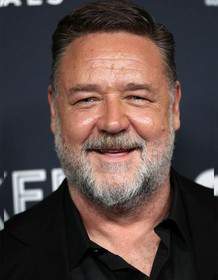
Russell Crowe
Lt. Corbett
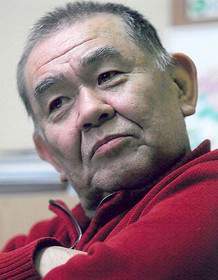
Tetsu Watanabe
Captain Ikeuchi
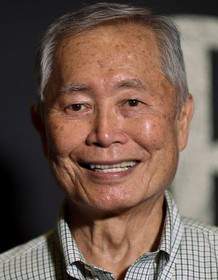
George Takei
Vice-Admiral Baron Takahashi
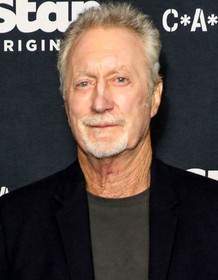
Bryan Brown
Captain Cooper

Kazuhiro Muroyama
Lt. Noburo Kamura

Deborah Kara Unger
Sister Littell
John Polson
Private Jimmy Fenton
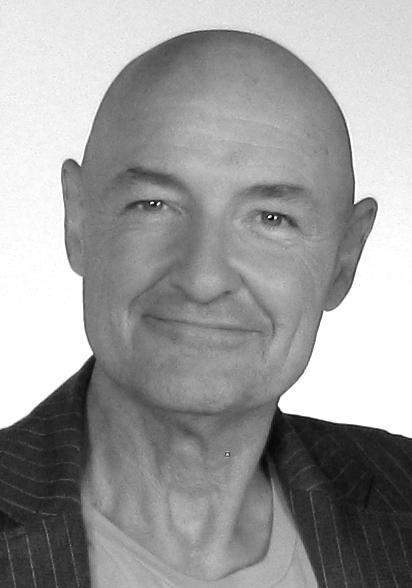
Terry O'Quinn
Major Beckett
John Clarke
Sheedy
David Argue
Flt. Lt. Eddy Fenton
Sokyu Fujita
Mr. Matsugae
Nicholas Eadie
Sgt. Keenan
Jason Donovan
Private Talbot
John Bach
Major Roberts
Ray Barrett
President of the Bench
Toshi Shioya
Lt. Tanaka
Yuichiro Senga
Lt. Shimada
External Links and Streaming Options
Discover where to watch Blood Oath online, including streaming platforms, rental options, and official sources. Compare reviews, ratings, and in-depth movie information across sites like IMDb, TMDb, Wikipedia or Box Office Mojo.





Take the Ultimate Blood Oath Movie Quiz
Challenge your knowledge of Blood Oath with this fun and interactive movie quiz. Test yourself on key plot points, iconic characters, hidden details, and memorable moments to see how well you really know the film.
Blood Oath (1990): A courtroom drama set on Ambon Island after World War II, where Australian prosecutors confront Japanese officers over war crimes, uncovering hidden truth, betrayal, and the tragic fate of a junior officer.
Which Australian officer leads the prosecution against the Japanese war criminals?
Full Plot Summary and Ending Explained for Blood Oath
Read the complete plot summary of Blood Oath, including all major events, twists, and the full ending explained in detail. Explore key characters, themes, hidden meanings, and everything you need to understand the story from beginning to end.
On the island of Ambon, as the war nears its end, Australian troops liberate a prisoner-of-war camp and firsthand accounts from survivors reveal a chilling pattern of systemic beatings, torture, and executions carried out by the Japanese captors. Soon after, a sprawling mass grave of beheaded Australian prisoners is discovered in the forest just beyond the camp. The camp commander, Captain Ikeuchi Tetsu Watanabe, denies any knowledge of the killings, repeating the phrase that will echo through the proceedings:
I know nothing of any executions.
With pressure mounting, the Australians place a warrant on the region’s top Japanese officer, Vice-Admiral Baron Takahashi George Takei, and he is brought to Ambon to face trial. Takahashi swears he was not present during the crimes and that Ikeuchi never informed him about the forest grave. In a tense moment in the prisoner barracks, Takahashi refuses to engage with Ikeuchi, declaring in a stark exchange:
there is nothing to discuss.
The Australian prosecutor, Captain Cooper [Bryan Brown], pushes for testimony, but Ikeuchi’s honor-bound stance initially prevents him from admitting involvement. As the courtroom drama unfolds, Takahashi’s defense portrays him as a cultured, British-educated officer who, in the eyes of his lawyers, had shown respect for the Australians. The momentum shifts when Cooper uncovers a hidden truth: a secret court-martial had ordered the deaths of four Australian aircrew members who were on a reconnaissance mission. A witness, the brother of one of the pilots, directly implicates both Takahashi and Ikeuchi, forcing the case into a new light.
A revelation from American intelligence, Major Beckett [Terry O’Quinn], changes the stakes entirely. Beckett reveals that Takahashi has agreed to testify against high-ranking Japanese war criminals in Tokyo and is slated to take a position in the post-war Japanese government. The implication is clear: the verdict may already be decided in advance, and Takahashi is soon found not guilty and released despite the mounting evidence.
Captain Cooper refuses to yield. He coercively extracts a confession from Ikeuchi, who then names a signals officer as a participant in the wartime orders. Lieutenant Tanaka [Kazuhiro Muroyama] takes the stand and confirms that the court martial did take place and that Takahashi ordered the deaths of the airmen and the prisoners at the mass grave. Ikeuchi, overwhelmed by the chain of culpability, commits suicide by seppuku, leaving Tanaka to shoulder the blame for the executions.
In a painstaking conclusion, Cooper argues that Tanaka was merely a pawn in a larger, more devastating scheme and should be spared. The court, however, finds Tanaka guilty, sentencing him to death. He is taken to the forest at dawn, where he calmly faces a firing squad. As the rifles ring out, many in the squad show visible emotion, recognizing the tragedy of a man who may have been innocent in the eyes of those called to judge him.

Coming soon on iOS and Android
The Plot Explained Mobile App
From blockbusters to hidden gems — dive into movie stories anytime, anywhere. Save your favorites, discover plots faster, and never miss a twist again.
Sign up to be the first to know when we launch. Your email stays private — always.
Explore the mobile appDiscover Film Music Concerts Near You – Live Orchestras Performing Iconic Movie Soundtracks
Immerse yourself in the magic of cinema with live orchestral performances of your favorite film scores. From sweeping Hollywood blockbusters and animated classics to epic fantasy soundtracks, our curated listings connect you to upcoming film music events worldwide.
Explore concert film screenings paired with full orchestra concerts, read detailed event information, and secure your tickets for unforgettable evenings celebrating legendary composers like John Williams, Hans Zimmer, and more.


Blood Oath Themes and Keywords
Discover the central themes, ideas, and keywords that define the movie’s story, tone, and message. Analyze the film’s deeper meanings, genre influences, and recurring concepts.
Blood Oath Other Names and Titles
Explore the various alternative titles, translations, and other names used for Blood Oath across different regions and languages. Understand how the film is marketed and recognized worldwide.
Similar Movies To Blood Oath You Should Know About
Browse a curated list of movies similar in genre, tone, characters, or story structure. Discover new titles like the one you're watching, perfect for fans of related plots, vibes, or cinematic styles.


Quick Links: Summary, Cast, Ratings, More

What's After the Movie?
Not sure whether to stay after the credits? Find out!
Check out our other apps:

SAT Sphere
Build confidence for the Digital SAT.

Mori Atlas
Discover wild places worth protecting.

Luntero
Search smarter for a home in Amsterdam.

Plot Explained
Unravel movie endings and hidden clues.

Pokechamp
Dive into Pokémon data and battle logic.

Driving Theory
Get ready for your European theory test.

Movie Dust
Plan your next cinema trip with ease.

Musemap
Find art and culture as you travel.

Selkobase
Compare credentials before committing.

Local Manual
Turn an unfamiliar country into practical next steps.

Lernavi
Compare school systems before your next move.

GymRoam
Find a workout stop wherever your plans take you.
Explore Our Movie Platform
New Movie Releases (2026)
Famous Movie Actors
Top Film Production Studios
Movie Plot Summaries & Endings
Major Movie Awards & Winners
Best Concert Films & Music Documentaries
Movie Collections and Curated Lists
© 2026 What's After the Movie. All rights reserved.
Privacy Policy