What Is Blind Flight About?
The premise of Blind Flight in 289 words, with nothing given away. The full story follows below.
In the midst of Lebanon’s volatile civil war, a quiet academic from Dublin finds himself abruptly torn from the bustling streets of Beirut and thrust into an iron‑bound cell. Brian Keenan arrives with a scholar’s habit of questioning everything, his humorless demeanor a shield against the bewildering chaos that surrounds him. The world of the film is one where everyday sounds— distant gunfire, the hum of a single lightbulb—are amplified, creating a claustrophobic atmosphere that presses against every breath.
Soon, the confined space expands to share its stark walls with an English journalist who has been tracking Keenan’s disappearance. John McCarthy enters the picture with a pragmatic, adaptable edge, his own story of captivity mirroring the larger turmoil outside. The two men, grounded in contrasting cultural identities—the proud, stubborn Irishman versus the measured Englishman—are forced into close quarters, their personalities colliding and gradually intertwining as they navigate the uncertainty of their imprisonment.
The film’s tone is restrained yet compassionate, observing the quiet heroism that emerges when ordinary lives are caught in extraordinary circumstances. It dwells on the rhythms of daily survival: the careful preservation of dignity, the small games and stories that keep minds sharp, and the subtle, almost invisible acts of humanity that surface even amid indifference and cruelty. The cinematography captures the muted palette of the rooms, the stark contrast of white‑tiled houses against the dusty city beyond, emphasizing how a world of conflict can be reduced to a single, shared space.
Through the evolving bond between Keenan and McCarthy, the narrative meditates on resilience and the unexpected friendships that can blossom under duress. Their relationship becomes a quiet testament to the capacity for compassion to persist, even when the outside world has seemingly shut its doors.
What Happens in Blind Flight?
The complete story of Blind Flight, from the first scene to the last, in 664 words (about 3 minutes). Spoilers throughout. Names in the text link to 2 cast member pages.
Spoilers ahead
Brian Keenan, a humorless bearded Irish academic, relocates to Beirut in the turbulent mid-1980s to teach English and, in a cruel turn of fate, is seized by four armed men one ordinary morning. He awakens in an iron-clad room, nearly naked and alone, and his first instinct is to understand why he has been abducted before he will even consider eating. The initial isolation sets a tense tone, as he holds to a stubborn code of self-control, testing the limits of his captors’ patience and his own resolve.
The story widens when Keenan is moved from his solitary confinement into a hollowed-out, deserted house where a second prisoner is introduced: John McCarthy, an English journalist who had been reporting on Keenan’s disappearance just before his own capture. The two men—one gruff, irritable, proudly Irish, and the other more adaptable, pragmatic, and English—are forced to share a cramped space. Their personalities collide and then complement each other as they navigate the claustrophobic uncertainties of captivity.
From the outset, Keenan resists the routine impositions of the guards—refusing to shave or change into clean clothes—as a way to preserve dignity and to mirror a broader resistance to an opaque system. The guards’ treatment oscillates between detached indifference, moments of quiet humanity, and blunt cruelty, creating a fragile balance that underscores the prisoners’ fragile humanity. Yet within this precarious balance, a bond forms: the two men begin to rely on one another, crafting a tiny, improvised life within the confines of a single room and later, a series of hiding spots.
Life in captivity takes on a fragile rhythm. They play games like chess to keep their minds sharp, chase mosquitoes that buzz through their space, trap a mouse that sneaks into their quarters, and tell stories to one another as a way to imagine a place beyond the gray walls. They dream of escape, of ordinary days, and of different landscapes, allowing their shared imagination to soften the harsh reality surrounding them. In moments of weakness, they lend support to one another, and when danger looms or one approaches the edge, the other offers steadiness.
A turning point arrives with a brutal moment of humiliation against a young guard who is ordered to torment Keenan by repeatedly opening and closing a window. Keenan strikes back, a raw act of defiance that leaves him beaten. McCarthy steps in to defend his companion, appealing to the captors’ leadership—an intervention that earns him a painful blow as well. This incident crystallizes the intensity of their captivity and the depth of their loyalty to one another.
The captors’ moves escalate, eventually leading to a transfer to a white-tiled countryside house that feels almost clinical in its starkness. Time stretches on, and the men endure more than four years of confinement. Keenan’s release comes with a heavy sigh of relief, yet he faces the ache of leaving McCarthy behind, reluctant to abandon a friend who has become a lifeline in an otherwise grim world.
After their separate paths outward, the narrative returns to the long arc of hope and endurance. Back in Ireland, a year passes before another message arrives: McCarthy is to be released. Keenan, waiting in a pub-turned-temporary sanctuary, finds himself at the airport, where the possibility of reunion finally lingers in the air. The film closes on the quiet tension of reunion and the enduring question of what it means to reclaim life after years of captivity.
This story traverses themes of resilience, the politics of captivity, and the humanity that can survive under extreme pressure. The dynamic between the stubborn, principled Keenan and the more measured McCarthy offers a meditation on how friendships can form under duress and how personal dignity can persist when the outside world has closed in. The journey from a solitary cell to shared captivity, and finally to the prospect of a homecoming, is portrayed with a restrained, compassionate gaze that never loses sight of the individuals at the center of this harrowing experience.
Blind Flight Timeline: Every Key Event in Order
12 key events in the order they happen, from “Abduction and initial confinement in Beirut” to “Awaited reunion at the airport”. 12 events name a place, across 6 locations.
- 1
Abduction and initial confinement in Beirut
An ordinary morning in Beirut, Brian Keenan is seized by four armed men and spirited away. He wakes in an iron-clad room, nearly naked, and immediately seeks to understand why he has been abducted before considering food. The isolation tests his resolve and sets the tone for his captivity.
When:Morning, mid-1980s Where:Beirut, Lebanon
- 2
Transfer to a hollowed-out house and first encounter with McCarthy
Keenan is moved from solitude into a hollowed-out, deserted house where he first encounters John McCarthy, an English journalist. Facing cramped space and clashing temperaments, the two men begin negotiating trust and form a wary alliance. Over time, their relationship shifts from tension to tentative solidarity.
When:Soon after capture Where:Deserted house (Beirut outskirts)
- 3
Keenan's defiant routine to preserve dignity
From the outset, Keenan refuses to shave or change into clean clothes, preserving a stubborn code of self-control. This small act of defiance helps him maintain his sense of self under the opaque system. McCarthy observes the stance and the two men gradually rely on each other's resilience.
When:Early captivity Where:Inside confinement
- 4
Captors' fluctuating treatment
The guards' behavior oscillates between detached indifference, moments of quiet humanity, and blunt cruelty. The prisoners learn to read these shifts as signals for when to press forward or hold back. The fragile balance between captors and captives underscores the fragility of humanity inside captivity.
When:Early to mid captivity Where:Inside confinement
- 5
A tiny improvised life forms in confinement
Inside the cramped space they build a tiny, improvised life: playing chess, chasing mosquitoes, and trapping a mouse. They also tell stories to imagine places beyond the gray walls, creating mental escapes. These rituals keep their minds sharp and their spirits tied to hope.
When:During captivity Where:Inside confinement
- 6
Emerging loyalty and mutual support
As fear grows, they increasingly rely on one another for emotional steadiness. They defend each other during moments of danger and share practical support to endure. Their friendship deepens from practical companionship to genuine loyalty.
When:Mid captivity Where:Inside confinement
- 7
Turning point: a guard's humiliation and its aftermath
A brutal incident occurs when a young guard is ordered to torment Keenan by repeatedly opening and closing a window. Keenan strikes back in a raw act of defiance and is beaten, and McCarthy steps in to defend him, earning his own punishment. The episode crystallizes the intensity of their captivity and deepens their loyalty.
When:Pre-transfer Where:Inside confinement
- 8
Transfer to a stark white-tiled countryside house
The captors relocate the prisoners to a white-tiled countryside house that feels almost clinical and impersonal. Time stretches on as they endure more than four years of captivity in this new setting. The move heightens the monotony and sharpens their longing for escape.
When:After four-plus years in captivity Where:White-tiled countryside house (Lebanon)
- 9
Keenan's release and separation from McCarthy
Keenan is released and returns to Ireland, experiencing relief tempered by the ache of leaving McCarthy behind. He steps back into ordinary life while holding the bond with his friend as a lifeline in memory. The farewell marks a painful, hopeful transition.
When:After four years in captivity Where:Ireland
- 10
A quiet year in Ireland before news of McCarthy's release
Back in Ireland, a year passes before more news arrives about McCarthy's fate. Keenan waits in a pub-turned sanctuary, clinging to hope for his friend's release. The interlude underscores the personal cost of captivity and the stubborn persistence of friendship.
When:One year after Keenan's release Where:Ireland
- 11
News arrives that McCarthy will be released
Another message arrives confirming that McCarthy will also be released. Keenan stands at the airport, sensing a possible reunion on the horizon. The news reframes their shared ordeal as a potential endgame and renews the sense of hope.
When:After Keenan's release; one year later Where:Ireland
- 12
Awaited reunion at the airport
Keenan makes his way to the airport, waiting for the moment when he might finally embrace his friend. The film closes with quiet tension around the reunion and the question of how they will reclaim life after years of captivity. The ending leaves relief and uncertainty in equal measure.
When:Ending, after release Where:Airport, Ireland
Who Are the Main Characters in Blind Flight?
2 characters, among them Brian Keenan (Ian Hart) and John McCarthy (Linus Roache): who each one is and the part they play in the story. Every profile links to the actor’s page.
-

Brian Keenan (Ian Hart)
Played by Ian Hart
A humorless, stubborn Irish academic who resists the guards’ routine to preserve his dignity, refusing to shave or change clothes. He forges an essential, though tense, alliance with McCarthy, anchoring their life in captivity with a steadfast code. His quiet defiance and principled stance set the tone for endurance within the cramped space.
- 💪 Resilient
- 🧭 Principled
- 🔥 Defiant
-
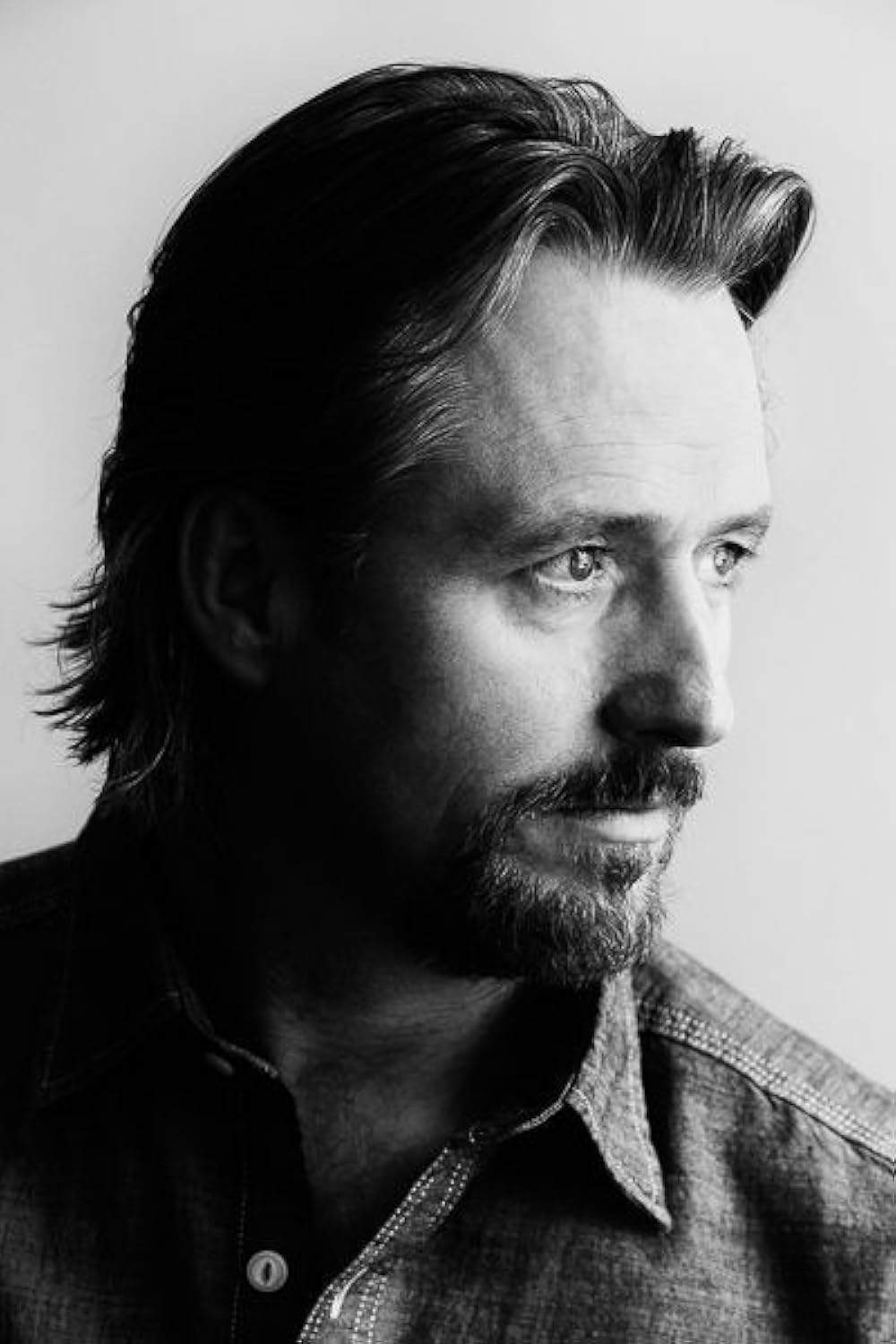
John McCarthy (Linus Roache)
Played by Linus Roache
An English journalist who adapts to the grim circumstances with pragmatism and a collaborative spirit. He becomes a lifeline for Keenan, offering practical support and moments of shared optimism through stories and humor. His loyalty and flexible approach balance Keenan’s rigidity, shaping the duo’s survival.
- 🧭 Pragmatic
- 🤝 Loyal
- 🗣️ Storyteller
Where and When Is Blind Flight Set?
Blind Flight is set in Beirut, Lebanon and Ireland (mid-1980s). Here is why the time and place matter to the story.
When
mid-1980s
Set in the mid-1980s, the film unfolds against the Lebanese civil conflict and the upheaval that accompanies it. The captors’ intermittent indifference and occasional cruelties occur within this precarious era, shaping the prisoners' routines and hopes. The timeline emphasizes years of confinement, the gradual erosion of normalcy, and the long arc toward potential release and reunion.
Where
Beirut, Lebanon, Ireland
The action centers in Beirut during the turbulent 1980s, a backdrop of conflict that frames the prisoners' captivity. The story moves from a claustrophobic iron-clad room to a hollowed-out, deserted house, and later to a stark white-tiled countryside residence, all within a landscape of political turmoil. The eventual return to Ireland marks a shift from confinement to the slow process of reclaiming life beyond the walls.
- 🏙️ War-torn city
- 🗺️ Beirut setting
- 🕰️ 1980s
What Are the Themes of Blind Flight?
3 ideas the story keeps returning to, among them Resilience, Friendship and Power.
-
01
Resilience
Resilience drives the narrative as Keenan and McCarthy endure isolation and uncertain odds. They stave off despair by constructing small rituals: games, stories, and shared routines that preserve dignity. The film emphasizes how inner strength and hopeful imagination can sustain humanity under extreme pressure.
-
02
Friendship
A bond forms between the two men as they navigate cramped space and looming danger. Their contrasting personalities—one stubborn and principled, the other adaptable and pragmatic—complement each other, creating a cooperative lifeline. The friendship becomes a counterweight to dehumanizing captivity and a source of mutual support.
-
03
Power
The narrative probes the politics of captivity and the arbitrary authority of guards. Cruelty is interspersed with moments of humanity, highlighting the fragile line between control and compassion. The captors' decisions and the prisoners' responses reveal how power operates in confined spaces and how dignity can persist despite it.
What Kind of Film Is Blind Flight?
Tense in tone, with slow pacing and a straightforward story, going by the plot summary.
- Tone
- Tense
- Pacing
- Slow
- Story
- Straightforward
- Intensity
- High
- Ending
- Bittersweet
A tense and claustrophobic drama that portrays the harrowing psychological endurance of two hostages, building a profound friendship amidst oppressive uncertainty, culminating in a bittersweet release.
- claustrophobic
- tense
- oppressive
- anxious
- resilient
- melancholic
- captivity
- friendship under duress
- survival
- resistance
Content notes: kidnapping, torture, psychological torment, confinement, beatings.
Quiz
How well do you remember Blind Flight? Test yourself on the story.