What Is Blind Faith About?
The premise of Blind Faith in 303 words, with nothing given away. The full story follows below.
In the simmering heat of a 1957 Southern town, the shadows of segregation stretch long over every street and courtroom. The city’s rigid racial hierarchy is matched only by the unspoken codes that bind its Black community, creating an atmosphere where dignity and survival are constantly at odds. Against this backdrop, the film unfolds with a quiet, oppressive intensity, letting the audience feel the weight of history pressing on each character’s shoulders.
John Williams, a polished black attorney whose reputation is already a beacon of quiet pride, finds his professional world upended when he is called to defend his own family. The case centers on his nephew, Charlie, a young man thrust into the public eye by a harrowing accusation that threatens to unravel the fragile stability his uncle has fought so hard to achieve. As John steps into a legal arena riddled with prejudice, his determination to protect his family collides with the stark reality of a justice system that rarely bends for people who look like him.
Charlie carries his own silent burdens—secrets that could shatter the delicate façade his family maintains. His quiet stoicism hides a deeper conflict, one that forces him to navigate the expectations of a father striving for a groundbreaking promotion within a police force that still views him through a lens of suspicion. The family’s internal dynamics pulse beneath the surface, hinting at unresolved tensions and hidden histories that refuse to stay buried.
The film’s tone is a careful blend of sober courtroom drama and intimate family portrait, drenched in the period’s palpable anxieties. Every scene feels like a delicate dance between duty and desire, law and love, offering a rich tableau that invites viewers to contemplate how far one will go to shield a loved one when the very foundations of society conspire against them.
What Happens in Blind Faith?
The complete story of Blind Faith, from the first scene to the last, in 346 words (about 2 minutes). Spoilers throughout. Names in the text link to 2 cast member pages.
Spoilers ahead
Set in 1957, Charlie Williams is an 18-year-old Black teenager who is secretly gay. He is accused of killing a young white man in a park late at night, a crime tied to the murder of his secret boyfriend, David Mercer, by seven white men in a hate crime based on sexuality. Charlie is arrested and maintains that he was attempting to rob the man, insisting the death was accidental. He chooses to withhold the full truth to protect himself from exposing his homosexuality and to shield his father from shame.
He is charged and placed on trial, where the white men lie and testify against him. The complete sequence of events remains unrevealed during the proceedings because Charlie does not want to disappoint his homophobic father, a well-respected police officer who is on track for a historic promotion to become the first Black sergeant. The family tension underlines the tragedy, as duty and stigma clash with personal truth.
One of his uncles, John Williams, represents him in court and begins to uncover the real story only after speaking with Charlie’s youngest brother, a jazz musician who is regarded as the black sheep of the family. This new insight slowly shifts the perspective around the case, challenging the facade that has kept Charlie’s secret buried.
As the truth inches toward light, the father remains in denial about his son’s sexuality, leaning into his career ambitions rather than facing the implications of what happened that night. By then, the damage is done: Charlie sits on death row, his appeals exhausted, awaiting the electric chair. The sense of inevitability deepens as the system and the family’s loyalties collide, leaving little room for reconciliation.
In the end, Charlie’s state of desperation and longing for acceptance drives a tragic final act. He takes his own life, a choice framed by the belief that this would make his father proud of him for being a “man” and for keeping the secret intact, a punishment and sacrifice that underscores the crushing cost of fear, prejudice, and the crushing weight of unspoken truths.
Blind Faith Timeline: Every Key Event in Order
12 key events in the order they happen, from “Night of the park incident” to “Legacy: the cost of silence”. 10 events name a place, across 10 locations.
- 1
Night of the park incident
In 1957, Charlie, an 18-year-old Black man secretly gay, is in a park late at night when a young white man is killed. This death becomes the spark for a case tied to a hate crime that has already claimed Charlie's boyfriend, David Mercer. He insists the death was an accident and that he only intended to rob the man, but his hidden life makes the defense complicated.
When:late night, 1957 Where:nearby park
- 2
David Mercer and the hate crime background
David Mercer, Charlie's Black boyfriend, is killed by seven white men in a hate crime motivated by sexuality. The brutal murder intensifies fear in the community and deepens Charlie's fear of being exposed. The case becomes entangled with racial and sexual tensions of the era.
When:prior to the park incident
- 3
Charlie's arrest and robbery claim
Following the park incident, Charlie is arrested and charged with the killing. He maintains that he was attempting to rob the white boy and that the death was an accident. He keeps his sexuality hidden to avoid shaming his father, a respected public figure.
When:immediately after the incident Where:police precinct
- 4
Trial begins; witnesses lie
The trial starts and the white men lie and testify against Charlie, presenting a narrative that fits the community's prejudices. The courtroom focuses on the alleged motive rather than the true sequence of events. Charlie remains constrained by silence about his sexuality.
When:during the trial Where:court
- 5
The father and the hunt for promotion
Charlie's father is a well respected police officer who is on track for a historic promotion. He becomes fixated on his own advancement rather than uncovering the truth, which blocks Charlie from telling the full story. The family dynamics are strained as fear and pride collide with justice.
When:during the trial Where:family home / police department
- 6
Uncle takes up the defense
Charlie's uncle, portrayed by an attorney in the story, takes up his case and enters the pursuit for truth. He begins to uncover clues by speaking with Charlie's youngest brother, a jazz musician who has long been seen as the black sheep of the family. The investigation is personal and emotionally charged.
When:during the investigation Where:court / family home
- 7
The youngest brother speaks
Charlie’s youngest brother provides information that hints at what really happened the night of the incident. His revelations start to challenge the official narrative, though they do not fully resolve the case. The family's fractures widen as secrets surface.
When:late in the investigation Where:family home
- 8
Truth surfaces, but is kept quiet
The uncle's inquiries reveal the deeper truth about the night, but Charlie chooses not to disclose it to protect his father. As a result, the crucial details remain buried in the courtroom and within the family. The public record remains a distortion of the real events.
When:late stage of the case Where:family / court
- 9
Conviction and death row
Despite the emerging complexity of truth, Charlie is convicted and sent to death row, awaiting the electric chair. Appeals fail to overturn the verdict, leaving him with little hope for clemency. The system appears unable to accommodate the nuanced intersection of race, sexuality, and truth.
When:post conviction Where:prison
- 10
The final act
With no path to exoneration and driven by the desire to honor his father by keeping the secret, Charlie takes his own life in his prison cell. His death is the culmination of prejudice, fear, and the heavy burden of concealment. The act ends the tragedy in a stark, haunting way.
When:end Where:prison cell
- 11
Aftermath and unresolved truth
In the wake of Charlie's death, the truth about the events of the night remains partly unrevealed, and the father continues to deny his son's sexuality. The uncle's pursuit of justice ends with a grim awareness of how much can be suppressed by family pride and institutional power. The community is left to grapple with what was lost.
When:aftermath Where:family / community
- 12
Legacy: the cost of silence
The story closes with a cautionary note about secrecy and prejudice. The tragedy underscores how the pressure to conform can destroy lives, and the consequences ripple through the family and the wider society. Charlie's life becomes a somber reminder that truth can be sacrificed for belonging.
When:end of story
Who Are the Main Characters in Blind Faith?
3 characters, among them Charlie Williams (Garland Whitt), John Williams (Courtney B. Vance) and Charles Williams (Charles S. Dutton): who each one is and the part they play in the story. Every profile links to the actor’s page.
- CW
Charlie Williams (Garland Whitt)
Played by Garland Whitt
Charlie is an 18-year-old Black man who is secretly gay and is accused of murdering a white man. He initially claims the death was an accidental robbery, concealing the truth to spare his father’s pride and standing. During the trial, the investigation is warped by bias, and the real events are never revealed. His fate on death row ends with a tragic suicide to preserve the family secret.
- 🏳️🌈 Secret sexuality
- ⚖️ Injustice
-

John Williams (Courtney B. Vance)
Played by Courtney B. Vance
John Williams is Charlie's uncle who acts as his defense attorney. He pursues the truth and uncovers crucial details after speaking with his youngest brother, a jazz musician who is the black sheep of the family. His advocacy contrasts with his sister's or father's insistence on preserving appearances, highlighting the tension between loyalty and justice.
- ⚖️ Legal drama
- 🕊️ Justice
-
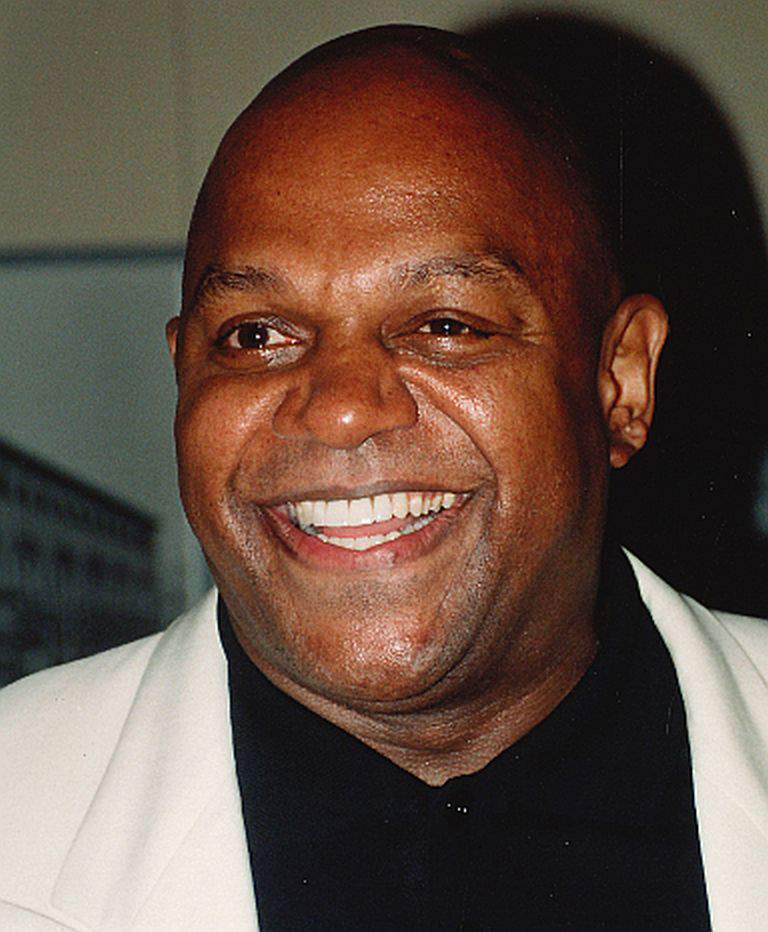
Charles Williams (Charles S. Dutton)
Played by Charles S. Dutton
Charles Williams is Charlie's father, a well-respected police officer in line for a promotion to the first Black sergeant. He is deeply homophobic and focused on his career, denying his son's sexuality and the truth of what happened. His refusal to confront the truth contributes to Charlie's tragedy and the collapse of the family under pressure.
- 💼 Promotion pressure
- 👨👦 Family conflict
Where and When Is Blind Faith Set?
When Blind Faith takes place (1957), and why the period matters to the story.
When
1957
Set in 1957 America amid Jim Crow tensions and strict social codes surrounding sexuality. The era's attitudes shape how characters are judged and how truth is handled within the legal system. Public opinion and fear of scandal influence courtroom dynamics and the pursuit of justice.
What Are the Themes of Blind Faith?
3 ideas the story keeps returning to, among them Secret Truth, Racial Injustice and Family Honor.
-
01
Secret Truth
Charlie's hidden sexuality and the family's effort to protect its reputation drive the concealment of the true events. Secrecy distorts justice and silences crucial evidence, shaping how the case unfolds. The pressure to preserve appearances keeps the truth out of reach for much of the story.
-
02
Racial Injustice
The narrative centers on a Black man accused of murder by a white mob, highlighting racial biases that taint the trial. Testimonies and investigations are filtered through the era's racial hierarchies, undermining fairness. The looming death sentence underscores the deadly stakes of racism in the period.
-
03
Family Honor
A father's ambition and concern for reputation prompt denial of the truth about his son's life. The emphasis on status over honesty prevents a full reckoning of what happened, trapping Charlie in a system that prizes appearances. The tragedy unfolds as loyalty to family undercuts justice.
What Kind of Film Is Blind Faith?
Dark in tone, with steady pacing and a moderate story, going by the plot summary.
- Tone
- Dark
- Pacing
- Steady
- Story
- Moderate
- Intensity
- High
- Ending
- Bleak
A deeply oppressive and tragic drama that follows a young man's devastating descent through a prejudiced legal system, culminating in a bleak and heartbreaking conclusion that underscores the high cost of secrecy and societal hatred.
- oppressive
- desperate
- sad
- tragic
- tense
- claustrophobic
- homophobia
- racial injustice
- courtroom drama
- family secrets
Content notes: hate crime, murder, suicide, homophobia, racism, wrongful conviction.
Where to Watch Blind Faith
Stream it on Amazon MX Player and Amazon Prime Video. US availability and prices from JustWatch.
 Amazon MX Player
  Amazon Prime Video Free with Ads
  Plex
Plex  Plex Channel
  Tubi TV
 Streaming availability in the US, powered by