
Black Orpheus 1959

Directed by
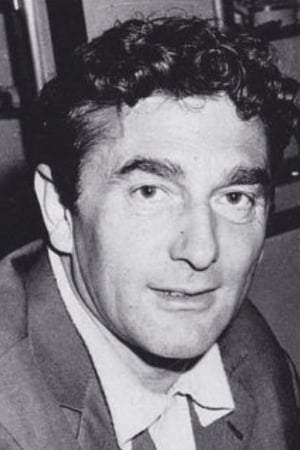
Marcel Camus
Made by

Dispat Films
Black Orpheus Plot Summary
Read the complete plot summary and ending explained for Black Orpheus (1959). From turning points to emotional moments, uncover what really happened and why it matters.
In this vibrant and poetic retelling inspired by the Greek myth of Orpheus and Eurydice, the story unfolds against the lively backdrop of Rio de Janeiro during Carnival. It begins with a stunning visual of a marble Greek bas-relief shattering to reveal a scene of Afro-Brazilian men dancing samba to the rhythm of drums in a bustling favela. This opening sets the tone for a film rich in cultural symbolism and energetic music.
The narrative follows Breno Mello as Orfeu, a charismatic samba musician, who welcomes Eurydice as she arrives in Rio. Eurydice, played by a woman fleeing from a dangerous stranger believing he seeks to kill her, takes a trolley driven by Orfeu to her cousin’s home. She is new to the city, and during her ride, Orfeu introduces her to Hermes, the station guard, who provides her with directions to her relative, Léa Garcia as Serafina.
Despite being engaged to Mira, played by Lourdes de Oliveira, Orfeu’s feelings for Eurydice grow. Their relationship begins with friendly encounters, but soon deeper emotions develop. The two meet at Nassau, a vital part of Rio’s carnival scene, where they fall in love amid the colorful costumes and music. While shopping for a marriage license, Orfeu faces light-hearted teasing when a clerk jokes about his engagement, and Mira presses him for an engagement ring, showing her own impatience and desire for commitment.
Orfeu, still preoccupied with his music and Carnival preparations, secretly welcomes Eurydice into his life, offering her refuge with his friend Serafina and her sailor boyfriend Chico. Their bond intensifies when they share a night together, and Eurydice confides in Orfeu about her fears. She is haunted by the man she believes wants to kill her, but Orfeu heroically defends her from this supernatural danger—the stylized skeleton of Death, who constantly lurks in the background, ready to claim her.
As their romance blossoms, Eurydice joins Orfeu and his friends in the samba school parade during Carnival, where she secretly dresses as Queen of the Night in a stunning costume, with only Orfeu knowing her true identity. During the parade, Orfeu dances with Eurydice instead of Mira, highlighting their deepening connection. However, things take a tragic turn when Mira spots Eurydice in her disguise and rips off her veil, exposing her. This sparks a frantic chase, as Eurydice must escape not only Mira but also the persistent shadow of Death.
In a tense and emotional climax, Eurydice is cornered in Orfeu’s trolley station and hangs from an electric power line to escape her pursuers. Tragically, despite Orfeu’s efforts to save her by turning on the power, Eurydice is electrocuted and dies. Death, in a haunting voice, claims her saying, “Now she’s mine,” and leaves Orfeu devastated and broken.
Devastated, Orfeu searches for Eurydice at the Office of Missing Persons, a metaphor for the mythic underworld, where only a janitor—symbolizing the myth’s ferryman—guides him down a dark spiral staircase to a ritual rooted in Afro-Brazilian religion called Candomblé. Here, amid the mysterious ceremony, the spirit of Eurydice is revealed in the form of an old woman. Orfeu, longing to see her again, is warned not to look at her, but he does, and Eurydice’s spirit fades away, echoing the myth’s tragic ending.
Overcome with grief, Orfeu retrieves Eurydice’s body from the morgue and carries her back through the city, which is now shrouded in mourning. As he approaches his burning home and the scene of his heartbreak, Mira appears in fury, throwing a stone that strikes Orfeu and precipitates his death by falling off a cliff—prising the story with a poetic, tragic conclusion.
The film closes with an uplifting moment of hope. Two children, Jorge Dos Santos as Benedito and Waldetar De Souza as Zeca, believe in Orfeu’s myth—that his music brings the sun to rise each day. After Orfeu’s death, the children continue to play his guitar, and the sun eventually rises, symbolizing renewal and the enduring power of love and music. A girl offers Zeca a single flower as they dance, leaving the story on a note of innocence, resilience, and the everlasting rhythm of life.
Black Orpheus Timeline
Follow the complete movie timeline of Black Orpheus (1959) with every major event in chronological order. Great for understanding complex plots and story progression.
Eurydice Arrives in Rio de Janeiro
Eurydice arrives in Rio on a trolley driven by Orfeu, navigating the busy city and being introduced to her cousin Serafina. She is seeking refuge from a man she fears wants to kill her, indicating her troubled past and need for safety. Orfeu shows her around the city, and she begins to settle into her new environment.
Orfeu and Mira Prepare for Marriage
Orfeu, engaged to Mira, discusses their upcoming marriage but seems disinterested and distracted. They visit a courthouse to get a marriage license, where a joke about Mira’s name annoys Eurydice and causes some tension. Mira’s insistence on a ring reveals her desire for the marriage, though Orfeu prefers to spend money on Carnival preparations.
Eurydice Finds Shelter with Serafina
Eurydice, fleeing from a threatening man she believes wants to kill her, stays temporarily with Serafina next door. Orfeu discovers her presence and ensures her safety by chasing away the man dressed as Death. Their bond deepens as Eurydice and Orfeu fall in love amidst their dangerous circumstances.
Orfeu and Eurydice’s Romantic Encounter
Orfeu offers Eurydice refuge by letting her stay at his place, where they share a romantic night. Eurydice invites Orfeu to her bed, and they make love, cementing their growing love story despite external threats. Their relationship blossoms under the shadow of danger.
Carnival Samba School Parade
Orfeu, Mira, and Serafina participate in a samba school during Carnival, showcasing joyful festivities. Serafina disguises Eurydice as the Queen of the Night, aiming to spend more time with Chico. During the parade, Orfeu dances with Eurydice instead of Mira, highlighting their romantic connection.
Eurydice’s Veil Is Ripped Off
Mira notices Eurydice among the parade spectators and tears off her veil, exposing her disguise. This revelation forces Eurydice to run for her life, chased by Mira and later by Death. Her attempt to escape leads to a near-tragic series of events, emphasizing the danger she faces.
Eurydice Gets Electrocuted
While fleeing, Eurydice hangs from a power line to escape Death. Orfeu accidentally turns on the power, electrocuting her and causing her death. Death claims her as his own, marking a tragic turn and echoing the myth of Orpheus and Eurydice.
Orfeu Seeks Eurydice in the Underworld
Distraught over Eurydice’s death, Orfeu searches for her at the Office of Missing Persons, but finds no trace. A janitor guides him down a spiral staircase to a ritual in a reference to the Greek myth, where Orfeu attempts to bring Eurydice back from the dead through spiritual means.
Orfeu Encounters Eurydice’s Spirit
During the ritual, Orfeu sings to call Eurydice’s spirit, which inhabits the body of an old woman. Despite her pleas for him not to look at her, Orfeu turns and sees her, causing her spirit to depart forever. This moment signifies a failed attempt to reunite with her in the afterlife.
Orfeu Retrieves Eurydice’s Body
Endlessly mourning, Orfeu finds Eurydice’s body at the city morgue and carries her through Rio, heading home. His journey is interrupted when Mira, seeking revenge, hits him with a stone, causing him to fall off a cliff with Eurydice in his arms, resulting in his death.
Children Play as the Sun Rises
After Orfeu’s death, two children, Benedito and Zeca, believe that Orfeu’s guitar playing causes the sun to rise every morning. Zeca plays Orfeu’s guitar, and the sun appears, symbolizing hope and the enduring power of his music, even in death.
Black Orpheus Characters
Explore all characters from Black Orpheus (1959). Get detailed profiles with their roles, arcs, and key relationships explained.
Orfeu (Breno Mello)
A charismatic samba musician whose love for Eurydice drives the story. Orfeu embodies passion, charm, and a deep connection to his cultural roots. His journey reflects a tragic hero's struggle with love, fate, and supernatural forces.
Eurydice (Marpessa Dawn)
A young woman fleeing danger who finds love in Rio. Eurydice is innocent, vulnerable, and caught between safety and destiny. Her tragic end underscores themes of love, sacrifice, and the supernatural in Afro-Brazilian culture.
Mira (Léa Garcia)
Orfeu's fiancée, who is possessive and jealous. Mira's character highlights the complexities of love and fidelity, her actions ultimately contributing to the tragic climax.
Hermes (Alexandre Constantino)
The station guard who provides Orfeu with guidance and represents the bridge between the mortal world and the spiritual realm. Hermes embodies loyalty and the connection to Afro-Brazilian spirituality.
Black Orpheus Settings
Learn where and when Black Orpheus (1959) takes place. Explore the film’s settings, era, and how they shape the narrative.
Time period
Carnival Season, Likely 1960s
The events take place during the Carnival season, a time of celebration, music, and dance in Brazil. The film reflects the cultural atmosphere of mid-20th century Rio, emphasizing traditional Afro-Brazilian music and festivities that define the era's lively spirit.
Location
Rio de Janeiro, Favela
The movie is set in Rio de Janeiro, a vibrant city famous for its lively culture, iconic landmarks, and carnival festivities. The favela represents the bustling, lively, and sometimes impoverished neighborhoods that are central to the film's energetic backdrop. It showcases the community's strong musical and cultural traditions, especially during Carnival.
Black Orpheus Themes
Discover the main themes in Black Orpheus (1959). Analyze the deeper meanings, emotional layers, and social commentary behind the film.
🌀
Love and Tragedy
The film explores passionate love intertwined with tragedy, as Orfeu and Eurydice's romance faces threats from societal expectations, jealousy, and supernatural forces. Their love story echoes mythological themes of longing and loss, highlighting how love can transcend and ultimately succumb to tragedy.
🔥
Life and Death
Central to the narrative is the theme of mortality, depicted through Eurydice's death and Orfeu's grief. The film delves into the Afro-Brazilian spiritual beliefs about the afterlife, death's inevitability, and the desire for eternal love beyond mortal boundaries.

Coming soon on iOS and Android
The Plot Explained Mobile App
From blockbusters to hidden gems — dive into movie stories anytime, anywhere. Save your favorites, discover plots faster, and never miss a twist again.
Sign up to be the first to know when we launch. Your email stays private — always.
Explore the mobile appBlack Orpheus Spoiler-Free Summary
Discover the spoiler-free summary of Black Orpheus (1959). Get a concise overview without any spoilers.
Set against the riotous pulse of Rio’s Carnaval, the film opens to a city that feels simultaneously like a living samba parade and an enchanted dreamscape. Neon costumes, thundering drums, and streets alive with dancers create a backdrop where myth and modernity tumble together, while the gentle strains of Luiz Bonfá and Antônio Carlos Jobim float like a whispered promise. The mood is both celebratory and haunting, inviting viewers to lose themselves in the rhythm of a place where every corner hums with possibility.
At the heart of this vivid world is Orfeu, a charismatic samba musician whose music seems to summon the very soul of the city. When the enigmatic Eurydice arrives, fresh from a journey that hints at danger, the two quickly become entwined in a bond that feels as inevitable as a melody. Their connection is complicated by Mira, Orfeu’s jealous fiancée, whose presence adds a sharp, lingering tension to the carefree carnival atmosphere. A shadowy figure—an assassin cloaked in the guise of Death—lurks in the periphery, turning the festive streets into a subtle game of cat‑and‑mouse.
The film’s tone balances lyricism with grounded reality, allowing the fantastical elements of the Orpheus myth to unfold amid the gritty texture of Rio’s favela and the dazzling spectacle of the parade. Visuals shift from impressionistic bursts of colour to intimate, earthy close‑ups, mirroring the characters’ internal swings between hope and dread. The soundtrack, a pioneering blend of bossa nova and samba, underpins every scene, making the city itself feel like a living instrument that responds to the characters’ emotions.
Through its rich tapestry of music, myth, and metropolitan splendor, the story invites curiosity about how love, fate, and a relentless pursuit will echo through the streets of Carnival. The audience is left swaying to the rhythm, eager to discover how the entwined destinies of Orfeu, Eurydice, and Mira will resonate long after the final note fades.
Movies with Similar Twists and Themes
Uncover films that echo the narrative beats, emotional arcs, or dramatic twists of the one you're exploring. These recommendations are handpicked based on story depth, thematic resonance, and spoiler-worthy moments — perfect for fans who crave more of the same intrigue.
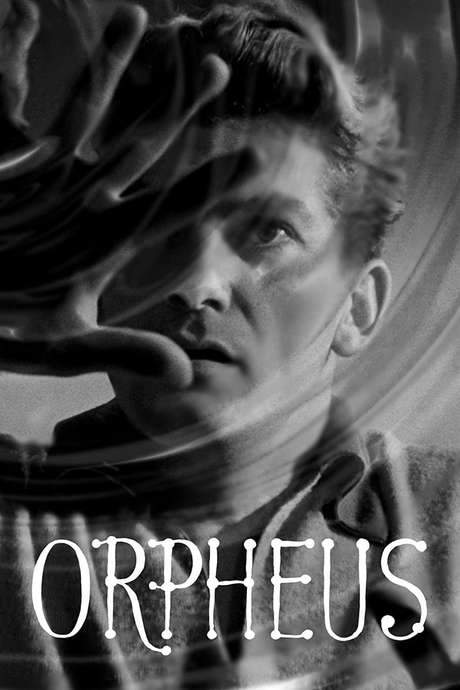
Featured on this page

What's After the Movie?
Not sure whether to stay after the credits? Find out!
Check out our other apps:

SAT Sphere
Build confidence for the Digital SAT.

Mori Atlas
Discover wild places worth protecting.

Luntero
Search smarter for a home in Amsterdam.

Plot Explained
Unravel movie endings and hidden clues.

Pokechamp
Dive into Pokémon data and battle logic.

Driving Theory
Get ready for your European theory test.

Movie Dust
Plan your next cinema trip with ease.

Musemap
Find art and culture as you travel.

Selkobase
Compare credentials before committing.

Local Manual
Turn an unfamiliar country into practical next steps.

Lernavi
Compare school systems before your next move.

GymRoam
Find a workout stop wherever your plans take you.
Explore Our Movie Platform
New Movie Releases (2026)
Famous Movie Actors
Top Film Production Studios
Movie Plot Summaries & Endings
Major Movie Awards & Winners
Best Concert Films & Music Documentaries
Movie Collections and Curated Lists
© 2026 What's After the Movie. All rights reserved.
Privacy Policy