
Black Orpheus 1959


Set against Rio’s vibrant Carnaval, young lovers Orfeu and Eurydice flee a hitman masquerading as Death while pursued by Orfeu’s jealous fiancée Mira. The film blends fantasy and stark reality in an impressionistic retelling of the Orpheus myth, and its soundtrack by Luiz Bonfá and Antonio Carlos Jobim introduced bossa nova to international audiences.


Does Black Orpheus have end credit scenes?
No!
Black Orpheus does not have end credit scenes. You can leave when the credits roll.
Meet the Full Cast and Actors of Black Orpheus
Explore the complete cast of Black Orpheus, including both lead and supporting actors. Learn who plays each character, discover their past roles and achievements, and find out what makes this ensemble cast stand out in the world of film and television.
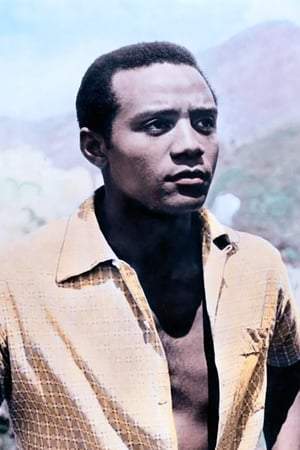
Breno Mello
Orfeo
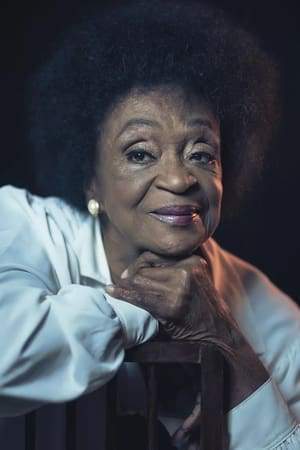
Léa Garcia
Serafina
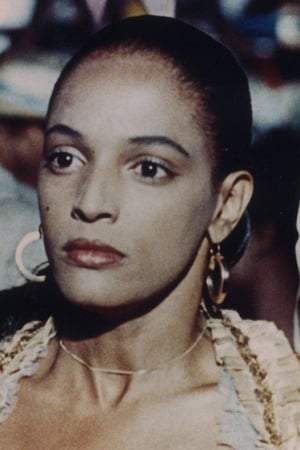
Lourdes de Oliveira
Mira
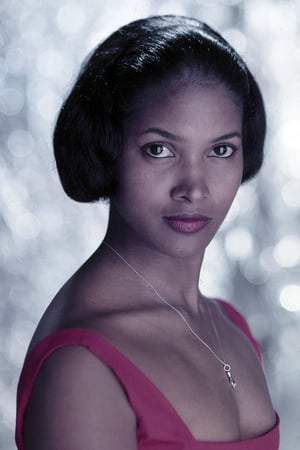
Marpessa Dawn
Eurydice

Zeni Pereira
Adhemar Ferreira da Silva
Death
Cartola
Elizeth Cardoso
Jorge Dos Santos
Benedito
Thereza Santos
Fausto Guerzoni
Fausto
Dona Zica
Aurino Cassiano
Zeca
Maria Alice
Little Girl
Waldetar De Souza
Chico
Alexandre Constantino
Hermes
External Links and Streaming Options
Discover where to watch Black Orpheus online, including streaming platforms, rental options, and official sources. Compare reviews, ratings, and in-depth movie information across sites like IMDb, TMDb, Wikipedia or Rotten Tomatoes.





Take the Ultimate Black Orpheus Movie Quiz
Challenge your knowledge of Black Orpheus with this fun and interactive movie quiz. Test yourself on key plot points, iconic characters, hidden details, and memorable moments to see how well you really know the film.
Black Orpheus Movie Quiz: A diverse quiz testing knowledge about the 1959 film Black Orpheus and its mythological, cultural, and plot elements.
What city is the main setting for Black Orpheus?
Full Plot Summary and Ending Explained for Black Orpheus
Read the complete plot summary of Black Orpheus, including all major events, twists, and the full ending explained in detail. Explore key characters, themes, hidden meanings, and everything you need to understand the story from beginning to end.
In this vibrant and poetic retelling inspired by the Greek myth of Orpheus and Eurydice, the story unfolds against the lively backdrop of Rio de Janeiro during Carnival. It begins with a stunning visual of a marble Greek bas-relief shattering to reveal a scene of Afro-Brazilian men dancing samba to the rhythm of drums in a bustling favela. This opening sets the tone for a film rich in cultural symbolism and energetic music.
The narrative follows Breno Mello as Orfeu, a charismatic samba musician, who welcomes Eurydice as she arrives in Rio. Eurydice, played by a woman fleeing from a dangerous stranger believing he seeks to kill her, takes a trolley driven by Orfeu to her cousin’s home. She is new to the city, and during her ride, Orfeu introduces her to Hermes, the station guard, who provides her with directions to her relative, Léa Garcia as Serafina.
Despite being engaged to Mira, played by Lourdes de Oliveira, Orfeu’s feelings for Eurydice grow. Their relationship begins with friendly encounters, but soon deeper emotions develop. The two meet at Nassau, a vital part of Rio’s carnival scene, where they fall in love amid the colorful costumes and music. While shopping for a marriage license, Orfeu faces light-hearted teasing when a clerk jokes about his engagement, and Mira presses him for an engagement ring, showing her own impatience and desire for commitment.
Orfeu, still preoccupied with his music and Carnival preparations, secretly welcomes Eurydice into his life, offering her refuge with his friend Serafina and her sailor boyfriend Chico. Their bond intensifies when they share a night together, and Eurydice confides in Orfeu about her fears. She is haunted by the man she believes wants to kill her, but Orfeu heroically defends her from this supernatural danger—the stylized skeleton of Death, who constantly lurks in the background, ready to claim her.
As their romance blossoms, Eurydice joins Orfeu and his friends in the samba school parade during Carnival, where she secretly dresses as Queen of the Night in a stunning costume, with only Orfeu knowing her true identity. During the parade, Orfeu dances with Eurydice instead of Mira, highlighting their deepening connection. However, things take a tragic turn when Mira spots Eurydice in her disguise and rips off her veil, exposing her. This sparks a frantic chase, as Eurydice must escape not only Mira but also the persistent shadow of Death.
In a tense and emotional climax, Eurydice is cornered in Orfeu’s trolley station and hangs from an electric power line to escape her pursuers. Tragically, despite Orfeu’s efforts to save her by turning on the power, Eurydice is electrocuted and dies. Death, in a haunting voice, claims her saying, “Now she’s mine,” and leaves Orfeu devastated and broken.
Devastated, Orfeu searches for Eurydice at the Office of Missing Persons, a metaphor for the mythic underworld, where only a janitor—symbolizing the myth’s ferryman—guides him down a dark spiral staircase to a ritual rooted in Afro-Brazilian religion called Candomblé. Here, amid the mysterious ceremony, the spirit of Eurydice is revealed in the form of an old woman. Orfeu, longing to see her again, is warned not to look at her, but he does, and Eurydice’s spirit fades away, echoing the myth’s tragic ending.
Overcome with grief, Orfeu retrieves Eurydice’s body from the morgue and carries her back through the city, which is now shrouded in mourning. As he approaches his burning home and the scene of his heartbreak, Mira appears in fury, throwing a stone that strikes Orfeu and precipitates his death by falling off a cliff—prising the story with a poetic, tragic conclusion.
The film closes with an uplifting moment of hope. Two children, Jorge Dos Santos as Benedito and Waldetar De Souza as Zeca, believe in Orfeu’s myth—that his music brings the sun to rise each day. After Orfeu’s death, the children continue to play his guitar, and the sun eventually rises, symbolizing renewal and the enduring power of love and music. A girl offers Zeca a single flower as they dance, leaving the story on a note of innocence, resilience, and the everlasting rhythm of life.

Discover Film Music Concerts Near You – Live Orchestras Performing Iconic Movie Soundtracks
Immerse yourself in the magic of cinema with live orchestral performances of your favorite film scores. From sweeping Hollywood blockbusters and animated classics to epic fantasy soundtracks, our curated listings connect you to upcoming film music events worldwide.
Explore concert film screenings paired with full orchestra concerts, read detailed event information, and secure your tickets for unforgettable evenings celebrating legendary composers like John Williams, Hans Zimmer, and more.


Black Orpheus Themes and Keywords
Discover the central themes, ideas, and keywords that define the movie’s story, tone, and message. Analyze the film’s deeper meanings, genre influences, and recurring concepts.

Unlock the World of Movies with Our Comprehensive Wiki
Dive into our Movie Wiki for in-depth film encyclopedia entries, including cast biographies, production trivia, plot synopses, behind-the-scenes facts, and thematic analyses. Whether you’re researching iconic directors, exploring genre histories, or discovering hidden easter eggs, our expertly curated movie database has everything you need to fuel your cinematic passion.
Similar Movies To Black Orpheus You Should Know About
Browse a curated list of movies similar in genre, tone, characters, or story structure. Discover new titles like the one you're watching, perfect for fans of related plots, vibes, or cinematic styles.






Quick Links: Summary, Cast, Ratings, More

What's After the Movie?
Not sure whether to stay after the credits? Find out!




Explore Our Movie Platform
New Movie Releases (2025)
Famous Movie Actors
Top Film Production Studios
Movie Plot Summaries & Endings
Major Movie Awards & Winners
Best Concert Films & Music Documentaries
Movie Collections and Curated Lists
© 2025 What's After the Movie. All rights reserved.