What Is Black Beauty About?
The premise of Black Beauty in 331 words, with nothing given away. The full story follows below.
In a world where the rhythm of hooves once set the pace of daily life, Black Beauty opens his own story, offering a quiet, observant voice that guides us from the gentle pastures of an English farm to the bustling streets of Victorian London. The film paints a sweeping portrait of an era when horses were both indispensable laborers and beloved companions, their fates inextricably linked to the fortunes of the people who tended them. Through Beauty’s eyes we sense the beauty and burden of this shifting landscape, feeling the pull between pastoral peace and the relentless tide of progress.
At the heart of the tale lies a thriving country estate, where Squire Gordon presides over a close‑knit household that treats its horses with a blend of respect and affection. Within this setting, the delicate balance of care and duty is embodied in characters like Lady Gordon, whose presence brings a softer, more introspective tone to the stable, and in the lively spirits of a proud chestnut mare named Ginger and a cheerful grey pony called Merrylegs. Their interactions with Beauty hint at the deep, unspoken communication that can exist between species, while the steady hand of stable‑hand Joe Green illustrates the everyday kindness that sustains such bonds.
Beyond the estate, the narrative hints at the stark contrast of city life, where a London cab driver named Jerry Barker represents a new chapter for Beauty, suggesting both opportunity and challenge as the horse moves from countryside idyll to urban bustle. This shift underscores the film’s central meditation on adaptability, loyalty, and the timeless connection that can flourish even as worlds change around them.
Rendered with a lyrical, almost wistful tone, the story invites viewers to contemplate the enduring friendship between humans and horses, celebrating resilience and compassion without ever sacrificing the quiet dignity of its narrated protagonist. The result is a heartfelt, immersive glimpse into a vanished age, seen through the steady, soulful gaze of a horse who remembers it all.
What Happens in Black Beauty?
The complete story of Black Beauty, from the first scene to the last, in 1,189 words (about 5 minutes). Spoilers throughout. Names in the text link to 2 cast member pages.
Spoilers ahead
Black Beauty, voiced by Alan Cumming, narrates his own life from a foal on a sheltered farm in the English countryside to a working horse navigating the bustling streets of London. Born beside his mother in a world where horses are for work and practicality, he grows up under the care of a kind mother and a close-knit stable community, learning the rhythms of the farm and the weathered language of humans who rely on them for transport and dignity. When the time comes for Beauty to leave the sanctuary of the paddock, he is sent to Birtwick Park to serve Squire Gordon, Peter Davison, and his family, beginning a long arc of loyalty, resilience, and the quiet cost of human choices.
At Birtwick, Beauty meets a cast of people and horses who shape his sense of worth and vulnerability. The squire’s wife, Lady Gordon, whose illness casts a pale shadow over the household, is touched by the beauty and calm presence of the horses, and Beauty earns his name under her quiet care. In this world, Ginger—a fiery, proud chestnut mare—catches Beauty’s attention with a fierce spirit that mirrors the uncertainties of living under someone else’s control, while Merrylegs, a cheerful grey pony, becomes a reliable companion for the squire’s young daughters, Jessica and Molly, providing a gentle bridge between children and animals. These early bonds underscore a fundamental truth Beauty clings to: companionship can soften hardship, even when life remains precarious.
A stormy night becomes a pivotal test of courage and trust. While pulling a carriage taking the squire and his caretaker, John Manly, home from town, Beauty senses danger and refuses to cross a partially flooded bridge. When John urges him forward, Beauty holds firm, and the bridge gives way, plunging toward the river. John slips but clings to Beauty’s bridle, and together they survive the treacherous bend of water and wood. This moment marks the bond between horse and human—the moment when a horse’s instinct and a human’s steady hand keep a life intact. Afterwards, Joe Green, a stable hand who watches over Beauty, volunteers to care for him, though his lack of experience leads to mistakes—giving ice-cold water, neglecting to dry him, and leaving him uncovered—mistakes that take a toll on Beauty’s health. Yet the human caretakers rally: John, Joe, and the squire nurse Beauty back to strength, a testament to patient care and the horse’s resilience.
As Lady Gordon’s illness deepens, a doctor’s advice pushes the family to seek warmer climates, and they bid a sorrowful farewell to the horses who have become their steadfast companions. Merrylegs is given to a local vicar, ensuring one last measure of safety for a beloved companion, even as the rest depart for different futures. Beauty and Ginger travel to Earlshall Park, home to the Lords and Ladies of Wexmire, where Joe tearfully says goodbye. At Earlshall, the two horses pull Lady Wexmire’s carriage, but Ginger’s spirited nature clashes with the heavy bearing reins demanded by the new regime of control, illustrating how human constraints can clash with a horse’s natural instincts. The introduction of a new authority over their heads—bearing reins that force Beauty to lift his head higher—erupts in Ginger’s breakout, a moment of defiance that foreshadows the cruelty that can accompany status and spectacle.
Beauty’s road grows thorny as Reuben Smith, the horses’ caretaker, takes Beauty to town and then to a repainting run. A drunken misstep—backed by the poor judgment of the rider—leads to a jarring fall; Beauty loses a shoe and suffers injuries that mark the end of a period of relative safety. Reuben is dismissed, and Beauty’s circumstances deteriorate as he is sold to a harsh proprietor who keeps horses for hire. The new owner’s cruelty—paired with a harsh regimen—drains Beauty’s strength, and the horse is eventually put up for sale at a fair. In this bleak moment, Beauty’s life changes again when he locks eyes with Jerry Barker, a London taxi carriage driver played by [David Thewlis], who skillfully bargains to purchase Beauty for 17 guineas. This moment signals a new kind of companionship—the warmth of a family that learns to live with a horse in a crowded city.
With Jerry, Beauty finds a home of shared routine and steady, humane care. He joins a busy household, becoming a beloved member of a family with a wife and two young children who name him Black Jack, forging a name that will outlive him in memory. Beauty’s life in London, however, is not without its own shadows. He encounters Ginger once more, now a cab horse who has endured years of abuse at her owner’s hands, and Beauty’s plea to her not to give up is met with heartbreak when she is ultimately lost to the harsh world of working horses—her dead body later seen on a wagon, a stark reminder of how fragile life can be when humans profit from pain. The city’s chill seeps into Jerry’s own health as winter tightens its grip, and a stubborn cough becomes a signal that a change of life’s pace is needed for both man and horse.
The doctor’s advice to White escape to the countryside becomes a catalyst for another upheaval: Beauty is sold to a grain dealer who dispatches him to haul heavy loads of flour. The work exacts a brutal toll, and after two arduous years, Beauty collapses from exhaustion, a moment that tests whether endurance can outlast exploitation. The plot’s turning point comes at a crowded fair where Beauty’s final chance for rescue seems slim. Yet in the crowd, a familiar voice finds him—Joe, now grown, recognizes the old friend’s whinny and calls out with the memory of years shared. It is a reunion years in the making: Joe, now a man, finds Beauty too weak to stand but still alive, and Beauty recognizes Joe in a response that is more a whisper of salvation than a shout of triumph.
The final act sees Beauty restored not to the harsh world he endured in youth but to the simple, patient care of Thoroughgood’s farm, where Joe—his childhood friend—returns and promises never to sell Beauty again. The two men, bound by a long history of trust and shared labor, face the end of one chapter and the quiet dignity of another: an old horse who has carried people through the peaks and valleys of life, and a friend who has learned the true meaning of loyalty. Beauty’s last years unfold at Thoroughgood’s farm, where Joe’s unwavering pledge to stay by his side embodies the story’s central message: endurance, kinship, and care outlast the season’s storms, and a life well-loved can endure even when the body no longer serves the road.
Along the way, the film threads together a tapestry of human voices and animal resilience, painting a portrait of a century where horses are both trusted partners and living beings deserving care. The story’s cadence—between field and city, between kindness and cruelty, between loss and reunion—keeps faith with Beauty’s own voice, a steady reminder that companionship and compassion can still endure in a world that moves quickly and forgets slowly.
Black Beauty Timeline: Every Key Event in Order
12 key events in the order they happen, from “Birth on the English farm” to “Final reunion at Thoroughgood's farm”. 12 events name a place, across 11 locations.
- 1
Birth on the English farm
Black Beauty is born on a farm in the English countryside during the 19th century. He stays by his mother's side in his early days and is eventually sent to Birtwick Park to serve Squire Gordon and his family. His life begins as a working horse in a world of changing fortunes.
When:19th century Where:English countryside farm
- 2
Arrival at Birtwick Park and new name
Beauty arrives at Birtwick Park to serve the squire and his family. Lady Gordon names him Black Beauty, and he soon befriends Ginger and Merrylegs. He begins to learn the social rhythms of a genteel estate.
When:early in life at Birtwick Park Where:Birtwick Park
- 3
Storm and the flooded bridge
On a stormy night, Beauty refuses to cross a partially flooded bridge. John Manly slips, but Beauty's steadiness helps save him as the bridge gives way and they fall into the river. The squire, Beauty, and John manage to make it back home.
When:stormy night Where:river bridge near the squire's estate
- 4
Illness after cold water
Joe Green, a stable hand, tends Beauty but mishandles him by giving ice-cold water and not drying him properly. Beauty falls ill, and over the next days John, Joe, and the squire nurse him back to health. The close care cements a bond between the horse and his human caretakers.
When:days after storm Where:Birtwick Park stable
- 5
Farewell due to Lady Gordon's illness
Lady Gordon's illness worsens and a doctor recommends moving to a warmer climate. The squire and his family bid a sad farewell to John, Joe, and the horses as they leave for health and safety. Merrylegs is given to the vicar to ensure care and avoid sale.
When:soon after illness Where:Birtwick Park / England
- 6
To Earlshall Park and farewell
Beauty and Ginger are taken to Earlshall Park, home of the Lord and Lady of Wexmire. Joe bids a tearful goodbye to Beauty as they part. The two horses begin pulling the Lady Wexmire's carriage, starting a new chapter in their lives.
When:after departure from England Where:Earlshall Park
- 7
Ginger's restraint and rebellion
Under Lady Wexmire's orders, the horses wear bearing reins to keep their heads high. Ginger resents the tightened control and breaks away in a rage. As a consequence, she is forbidden from carriage duty and later used for racing, suffering under harsher treatment.
When:early period with Lady Wexmire Where:Earlshall Park
- 8
Reuben Smith's misadventure and Beauty's injury
Reuben Smith rides Beauty to town to fetch a carriage for repainting and gets drunk at a tavern. When a shoe falls off and a rough ride worsens the horse's condition, Beauty and Reuben are injured and Reuben is fired. Beauty's knees are damaged, leading to his sale.
When:after incident Where:near Wexmire's estate / town
- 9
Sale to a cruel tenant and London life
Beauty is sold to a man who keeps horses for renting and treats them poorly. At a fair, Beauty spots Joe, now grown, but Joe does not recognize him. A London taxi driver, Jerry Barker, haggles to buy him for 17 guineas and takes him into his warm family.
When:after sale, later Where:London
- 10
Becoming Black Jack and Ginger reunion
Jerry renames Beauty Black Jack and he enjoys life as a taxi horse in London. He reunites briefly with Ginger, who is now a cab horse who has endured years of abuse. Ginger is led away by her owner, and later Beauty discovers Ginger's dead body on a wagon.
When:during taxi days Where:London streets
- 11
Jerry's illness and Beauty's next sale
One snowy night, Jerry's cough worsens and a doctor advises him to quit. Beauty is sold to a grain dealer who forces him to pull heavy flour carts. After two years of exhausting work, he collapses from sheer weariness.
When:a few years into taxi life Where:London / grain dealer
- 12
Final reunion at Thoroughgood's farm
Beauty is taken to a fair to be sold, but fails to attract buyers. Farmer Thoroughgood and his grandson spot Beauty, and a young man recognizes Joe's voice, who has aged into a friend. Beauty and Joe are reunited, and Joe promises never to sell Beauty, spending the rest of his life on Thoroughgood's farm.
When:end of story Where:Thoroughgood's farm
Who Are the Main Characters in Black Beauty?
11 characters, among them Black Beauty (Alan Cumming), Jerry Barker (David Thewlis) and Lady Wexmire (Eleanor Bron): who each one is and the part they play in the story. Every profile links to the actor’s page.
-
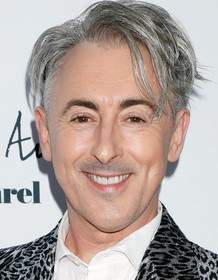
Black Beauty (Alan Cumming)
Played by Alan Cumming
Black Beauty is the narrator and focal point of the story, recounting his life from birth on a rural English farm through years of work and hardship. He is perceptive, dignified, and resilient, navigating both kindness and cruelty with calm dignity. His keen observations illuminate the treatment of horses in 19th-century society.
- 🐴 Protagonist
- 💬 Observant
- 🤝 Loyal
-

Jerry Barker (David Thewlis)
Played by David Thewlis
A warm-hearted London taxi driver who takes Beauty in, offering him a home and family. He treats Beauty with care, sharing moments of hardship and joy, and ultimately faces illness that changes his life. Their bond exemplifies generous, compassionate care.
- 🚕 Driver
- 👨👩👧👦 Family man
- 💖 Kind
-
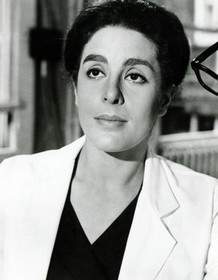
Lady Wexmire (Eleanor Bron)
Played by Eleanor Bron
A sophisticated owner at Earlshall Park who commands the horses for carriage work and imposes bearing reins. Her authority reflects the aristocratic influence over the animals and the expectations of display and performance.
- 👑 Aristocrat
- 🐎 Carriage-enthusiast
- 🧭 Authority
-
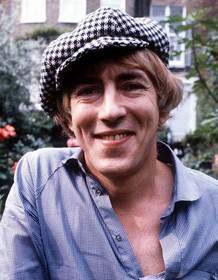
Lord Wexmire (Peter Cook)
Played by Peter Cook
The aristocratic owner connected with Earlshall Park, overseeing estate life and the sporting culture that can involve harsh treatment of horses. His role demonstrates the social context in which Beauty moves between service and spectacle.
- 👑 Patrician
- 🏇 Racing
- 🗂️ Estate-control
- SG
Squire Gordon (Peter Davison)
Played by Peter Davison
Owner of Birtwick Park, a generally caring figure within the estate who must contend with family illness and the evolving status of the horses. He forms bonds with the horses and the staff, balancing duty and compassion.
- 🏰 Squire
- 🐴 Stable-life
- 💛 Caring
- JG
Joe Green (Andrew Knott)
Played by Andrew Knott
A stable boy who grows into a young man, Joe shows loyalty to Beauty and later recognizes him as an old friend. His care and steadfastness reflect the generation that tends the horses day by day.
- 👦 Stable-boy
- 🔄 Growth
- 🤝 Loyalty
-
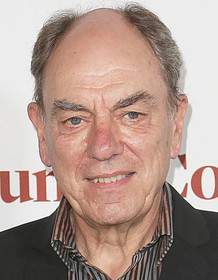
Reuben Smith (Alun Armstrong)
Played by Alun Armstrong
A rough stable worker whose careless handling and drunkenness contribute to Beauty's injuries. His actions illustrate the dangers of neglect and the consequences of mistreatment.
- ⚠️ Cruelty
- 🐴 Caretaker
- 💥 Consequences
-

John Manly (Jim Carter)
Played by Jim Carter
The squire's caretaker who proves reliable and brave, especially during a dangerous night when Beauty and the squire face danger on a flooded bridge. His steadfastness reinforces the theme of trusted guardianship.
- 🧰 Carriage-care
- 🧑✈️ Trustworthy
- 🛡️ Protector
- JG
Jessica Gordon (Georgina Armstrong)
Played by Georgina Armstrong
Daughter of the squire, a child who shares in the lighthearted, everyday life of the estate and the companionship of Merrylegs and the other horses.
- 👧 Child
- 🐴 Family-life
- MG
Molly Gordon (Gemma Paternoster)
Played by Gemma Paternoster
A young member of the Gordon family who participates in the estate’s daily life and forms part of the human world Beauty interacts with.
- 👧 Child
- 🐴 Family-life
- LG
Lord George (Adrian Ross Magenty)
Played by Adrian Ross Magenty
A lesser noble figure encountered in the broader social world around the estate, reflecting the era's hierarchy and the extending reach of aristocratic life.
- 👑 Nobility
- 🏰 Estate-life
Where and When Is Black Beauty Set?
Black Beauty is set in English countryside, Birtwick Park, Earlshall Park, London and Thoroughgood's… (19th century). Here is why the time and place matter to the story.
When
19th century
The tale is set in 19th-century England, a time of horse-drawn carriages, grand estates, and evolving attitudes toward animals. It portrays the routine lives of laboring horses alongside their human caretakers, within a society that both reveres and exploits animal labor. The period’s technology and social structure shape Beauty's experiences, from compassionate handling to harsh management. Through changing fortunes, the narrative tracks how horses navigate work, travel, and care across decades.
Where
English countryside, Birtwick Park, Earlshall Park, London, Thoroughgood's farm
Black Beauty's world unfolds across the English countryside and its estates, from peaceful farmyards to aristocratic parks and busy city streets. The story moves through Birtwick Park, Earlshall Park, and Thoroughgood's farm, showing horses sharing in rural life, carriage work, and urban labor. These settings highlight the social hierarchy of 19th-century England and the central role of horses in daily life.
- 🏞️ Rural England
- 🕰️ 19th century
- 🐴 Equestrian life
What Are the Themes of Black Beauty?
3 ideas the story keeps returning to, among them Compassion, Friendship and Endurance.
-
01
Compassion
Compassion drives Beauty's relationships with people and other horses, showing how kindness can heal and protect. The story contrasts neglect and cruelty with patient care and empathy, illustrating that a horse's trust depends on humane treatment. Small acts of mercy—a driver sharing warmth, a caretaker nursing injuries—alter Beauty's fate. The theme emphasizes dignity and humane care as essential to survival.
-
02
Friendship
Friendship endures across time and distance, tying Beauty to Joe, Jerry, Ginger, and Merrylegs. The bond between human and horse transcends class and wealth, offering loyalty and mutual protection. Even through hardship and separation, these relationships provide hope and resilience. The narrative uses these ties to show how steadfast companionship sustains life.
-
03
Endurance
Endurance defines Beauty's long arc from a healthy foal to an exhausted cab horse, and finally to a hopeful reunion. The horse's stamina is tested by harsh work, injuries, and illness, yet his spirit persists. Endurance is portrayed as both physical and emotional, held up by memory and care from trusted humans. Beauty's eventual homecoming with Joe embodies perseverance rewarded through steadfast support.
What Kind of Film Is Black Beauty?
Bittersweet in tone, with steady pacing and a straightforward story, going by the plot summary.
- Tone
- Bittersweet
- Pacing
- Steady
- Story
- Straightforward
- Intensity
- Medium
- Ending
- Bittersweet
A bittersweet and reflective journey told from a horse's perspective, filled with moments of profound kindness and harsh cruelty, ultimately culminating in a quiet, earned retirement that balances loss with hope.
- melancholic
- hopeful
- heartwarming
- nostalgic
- resilient
- reflective
- animal perspective
- friendship
- resilience
- human-animal bond
Content notes: animal abuse, animal death, exhaustion, emaciation.
Quiz
How well do you remember Black Beauty? Test yourself on the story.