
Bettada Hoovu 1985

Directed by

N. Lakshminarayan
Made by

Poornima Enterprises
Bettada Hoovu Plot Summary
Read the complete plot summary and ending explained for Bettada Hoovu (1985). From turning points to emotional moments, uncover what really happened and why it matters.
Ramu, Puneeth Rajkumar, is a young boy born into a poor family living in a hill station. He grows up with his parents and two siblings, where his mother works as a fruit and vegetable seller and his father runs errands around the village and for visiting tourists. Despite the family’s constant struggle to make ends meet, Ramu finds joy in books and in going to school, and he nurtures a quiet love for learning. He also forms a meaningful bond with the village healthcare worker, Roopa, who tutors him in English after school and helps widen his worldview.
Ramu’s world expands when he is captivated by a local screening of the Ramayana-inspired film Sri Ramanjaneya Yuddha and by encountering Kuvempu’s Sri Ramayana Darshanam at a bookstore. Both works spark a strong desire to own the latter and read it more deeply, a goal that prompts him to start saving money. The book costs ₹10, and he begins a careful effort to gather the funds, all while continuing to navigate school and chores around the home.
Trouble comes when an off-season hits the village and tourist activity dwindles. The family’s finances tighten dramatically, and Ramu’s father must leave for the city to find work, shifting the responsibility of supporting the family onto the young boy. With no choice but to help, Ramu drops out of school and takes on small tasks around the village, still setting aside a portion of his earnings toward the coveted book.
In addition to chores, Ramu starts selling wildflowers to an American teacher who is writing a book about Indian wildflowers. He earns ten rupees, enough to put toward his dream if he can manage the timing, and he even brings an orchid as a gift when presenting himself to the teacher. Yet a crucial decision looms: should he spend the money on the book or on a warm blanket to comfort his family during the cold winter?
Ultimately, he chooses the blanket, a choice that brings warmth and relief to his family, and they celebrate the moment together. But in the wake of that sacrifice, his dream of buying the book is shattered, leaving him with a hard-won sense of duty and a quiet, hopeful resolve for the days to come.
Bettada Hoovu Timeline
Follow the complete movie timeline of Bettada Hoovu (1985) with every major event in chronological order. Great for understanding complex plots and story progression.
Ramu's humble upbringing in a hill station
Ramu grows up in a poor family living in a hill station. His mother sells fruits and vegetables while his father runs errands to help visitors. He loves reading and attends school, dreaming beyond his circumstances.
Friendship with a healthcare worker who teaches him English
A healthcare worker at the village clinic mentors Ramu, teaching him English after school. Their bond encourages Ramu to read more and imagine a life beyond poverty. The reading habit becomes a beacon of hope for him.
Inspiration from Ramayana works sparks a dream
Ramu watches a screening of Sri Ramanjaneya Yuddha in the village and encounters Kuvempu's Sri Ramayana Darshanam at a bookstore. The Ramayana stories ignite a longing to read the latter, and he begins saving to buy the book, which costs ₹10.
Starting to save money for the book
He commits to saving portions of his earnings from chores to fund the book. The goal is clear: acquire Sri Ramayana Darshanam and satisfy his curiosity. This saving effort marks his first step toward independence and self-reliance.
Off-season crisis forces him to become the family provider
An off-season downturn forces his father to migrate to the city in search of work. With the father absent, Ramu must take responsibility for the family and drop out of school to earn money. He becomes the family's anchor during a difficult period.
Ramu begins doing chores and selling wildflowers
Ramu starts performing small chores around the village and begins selling wildflowers to visitors, including an American teacher researching Indian flora. Each small earning brings him closer to his long-term dream. The experience teaches him perseverance amid hardship.
The orchid sale brings him closer to his ₹10 goal
Ramu earns ten rupees after presenting an orchid to the teacher, hitting the amount needed to buy the book. The moment underscores the power of small acts and careful saving. He still faces the moral choice between spending on the book or saving for his family.
A moral dilemma: book or blanket
On the way to purchase the book, he confronts a crucial decision between buying Sri Ramayana Darshanam and a warm blanket for his freezing family. He chooses to prioritize his family's warmth over his personal dream. The choice reveals his selflessness and sense of duty.
Ramu buys the blanket instead
He spends the saved money on a blanket, ensuring warmth for his mother and siblings during the cold season. This sacrifice postpones his own reading goal but keeps the family comfortable. The act solidifies his role as a caretaker.
Family celebrates the warmth and support
With the blanket, the family feels relief and gratitude, and Ramu's act brings happiness to the household. They rally around him, appreciating his willingness to give up his own wish for their well-being. The home is warmer not just physically, but emotionally.
The book dream remains unfulfilled for now
Although the book remains out of reach, the family’s gratitude for the warmth endures. Ramu's dream to read the epic stays alive as a future hope, kept alive by his ongoing perseverance.
Ramu's sacrifice shapes his character and future
The sequence of choices—from selflessness to perseverance—shapes Ramu's character. His journey shows how hardship and duty can coexist with a personal longing for knowledge. The story highlights the value of family and sacrifice in pursuing dreams.
Bettada Hoovu Characters
Explore all characters from Bettada Hoovu (1985). Get detailed profiles with their roles, arcs, and key relationships explained.
Ramu (Puneeth Rajkumar)
Ramu is a bright, book-loving boy who grows up in a poor hill-town family. With his father away and money tight, he takes odd jobs and salvages what he can to fund his dreams. He balances school, chores, and small earnings with a quiet determination that signals maturity beyond his years. His love of literature and his choice to prioritize family needs reveal a resilient, responsible core.
Parvati (Padma Vasanthi)
Parvati is a devoted mother who shoulders the daily labor to keep her family fed. She endures hardship with practical wisdom and caring attention, sustaining her children through difficult times. Her warmth anchors the household when income dwindles and the future seems uncertain. She supports her children's education and sacrifices comfort for their well-being.
Linganna (Honnavalli Krishna)
Linganna is a resident of the village who contributes to the fabric of the community. He embodies the routines and social dynamics of life in the hill town, interacting with Ramu and his family within the close-knit setting. His presence helps illustrate the village’s shared space and interdependent relationships.
Shopkeeper (Sadashiva Brahmavar)
The shopkeeper is a local presence in the village, providing everyday goods and interactions that reflect the modest local economy. He represents the small, tangible exchanges that sustain life in a tight-knit community. Through his exchanges with the family, the film highlights the ordinary, yet meaningful, networks of support around Ramu.
Healthcare worker (Roopa)
The healthcare worker forms a friendship with Ramu and teaches him English after school, broadening his world beyond the village. Her guidance embodies a bridge to education and literacy that youthful ambition seeks to reach. She embodies care, mentorship, and the belief in the transformative power of learning.
Doddajja (T. N. Balakrishna)
Doddajja represents an elder presence in the community, grounding the story in tradition and local norms. He stands as part of the village’s social fabric, contributing to its rhythm and the sense of shared fate. His role helps demonstrate how age, wisdom, and communal ties influence daily decisions.
Bettada Hoovu Settings
Learn where and when Bettada Hoovu (1985) takes place. Explore the film’s settings, era, and how they shape the narrative.
Time period
1980s
The events take place in rural India during the 1980s, a period marked by limited resources and slower development. Off-season tourism and sparse opportunities heighten the family’s economic pressures. Education and small personal goals provide a sense of hope amid everyday hardship.
Location
The story unfolds in a hill-town village setting, where the landscape shapes daily life and economic activity. A small community thrives on limited trades and seasonal tourism, giving the narrative a close-knit, rustic atmosphere. Winters bring chilly nights that underscore the family’s need for warmth and stability.
Bettada Hoovu Themes
Discover the main themes in Bettada Hoovu (1985). Analyze the deeper meanings, emotional layers, and social commentary behind the film.
💪
Poverty & Resilience
Ramu's family struggles with meager earnings and frequent hardship, yet his determination to contribute keeps them afloat. The film highlights how poverty constrains options while fueling grit and ingenuity. Ramu takes on chores and small jobs, saving what he can for dreams that feel just out of reach. Through resilience, the story shows how strength grows from adversity.
🎓
Education & Aspiration
Ramu’s love of books and schooling anchors his aspirations. An after-school English tutor broadens his horizons and deepens his curiosity about literature. He is drawn to Ramayana-inspired works, which offer a path beyond his immediate circumstances. Education becomes a beacon that informs his choices and sense of self.
🧭
Duty & Sacrifice
When his father must leave for city work, Ramu becomes the family’s caretaker, balancing responsibility with hope. He faces a crucial choice between buying a cherished book and providing warmth for his family, ultimately prioritizing their comfort. The narrative emphasizes the tension between personal dreams and familial obligations. This sacrifice underscores the film’s message about resilience and care within a struggling household.

Coming soon on iOS and Android
The Plot Explained Mobile App
From blockbusters to hidden gems — dive into movie stories anytime, anywhere. Save your favorites, discover plots faster, and never miss a twist again.
Sign up to be the first to know when we launch. Your email stays private — always.
Explore the mobile appBettada Hoovu Spoiler-Free Summary
Discover the spoiler-free summary of Bettada Hoovu (1985). Get a concise overview without any spoilers.
In a mist‑cloaked hill‑station where the rhythm of life is set by the chatter of tourists and the rustle of market stalls, a modest family struggles to keep the hearth warm. The parents, a fruit‑selling mother and a handyman father, scrape together a living for their three children, their modest home perched against the cold wind that sweeps the slopes each winter. The village breathes a quiet resilience, its simple routines framed by the occasional flicker of a film projector in a communal hall and the steady hum of a small schoolhouse.
Ramu, a wiry boy with an unquenchable curiosity, finds his escape in the world of letters. He devotes every spare moment to school lessons, where his sharp mind shines, and he clings to books as if they were lifelines. After classes, the village healthcare worker Roopa gently guides him through English, widening his horizons beyond the mountain’s bare walls. Their conversations stitch together a tapestry of hope, planting the seed of a dream that seems both distant and deeply personal.
The community’s modest pleasures are punctuated by a rare cinematic screening of a Ramayana‑inspired epic and the discovery of a treasured volume of poetry at a local bookstore. The allure of that book becomes Ramu’s quiet obsession, driving him to save every rupee he can muster. Yet the season turns harsh, tourism wanes, and the family’s thin safety net tightens. Responsibilities that once belonged to his parents now brush against his young shoulders, prompting him to balance chores, school, and the fragile hope of owning the coveted pages.
Against this backdrop of frigid evenings and humble ambitions, the film weaves a gentle yet compelling portrait of a boy caught between the pull of knowledge and the pressing needs of his loved ones. The atmosphere is steeped in quiet determination, subtle warmth, and the lingering question of how far a child will go when the comfort of a story competes with the comfort of a family’s embrace.
Movies with Similar Twists and Themes
Uncover films that echo the narrative beats, emotional arcs, or dramatic twists of the one you're exploring. These recommendations are handpicked based on story depth, thematic resonance, and spoiler-worthy moments — perfect for fans who crave more of the same intrigue.

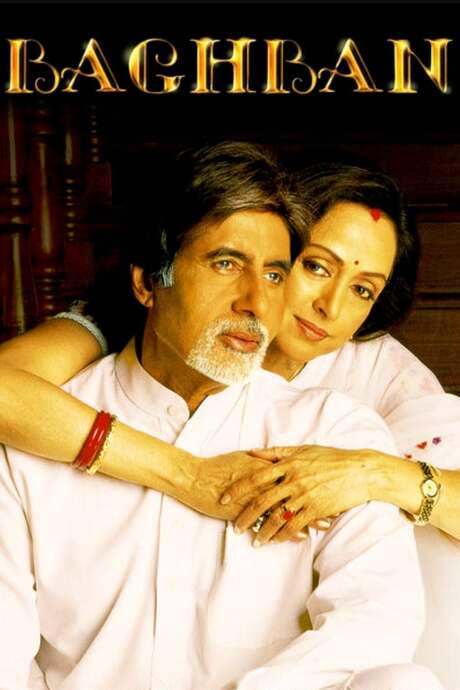




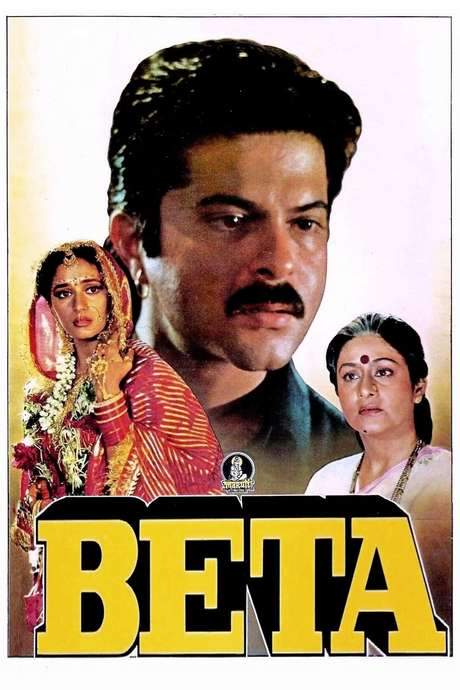


Featured on this page

What's After the Movie?
Not sure whether to stay after the credits? Find out!
Check out our other apps:

SAT Sphere
Build confidence for the Digital SAT.

Mori Atlas
Discover wild places worth protecting.

Luntero
Search smarter for a home in Amsterdam.

Plot Explained
Unravel movie endings and hidden clues.

Pokechamp
Dive into Pokémon data and battle logic.

Driving Theory
Get ready for your European theory test.

Movie Dust
Plan your next cinema trip with ease.

Musemap
Find art and culture as you travel.

Selkobase
Compare credentials before committing.

Local Manual
Turn an unfamiliar country into practical next steps.

Lernavi
Compare school systems before your next move.

GymRoam
Find a workout stop wherever your plans take you.
Explore Our Movie Platform
New Movie Releases (2026)
Famous Movie Actors
Top Film Production Studios
Movie Plot Summaries & Endings
Major Movie Awards & Winners
Best Concert Films & Music Documentaries
Movie Collections and Curated Lists
© 2026 What's After the Movie. All rights reserved.
Privacy Policy