
And Then There Were None 1945


Directed by

René Clair
Made by

Rene Clair Productions
Where to Watch And Then There Were None
See current US streaming, rental, and purchase options for And Then There Were None (1945) via JustWatch.

Amazon Prime Video
HD
Amazon Prime Video with Ads
HD
Artiflix
4K
FilmBox Live Amazon Channel
HD
fuboTV
HD
IndieFlix
HD
IndieFlix Shorts Amazon Channel
HD
Darkroom
HD
Fawesome
HD
Hoopla
SD
JustWatch TV
HD
Public Domain Movies
SD
Amazon Prime Video Free with Ads
HD
Cineverse
HD
Fandango at Home Free
HD
Filmzie
HD
Mometu
HD
Plex
HD
Plex Channel
HD
The Roku Channel
HD
Xumo Play
HD Fandango At Home
HD
Apple TV Store
SD Streaming availability powered by 
And Then There Were None Plot Summary
Read the complete plot summary and ending explained for And Then There Were None (1945). From turning points to emotional moments, uncover what really happened and why it matters.
Eight strangers are lured to a remote island off the Devon coast by a pair who call themselves Mr. and Mrs. Owen. They settle into a secluded mansion tended by two newly hired servants, Thomas Rogers, [Richard Haydn], and Ethel Rogers, [Queenie Leonard], but their hosts are nowhere to be seen. A gramophone record announces that each guest stands accused of murder, and the table’s centerpiece features ten figurines of Indians. No one has met U. N. Owen, and they learn the island’s boat won’t return until Monday, leaving them stranded for a long weekend.
One guest, Nikita “Nikki” Starloff, [Mischa Auer], confesses to guilt, then dies after his drink is poisoned. The next morning, Ethel Rogers dies in her sleep. They notice one figurine is broken and another missing, and, with these deaths matching the rhyme Ten Little Indians, they search the island for Mr. Owen in vain.
General Mandrake, [John Mandrake], is stabbed to death. The guests decide that Owen must be among them, and they vote on suspects. Rogers is the only one who receives more than one vote and is ordered to sleep in the woodshed. The next morning, his body is found with an axe blow to the head.
Emily Brent, [Judith Anderson], dies next, a hypodermic needle found nearby. Edward Armstrong, [Walter Huston], discovers his own needle is missing, along with Lombard’s revolver. At dinner, four guests—Quinncannon, Armstrong, Blore, and Lombard—confess to their crimes, fracturing the group further.
When Vera Claythorne, [June Duprez], goes off to fetch her coat, a scream is heard and a gunshot follows. The room erupts in chaos as Lombard’s gun is found and Quinncannon is revealed to be very much alive as the mysterious Mr. Owen. The judge explains that his life-long pursuit of perfect justice led him to stage this brutal test, and that he had Armstrong help him fake his own death, ultimately murdering him. He tells Vera that she stands at a final crossroads: she can hang herself or face execution.
The twist deepens as Lombard’s ally, Charles Morley, reveals himself alive and behind the judge’s seeming authority. It turns out Quinncannon is the mastermind, the true Mr. Owen. The judge, terminally ill, dies after drinking poisoned whiskey, and Morley remains at Vera’s side as the boat finally arrives. Quinncannon dies, and the rescue brings Morley and Miss Claythorne back to safety, closing the island chapter with justice’s very personal, lethal calculus having run its course.
And Then There Were None Timeline
Follow the complete movie timeline of And Then There Were None (1945) with every major event in chronological order. Great for understanding complex plots and story progression.
Guests arrive on isolated island mansion
Eight guests arrive on a small isolated island off the Devon coast, invited by Mr. and Mrs. Owen. The hosts are mysteriously absent, and the mansion is tended by the married couple Thomas and Ethel Rogers. They settle in, puzzled by their remote situation and the looming weekend.
Dinner, Indian figurines, and the gramophone accusation
During dinner, a centerpiece of ten Indian figurines draws attention. A gramophone record crackles to life, and a man's voice accuses them all of murder. The message makes clear that U. N. Owen is unknown, and no one has actually met their host.
Realization of unknown Owen and isolation
It becomes clear that none of them has seen U. N. Owen and that leaving the island is impossible until Monday. Rogers informs them the boat will not return until then, leaving them to confront a killer among themselves. Fear and suspicion begin to mount as the evening wears on.
Starloff's confession and poisoning death
Starloff confesses his guilt, admitting to a crime he claims deserves punishment. Moments later, he dies after his drink is poisoned. The room tightens with fear as the group realizes the danger is real and immediate.
Mrs. Rogers dies in her sleep
On the following morning, Mrs. Rogers dies in her sleep, turning the island into a crime scene. The guests discover the grim pattern unfolding around the figurines. Tension spikes as more clues and losses appear.
Broken figurine and search for Owen
They notice that one figurine is broken and another missing, echoing the nursery rhyme’s pattern. The group searches the island for Mr. Owen, hoping for a clue or a face behind the voice. The eerie pattern deepens the fear that the killer is among them.
General Mandrake is stabbed
General Mandrake is stabbed to death during a tense moment in the mansion. The group reels from another murder as panic and accusations intensify. The rhyme’s dark cadence continues to haunt every room.
Owen among them and Rogers sent to woodshed
The judge declares that Owen must be one of them, aligning the night’s ominous pattern with the group’s own fates. They vote on who Owen could be, and Rogers is singled out and sent to sleep in the woodshed. The sense of danger grows as the search for Mr. Owen intensifies.
Rogers is killed; Miss Brent dies
The next morning, Rogers is found dead, his head split open with an axe. Miss Brent dies next, her body found with a hypodermic needle nearby. Armstrong and Lombard notice other tools and weapons have gone missing, unnerving the survivors.
Confessions begin at dinner
At dinner, Quinncannon (the mysterious Mr. Owen), Armstrong, Blore and Lombard confess to their crimes. The admissions sharpen the sense that justice is pressing in on them from all sides. The mood shifts from denial to a grim resolve to survive the night.
Miss Claythorne's turn and Quinncannon's death
Miss Claythorne excuses herself to fetch her coat; her scream is cut short by a gunshot. They find Lombard's gun and discover Quinncannon dead from a head shot. Miss Claythorne is shaken and locked in her room as suspicion turns toward her.
Final revelations and rescue
Quinncannon is revealed to be Mr. Owen, and the judge explains a lifelong obsession with perfect justice. He coerces Armstrong into faking his death and then murders him. He offers Miss Claythorne a grim choice, but drinks poisoned whiskey anyway; Morley (Lombard’s real name) appears alive behind him and the plan collapses. The boat arrives, rescuing Morley and Miss Claythorne as the horror ends.
And Then There Were None Characters
Explore all characters from And Then There Were None (1945). Get detailed profiles with their roles, arcs, and key relationships explained.
Fred Narracott
The island's ferryman who becomes the quiet observer of the guests' predicament. He embodies calm, practical resolve and offers a steady professionalism that contrasts with the mounting paranoia inside the mansion.
John Mandrake
A dignified, stern former judge who tries to maintain order amid mounting chaos. His sense of duty and rigid judgment clash with the guests' hidden crimes, and his past actions become a focal point of suspicion.
Emily Brent
A rigid, morally upright woman whose pious exterior masks a sharp, judgmental mind. She believes in moral certainties and quickly becomes a focal point of group blame as secrets surface.
Thomas Rogers
The house's reserved and professional butler who helps run the estate with his wife. He and Ethel are central to the mansion’s routine, and their loyalty hides unsettling motives that become entwined with the guests' fates.
Francis Quinncannon
A suave, enigmatic man whose social façade masks a calculating, criminal mind. He is revealed to be the mysterious Mr Owen, orchestrating the trials from behind the scenes.
William Blore
A former detective who narrates suspicion and tries to piece together the truth. He is pragmatic, observant, and increasingly paranoid as the bodies mount.
Edward Armstrong
A physician with a troubling past who is drawn into the moral labyrinth of the evening. He exposes his guilt through wary self-accusations and becomes a target in the sequence of deaths.
Nikita "Nikki" Starloff
A self-assured guest with a mysterious history who anticipates the others’ motives. His presence adds to the sense that no one is truly innocent.
Ethel Rogers
The household servant whose quiet demeanor masks a willingness to keep secrets. She and her husband Thomas hold the mansion together, even as danger closes in and their fates intertwine with the guests'.
Philip Lombard
A pragmatic, morally flexible wanderer who has lived by his wits. He presents as neutral but is quick to use others for survival, revealing a practical ruthlessness.
Vera Claythorne
A capable, composed young woman who carries guilt over past events. She is quick to deflect blame yet visibly unsettled by the moral weight pressing on the group.
And Then There Were None Settings
Learn where and when And Then There Were None (1945) takes place. Explore the film’s settings, era, and how they shape the narrative.
Time period
The events unfold over a few days, beginning on a Friday gathering and concluding with a rescue on Monday, as the guests are unable to depart the island.
Location
Isolated island off the coast of Devon, England
A private, isolated island hosts a secluded mansion where eight guests arrive under mysterious pretenses. Access to the island is cut off for the duration of the weekend, forcing everyone to endure rising tension and suspicion. A grim centerpiece of ten Indian figurines foreshadows the fates to come and sets a claustrophobic, trafficked stage for a moral game.
And Then There Were None Themes
Discover the main themes in And Then There Were None (1945). Analyze the deeper meanings, emotional layers, and social commentary behind the film.
🕵️♂️
Guilt and Justice
Each guest harbors a concealed crime, and the mastermind manipulates them toward confession under a skewed banner of justice. The group’s attempts to identify a killer mirror a moral trial conducted outside the law, blurring lines between punishment and mercy. The narrative questions whether true justice can exist when ordinary people decide guilt and retribution for one another.
🌗
Isolation and Paranoia
Being cut off from the outside world magnifies fear and suspicion, turning every interaction into a potential accusation. The mansion becomes a claustrophobic stage where secrets surface and motives are scrutinized. Trust erodes as past crimes rise to haunt the present, pushing characters toward extreme measures.
⚖️
Deception and Truth
Deceptions about identity, crime, and motive drive the plot, with characters presenting façades to hide guilt. The mastermind’s elaborate plan plays with the line between performance and reality, revealing how easily people can be manipulated. The ending exposes that the truth is as carefully constructed as the crimes themselves.

Coming soon on iOS and Android
The Plot Explained Mobile App
From blockbusters to hidden gems — dive into movie stories anytime, anywhere. Save your favorites, discover plots faster, and never miss a twist again.
Sign up to be the first to know when we launch. Your email stays private — always.
Explore the mobile appAnd Then There Were None Spoiler-Free Summary
Discover the spoiler-free summary of And Then There Were None (1945). Get a concise overview without any spoilers.
In a bleak stretch of coast, a distant island holds a solitary mansion that suddenly becomes the rendez‑point for ten strangers, each summoned by an enigmatic invitation from the absent Mr. and Mrs. Owen. The guests arrive to find the house impeccably prepared yet eerily empty, the sea a relentless hush around the cliffs. A gramophone crackles to life, delivering a recorded accusation that each of them bears a hidden sin, and a set of ten tiny figurines is placed at the centre of the dining table, hinting at a grim counting‑down. From the moment the message ends, the atmosphere swells with an unsettling mix of curiosity and dread, as the strangers confront the reality that they are isolated, cut off from the world until a scheduled return of the boat days later.
The group is a kaleidoscope of personalities: Vera Claythorne, a composed yet nervous young woman seeking a fresh start; Emily Brent, a stern matriarch whose poise masks something unspoken; General Sir Wilfrid Mandrake, a decorated officer still haunted by past battles; Edward Armstrong, a charismatic but secretive figure; Philip Lombard, a rugged adventurer with a playful grin; and a handful of others whose backgrounds are hinted at with just enough intrigue to suggest hidden depths. Their interactions oscillate between polite civility and simmering suspicion, as each tries to gauge the motives of the others while grappling with the unsettling implication that the host may never appear.
As night descends, the island’s natural silence is broken only by the occasional creak of the mansion and the distant, mournful wind. The guests find themselves drawn into a psychological contest where trust is fragile and every glance carries weight. The ticking of an unseen clock, the missing figurines, and the lingering sense that someone among them is orchestrating a deadly game all contribute to a mounting tension that hangs over the darkened corridors.
In this claustrophobic setting, the story balances classic whodunit intrigue with a brooding, atmospheric horror. The island becomes a character of its own—isolated, unforgiving, and full of secrets—while the strangers become both suspects and potential victims, their hidden pasts the spark that could ignite a chain of events before the next inevitable revelation.
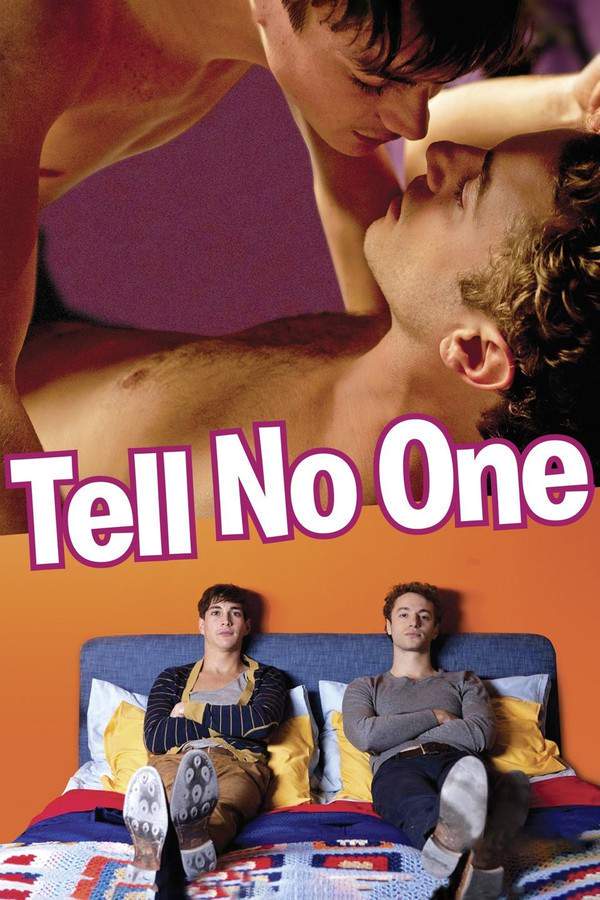
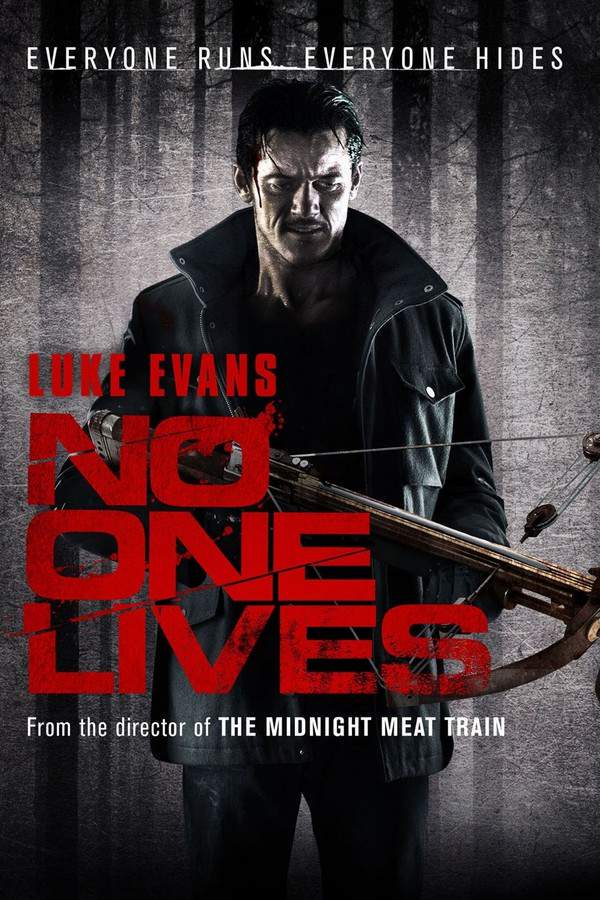
Movies with Similar Twists and Themes
Uncover films that echo the narrative beats, emotional arcs, or dramatic twists of the one you're exploring. These recommendations are handpicked based on story depth, thematic resonance, and spoiler-worthy moments — perfect for fans who crave more of the same intrigue.


Featured on this page

What's After the Movie?
Not sure whether to stay after the credits? Find out!
Check out our other apps:

SAT Sphere
Build confidence for the Digital SAT.

Mori Atlas
Discover wild places worth protecting.

Luntero
Search smarter for a home in Amsterdam.

Plot Explained
Unravel movie endings and hidden clues.

Pokechamp
Dive into Pokémon data and battle logic.

Driving Theory
Get ready for your European theory test.

Movie Dust
Plan your next cinema trip with ease.

Musemap
Find art and culture as you travel.

Selkobase
Compare credentials before committing.

Local Manual
Turn an unfamiliar country into practical next steps.

Lernavi
Compare school systems before your next move.

GymRoam
Find a workout stop wherever your plans take you.
Explore Our Movie Platform
New Movie Releases (2026)
Famous Movie Actors
Top Film Production Studios
Movie Plot Summaries & Endings
Major Movie Awards & Winners
Best Concert Films & Music Documentaries
Movie Collections and Curated Lists
© 2026 What's After the Movie. All rights reserved.
Privacy Policy