
All the Way 2016


Directed by
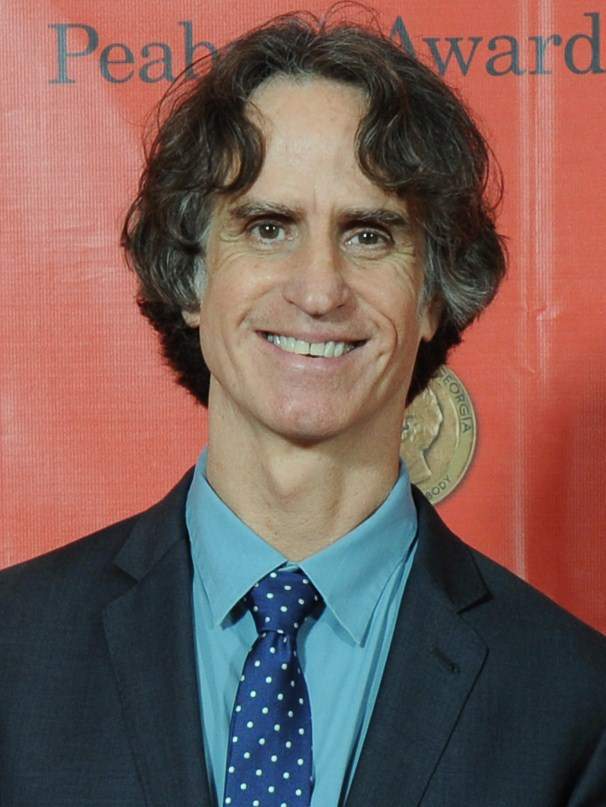
Jay Roach
Made by

Moonshot Entertainment
Where to Watch All the Way
See current US streaming, rental, and purchase options for All the Way (2016) via JustWatch.








All the Way Plot Summary
Read the complete plot summary and ending explained for All the Way (2016). From turning points to emotional moments, uncover what really happened and why it matters.
In 1963, Lyndon B. Johnson, Bryan Cranston, steps into the Presidency after John F. Kennedy’s assassination, carrying the weight of a nation hungry for change and buoyed by the steady support of his wife, Lady Bird Johnson Melissa Leo. He enters the White House with a clear, ambitious dual program: push the landmark Civil Rights Act through Congress without weakening amendments, and launch an expansive War on Poverty designed to redefine opportunity for millions. The political landscape is fragile, with Southern Democrats led by Richard Russell Jr. and other traditionalists prepared to pull the party apart if the bill passes, while Republicans and fence-sitters fashion amendments that could dilute the very essence of liberal reform. The pressure is immense, and Johnson must navigate a tightrope between principle and pragmatism as activists, legislators, and party factions maneuver around him.
On the civil rights front, Martin Luther King Jr., Anthony Mackie, presses relentlessly for a bill that ends segregation and protects voting rights, urging the president to resist concessions that would undermine core guarantees. The opposition within the Senate is formidable: Richard Russell Jr., Frank Langella, mobilizes Southern sentiment and threat of party realignment, making it feel as though passage could come only at a heavy political price. Yet voices from across the nation rally for courage in Congress, and Johnson weighs the political implications of every compromise. The debate is not merely procedural; it is a clash of idealism against political calculus, with each amendment and procedural maneuver carrying the weight of history and the potential to redefine American democracy.
Concurrent with the civil rights struggle, Johnson embraces a domestic reform agenda aimed at wiping away the shadow of poverty. The administration pitches a comprehensive War on Poverty, a program designed to lift families out of the cycle of deprivation through jobs, education, and social support. The effort reflects Johnson’s conviction that civil rights and economic opportunity must go hand in hand, even as it tests the patience and resources of a nation already stretched by social upheaval. The strategy requires not only legislative wins but sustained administrative execution, a challenge that tests the White House’s capacity to translate ambitious policy into tangible change for millions of Americans.
Internationally, the administration responds to the Gulf of Tonkin incident with a sense of urgency and caution. Johnson seeks a congressional resolution endorsing reprisal against North Vietnam, aware that military action could become a defining episode of his presidency. The decision is framed as a response to aggression, yet it also carries the risk of widening a war and mobilizing public opinion in ways that could shape the political climate for years to come. The senior leadership grapples with how to demonstrate resolve without overstepping constitutional authority or squandering the mandate for social reform at home.
As 1964 approaches, Johnson faces a high-stakes contest for re-election against Barry Goldwater. The campaign climate is complicated by the Freedom Summer movement, which intensifies the rift within the Democratic Party between its liberal northern wing and the Southern Dixiecrat faction. The Democratic National Convention in Atlantic City becomes a focal point for national reconciliation—though Mississippi itself sends two delegations, each claiming legitimacy and threatening walkouts. The Mississippi delegation, rooted in the Dixiecrat movement, and the Mississippi Freedom Democratic Party (MFDP) both push for a seat at the table, yet Johnson’s compromise proposal—designed to placate Southern leaders while offering concessions to the MFDP—fails to satisfy either side, leaving tensions unresolved and deeply personal for many involved.
Within the White House, Johnson’s political instincts are tested by the delicate balance of party loyalty and moral duty. He hammers Goldwater in the public sphere, painting the Republican challenger as a dangerous extremist whose policies might jeopardize global stability. Yet inside the party, loyalties fray as the civil rights coalition and the traditionalists vie for influence, complicating the path to victory. The administration also assigns J. Edgar Hoover to investigate the murders of Chaney, Goodman, and Schwerner in Mississippi, a task that people watch closely for indications about national security and the persistence of violent resistance. Hoover’s leadership style, marked by caution and suspicion, adds another layer of tension to a presidency already navigating a precarious political weather.
The personal side of power is never far from view. Johnson’s trusted aide and friend, Walter Jenkins, becomes the subject of scandal when he is arrested for disorderly conduct after an incident in a public restroom. The episode forces Johnson into a difficult conversation with Hoover about screening and security, highlighting how personal lives can collide with public duty in ways that threaten, or at least complicate, the administration’s coherence. The moral complexity of leadership—how to balance privacy, security, and public trust—permeates the narrative as Johnson faces the consequences of political and personal decisions.
Meanwhile, King receives a monumental acknowledgement for his work when he is awarded the Nobel Peace Prize, a moment that underscores the enduring impact of the civil rights movement even as the political shadows lengthen. Hoover responds with a chilling, anonymous letter urging King to commit suicide, an act of intimidation that King meets with measured resolve rather than fear. The episode exemplifies the stark contrasts of the era: monumental progress celebrated in the name of justice, countered by ruthless attempts to intimidate and derail reform.
Ultimately, Johnson secures a decisive victory in the election, but the political landscape remains unsettled—especially in the Deep South, where the costs of realignment linger. A final phone call with Richard Russell prompts a reflection on power, paranoia, and the fragility of alliances. The presidency closes an era defined by ambition and upheaval, leaving a lingering sense of how far the nation has come and how precariously it treads as it moves toward a broader, more inclusive future.
Overall, the film paints a sweeping portrait of a transformative period in American history, anchored by the strenuous negotiations that shaped civil rights, poverty alleviation, and U.S. foreign policy. It presents a nuanced, fact-based look at the imperative of leadership under pressure, the moral urgency of reform, and the enduring tension between ideological idealism and pragmatic politics. The narrative remains rooted in the real stakes of the era, offering a thoughtful, immersive, and broadly illuminating exploration of a pivotal chapter in the nation’s story.
All the Way Timeline
Follow the complete movie timeline of All the Way (2016) with every major event in chronological order. Great for understanding complex plots and story progression.
Johnson becomes President after Kennedy assassination
Following the assassination of John F. Kennedy in Dallas, Lyndon B. Johnson is sworn in as President and begins leading the nation through a turbulent transition. He is portrayed as being guided by the advice of his wife, Lady Bird Johnson, as he takes power. The event marks the start of a bold but contentious domestic and foreign policy agenda.
Civil Rights Act prioritized and MLK pressures for no weakening amendments
Johnson makes the Civil Rights Act a top priority and pushes for swift passage. Martin Luther King Jr. pressures him to accept no amendments that would weaken the bill. The effort pits liberal supporters against Southern Democrats who threaten to bolt the party.
Southern opposition and party divisions intensify
Southern Democrats, led by figures like Richard Russell Jr., actively oppose the bill and threaten to desert the Democratic Party if it passes. The film shows the country divided as conservatives stall and the civil rights coalition fights for reform. The atmosphere is tense as amendments are debated.
War on Poverty envisioned
Johnson proclaims a War on Poverty as part of his domestic agenda. He pitches ambitious social programs designed to lift Americans out of poverty and expand the government's role in welfare. The push parallels the civil rights effort, highlighting his broader reformist goals.
Gulf of Tonkin incident leads to congressional resolution
The Gulf of Tonkin incident prompts Johnson to ask Congress for a resolution endorsing retaliation against North Vietnam. The request signals a hardening stance on Vietnam and a bid to outmaneuver political opponents. The scene captures the President facing a rapid escalation of military action.
Civil Rights Act passes over filibuster
After a long filibuster, the Civil Rights Act is passed, marking a major legislative victory for Johnson and the civil rights movement. The event consolidates support from some Republicans and reform-minded Democrats while disappointing others in the party. It redefines federal civil rights protections in the United States.
Johnson vs. Goldwater 1964 presidential campaign begins
Johnson campaigns against Barry Goldwater in the 1964 election, presenting himself as the stabilizing choice against what is portrayed as dangerous extremism. The campaign is depicted as a clash of visions for America's future, with the war on poverty and civil rights at its center. The result shapes the nation's political landscape.
Freedom Summer and DNC tensions in Atlantic City
The film shows the Freedom Summer movement fueling internal conflict within the Democratic Party. At the Atlantic City Democratic National Convention, the Mississippi delegation splits, with the Dixiecrat wing walking out and the MFDP challenging the process. Johnson's compromise offers limited representation that fails to satisfy either side.
Hoover tasked to investigate Mississippi murders
Johnson assigns J. Edgar Hoover to investigate the murders of Chaney, Goodman, and Schwerner in Mississippi. The move signals the administration's commitment to civil rights enforcement and federal intervention where local authorities are reluctant. Hoover's role adds a layer of tension in the civil rights crackdown.
Hoover's tense letter to King
Hoover distrusts Martin Luther King Jr. and sends an insulting, anonymous letter demanding King commit suicide. The letter is ignored, illustrating the depth of internal conflict within the federal government over civil rights leadership. The moment heightens the intrigue around King’s national impact.
Martin Luther King wins the Nobel Peace Prize
Martin Luther King Jr. is awarded the Nobel Peace Prize, recognizing his leadership in the Civil Rights Movement. The film portrays the international recognition of King amidst domestic turmoil. Hoover's reaction to the prize reflects continuing tensions between the FBI and civil rights leaders.
Johnson wins the presidency but Deep South states are lost
Johnson wins the 1964 election decisively, yet the Democrats lose several Deep South states in the aftermath. The result exposes the regional rifts within the party despite a national victory. The victory is tempered by the ongoing struggle over civil rights and party unity.
Paranoia surfaces after a Russell phone call
A late-night phone call with Senator Richard Russell triggers a monologue in which Johnson voices intense paranoia about those around him. The moment captures the psychological toll of the year's political battles. It underscores the pressures that the President faced while steering the country.
All the Way Characters
Explore all characters from All the Way (2016). Get detailed profiles with their roles, arcs, and key relationships explained.
Lyndon B. Johnson (Bryan Cranston)
Johnson is shown as a strategist navigating a tumultuous political landscape after Kennedy's assassination. He presses for landmark reforms like the Civil Rights Act while pursuing the War on Poverty, all under intense scrutiny from Southern Democrats and liberal allies alike. His leadership is portrayed as pragmatic, yet haunted by paranoia about loyalty and betrayal within his own party.
Martin Luther King Jr. (Anthony Mackie)
King is depicted as a principled and determined civil rights leader who pushes for bold legislative action without compromising core ideals. He seeks to prevent weakening amendments and navigates the political landscape to advance racial equality. His Nobel Peace Prize within the film underscores the global resonance of his movement, even as tension with political power persists.
Lady Bird Johnson (Melissa Leo)
Lady Bird serves as a trusted adviser and stabilizing influence for Johnson, aiding in political strategy and public messaging. She embodies a balance of warmth and political acumen, supporting civil rights efforts while navigating the White House’s demanding environment. Her presence underscores the domestic considerations that accompany national transformation.
J. Edgar Hoover (Stephen Root)
Hoover represents the Bureau’s distrust of King and the broader surveillance apparatus at play. He exerts pressure through indirect channels, illustrating how security concerns and political calculations intersect with civil rights leadership. His actions contribute to the film’s tension around loyalty, risk, and control.
Walter Jenkins (Todd Weeks)
Johnson's aide becomes a focal point illustrating the vulnerability of public figures under scrutiny. His arrest for disorderly conduct exposes personal and political vulnerabilities, feeding Johnson's sense of threat and the fragility of political capital. The episode underscores the media’s role in shaping presidential narratives.
Bob Moses (Marque Richardson)
Moses is depicted as a Mississippi Freedom Democratic Party organizer who pushes for representation within the Democratic process. His leadership highlights the drive for electoral reform and a more inclusive party structure in the wake of Freedom Summer.
Stokely Carmichael (Mo McRae)
Carmichael represents the younger generation within the movement, advocating for more assertive action and signaling shifts in strategy beyond traditional leadership. His presence marks the evolving dynamics of the civil rights coalition during Freedom Summer.
Ralph Abernathy (Dohn Norwood)
Abernathy is portrayed as a vital ally to MLK, coordinating efforts and sustaining nonviolent tactics within the broader movement. He embodies steadfast leadership and a commitment to collective action that underpins civil rights campaigns.
Chaney, Goodman, and Schwerner
The trio of civil rights workers is depicted as symbols of courageous, dangerous pursuit of justice in Mississippi. Their murders intensify federal involvement and underscore the deadly obstacles faced by activists.
Richard Russell Jr. (Frank Langella)
Russell represents the Georgia Dixiecrat faction opposing the Civil Rights Act, embodying the staunch resistance within the Senate to transformative reform. His stance shapes the legislative battlefield and the compromises Johnson must navigate.
All the Way Settings
Learn where and when All the Way (2016) takes place. Explore the film’s settings, era, and how they shape the narrative.
Time period
1963-1964
Set during the early 1960s, the story follows Johnson's ascent to the presidency after Kennedy's assassination and his urgent push to pass the Civil Rights Act. The period is defined by intensified civil rights protests, party realignments, and the looming 1964 election. The Gulf of Tonkin incident then pushes Johnson toward seeking congressional support for a military response, shaping both domestic policy and foreign policy discourse.
Location
Washington, D.C., Mississippi, Atlantic City
The film primarily unfolds in Washington, D.C., the hub where presidential decisions, congressional negotiations, and press moments unfold. It also traverses the Mississippi Delta, highlighting the perilous struggle for civil rights in the Deep South. Atlantic City serves as the stage for the Democratic National Convention, where party divisions test Johnson's political acumen and the coalition needed to pass landmark reforms.
All the Way Themes
Discover the main themes in All the Way (2016). Analyze the deeper meanings, emotional layers, and social commentary behind the film.
✊
Civil Rights
The narrative centers on the moral and political struggle to pass the Civil Rights Act, balancing activist pressure with legislative negotiation. King’s leadership and the movement’s demands challenge lawmakers to choose between compromise and principled action. The film contrasts domestic progress with the costs of resistance, culminating in a historic legislative achievement and the Nobel Prize recognition for King.
💼
Power and Pragmatism
Johnson is portrayed negotiating a maze of Dixiecrats, liberals, and moderates, illustrating the difficulty of advancing civil rights within a party divided by regional loyalties. Filibusters, backroom deals, and public rhetoric reveal how leadership must weigh ideals against political realities. The tension between idealism and pragmatism drives the strategic choices that shape the era.
🚢
War and Security
The Gulf of Tonkin incident pushes Johnson toward a forceful foreign policy stance, testing how wartime decisions interact with domestic reform. The film shows the pressure to respond decisively while managing public opinion and Congressional support. Security concerns intersect with civil rights debates, influencing how policy is framed and executed.
🏛️
Legacy
As Civil Rights advances unfold and the 1964 election looms, the film contemplates the lasting impact of Johnson’s presidency on American society. The juxtaposition of MLK’s Nobel Prize with Johnson’s political survival highlights the complex legacy of leadership in a nation undergoing rapid change. The narrative circles back to questions of loyalty, power, and what history will remember.

Coming soon on iOS and Android
The Plot Explained Mobile App
From blockbusters to hidden gems — dive into movie stories anytime, anywhere. Save your favorites, discover plots faster, and never miss a twist again.
Sign up to be the first to know when we launch. Your email stays private — always.
Explore the mobile appAll the Way Spoiler-Free Summary
Discover the spoiler-free summary of All the Way (2016). Get a concise overview without any spoilers.
In the wake of a nation‑shaking tragedy, the film opens on a Washington that feels both fragile and electrified, its corridors echoing with the weight of sudden responsibility. A new president steps into the Oval Office, inheriting a country hungry for direction while the specter of the previous administration looms large. The capital’s atmosphere is a delicate blend of urgency and possibility, where every conversation carries the promise of historic change.
Lyndon B. Johnson emerges as the centerpiece of this turbulent tableau, a seasoned legislator thrust into the highest seat of power with a bold, two‑fold agenda. He is driven by an uncompromising vision to reshape America’s conscience and its material conditions—pushing a sweeping civil rights bill while launching an ambitious campaign to eradicate poverty. The stakes are amplified by the razor‑thin line between principle and political calculation, and the president’s towering personality both commands and challenges those around him.
Supporting forces swirl in this high‑stakes arena. Lady Bird Johnson offers steadfast partnership, grounding the leader with quiet resolve. Martin Luther King Jr. stands as a moral beacon, urging the nation toward deeper justice. Richard Russell Jr. and other Southern stalwarts embody the entrenched resistance that threatens to rip the party apart, while Barry Goldwater looms on the opposing side of the forthcoming election, embodying a stark ideological contrast. Meanwhile, J. Edgar Hoover and Walter Jenkins represent the intricate balance of security, loyalty, and personal vulnerability that colors every decision. Their interactions hint at a complex web of alliances and tensions that shape the administration’s daily life.
The tone is a meticulously crafted political drama, steeped in the gravitas of real‑world stakes yet rendered with the cinematic pulse of suspense. Light never fully dispels the shadows of doubt, and ambition is constantly weighed against conscience. As the calendar inches toward a pivotal election, the film invites viewers to feel the pressure of history being written, while leaving the ultimate outcomes just beyond the frame, stirring curiosity about how these forces will converge.
Featured on this page

What's After the Movie?
Not sure whether to stay after the credits? Find out!
Check out our other apps:

SAT Sphere
Build confidence for the Digital SAT.

Mori Atlas
Discover wild places worth protecting.

Luntero
Search smarter for a home in Amsterdam.

Plot Explained
Unravel movie endings and hidden clues.

Pokechamp
Dive into Pokémon data and battle logic.

Driving Theory
Get ready for your European theory test.

Movie Dust
Plan your next cinema trip with ease.

Musemap
Find art and culture as you travel.

Selkobase
Compare credentials before committing.

Local Manual
Turn an unfamiliar country into practical next steps.

Lernavi
Compare school systems before your next move.

GymRoam
Find a workout stop wherever your plans take you.
Explore Our Movie Platform
New Movie Releases (2026)
Famous Movie Actors
Top Film Production Studios
Movie Plot Summaries & Endings
Major Movie Awards & Winners
Best Concert Films & Music Documentaries
Movie Collections and Curated Lists
© 2026 What's After the Movie. All rights reserved.
Privacy Policy