All the Way 2016


This film chronicles Lyndon B. Johnson’s intense 11-month period following John F. Kennedy’s assassination. It depicts his struggle to pass the landmark 1964 Civil Rights Act and his subsequent campaign for the presidency. The story culminates on the night of his election, marking his transition from a reluctant successor to a fully elected leader.

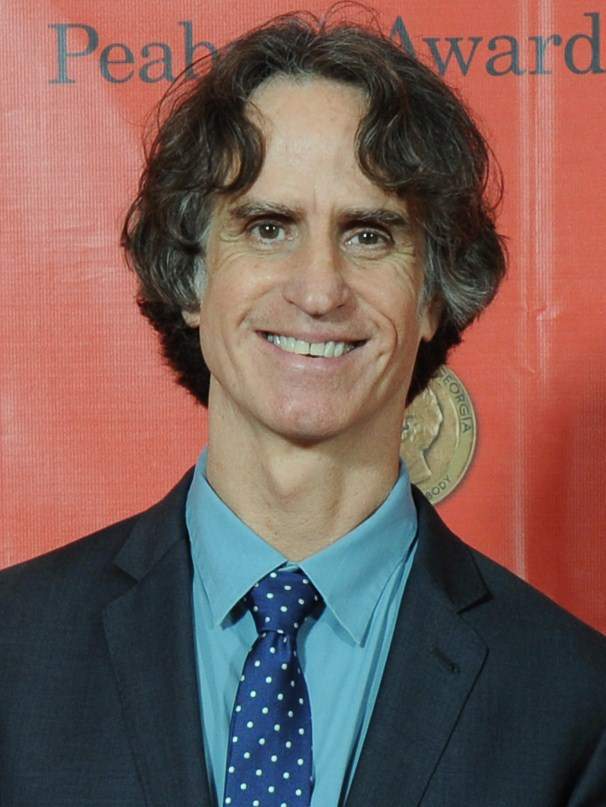

Does All the Way have end credit scenes?
No!
All the Way does not have end credit scenes. You can leave when the credits roll.
Meet the Full Cast and Actors of All the Way
Explore the complete cast of All the Way, including both lead and supporting actors. Learn who plays each character, discover their past roles and achievements, and find out what makes this ensemble cast stand out in the world of film and television.

Anthony Mackie
Martin Luther King, Jr.
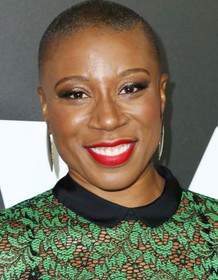
Aisha Hinds
Fannie Lou Hamer
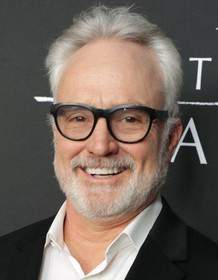
Bradley Whitford
Hubert Humphrey

Stephen Root
J. Edgar Hoover

Melissa Leo
Lady Bird Johnson
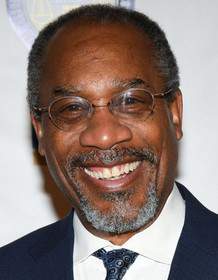
Joe Morton
Roy Wilkins

Toby Huss
Governor Johnson

Frank Langella
Sen. Richard Russell

Bryan Cranston
Lyndon B. Johnson

Ken Jenkins
Howard W. Smith

Ray Wise
Senator Everett Dirksen
Matthew Glave
Governor Sanders
Hal Landon Jr.
Speaker John McCormack
Jeff Doucette
Senator Eastland
Marque Richardson
Bob Moses
Spencer Garrett
Walter Reuther
Dohn Norwood
Ralph Abernathy
Ethan Phillips
Joe Alsop
Todd Weeks
Walter Jenkins
Ned Van Zandt
Senator Fulbright
Mo McRae
Stokely Carmichael
Zachary Barton
JFK's Secretary
Joe O'Connor
Senator Byrd
Kevin Brief
New Orleans Announcer
Bruce Nozick
Stanley Levison
Corby Sullivan
Deputy Price
Gregory Marcel
Edwin King
Randy Oglesby
Senator Strom Thurmond
Samantha Bogach
Luci Johnson
Eric Pumphrey
David Dennis
Keith Barber
Older Man
Bo Foxworth
Robert McNamara
Hilary Ward
Coretta King
Dan Desmond
Rep. Bill McCullough
Stoney Westmoreland
Rep. James Corman
Regi Davis
Aaron Henry
Talia Toms
MLK's Girlfriend
Dale E. Turner
Choir Director
Thomas Lumberg Jr.
Secret Service Agent
External Links and Streaming Options
Discover where to watch All the Way online, including streaming platforms, rental options, and official sources. Compare reviews, ratings, and in-depth movie information across sites like IMDb, TMDb, Wikipedia or Rotten Tomatoes.







Take the Ultimate All the Way Movie Quiz
Challenge your knowledge of All the Way with this fun and interactive movie quiz. Test yourself on key plot points, iconic characters, hidden details, and memorable moments to see how well you really know the film.
All the Way (2016) Quiz: Test your knowledge of the political drama "All the Way," which follows Lyndon B. Johnson's first term as President and the pivotal events of 1963‑1964.
Which president does Lyndon B. Johnson succeed after the assassination of John F. Kennedy?
Full Plot Summary and Ending Explained for All the Way
Read the complete plot summary of All the Way, including all major events, twists, and the full ending explained in detail. Explore key characters, themes, hidden meanings, and everything you need to understand the story from beginning to end.
In 1963, Lyndon B. Johnson, Bryan Cranston, steps into the Presidency after John F. Kennedy’s assassination, carrying the weight of a nation hungry for change and buoyed by the steady support of his wife, Lady Bird Johnson Melissa Leo. He enters the White House with a clear, ambitious dual program: push the landmark Civil Rights Act through Congress without weakening amendments, and launch an expansive War on Poverty designed to redefine opportunity for millions. The political landscape is fragile, with Southern Democrats led by Richard Russell Jr. and other traditionalists prepared to pull the party apart if the bill passes, while Republicans and fence-sitters fashion amendments that could dilute the very essence of liberal reform. The pressure is immense, and Johnson must navigate a tightrope between principle and pragmatism as activists, legislators, and party factions maneuver around him.
On the civil rights front, Martin Luther King Jr., Anthony Mackie, presses relentlessly for a bill that ends segregation and protects voting rights, urging the president to resist concessions that would undermine core guarantees. The opposition within the Senate is formidable: Richard Russell Jr., Frank Langella, mobilizes Southern sentiment and threat of party realignment, making it feel as though passage could come only at a heavy political price. Yet voices from across the nation rally for courage in Congress, and Johnson weighs the political implications of every compromise. The debate is not merely procedural; it is a clash of idealism against political calculus, with each amendment and procedural maneuver carrying the weight of history and the potential to redefine American democracy.
Concurrent with the civil rights struggle, Johnson embraces a domestic reform agenda aimed at wiping away the shadow of poverty. The administration pitches a comprehensive War on Poverty, a program designed to lift families out of the cycle of deprivation through jobs, education, and social support. The effort reflects Johnson’s conviction that civil rights and economic opportunity must go hand in hand, even as it tests the patience and resources of a nation already stretched by social upheaval. The strategy requires not only legislative wins but sustained administrative execution, a challenge that tests the White House’s capacity to translate ambitious policy into tangible change for millions of Americans.
Internationally, the administration responds to the Gulf of Tonkin incident with a sense of urgency and caution. Johnson seeks a congressional resolution endorsing reprisal against North Vietnam, aware that military action could become a defining episode of his presidency. The decision is framed as a response to aggression, yet it also carries the risk of widening a war and mobilizing public opinion in ways that could shape the political climate for years to come. The senior leadership grapples with how to demonstrate resolve without overstepping constitutional authority or squandering the mandate for social reform at home.
As 1964 approaches, Johnson faces a high-stakes contest for re-election against Barry Goldwater. The campaign climate is complicated by the Freedom Summer movement, which intensifies the rift within the Democratic Party between its liberal northern wing and the Southern Dixiecrat faction. The Democratic National Convention in Atlantic City becomes a focal point for national reconciliation—though Mississippi itself sends two delegations, each claiming legitimacy and threatening walkouts. The Mississippi delegation, rooted in the Dixiecrat movement, and the Mississippi Freedom Democratic Party (MFDP) both push for a seat at the table, yet Johnson’s compromise proposal—designed to placate Southern leaders while offering concessions to the MFDP—fails to satisfy either side, leaving tensions unresolved and deeply personal for many involved.
Within the White House, Johnson’s political instincts are tested by the delicate balance of party loyalty and moral duty. He hammers Goldwater in the public sphere, painting the Republican challenger as a dangerous extremist whose policies might jeopardize global stability. Yet inside the party, loyalties fray as the civil rights coalition and the traditionalists vie for influence, complicating the path to victory. The administration also assigns J. Edgar Hoover to investigate the murders of Chaney, Goodman, and Schwerner in Mississippi, a task that people watch closely for indications about national security and the persistence of violent resistance. Hoover’s leadership style, marked by caution and suspicion, adds another layer of tension to a presidency already navigating a precarious political weather.
The personal side of power is never far from view. Johnson’s trusted aide and friend, Walter Jenkins, becomes the subject of scandal when he is arrested for disorderly conduct after an incident in a public restroom. The episode forces Johnson into a difficult conversation with Hoover about screening and security, highlighting how personal lives can collide with public duty in ways that threaten, or at least complicate, the administration’s coherence. The moral complexity of leadership—how to balance privacy, security, and public trust—permeates the narrative as Johnson faces the consequences of political and personal decisions.
Meanwhile, King receives a monumental acknowledgement for his work when he is awarded the Nobel Peace Prize, a moment that underscores the enduring impact of the civil rights movement even as the political shadows lengthen. Hoover responds with a chilling, anonymous letter urging King to commit suicide, an act of intimidation that King meets with measured resolve rather than fear. The episode exemplifies the stark contrasts of the era: monumental progress celebrated in the name of justice, countered by ruthless attempts to intimidate and derail reform.
Ultimately, Johnson secures a decisive victory in the election, but the political landscape remains unsettled—especially in the Deep South, where the costs of realignment linger. A final phone call with Richard Russell prompts a reflection on power, paranoia, and the fragility of alliances. The presidency closes an era defined by ambition and upheaval, leaving a lingering sense of how far the nation has come and how precariously it treads as it moves toward a broader, more inclusive future.
Overall, the film paints a sweeping portrait of a transformative period in American history, anchored by the strenuous negotiations that shaped civil rights, poverty alleviation, and U.S. foreign policy. It presents a nuanced, fact-based look at the imperative of leadership under pressure, the moral urgency of reform, and the enduring tension between ideological idealism and pragmatic politics. The narrative remains rooted in the real stakes of the era, offering a thoughtful, immersive, and broadly illuminating exploration of a pivotal chapter in the nation’s story.

Coming soon on iOS and Android
The Plot Explained Mobile App
From blockbusters to hidden gems — dive into movie stories anytime, anywhere. Save your favorites, discover plots faster, and never miss a twist again.
Sign up to be the first to know when we launch. Your email stays private — always.
Explore the mobile appWatch Trailers, Clips & Behind-the-Scenes for All the Way
Watch official trailers, exclusive clips, cast interviews, and behind-the-scenes footage from All the Way. Dive deeper into the making of the film, its standout moments, and key production insights.
Cars Featured in All the Way
Explore all cars featured in All the Way, including their makes, models, scenes they appear in, and their significance to the plot. A must-read for car enthusiasts and movie buffs alike.
All the Way Other Names and Titles
Explore the various alternative titles, translations, and other names used for All the Way across different regions and languages. Understand how the film is marketed and recognized worldwide.
Quick Links: Summary, Cast, Ratings, More

What's After the Movie?
Not sure whether to stay after the credits? Find out!
Check out our other apps:

SAT Sphere
Build confidence for the Digital SAT.

Mori Atlas
Discover wild places worth protecting.

Luntero
Search smarter for a home in Amsterdam.

Plot Explained
Unravel movie endings and hidden clues.

Pokechamp
Dive into Pokémon data and battle logic.

Driving Theory
Get ready for your European theory test.

Movie Dust
Plan your next cinema trip with ease.

Musemap
Find art and culture as you travel.

Selkobase
Compare credentials before committing.

Local Manual
Turn an unfamiliar country into practical next steps.

Lernavi
Compare school systems before your next move.

GymRoam
Find a workout stop wherever your plans take you.
Explore Our Movie Platform
New Movie Releases (2026)
Famous Movie Actors
Top Film Production Studios
Movie Plot Summaries & Endings
Major Movie Awards & Winners
Best Concert Films & Music Documentaries
Movie Collections and Curated Lists
© 2026 What's After the Movie. All rights reserved.
Privacy Policy