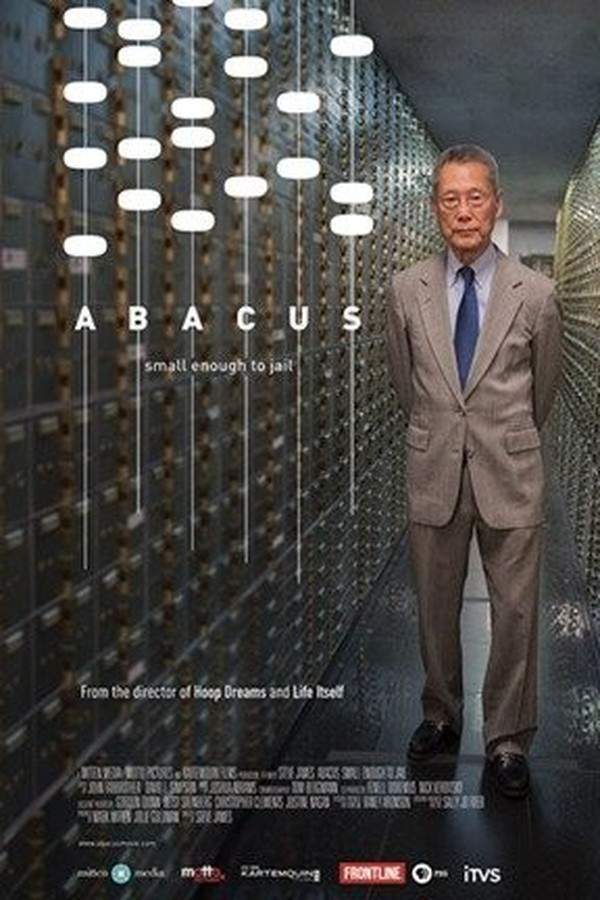
What Is Abacus: Small Enough to Jail About?
The premise of Abacus: Small Enough to Jail in 381 words, with nothing given away. The full story follows below.
markdown In the bustling heart of New York’s Chinatown stands a small community bank with a family at its center. Founded and led by chairman Thomas Sung, Abacus Federal Savings has long served as a neighborhood cornerstone, an institution built on personal relationships and the immigrant entrepreneurial spirit. Sung’s vision was shaped in part by the classic film It’s a Wonderful Life, a touchstone that underscores his belief in banking as a public good. When a sudden bank run threatened the institution in 2003, the family steered it through the crisis, reinforcing their reputation as defenders of their community’s financial lifeline.
That sense of purpose takes on new weight in the wake of the 2008 financial crisis, when Abacus finds itself singled out amid the wreckage of the nation’s banking system. Accusations of mortgage fraud cast a long shadow over the family-run bank, thrusting the Sungs into a high-stakes confrontation with the Manhattan District Attorney’s office. What follows is the beginning of a grueling five-year legal battle, one that pits a tight-knit family institution against the formidable machinery of government prosecution. The tension lies not just in the courtroom stakes, but in the broader question of who gets held accountable when the financial system collapses.
The documentary draws on intimate interviews with members of the Sung family, current and former Abacus employees, and the attorneys on both sides of the case, including District Attorney Cyrus Vance Jr. and defense lawyers. Through their voices, the film paints a portrait of a community caught between cultural traditions and modern regulatory scrutiny. Conversations explore the unique rhythms of Chinese American business culture, where cash-only shops, informal lending practices, and the gap between legal and colloquial names have long shaped everyday commerce. These details frame the bank’s predicament as something far more nuanced than a simple tale of corporate wrongdoing.
Brimming with quiet determination and mounting unease, the film captures the emotional toll of a family fighting to preserve a legacy while facing powerful adversaries. The mood is one of resilience under pressure, balancing the warmth of community bonds with the cold weight of institutional power. Rather than rushing toward judgment, the documentary invites viewers into a story about identity, responsibility, and what it means to stand alone when the world has turned against you.
###What Happens in Abacus: Small Enough to Jail?
The complete story of Abacus: Small Enough to Jail, from the first scene to the last, in 373 words (about 2 minutes). Spoilers throughout. Names in the text link to 1 cast member page.
Spoilers ahead
This detailed documentary provides a comprehensive exploration of the legal and cultural battles surrounding Abacus Bank. The film weaves together a series of insightful interviews featuring members of the Sung family and various employees of Abacus, both past and present. To provide a balanced perspective on the legal conflict, the documentary includes testimonies from New York County District Attorney Cyrus Vance Jr. and his dedicated staff, as well as the strategic insights of defense lawyers Kevin Puvalowski and Rusty Wing.
The narrative is enriched with a historical overview of the institution’s origins, frequently inter-cut with scenes from the classic film It’s a Wonderful Life. This cinematic parallel serves a specific purpose, as it was a primary source of inspiration for the founder and chairman, Thomas Sung, particularly as he navigated the challenges of steering the bank through a volatile bank run in 2003.
Beyond the courtroom drama, the film sheds light on the nuanced complexities of Chinese American business practices. It examines common cultural dealings, such as:
- The operation of cash-only shops and restaurants that may not report their full income to the IRS.
- The tradition of parents providing “gifts” to their children as an alternative to formal loans.
- The significant distinction between an individual or entity’s legal name versus their colloquial or personal name.
Adding further depth to the financial analysis, Neil Barofsky, the former Special United States Treasury Department Inspector General who oversaw the Troubled Assets Relief Program (TARP), offers a critical perspective. He notes that while many Abacus borrowers and loan officers may have misrepresented information on loan applications—an act that technically constitutes a crime—there was a stark difference between these actions and typical mortgage fraud. Specifically, he highlights that the loans at Abacus maintained a very low rate of default, proving that the borrowers had a genuine intent to repay their debts.
Furthermore, Neil Barofsky points out a glaring disparity in the justice system. He emphasizes that there was never any general prosecution regarding the widespread use of subprime mortgages and collateralized debt obligations. These financial instruments were often utilized to maximize profit without any regard for risk, resulting in a devastating impact on society and the global economy that far outweighed the lending practices employed by Abacus Bank.
Abacus: Small Enough to Jail Timeline: Every Key Event in Order
13 key events in the order they happen, from “Thomas Sung Founds Abacus Federal Savings Bank” to “Academy Award Nomination”. 11 events name a place, across 5 locations.
- 1
Thomas Sung Founds Abacus Federal Savings Bank
Chinese immigrant and attorney Thomas Sung establishes Abacus Federal Savings Bank to serve New York's Chinatown, a community long underserved by mainstream banks. He draws inspiration from his favorite film, It's a Wonderful Life, as he creates the institution his daughters will one day help run. Sung serves as the bank's founder and chairman.
When:1984 Where:Chinatown, New York City
- 2
Abacus Weathers a Bank Run
Rumors about the bank's stability send panicked depositors lining up to withdraw their savings, threatening to sink the young institution. Like George Bailey in It's a Wonderful Life, Sung works to calm the panic and steers the bank through the crisis. Abacus survives the run intact and carries on serving its community.
When:2003 Where:Chinatown, New York City
- 3
The 2008 Financial Crisis Reshapes American Banking
Large financial institutions fuel the housing collapse with widespread subprime mortgages and collateralized debt obligations, created to maximize profit without regard to risk. The devastation to society and the economy is enormous, yet the biggest players face no general criminal prosecution. This double standard forms the backdrop for Abacus's own encounter with the justice system.
When:2008 Where:United States
- 4
Prosecutors Begin Investigating Abacus's Lending
The New York County District Attorney's office begins scrutinizing Abacus after irregularities surface in its mortgage lending. Neil Barofsky, the former Special Treasury Department Inspector General overseeing TARP, explains that some Abacus borrowers and loan officers may have misrepresented information on loan applications, which technically constitutes a crime. He notes, however, that the loans had a very low rate of default, unlike typical mortgage fraudsters who have no intention of repaying.
When:Early 2010s Where:Manhattan, New York City
- 5
Abacus and Its Employees Are Indicted
District Attorney Cyrus Vance Jr.'s office indicts Abacus Federal Savings Bank and 19 of its employees on charges that include mortgage fraud and enterprise corruption. It becomes the only bank in the United States to face criminal prosecution in the aftermath of the 2008 financial crisis. The charges put the tiny community bank's very survival at risk.
When:May 2012 Where:Manhattan, New York City
- 6
The Sung Family Chooses to Fight the Charges
Rather than plead guilty to a lesser offense or settle, the Sung family resolves to contest the indictment in court to defend the bank's name and their father's legacy. They understand the enormous risk involved, since mounting legal costs and damaging publicity could destroy the institution. The family, including the daughters who help lead the bank, remains united through the ordeal.
Where:New York City
- 7
The Defense Prepares Its Case
Defense lawyers Kevin Puvalowski and Rusty Wing, interviewed in the documentary, lay out their strategy for dismantling the prosecution's case. They argue that paperwork errors do not amount to intentional fraud and point to the bank's exceptionally low default rate as proof that no one sought to deceive or steal from lenders. Their central task is to convince the jury that sloppy lending is not the same thing as criminal fraud.
Where:Manhattan, New York City
- 8
Cultural Practices Become Central to the Case
The film examines Chinese American business customs that blur the line between informal finance and fraud: cash-only shops and restaurants that do not report their full income to the IRS, and parents who hand money to their children as gifts rather than formal loans. Documents and testimony are further complicated by the difference between a person's legal name and their colloquial or personal name. What prosecutors read as deception, the film suggests, was often simply cultural practice colliding with unfamiliar paperwork standards.
Where:Chinatown, New York City
- 9
Abacus and Its Employees Are Acquitted
After a lengthy legal battle, a jury acquits Abacus and the remaining employees on trial of all charges. The verdict vindicates the Sung family's refusal to back down and allows the bank to continue serving its community. Still, the family is left to grapple with the years of stress and reputational harm the prosecution caused.
When:June 2015 Where:Manhattan, New York City
- 10
A Double Standard: Wall Street Stays Unprosecuted
Neil Barofsky points out that there was never any general prosecution of the widespread subprime mortgage and collateralized debt obligation practices that were carried out to maximize profit without regard to risk. These Wall Street schemes had a far bigger impact on society and the economy than Abacus's small-scale lending ever did. The contrast exposes the disproportionality of a tiny immigrant bank facing criminal indictment while major institutions escaped charges altogether.
Show the other 3 events of Abacus: Small Enough to Jail Hide the last 3 events
- 11
Interviews and Storytelling Come Together
The documentary assembles extensive interviews with the Sung family and past and present Abacus employees, recounting the bank's history and trial firsthand. It also features the perspectives of District Attorney Cyrus Vance Jr. and his staff, along with defense lawyers Kevin Puvalowski and Rusty Wing. Scenes from It's a Wonderful Life are inter-cut throughout, echoing the story of the small bank fighting for its survival.
Where:New York City
- 12
The Documentary Reaches Audiences
The finished documentary is released and brings the Sung family's story to viewers nationwide. By chronicling the only American bank prosecuted after the 2008 financial crisis, the film sparks discussion about prosecutorial priorities, race, and justice for immigrant communities. Its very title, referring to the bank being small enough to jail, captures the troubling logic of the case.
When:2017
- 13
Academy Award Nomination
The documentary earns a nomination for Best Documentary Feature at the Academy Awards. The honor brings the Sung family's David-and-Goliath battle to an even wider audience and cements the film's reputation as a landmark work of nonfiction.
When:2018 Where:Hollywood, Los Angeles
Who Are the Main Characters in Abacus: Small Enough to Jail?
3 characters, among them Thomas Sung, Cyrus Vance Jr. and Neil Barofsky: who each one is and the part they play in the story. 1 of them link to the actor’s page.
- TS
Thomas Sung
Thomas Sung, the founder and chairman of Abacus Bank, is portrayed as a resilient leader who navigated the bank through tumultuous financial waters. His commitment to his community and innovative spirit helped foster trust and support among his clients, even amid legal peril.
- 👨💼 Entrepreneur
- 💪 Resilience
- CV
Cyrus Vance Jr.
Cyrus Vance Jr. serves as the New York County District Attorney and is depicted as a key figure in the legal challenges faced by Abacus Bank. His actions reflect the aggressive stance of the legal system towards small institutions and his commitment to uphold the law, albeit through controversial means.
- ⚖️ Law
- 🔍 Scrutiny
- NB
Neil Barofsky
Played by Neil Barofsky
Neil Barofsky, former Special United States Treasury Department Inspector General, provides critical insights into the broader financial landscape. His commentary serves to frame Abacus Bank's struggles within the context of systemic issues in the American financial system.
- 📊 Finance
- 📈 Oversight
Where and When Is Abacus: Small Enough to Jail Set?
Abacus: Small Enough to Jail is set in Abacus Bank and New York (2003). Here is why the time and place matter to the story.
When
2003
The events of the movie primarily take place around 2003 when Abacus Bank faced a bank run. This period was marked by a rising financial scrutiny in the United States, especially surrounding small financial institutions and the implications of lending practices amid greater economic challenges.
Where
Abacus Bank, New York
Abacus Bank, located in New York City, is a pivotal financial institution within the Chinese American community. Known for its unique approach to lending, particularly in cash-only transactions, it stands out as a beacon of support for small businesses despite facing significant scrutiny and challenges.
- 🏦 Bank
- 🌆 City
What Are the Themes of Abacus: Small Enough to Jail?
2 ideas the story keeps returning to, among them Economics and Justice.
-
01
Economics
The theme of economics is central to 'Abacus: Small Enough to Jail,' exploring the complexities of small banking systems amid larger financial crises. It highlights the struggles of the Chinese American community with legal and ethical challenges in their business dealings, emphasizing the fine line between legitimate financial practices and unlawful misrepresentation.
-
02
Justice
Justice is a critical theme, as the documentary sheds light on the unfair prosecution of Abacus Bank compared to larger financial entities that faced lesser consequences for their actions. This theme punctuates the uneven application of law and exposes the biases that permeate the financial system.
What Kind of Film Is Abacus: Small Enough to Jail?
Tense in tone, with steady pacing and a complex story, going by the plot summary.
- Tone
- Tense
- Pacing
- Steady
- Story
- Complex
- Intensity
- Medium
- Ending
- Bittersweet
A methodical legal documentary that follows a small immigrant family's grueling five-year fight against institutional prosecution, weaving courtroom tension with cultural context and systemic critique.
- tense
- investigative
- procedural
- frustrating
- david vs goliath
- methodical
- legal battle
- financial crisis
- racial profiling
- community banking
Content notes: institutional racism, prosecutorial overreach, financial devastation, xenophobia.
Quiz
How well do you remember Abacus: Small Enough to Jail? Test yourself on the story.