What Is A Reflection of Fear About?
The premise of A Reflection of Fear in 275 words, with nothing given away. The full story follows below.
In the remote hush of an eastern‑Canadian mansion, fifteen‑year‑old Marguerite lives a quiet, claustrophobic existence with her mother and her grandmother. The house—its long corridors, damp walls, and perpetual fog—feels cut off from the world outside, a place where whispered doubts echo louder than footsteps. Marguerite spends her days in the company of dolls and dimly lit sketches, her inner world as intricate and unsettling as the rooms that surround her.
When her estranged father, Michael, a writer who has been absent for a decade, arrives unexpectedly, the fragile routine begins to fray. He brings with him Anne, a woman he presents as his fiancée, and a promise of reconciliation that both intrigues and unsettles the household. Katherine, protective of her daughter’s delicate state, meets the newcomer with suspicion, while Julia watches the reunion with a blend of maternal concern and quiet dread.
The tension between longing and wariness becomes the film’s pulse. Marguerite is drawn to the possibility of a renewed paternal bond, yet the house seems to amplify every unspoken fear, turning ordinary interactions into shadows that linger just beyond the doorway. The dynamic between father and daughter grows increasingly intense, a delicate dance of affection that feels almost possessive, while Anne’s presence adds another layer of uncertainty, hinting at deeper cracks beneath the surface.
Against this backdrop of mist‑soaked rooms and lingering dread, the story unfolds as a study of family secrets, unspoken trauma, and the thin line between imagination and reality. The atmosphere remains taut and ominous, inviting viewers to wonder what lies hidden in the silence and whether the house itself will keep its secrets—or finally let them slip out.
What Happens in A Reflection of Fear?
The complete story of A Reflection of Fear, from the first scene to the last, in 776 words (about 3 minutes). Spoilers throughout. Names in the text link to 5 cast member pages.
Spoilers ahead
In an isolated mansion in Eastern Canada, a 15-year-old girl named Marguerite lives with her mother, Katherine, and her maternal grandmother, Julia. The house and its quiet corridors feel distant from the outside world, and Marguerite’s days are colored by a growing sense of paranoia. She talks to her dolls, especially one named Aaron, and keeps painting unsettling images in seclusion. She also takes daily shots she believes are insulin, though the labels have been removed, which adds to the air of mystery surrounding her condition.
Marguerite’s longing to connect with her father, Michael, a writer who has been estranged for a decade, becomes the central impulse of the story. Michael has begun a new relationship with a woman named Anne, yet he arrives with the claim that he wants a divorce from Katherine and intends to mend his bond with his daughter. Katherine and Julia resist this, wary of Marguerite’s fragility, but Michael presses forward, hoping to rebuild a family connection that time has frayed.
As time passes, Marguerite’s attachment to her father deepens in ways that feel almost protective and possessive. She begins to spy on the household through crevices, and the boundary between affection and obsession grows murkier. The unsettling atmosphere intensifies when the household is shaken by violent acts attributed to Aaron—the figure Marguerite has been conversing with in her mind. Katherine is murdered in her bed with the aid of a wooden pole, and Julia is also killed, leaving the survivors to confront a crime that seems to spring from Marguerite’s inner world as much as from any external threat.
After the murders, Michael arranges a beach outing for Marguerite, Anne, and himself, hoping to foster normalcy and healing. Anne senses that the father-daughter bond between Michael and Marguerite has crossed into something troublingly intimate, a concern that is underscored by their intense, almost claustrophobic closeness. Michael’s attentions feel overbearing, and Anne walks away from the scene, exhausted and unsettled, only to be met by a knowing look from Hector at the inn they pass through.
The tension erupts when the family returns home: Anne confronts Michael about his behavior, and the pair attempt to make love. In a disturbing parallel, Marguerite is shown in her room, crying out while apparently engaging in self-stimulation, a scene that underscores the fault lines within the household. Anne, distressed, leaves to seek distance, while a hooded figure in a rain-soaked world seems to cross paths with her on the road. She stops, thinking she recognizes someone, but a misstep sends her toward danger—she falls and is briefly attacked, only to be saved by an unnamed intervention before she can reach safety.
The following day, [Hector] takes Marguerite out on his boat. He offers her beer and makes an overture toward seduction, which Marguerite allows with obvious anxiety. The scene fades to black as the moment of contact lingers, and soon afterward the boat spirals out of control, crashing onto the rocky shore and killing Hector. Marguerite survives and is escorted away by medical personnel, while Michael and Anne drive her home. On the drive, Michael reveals that he has made a call to Boston, hinting at a future displacement.
That night, Marguerite seems to sense that the Boston call means she will be “taken away,” and Michael confirms the looming threat. She places blame on Aaron and asks to let Michael see how he has hurt them all, which he reluctantly permits. Later, sounds of breaking glass echo from upstairs as Michael investigates and is confronted by a hooded attacker who bursts into the crawl spaces. The figure is revealed to be Marguerite, inhabiting Aaron’s persona, who attacks Michael with growing ferocity. The struggle ends with Marguerite collapsing in a corner, sobbing, her true self breaking through the disguise.
As Michael approaches, a recording of the Boston call is played back, revealing a shocking truth: when asking for information about Katherine’s baby, the records department discloses that, rather than a girl, Katherine had delivered a boy sixteen years earlier. This revelation reframes the entire drama, casting Marguerite’s behavior in a new light and leaving the family to grapple with the possibility that a hidden history has shaped the present crisis.
Throughout, the mansion’s claustrophobic rooms, creaking floors, and the fog of suspicion reinforce a quiet, unsettling mood. The film gradually blurs the lines between fantasy and reality, between a girl’s vivid inner life and a family’s fragile dynamics. The relationships—between Marguerite and her father, between Katherine and her daughter, and the tension with Anne—are depicted with a restrained, observational gaze that underscores a tragedy rooted in longing, secrecy, and the consequences of unresolved trauma.
A Reflection of Fear Timeline: Every Key Event in Order
12 key events in the order they happen, from “Marguerite's isolating paranoia” to “The attic confrontation and revelation”. 12 events name a place, across 10 locations.
- 1
Marguerite's isolating paranoia
In a secluded mansion in Eastern Canada, Marguerite, a 15-year-old, displays escalating paranoia and withdrawal. She talks to her dolls—especially one named Aaron—and to an amoeba she keeps, while painting unsettling images in isolation. She also takes daily injections whose labels have been removed, hinting at a fragile grip on reality.
When:early in Marguerite's stay Where:Mansion, Eastern Canada
- 2
Desire to reconnect with her father
Marguerite expresses a longing to reconnect with her estranged father, Michael, who has been apart from the family for years. He arrives at the hamlet with his partner Anne, signaling an attempt to pursue a divorce from Katherine and repair his relationship with Marguerite. The atmosphere shifts as his presence rekindles the daughter's attachment.
When:upon Michael's arrival Where:Mansion / hamlet
- 3
Unhealthy bond and surveillance
As Michael settles in, Marguerite's attachment grows more intense and invasive, with her spying on household members through crevices and hidden spaces. The line between daughter and father becomes blurred, creating a tense and foreboding mood. The Doll Aaron's influence is hinted at as a destabilizing force.
When:soon after Michael's arrival Where:House
- 4
Katherine and Julia are murdered
Aaron, the figure associated with Marguerite's dolls, murders Katherine in her bed with a wooden pole, and Julia is killed soon after. The family reels from the brutal violence, and Marguerite's grip on reality further deteriorates. Michael and Anne confront the unimaginable loss and growing chaos.
When:night Where:Mansion
- 5
A beach outing to soothe the tension
Marguerite is comforted by Michael, who arranges a local beach outing for Marguerite, Anne, and himself. The trip is meant to ease tensions, but it also reveals the fragility and unhealthy dynamics among the adults. The seaside setting marks a turning point in Marguerite's perception of her world.
When:afternoon Where:Local beach
- 6
Evidence of a dangerous bond surfaces
The outing exposes an alarming level of attachment between Michael and Marguerite, including an inappropriate closeness that unsettles Anne. Anne exits in distress and ends up at the inn, where she encounters Hector and senses something ominous in his knowing look. The house feels on the edge of collapse.
When:evening Where:Beach / inn
- 7
Anne confronts Michael; fragile relationship
Anne confronts Michael about his behavior toward Marguerite, and the couple briefly contemplates pursuing their relationship further. Marguerite's presence remains entwined with the adults' affair, heightening the emotional tension in the household. The confrontation leaves unresolved wounds.
When:that evening Where:House
- 8
A perilous road encounter and danger at night
That night, a person in a raincoat calls out to Anne on the road, leading to a tense encounter. She stops to speak, then falls down a hill and is attacked by a hooded assailant, though she is saved by an unknown rescuer. Anne returns home, apologizing to Michael for leaving, while danger looms over the family.
When:that night Where:Road / path to inn
- 9
Hector's boat date ends in tragedy
The next day, Hector takes Marguerite out on his boat, offering her beer and attempting to seduce her, leaving Marguerite visibly anxious. The sequence ends with the boat spiraling out of control and crashing on the rocky shore, killing Hector while Marguerite survives and is rescued by medical personnel.
When:the following day Where:Boat / rocky shore
- 10
From hospital to home and a Boston call
Marguerite is taken home by medical personnel after the incident, and Michael tells her that he has made a call to Boston. The call hints at deeper institutional involvement or relocation, grounding the sense that Marguerite is to be removed from the current environment. The family tries to regain stability amid the trauma.
When:that evening Where:Home / car to Boston hospital
- 11
The Boston call foreshadows Marguerite's fate
That night Marguerite senses that the Boston call means she will be 'taken away,' and Michael confirms this fear. She blames Aaron for the harm around them and asks to show Michael how he has hurt them all, a request Michael accepts. The threat of separation hangs over Marguerite's head.
When:that night Where:House
- 12
The attic confrontation and revelation
A hooded figure attacks Michael, and the commotion leads through crawl spaces of the house. It is revealed that Marguerite, in Aaron's persona, is behind the assault. She collapses sobbing as Michael approaches, and a Boston-recorded inquiry reveals that Katherine had given birth to a boy, not a girl.
When:that night Where:House / crawl spaces
Who Are the Main Characters in A Reflection of Fear?
8 characters, among them Marguerite (Sondra Locke), Michael (Robert Shaw) and Katherine (Mary Ure): who each one is and the part they play in the story. Every profile links to the actor’s page.
-

Marguerite (Sondra Locke)
Played by Sondra Locke
15-year-old Marguerite is the central protagonist whose paranoia and imagination blur the line between reality and fantasy. She talks to dolls and keeps to herself, painting unsettling images and fixating on her father. Her longing for her father escalates into an unhealthy attachment that challenges the family’s boundaries.
- 🧠 Paranoia
- 🎭 Protagonist
- 👁️ Surveillance
-
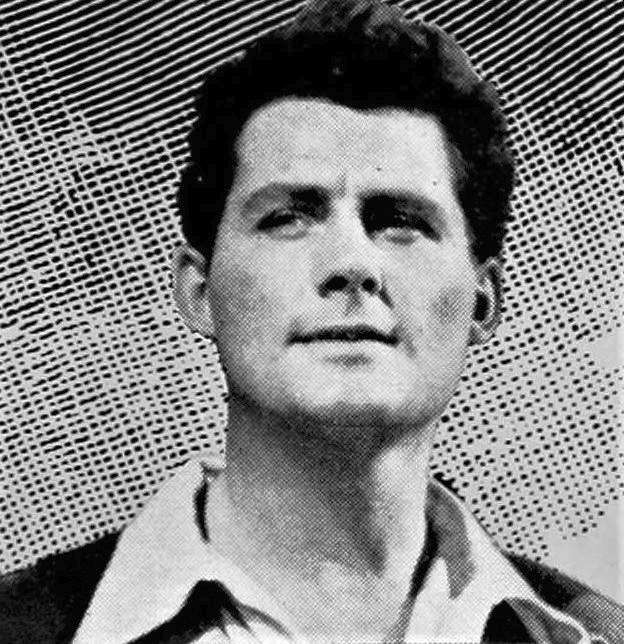
Michael (Robert Shaw)
Played by Robert Shaw
A writer and Marguerite's estranged father who returns to reconnect under the pretense of divorce. He moves into the mansion with his girlfriend Anne and begins to fortify his bond with Marguerite, often ignoring the others' boundaries. His actions drive the central conflict between affection, control, and danger.
- 🎭 Dysfunctional Family
- 👨👧 Father-Daughter
- 🗣️ Manipulation
- K(
Katherine (Mary Ure)
Played by Mary Ure
Marguerite's mother, protective and distressed by the fragile family dynamics. She and Julia, the grandmother, oversee the household while trying to maintain a sense of normalcy. Her role becomes a key part of the tension surrounding Marguerite's behavior and Michael's presence.
- 👩👧 Motherhood
- 🧠 Anxiety
- 🗝️ Secrets
- J(
Julia (Signe Hasso)
Played by Signe Hasso
Marguerite's maternal grandmother, a quiet but influential elder in the home. Her presence symbolizes family history and the weight of unspoken concerns. She becomes entangled in the fallout of the events as Marguerite's world unravels.
- 👵 Grandparent
- 🧠 Family history
-
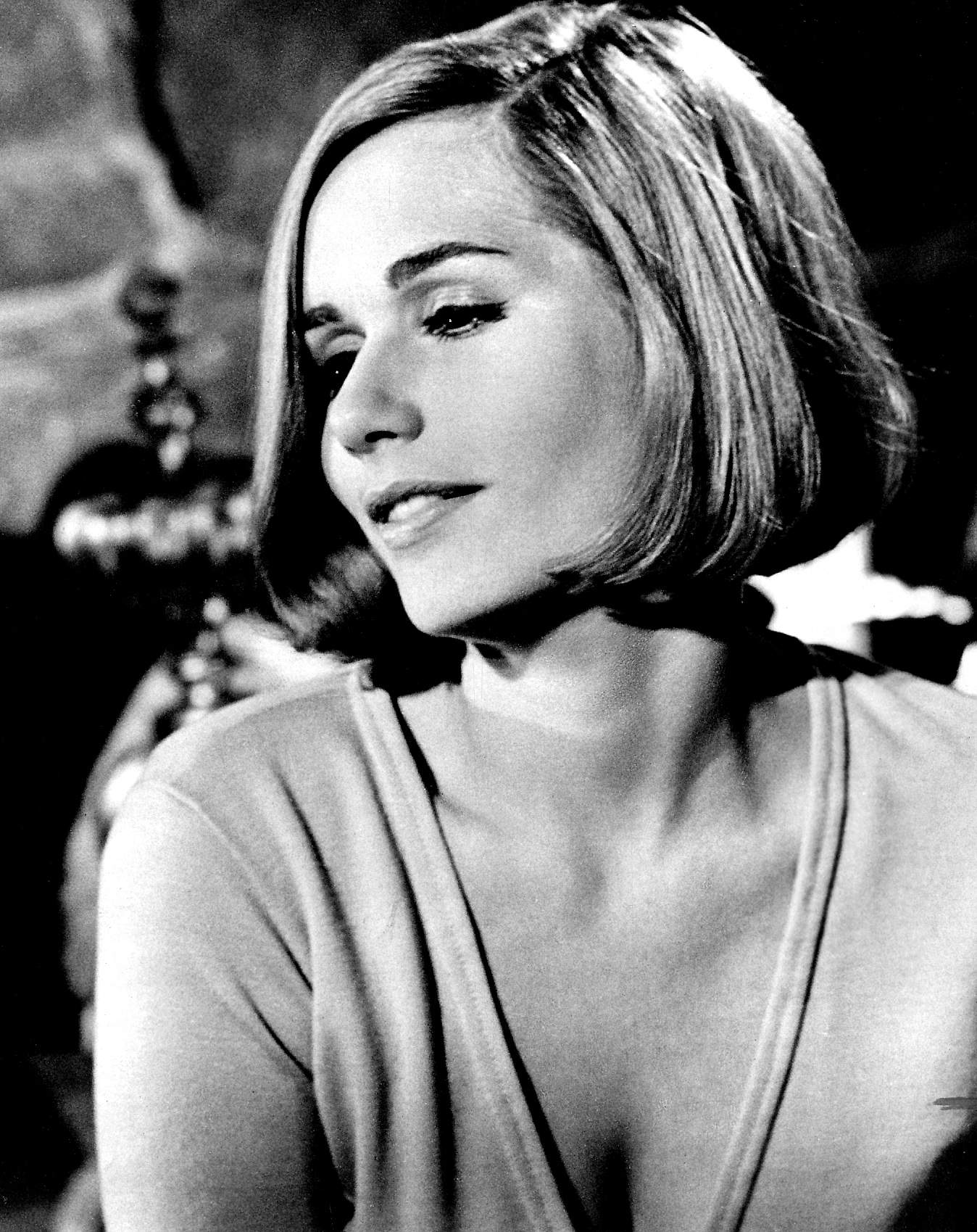
Anne (Sally Kellerman)
Played by Sally Kellerman
Michael's girlfriend who questions the father-daughter closeness and ultimately chooses to leave the house. Her departure marks a turning point in the family's fragility and highlights the outsider's perspective on the incestuous tension.
- 💔 Romantic Partner
- 🤝 Boundaries
- 🗣️ Confrontation
- H(
Hector (Gordon Devol)
Played by Gordon Devol
A young man at the inn who attempts to seduce Marguerite; his advances heighten the sense of danger surrounding the household. He dies in a boating accident when his boat spirals out of control near the shore.
- 🌊 Beach/ Boat
- 🧪 Seduction
- 💥 Tragedy
- A(
Aaron (voice) (Gordon Anderson)
Played by Gordon Anderson
Aaron is Marguerite's alter ego, a separate personality that she manifests, which commits violent acts and confuses the family. The character's presence drives the suspense and culminates in the revelation of a buried truth about the family dynamic.
- 🧠 Split Identity
- 🔪 Violence
- 🪞 Shadow Self
- C(
Coroner (Liam Dunn)
Played by Liam Dunn
A coroner appears in the wake of the deaths, representing the final legal and forensic consequences of the family's turmoil.
- ⚰️ Death Investigation
- 👁️ Witness
Where and When Is A Reflection of Fear Set?
A Reflection of Fear is set in Eastern Canada mansion and Marguerite's family home. Here is why the place matters to the story.
Where
Eastern Canada mansion, Marguerite's family home
An alienated mansion in Eastern Canada serves as the claustrophobic main setting. The stately house contains intimate crevices and corridors where Marguerite hides and spies on her family. The remote hamlet atmosphere amplifies the tension and secrets surrounding the household.
- 🏚 Isolated mansion
- 🌲 Rural setting
- 🗺️ Eastern Canada
What Are the Themes of A Reflection of Fear?
3 ideas the story keeps returning to, among them Paranoia, Family Dynamics and Dual Identity.
-
01
Paranoia
Marguerite's world tilts between reality and fantasy as she talks to dolls and fixates on an unseen threat. Her paranoia is reinforced by the mansion's hidden corners, which become stages for observation and fear. The doll Aaron and other phantasms embody how she externalizes danger. This theme examines how isolation and a fragile mind distort perception, fueling mistrust within the family.
-
02
Family Dynamics
The household is strained by a dangerous hunger for reunion. Michael's attempt to repair his relationship with Marguerite collides with Anne's sense of vulnerability and with Katherine's protective instincts. The mother and grandmother watch a father-daughter bond that crosses boundaries, while Anne becomes the outsider in the home. The escalating tensions culminate in violence and emotional withdrawal.
-
03
Dual Identity
Marguerite's psyche divides into competing identities, most clearly through Aaron, the character she embodies. Aaron's actions intrude into family life, turning love into manipulation and fear into danger. The climactic revelation reframes the earlier events, exposing hidden truths about the family and Marguerite's status within it. The dual identity theme links desire, control, and the fragility of innocence.
What Kind of Film Is A Reflection of Fear?
Dark in tone, with slow pacing and a complex story, going by the plot summary.
- Tone
- Dark
- Pacing
- Slow
- Story
- Complex
- Intensity
- High
- Ending
- Ambiguous
A slow-burning, claustrophobic thriller that generates a deeply unsettling and paranoid atmosphere within an isolated mansion, unraveling a dark web of family secrets, psychological breakdown, and murder.
- claustrophobic
- unsettling
- paranoid
- melancholic
- suspenseful
- oppressive
- psychological horror
- family dysfunction
- identity crisis
- repressed trauma
Content notes: murder, psychological trauma, incestuous desire, child endangerment, identity crisis.
Quiz
How well do you remember A Reflection of Fear? Test yourself on the story.