



Where to Watch Guilty
See current US streaming, rental, and purchase options for Guilty (2020) via JustWatch.


Streaming availability powered by 
Guilty Plot Summary
Read the complete plot summary and ending explained for Guilty (2020). From turning points to emotional moments, uncover what really happened and why it matters.
Nanki Dutta is a songwriter for her boyfriend, Vijay “VJ” Pratap Singh’s band, and she finds herself pulled into a murky storm of trust, truth, and trauma. When a new student, Tanu Kumar, who has a crush on VJ, joins the university and becomes part of the #MeToo conversation, she publicly accuses him on Twitter of a sexually assaultive act on the night of Valentine’s 2018. The film follows Nanki as she grapples with loyalty to the man she loves, the mounting pressure of the allegations, and the uneasy moral terrain of consent and accountability.
To sort through the conflicting accounts, Nanki seeks help from Danish Ali Baig, a lawyer who represents the other side of the story. As the legal proceedings unfold, we watch Nanki’s world tighten around her: she experiences frequent panic attacks and disturbing, sometimes vivid hallucinations tied to the remembered night. The courtroom drama intensifies as Danish Baig presents his case, and the tension in the air is thick with doubt, pain, and the fear of public judgment. Ultimately, the court case ends with the accused person being cleared, and VJ is released, a development that leaves Tanu feeling both vindicated and uneasy.
In a turn that reframes the entire narrative, VJ confesses to Nanki that he did sleep with Tanu, but he insists that he did not assault her. This admission plants further seeds of doubt in Nanki, who notices inconsistencies in the stories that justify the initial allegations. The atmosphere at the campus festival, a setting designed to showcase youth, celebration, and communal life, becomes the turning point. There, Tanu lays out the sequence of events in greater detail, exposing her intentions and the complexity of her feelings toward Vijay. As the threads of the case begin to align, Nanki works to untangle the truth from the noise and finally arrives at a startling realization: Tanu’s account contains elements of truth that were previously buried under rumors, misdirections, and fear.
What follows is a deliberate reckoning. Nanki pieces together the patterns and contradictions she has witnessed, and she comes to understand that Tanu’s initial tweet was not merely a one-sided accusation but part of a longer, more painful truth about Vijay. The film presents a powerful moment of reckoning as Vijay’s crime — framed within a web of manipulation and abuse — is brought to light, leading to his arrest. This pivotal sequence shifts the balance of power and forces a confrontation with the consequences of harmful actions.
In the aftermath, Nanki summons the courage to disclose her own long-silent wounds. Encouraged by a relieved and transformed Tanu, she shares her experience of sexual abuse from when she was thirteen years old. The film closes on a note of personal resilience and collective healing, underscoring how truth-telling can pave the way for accountability, closure, and the chance to begin healing from deep-seated trauma. Throughout, the story maintains a careful, restrained tone that respects the gravity of the subject matter while exploring the messy, human dimensions of memory, consent, and justice. This is a film about confronting difficult truths, learning to distinguish between accusation and evidence, and finding the strength to speak honestly about one’s own pain.
Guilty Timeline
Follow the complete movie timeline of Guilty (2020) with every major event in chronological order. Great for understanding complex plots and story progression.
Nanki joins Vijay's band as songwriter
Nanki works as a songwriter for Vijay's band, stepping into the creative core of their music. Her songs shape the band's voice and she becomes closely tied to VJ's world. The collaboration also strains her personally as she navigates trust and ambition.
Tanu joins the campus and tweets accusation
Tanu, a new student, joins the university and becomes part of the campus's #MeToo conversation. She publicly accuses Vijay of sexual assault on the night of Valentine's 2018 via Twitter. The accusation upends VJ's image and pulls Nanki into a media-fueled maelstrom.
Nanki seeks legal help
Nanki debates how to respond and seeks guidance from Danish Ali Baig, the lawyer assigned to the case. She gradually becomes involved in the investigation while grappling with fear and uncertainty. The decision to consult marks a turning point in her involvement.
Danish begins investigation; Nanki's panic attacks
Danish begins collecting evidence and interviewing witnesses as the investigation unfolds. Nanki experiences frequent panic attacks and disturbing hallucinations tied to the night in question. The pressure mounts as the courtroom battle looms and truths begin to surface.
Court case reaches verdict; Vijay released
Danish's legal strategy leads to a verdict that clears VJ and results in his release. Tanu expresses dismay, feeling the truth hasn't been fully acknowledged. The crowd around them reacts with mixed emotions as the case proceeds through the official channels.
VJ confesses to cheating, not assault
Vijay tells Nanki that he slept with Tanu but denies any assault, despite inconsistencies that trouble Nanki. She remains unconvinced and begins to question the narratives she hears. The distance between them deepens as doubts about the truth intensify.
Campus festival reveals Tanu's full story
During a campus festival, Tanu presents her detailed account of the night and explains her motivations toward Vijay. She exposes her feelings and clarifies what she believes happened, challenging the political aura of the case. The campus community watches a pivotal, emotionally charged moment.
Nanki connects dots; believes Tanu's truth
Nanki sifts through testimonies and tweets, connecting the threads of the case. She reaches a realization that Tanu’s account aligns with the deeper truth she had sensed. She concludes that Vijay raped Tanu and that Tanu spoke honestly about what happened. This reframes the public narrative and deepens her resolve.
Nanki reports Vijay's crime; arrest follows
Nanki reports Vijay's crime to local authorities, sparking an official investigation and his subsequent arrest. The action marks a crucial vindication for Tanu and a shift in the campus climate. Survivor voices begin to gain tangible power in the system.
Nanki speaks about her own abuse history
Inspired by Tanu's revelations, Nanki decides to share her own history of sexual abuse from when she was 13. The act of disclosure is framed as a healing step and a call for accountability. Tanu's support reinforces her courage.
Legal and personal aftermath begin
The aftermath settles into ongoing legal work and personal healing as Nanki rebuilds her life and music with renewed purpose. Relationships are strained or rebuilt as truth-telling becomes part of daily life. The campus and survivors' community starts to reckon with the wider implications.
Closing moment: healing and resolution
Nanki embraces a more public voice, choosing to speak out and advocate for survivors while continuing her musical career. The ending offers a note of resilience and cautious hope for justice in the wake of trauma.
Guilty Characters
Explore all characters from Guilty (2020). Get detailed profiles with their roles, arcs, and key relationships explained.
Nanki Dutta
A songwriter who supports her boyfriend's band while grappling with doubt and loyalty. She experiences frequent panic attacks and vivid hallucinations after the incident, signaling the weight of trauma on her judgment. As she investigates, she shifts from uncertainty to a determined stance, confronting painful truths about the case and her own past.
Vijay "VJ" Pratap Singh
Frontman of the band and Nanki's partner, charming yet emotionally volatile. He initially denies assault but admits to sleeping with Tanu, revealing a complex web of sexual and power dynamics. The narrative leads to his arrest as the investigations unfold and tensions about accountability rise.
Tanu Kumar
A new student whose crush on VJ fuels her decision to publicize the alleged incident. Her actions are revealed to be driven by mixed motives, culminating in a nuanced portrayal of desire, manipulation, and the pursuit of justice. At the festival, her words and intent become key to unlocking the truth about the fateful night.
Danish Ali Baig
The lawyer handling Vijay's side of the case. He orchestrates the defense and represents the complexities of evidence, strategy, and legal procedure. His involvement helps shape the courtroom drama and the progression toward the final outcome.
Guilty Settings
Learn where and when Guilty (2020) takes place. Explore the film’s settings, era, and how they shape the narrative.
Time period
2018
The events are anchored in the late 2010s, around February 2018, during the height of the MeToo movement. Online activism and media coverage shape the investigation and public perception. The period emphasizes real-world consequences of allegations and the evolution of dialogue around consent and accountability.
Location
University Campus, Courtroom
The story unfolds mainly on a university campus, including a pivotal campus festival that becomes the catalyst for the confrontation. It also moves into a courtroom setting where the MeToo case is argued and decided. The setting contrasts intimate campus dynamics with formal legal proceedings, highlighting power imbalances and social scrutiny.
Guilty Themes
Discover the main themes in Guilty (2020). Analyze the deeper meanings, emotional layers, and social commentary behind the film.
🕊️
MeToo & Truth
The film centers on a MeToo-allegation and probes how truth is constructed amidst activism, media scrutiny, and personal testimony. It explores the tension between survivor voices and public opinion, showing how allegations can redefine reputations and relationships. The narrative questions what counts as evidence in a digital age, where tweets and timelines shape the case. It also highlights the ripple effects on everyone connected to the accused and the accuser.
🧠
Trauma & Mental Health
Nanki's panic attacks and hallucinations reveal the enduring impact of trauma on perception and behavior. The film treats mental health as central to the decision-making process, showing how fear and anxiety influence trust. It portrays how survivors and witnesses navigate guilt, memory, and coping mechanisms under public scrutiny. The portrayal aims to humanize the inner turmoil that follows traumatic events.
🔎
Truth vs Deception
As the investigation unfolds, the film steers toward uncovering hidden motives and inconsistent testimonies. It highlights how people may have conflicting interests, whether to protect themselves or to pursue justice. The festival confrontation becomes a focal point where truths are tested and lies are exposed. Ultimately, the narrative questions the reliability of narratives shaped by pride, fear, or revenge.

Coming soon on iOS and Android
The Plot Explained Mobile App
From blockbusters to hidden gems — dive into movie stories anytime, anywhere. Save your favorites, discover plots faster, and never miss a twist again.
Sign up to be the first to know when we launch. Your email stays private — always.
Explore the mobile appGuilty Ending Explained
Unravel the ending of Guilty (2020) with our detailed explanation. Understand the final scenes, character fates, and unresolved questions.
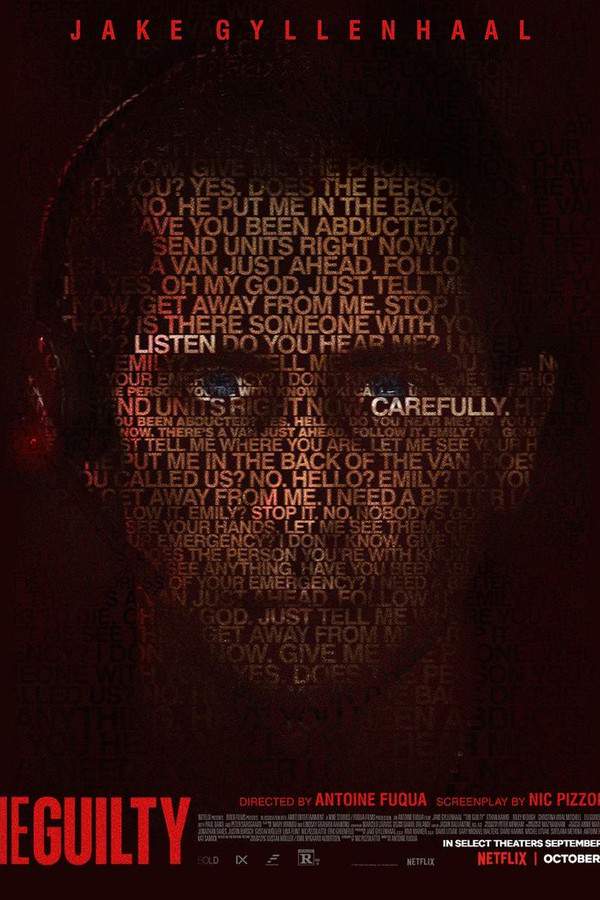
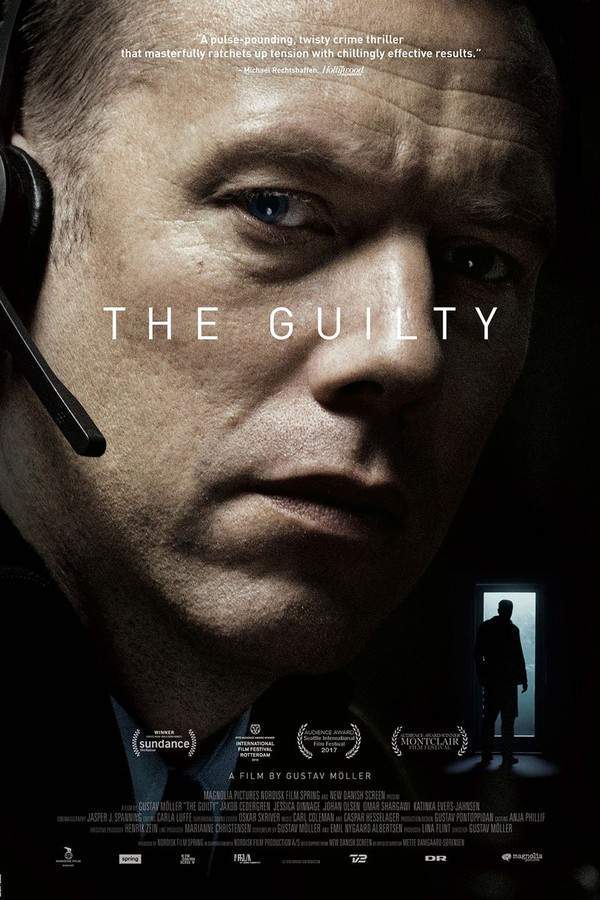
The narrative arc of The Guilty hinges on a subversion of expectations that forces the protagonist, Joe Baylor, to confront his own biases. For the majority of the film, Joe operates under the assumption that he is the heroic savior of a woman named Emily, who he believes has been abducted by her abusive ex-husband, Henry. The plot twists when it is revealed that Henry was actually trying to help Emily, who is suffering from a severe psychotic break. Her terrified description of “getting the snakes out” of her son Oliver leads Joe to the horrifying realization that she, not Henry, is the danger to her children. This revelation dismantles Joe’s self-image; he spent the investigation judging Henry based on a criminal record and his own anger, projecting a villainy that did not exist. The climax sees Joe talking Emily down from suicide, not by giving orders, but by admitting his own failures, telling her, “I put you up on that overpass.” By taking responsibility for his role in the chaotic misunderstanding, he convinces her to choose life, ensuring both she and her son survive.
This emergency serves as a catalyst for Joe to address his own pending legal crisis. Throughout the movie, Joe is preparing for a hearing regarding a shooting incident that occurred while he was on patrol. We learn that he killed a 19-year-old named Joseph, an act he admits was born not out of necessity, but out of a desire to “punish.” Joe’s character is defined by a intense self-righteousness and a need for control, qualities that led him to advise Emily to attack Henry with a brick—a reckless command that endangered everyone involved. The parallel between his mishandling of Emily’s call and his past actions becomes undeniable. He recognizes that his anger and rush to judgment are dangerous liabilities. Consequently, the film concludes with Joe making a choice that defies the typical insular culture of law enforcement. Instead of accepting the cover-up story his colleagues prepared for him, he pleads guilty to the shooting.
The ending reinforces the film’s central theme, introduced by the epigraph “The truth shall set you free.” The Guilty suggests that true redemption requires stripping away self-deception. Joe spends the movie hiding behind a badge and a narrative where he is the victim or the hero, but the truth about Emily and Henry shatters that illusion. By pleading guilty, Joe finally accepts the truth about himself and his capacity for violence. It is a moment of profound clarity where he prioritizes moral accountability over self-preservation, finally stepping out of the dispatch center—and his own denial—to face the consequences of his actions.
Guilty Spoiler-Free Summary
Discover the spoiler-free summary of Guilty (2020). Get a concise overview without any spoilers.
When a high‑profile abduction rattles the capital, the nation’s eyes turn toward the corridors of power and the shadows that surround them. The niece of a leading politician disappears without a trace, thrusting a volatile mix of public scrutiny and private urgency into the forefront of the city’s already fragile equilibrium. The case is more than a simple missing‑person report; it unfolds against a backdrop of media frenzy, whispered alliances, and the ever‑present question of what lies hidden behind polished façades.
Enter the investigation’s two unlikely stewards. Majors Zelme, a seasoned officer known for his methodical precision, carries the weight of countless dossiers and a reputation for never letting a lead slip. His demeanor is measured, his intuition honed by years of navigating bureaucratic labyrinths. Paired with him is Buyan, a younger detective whose instinctive brilliance often clashes with protocol. Buoyed by an unorthodox approach and a keen sense of street‑level undercurrents, Buyan brings a restless energy that challenges Zelme’s conventional tactics.
Together they must wade through a complex web of secrets that bind the political elite, the media, and the city’s underbelly. The atmosphere is thick with tension, a blend of gritty realism and the electric pulse of a society on the brink of scandal. As the investigation deepens, the detectives find themselves balancing duty against personal conviction, each step revealing layers of intrigue that hint at motives far beyond a simple ransom or revenge.
The film’s tone is taut and immersive, drawing the audience into a world where every conversation could conceal a clue and every hallway might hide a truth waiting to surface. Within this charged environment, the partnership of Zelme and Buyan serves as the story’s compass, steering viewers through a maze of uncertainty while promising that the answers lie somewhere in the tangled nexus of power, loyalty, and hidden agendas.
Movies with Similar Twists and Themes
Uncover films that echo the narrative beats, emotional arcs, or dramatic twists of the one you're exploring. These recommendations are handpicked based on story depth, thematic resonance, and spoiler-worthy moments — perfect for fans who crave more of the same intrigue.


Featured on this page

What's After the Movie?
Not sure whether to stay after the credits? Find out!
Check out our other apps:

SAT Sphere
Build confidence for the Digital SAT.

Mori Atlas
Discover wild places worth protecting.

Luntero
Search smarter for a home in Amsterdam.

Plot Explained
Unravel movie endings and hidden clues.

Pokechamp
Dive into Pokémon data and battle logic.

Driving Theory
Get ready for your European theory test.

Movie Dust
Plan your next cinema trip with ease.

Musemap
Find art and culture as you travel.

Selkobase
Compare credentials before committing.

Local Manual
Turn an unfamiliar country into practical next steps.

Lernavi
Compare school systems before your next move.

GymRoam
Find a workout stop wherever your plans take you.
Explore Our Movie Platform
New Movie Releases (2026)
Famous Movie Actors
Top Film Production Studios
Movie Plot Summaries & Endings
Major Movie Awards & Winners
Best Concert Films & Music Documentaries
Movie Collections and Curated Lists
© 2026 What's After the Movie. All rights reserved.
Privacy Policy