

- Born
- March 9, 1909
- Birthplace
- Shiba, Tokyo, Japan
- Full name
- Shizue Saitō
- Citizenship
- Japanese
- Occupations
- Actress
- Years active
- 1916–1999
- Spouses
- Nobuo Iida
- Children
- 1
Shizue Natsukawa's Career in Numbers
Shizue Natsukawa's films in numbers — as an actor, not counting appearances as themselves: when they were made, the genres Shizue Natsukawa works in most and the milestones along the way. The filmography runs from The King of Rowing (1927) to Nutcracker Fantasy (1979), and the 1950s were the busiest decade.
Shizue Natsukawa Movies by Decade
- 1920s 2
- 1930s 2
- 1950s 11
- 1960s 2
- 1970s 2
The 1950s were Shizue Natsukawa's busiest decade, with 11 films.
Shizue Natsukawa Movies by Genre
- Drama 15
- Romance 2
- Family 1
- Fantasy 1
Drama is the genre Shizue Natsukawa has worked in most, with 15 films, ahead of romance (2).
Shizue Natsukawa Career Milestones
- First film
- The King of Rowing 1927
- Newest film
- Nutcracker Fantasy 1979
Shizue Natsukawa Filmography: Every Movie
Every film Shizue Natsukawa is credited on, newest first, with the role, the box office and the Movie Echo Score. Re-order the list to see the best-rated films or the biggest hits first.
- 1979
 Nutcracker Fantasy as Aunt Gerda (voice) · Family
 - 1971
 Okoma, the Orphan Gambler as Otami · Drama
 - 1964
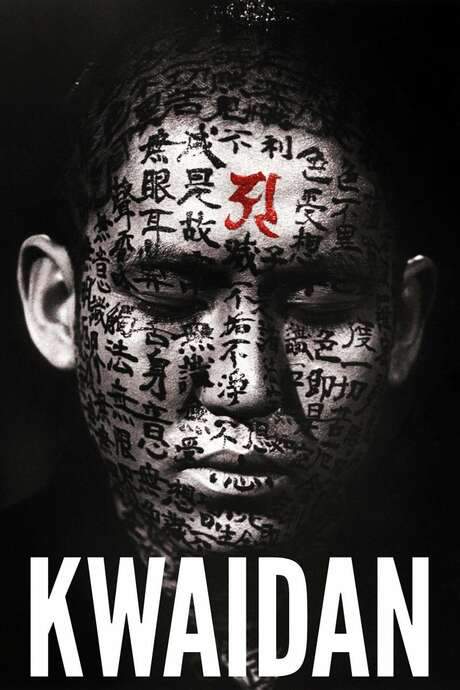 Kwaidan as Tokiko (segment "Hoichi the Earless") (uncredited) · Fantasy
 - 1962
 In Search of Mother as Omura · Drama
 - 1959
 Thus Another Day as Yasuko's mother · Drama
 - 1958
 The Boy Who Came Back Drama
 - 1958
 Little Peach as Rieko Hirayama, the mother · Drama
 - 1958
 Night Drum Drama
 - 1957
 Times of Joy and Sorrow as Mrs. Natori · Drama
 - 1956
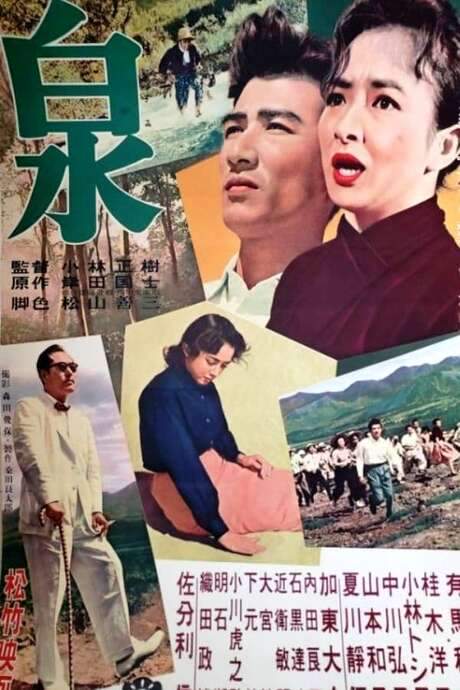 Fountainhead as Motoko's mother · Drama
 - 1955
 The Tattered Wings Drama
 - 1954
 Twenty-Four Eyes as Ôishi Sensei no Haha · Drama
 - 1954
 The Golden Demon as Mrs. Minowa · Drama
 - 1953
 Love Letter as Reikichi's mother · Drama
 - 1950
 Portrait of Madame Yuki as Osumi · Drama
 - 1937
 Young People as Teacher Hashimoto · Drama
 - 1930
 Yoshie Fujiwara’s Hometown as Ayako · Drama
 - 1929
 Tokyo March as 道代(後に折枝) · Romance
 - 1927
 The King of Rowing Romance
Who Is Shizue Natsukawa?
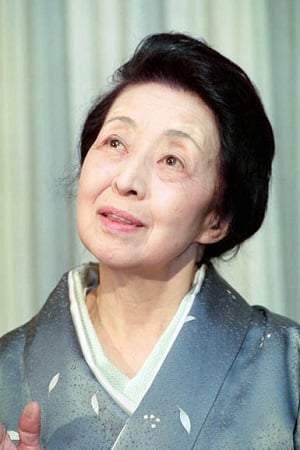
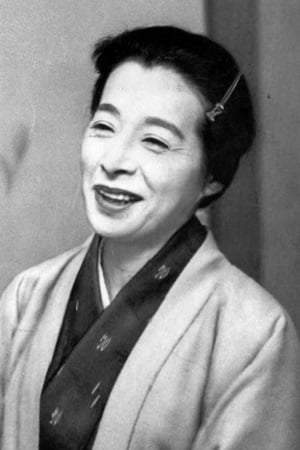
Shizue Natsukawa was born in Shiba, Tokyo, Japan in 1909. Credited on films since 1927, as an actor. The background, training and the roles that shaped the career.
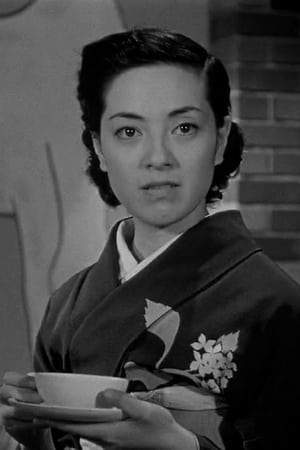
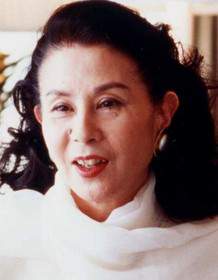
Shizue Natsukawa, born Shizue Saitō on March 9, 1909, in the Shiba district of Tokyo, was a pioneering Japanese stage and film actress whose remarkable career spanned over eight decades, marking her as one of the most enduring and versatile performers in Japanese cinema history. Beginning her theatrical journey at the remarkably young age of seven in 1916, she demonstrated prodigious talent from childhood while performing in traditional and contemporary stage productions. She eventually transitioned to motion pictures with her screen debut in The Glow of Life (1919), a landmark film in which she appeared alongside her brother, Daijirō, establishing the siblings as notable talents in early Japanese cinema. During the late 1920s, she joined the prestigious Nikkatsu studio, where she quickly established herself as a popular leading lady in silent cinema, captivating audiences with her nuanced performances in romantic dramas such as Tsubakihime (1927) and Kekkon nijuso: zenpen (1928). Her delicate yet emotionally expressive acting style made her a favorite among visionary directors of the era. She became a prominent figure in Japan's burgeoning film industry during the critical transition period from silent pictures to sound cinema.
Following her marriage to celebrated composer Nobuo Iida, Natsukawa temporarily stepped away from the spotlight to focus on her family and personal life, a hiatus that lasted several years during the height of her early fame. She made a triumphant return to the screen with Shirō Toyoda's Spring on Leper's Island (1940), demonstrating her lasting appeal and remarkable versatility as a mature performer capable of handling complex dramatic roles. Throughout the post-war period, she evolved into a distinguished character actress, contributing memorable supporting performances in cinematic masterworks by legendary directors including Kenji Mizoguchi, Shirō Toyoda, and Keisuke Kinoshita, notably appearing in the beloved classic Twenty-Four Eyes (1954) and the powerful drama Night Drum (1958). Her artistic career seamlessly extended into the emerging television era with appearances in popular series such as Akō Rōshi (1964), ensuring her continued presence in Japanese popular culture well into her senior years. Natsukawa's artistic legacy continued through her daughter, Kahoru Natsukawa (1943–1998), who also pursued acting on stage and screen with considerable success. This created a remarkable mother-daughter dynasty in Japanese entertainment that influenced multiple generations of performers. She passed away in Tokyo on January 24, 1999, at the age of 89, leaving behind an indelible mark on Japanese performing arts that uniquely bridged the silent film era to the modern age of television and contemporary cinema.
Who Shizue Natsukawa Makes Movies With
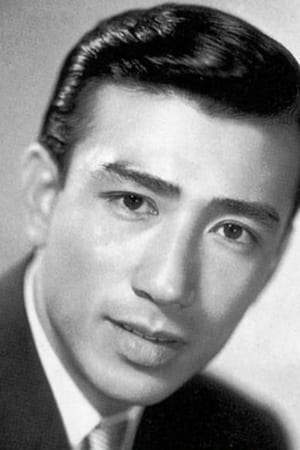
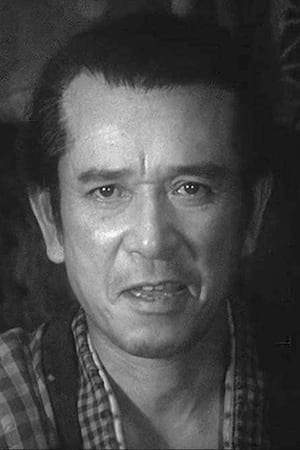
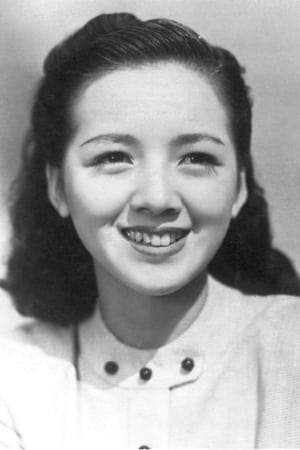
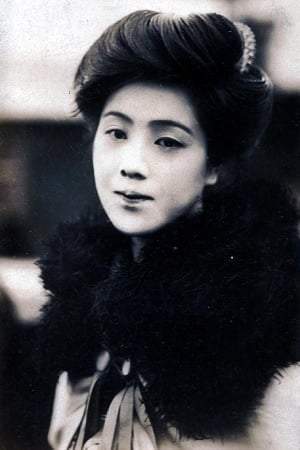
The actors and directors Shizue Natsukawa shares the most films with. Kuniko Igawa comes first, with 4 films together, followed by Yoshiko Kuga (3).
Shizue Natsukawa: Questions & Answers
How many movies Shizue Natsukawa has made, the biggest hit, the best-rated film, the award record and more, answered from the filmography above.
How many movies has Shizue Natsukawa been in?
Shizue Natsukawa is credited on 19 films, from 1927 to 1979. The filmography on this page lists every one of them, newest first, with the role and the Movie Echo Score.
What is Shizue Natsukawa's newest movie?
The most recent film on Shizue Natsukawa's filmography is Nutcracker Fantasy (1979), in the role of Aunt Gerda (voice).
Who does Shizue Natsukawa work with most often?
Shizue Natsukawa shares the most films with Kuniko Igawa (4 films), Yoshiko Kuga (3 films) and Keiji Sada (3 films).
The Best Shizue Natsukawa Movies, Ranked
Top rated, most awarded and biggest box office hits from 19 credits.
Coming soon to your phone
The Plot Explained Movie Summary App
From blockbusters to hidden gems: plot summaries, endings explained and timelines on your phone. Save your favorites and never miss a twist again.
Be the first to know when it launches. Your email stays private, always. Learn more about the app
