
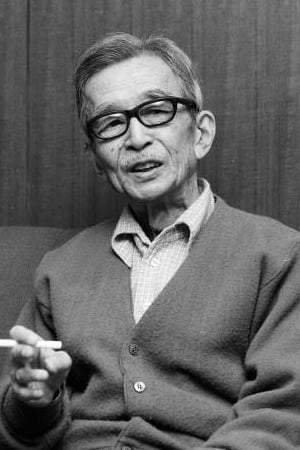
Nobuo Nakamura: Movies & Box Office
- films
- 44
- on screen
- 1946–1989
- box office
- $289K
- Born
- September 14, 1908
- Birthplace
- Otaru, Hokkaido, Japan
- Citizenship
- Japanese
- Occupations
- Actor
- Years active
- 1932-1989
The Best Nobuo Nakamura Movies
The films of Nobuo Nakamura that made the most at the worldwide box office, biggest first: Tokyo Story (1953) leads with $93.9K. The full ranking adds the most awarded films and the newest releases.
-
 Worldwide box office: $93.9K Tokyo Story 1953 · Drama
 -
 Worldwide box office: $61.1K Throne of Blood 1957 · History
 -
 Worldwide box office: $47K The Bad Sleep Well 1960 · Thriller
 -
 Worldwide box office: $47K I Live in Fear 1955 · Drama
 -
 Worldwide box office: $18K Equinox Flower 1958 · Comedy
 -
 Worldwide box office: $17.8K Late Autumn 1960 · Drama
Nobuo Nakamura's Career in Numbers
Nobuo Nakamura's films in numbers — as an actor, not counting appearances as themselves: when they were made, the genres Nobuo Nakamura works in most and the milestones along the way. The filmography runs from A Descendant of Urashima Taro (1946) to No Life King (1989), and the 1950s were the busiest decade.
Nobuo Nakamura Movies by Decade
- 1940s 1
- 1950s 19
- 1960s 14
- 1970s 7
- 1980s 2
The 1950s were Nobuo Nakamura's busiest decade, with 19 films.
Nobuo Nakamura Movies by Genre
- Drama 27
- Horror 5
- Sci-Fi 3
- Thriller 2
- History 2
- Crime 1
- War 1
- Comedy 1
Drama is the genre Nobuo Nakamura has worked in most, with 27 films, ahead of horror (5).
Nobuo Nakamura Career Milestones
- First film
- A Descendant of Urashima Taro 1946
- Biggest box office hit
- Tokyo Story $93.9K worldwide
- Newest film
- No Life King 1989
Nobuo Nakamura Filmography: Every Movie
Every film Nobuo Nakamura is credited on, newest first, with the role, the box office and the Movie Echo Score. Re-order the list to see the best-rated films or the biggest hits first.
Nobuo Nakamura Movies as an Actor
43- 1989
 No Life King Horror
 - 1987
 BU・SU as Customer · Drama
 - 1977
 Lullaby to Kill as Hôan Tatara · Horror
 - 1976
 A Portrait of Shunkin as Harumatsu(春松検校) · Drama
 - 1973
 Submersion of Japan as Japanese Ambassador · Drama
 - 1973
 Internal Sleuth Crime
 - 1973
 The Twilight Years as Fujieda (attorney at law) · Drama
 - 1972
 Tokyo Story Drama
 - 1970
 The Creature Called Man as Head of N-Bussan · Drama
 - 1967
 Japan’s Longest Day as Lord Keeper of the Privy Seal Marquis Koichi Kido · Drama
 - 1966
 Thirst for Love as Father-in-Law · Drama
 - 1966
 The War of the Gargantuas as Professor Kita · Sci-Fi
 - 1965
 Frankenstein Conquers the World as Dr. Suga · Horror
 - 1964
 Dogora as Doctor Matakata · Horror
 - 1964
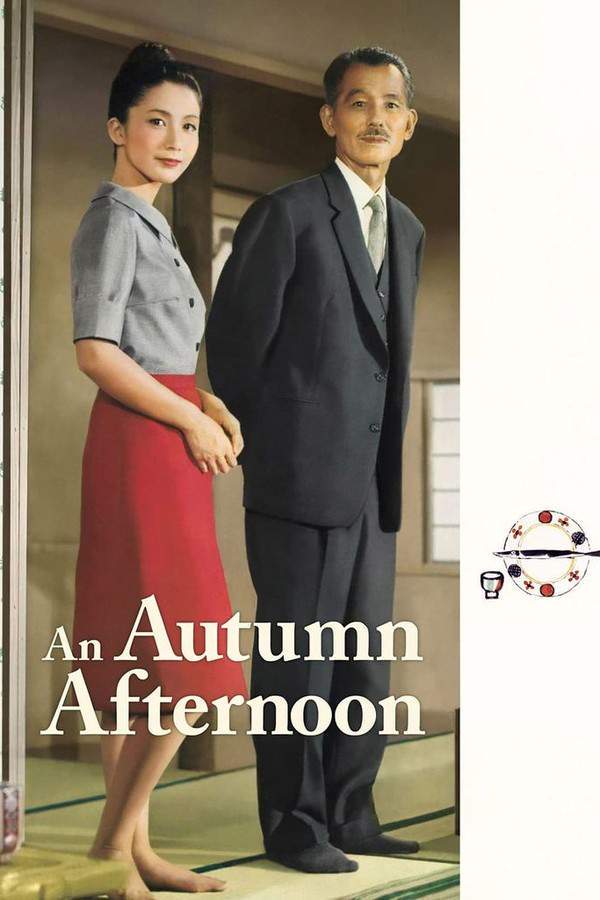 An Autumn Afternoon Drama
 - 1962
 A Night to Remember Drama
 - 1961
 The Last War as Chief Cabinet Secretary Fujikawa · Sci-Fi
 - 1961
 The Other Woman as Kimura · Drama
 - 1960 Late Autumn as Shuzo Taguchi · Drama Worldwide box office: $17.8K
- 1960
 The False Student as Jiro Takagi · Drama
 - 1960 The Bad Sleep Well as Legal Adviser · Thriller Worldwide box office: $47K
- 1960
 The Twilight Story Drama
 - 1960
 The Lost Alibi as Takeda · Thriller
 - 1959
 The Beast Shall Die as Professor Sugimura · Drama
 - 1959
 The Human Condition I: No Greater Love as Honsha Buchô · War
 - 1958
 Half Human: The Story of the Abominable Snowman as Prof. Tanaka · Horror
 - 1958 Equinox Flower as Toshihiko Kawai · Comedy Worldwide box office: $18K
- 1958
 Little Peach Drama
 - 1957
 Advance Patrol Drama
 - 1957
 Secret of Naruto Drama
 - 1957
 Tokyo Twilight as Sakae Aiba · Drama Worldwide box office: $4.46K
 - 1957
 Night Butterflies Drama
 - 1957 Throne of Blood as Phantom samurai · History Worldwide box office: $61.1K
- 1956
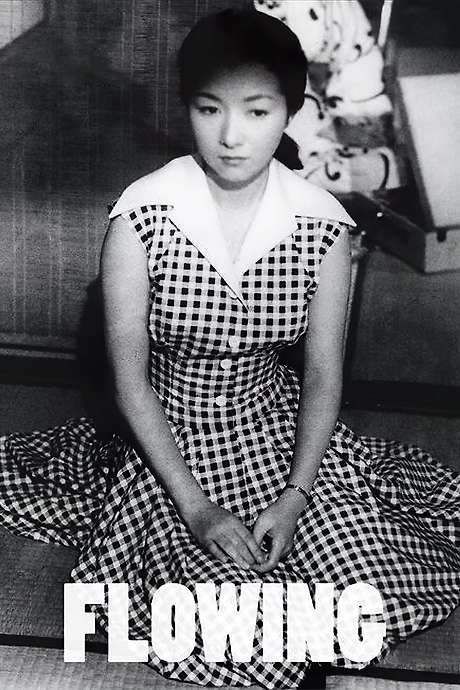 Flowing as Doctor · Drama
 - 1956
 Punishment Room Drama
 - 1956
 Farewell to Dream as Seiji's father, Haruo · Drama
 - 1956
 Early Spring as Arakawa · Drama
 - 1955 I Live in Fear as Psychologist · Drama Worldwide box office: $47K
- 1955
 Half Human as Professor Koizumi · Sci-Fi
 - 1953
 An Inlet of Muddy Water History
 - 1953 Tokyo Story as Kurazo Kaneko · Drama Worldwide box office: $93.9K
- 1952
 Doctor’s Day Off
 - 1946
 A Descendant of Urashima Taro Drama
Nobuo Nakamura in Documentaries & Specials
1
Who Is Nobuo Nakamura?
Nobuo Nakamura was born in Otaru, Hokkaido, Japan in 1908. Credited on films since 1946, as an actor. The background, training and the roles that shaped the career.
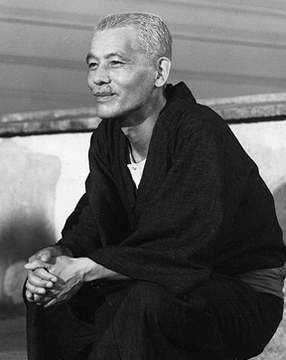
Nobuo Nakamura (中村伸郎) was a prolific Japanese stage and film actor whose career spanned nearly six decades, beginning with his stage debut in 1932 after an early disappointment in the visual arts. Born on September 14, 1908 in Otaru, Hokkaido, he first studied at the Kawabata School of Painting before turning to acting, quickly establishing himself in the vibrant Bungakuza theatre company in 1938. His commitment to artistic integrity led him to leave Bungakuza amid the infamous “Harp of Joy incident,” aligning himself with the Geikan NLT troupe in 1964, a group dedicated to performing the challenging works of Yukio Mishima. Throughout his theatrical journey, Nakamura also contributed to Roman Theatre and the En Theatre Group, showcasing his versatility across a range of classical and contemporary roles. In the 1950s, Nakamura transitioned to the silver screen, becoming a regular presence in Japanese cinema and collaborating with legendary directors such as Akira Kurosawa, Yasujirō Ozu, and Mikio Naruse. His memorable performances include the deputy mayor in Kurosawa’s Ikiru, the phantom samurai in Throne of Blood, and the compassionate Kurazo Kaneko in Ozu’s Tokyo Story. He also appeared in Naruse’s Flowing and portrayed a legal adviser in Kurosawa’s The Bad Sleep Well. Over his extensive filmography, Nakamura demonstrated a remarkable ability to inhabit both authority figures and subtle, introspective characters, earning him a reputation as a reliable supporting actor with a commanding screen presence. Beyond his on‑screen achievements, Nakamura was honored with the Medal with Purple Ribbon in 1976, recognizing his contributions to Japanese culture and the arts. He continued working almost up to his death on July 5, 1991, leaving behind a legacy that reflects the evolution of modern Japanese theatre and cinema, and influencing generations of actors who followed.
Who Nobuo Nakamura Makes Movies With
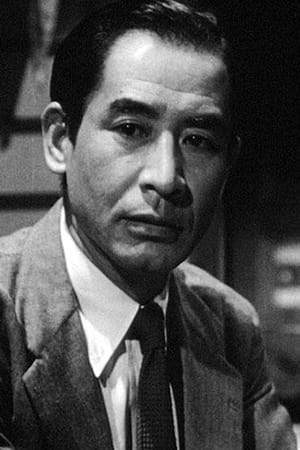
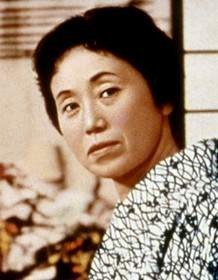
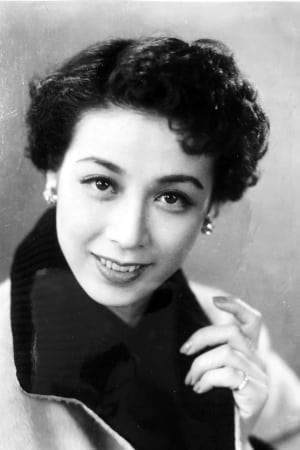
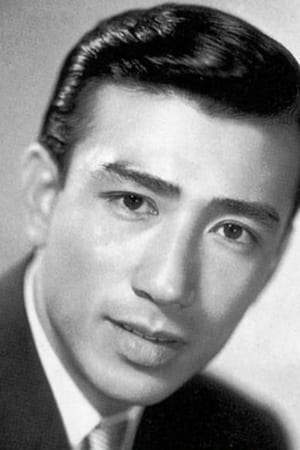
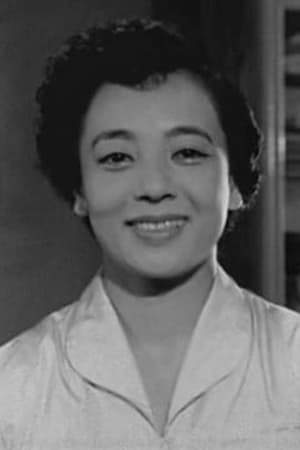
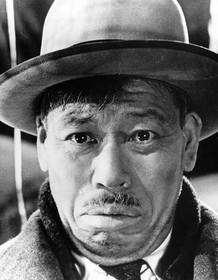
The actors and directors Nobuo Nakamura shares the most films with. Eijirô Tôno comes first, with 11 films together, followed by Chishû Ryû (11).
Nobuo Nakamura: Questions & Answers
How many movies Nobuo Nakamura has made, the biggest hit, the best-rated film, the award record and more, answered from the filmography above.
How many movies has Nobuo Nakamura been in?
Nobuo Nakamura is credited on 44 films, from 1946 to 1989. The filmography on this page lists every one of them, newest first, with the role and the Movie Echo Score.
What is Nobuo Nakamura's highest-grossing movie?
Tokyo Story (1953) is Nobuo Nakamura's biggest box office hit, with $93.9K worldwide, ahead of Throne of Blood (1957) ($61.1K). Across every film with box office figures, Nobuo Nakamura's movies have made $289K.
Nobuo Nakamura's biggest hits What is Nobuo Nakamura's newest movie?
The most recent film on Nobuo Nakamura's filmography is No Life King (1989).
Who does Nobuo Nakamura work with most often?
Nobuo Nakamura shares the most films with Eijirô Tôno (11 films), Chishû Ryû (11 films) and Sô Yamamura (10 films).
The Best Nobuo Nakamura Movies, Ranked
Top rated, most awarded and biggest box office hits from 44 credits.
Coming soon to your phone
The Plot Explained Movie Summary App
From blockbusters to hidden gems: plot summaries, endings explained and timelines on your phone. Save your favorites and never miss a twist again.
Be the first to know when it launches. Your email stays private, always. Learn more about the app
