
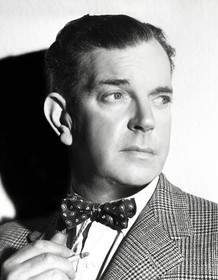
Leslie Banks: Movies & Box Office
- films
- 23
- on screen
- 1932–1950
- box office
- $135K
- Born
- June 9, 1890
- Birthplace
- West Derby, Liverpool, Lancashire, England
- Full name
- Leslie James Banks
- Citizenship
- British
- Occupations
- Actor, director, producer
- Years active
- 1911-1950
- Spouses
- Gwendoline Haldane Unwin
- Children
- 3
The Best Leslie Banks Movies
The films of Leslie Banks that made the most at the worldwide box office, biggest first: Henry V (1944) leads with $62.6K. The full ranking adds the most awarded films and the newest releases.
Leslie Banks's Career in Numbers
Leslie Banks's films in numbers — as an actor, not counting appearances as themselves: when they were made, the genres Leslie Banks works in most and the milestones along the way. The filmography runs from The Most Dangerous Game (1932) to Your Witness (1950), and the 1930s were the busiest decade.
Leslie Banks Movies by Decade
- 1930s 11
- 1940s 10
- 1950s 2
The 1930s were Leslie Banks's busiest decade, with 11 films.
Leslie Banks Movies by Genre
- Crime 4
- Romance 4
- Mystery 3
- Thriller 3
- War 2
- Drama 2
- Documentary 1
- History 1
- Comedy 1
- Sci-Fi 1
Crime is the genre Leslie Banks has worked in most, with 4 films, ahead of romance (4).
Leslie Banks Career Milestones
- First film
- The Most Dangerous Game 1932
- Biggest box office hit
- Henry V $62.6K worldwide
- Newest film
- Your Witness 1950
Leslie Banks Filmography: Every Movie
Every film Leslie Banks is credited on, newest first, with the role, the box office and the Movie Echo Score. Re-order the list to see the best-rated films or the biggest hits first.
- 1950
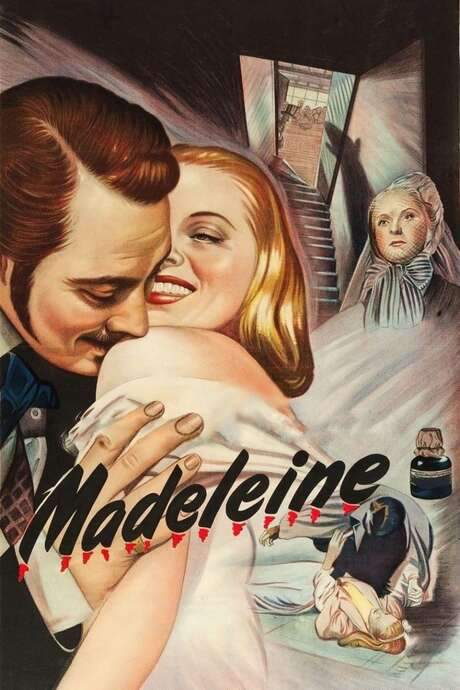 Madeleine as James Smith · Mystery
 - 1950
 Your Witness as Col. Roger Summerfield · Crime
 - 1949
 The Small Back Room as Col. A. K. Holland · Romance Worldwide box office: $25.1K
 - 1945
 The True Glory as Commentator · Documentary
 - 1944
 Henry V as Chorus · History Worldwide box office: $62.6K
 - 1942
 Went the Day Well? as Oliver Wilsford · War Worldwide box office: $47.2K
 - 1942
 The Big Blockade as Taylor · War
 - 1941
 Ships with Wings as Vice Adm. David Wetherby · Drama
 - 1941
 Cottage to Let as John Barrington · Thriller
 - 1940
 The Door with Seven Locks as Dr. Manetta · Mystery
 - 1940
 Busman’s Honeymoon as Inspector Kirk · Comedy
 - 1940
 21 Days Together as Keith Durrant · Romance
 - 1939
 The Arsenal Stadium Mystery as Anthony Slade · Crime
 - 1939
 Jamaica Inn as Joss Merlyn · Thriller
 - 1937
 Wings of the Morning as Lord Clontarf · Romance
 - 1935
 The Tunnel as Frederick 'Robbie' Robbins · Sci-Fi
 - 1935
 Sanders of the River as Commissioner R.G. Sanders · Adventure
 - 1935
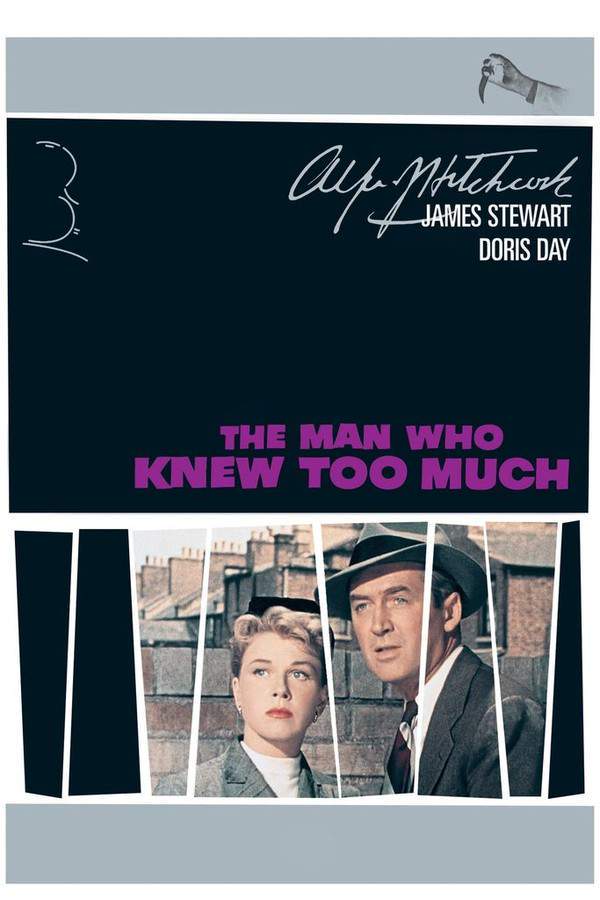 The Man Who Knew Too Much Mystery Worldwide box office: $247
 - 1934
 The Night of the Party as Sir John Holland · Crime
 - 1934
 Red Ensign as David Barr · Drama
 - 1934
 The Fire Raisers as Jim Bronton · Crime
 - 1933
 I Am Suzanne! as Adolpe 'Baron' Herring · Romance
 - 1932
 The Most Dangerous Game as Count Zaroff · Thriller
Who Is Leslie Banks?
Leslie Banks was born in West Derby, Liverpool, Lancashire, England in 1890. Credited on films since 1932, as an actor. The background, training and the roles that shaped the career.
Born on 9 June 1890 in West Derby, Liverpool, Leslie James Banks grew up as the son of George and Emily (née Dalby) Banks and was educated at Glenalmond College before attending Keble College, Oxford with an initial ambition to become a parson. His passion for the stage, however, led him to join Frank Benson’s touring company, where he made his professional debut in October 1911 as Old Gobbo in The Merchant of Venice. After an early tour of North America with Henry V. Esmond and Eva Moore, he returned to London and appeared on the West End at the Vaudeville Theatre in May 1914. The outbreak of the First World War saw him serve in the Essex Regiment, sustaining facial injuries that would later become a distinguishing feature of his screen persona, allowing him to switch between a scar‑free, comic face and a grim, scarred countenance for dramatic roles. Following the war he honed his craft at the Birmingham Repertory Theatre and re‑established himself as a leading dramatic actor in London by 1921, earning a reputation for powerful yet restrained performances that attracted trans‑Atlantic attention. His New York engagements brought him to the attention of producer Kenneth Macgowan, who persuaded him to travel to Hollywood, where he made a striking film debut as the villainous General Zaroff in The Most Dangerous Game (1932).
Throughout the 1930s and 1940s Banks became a familiar face in both British and American cinema, remembered most for his gravitas in roles such as the sinister mastermind in Alfred Hitchcock’s The Man Who Knew Too Much (1934), the charismatic leader in Erich Pommer’s Fire Over England (1937), and the authoritative Chorus in Laurence Olivier’s wartime adaptation of Henry V (1944). He also displayed versatility by playing the eccentric Inspector Anthony Slade in The Arsenal Stadium Mystery (1939) and the dignified schoolmaster in Goodbye, Mr Chips (1938). In addition to his film work, Banks continued to shine on stage, taking on iconic parts such as Captain Hook in Peter Pan and Petruchio in The Taming of the Shrew. Appointed CBE for services to theatre in 1950, he remained active until his sudden death from a stroke while walking in Kensington on 21 April 1952, leaving behind a legacy of distinguished performances across stage and screen.
Who Leslie Banks Makes Movies With
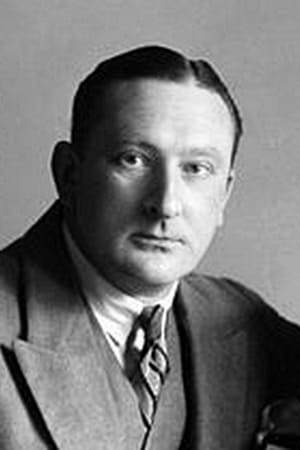
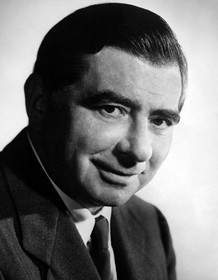
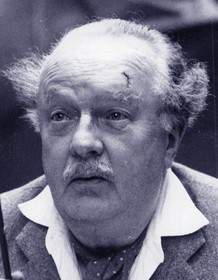
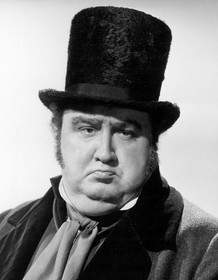
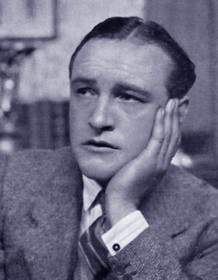
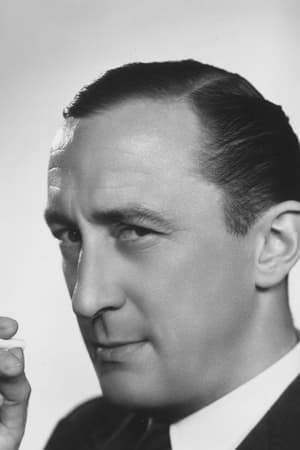
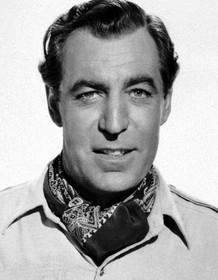
The actors and directors Leslie Banks shares the most films with. John Laurie comes first, with 4 films together, followed by Frank Cellier (4).
Leslie Banks: Questions & Answers
How many movies Leslie Banks has made, the biggest hit, the best-rated film, the award record and more, answered from the filmography above.
How many movies has Leslie Banks been in?
Leslie Banks is credited on 23 films, from 1932 to 1950. The filmography on this page lists every one of them, newest first, with the role and the Movie Echo Score.
What is Leslie Banks's highest-grossing movie?
Henry V (1944) is Leslie Banks's biggest box office hit, with $62.6K worldwide, ahead of Went the Day Well? (1942) ($47.2K). Across every film with box office figures, Leslie Banks's movies have made $135K.
Leslie Banks's biggest hits What is Leslie Banks's newest movie?
The most recent film on Leslie Banks's filmography is Madeleine (1950), in the role of James Smith.
Who does Leslie Banks work with most often?
Leslie Banks shares the most films with John Laurie (4 films), Frank Cellier (4 films) and Robert Newton (4 films).
The Best Leslie Banks Movies, Ranked
Top rated, most awarded and biggest box office hits from 23 credits.
Coming soon to your phone
The Plot Explained Movie Summary App
From blockbusters to hidden gems: plot summaries, endings explained and timelines on your phone. Save your favorites and never miss a twist again.
Be the first to know when it launches. Your email stays private, always. Learn more about the app
