

Akitake Kôno: Movies & Box Office
- films
- 28
- on screen
- 1943–1973
- box office
- $5.27K
- Born
- October 8, 1911
- Birthplace
- Nagasaki, Japan
- Full name
- Akitake
- Citizenship
- Japanese
- Occupations
- Actor
- Years active
- 1943-1977
Akitake Kôno's Career in Numbers
Akitake Kôno's films in numbers — as an actor, not counting appearances as themselves: when they were made, the genres Akitake Kôno works in most and the milestones along the way. The filmography runs from Sanshiro Sugata (1943) to Miyamoto Musashi (1973), and the 1950s were the busiest decade.
Akitake Kôno Movies by Decade
- 1940s 8
- 1950s 11
- 1960s 8
- 1970s 1
The 1950s were Akitake Kôno's busiest decade, with 11 films.
Akitake Kôno Movies by Genre
- Drama 15
- Crime 5
- War 4
- Comedy 1
- Romance 1
- Thriller 1
- Adventure 1
Drama is the genre Akitake Kôno has worked in most, with 15 films, ahead of crime (5).
Akitake Kôno Career Milestones
- First film
- Sanshiro Sugata 1943
- Biggest box office hit
- Sansho the Bailiff $5.27K worldwide
- Newest film
- Miyamoto Musashi 1973
Akitake Kôno Filmography: Every Movie
Every film Akitake Kôno is credited on, newest first, with the role, the box office and the Movie Echo Score. Re-order the list to see the best-rated films or the biggest hits first.
- 1973
 Miyamoto Musashi as Kimura Sukekuro · Drama
 - 1969
 Crimson Bat, the Blind Swordswoman as Yasuke · Drama
 - 1964
 Adventures of Zatoichi as Intendant Gorota Kajima · Drama
 - 1964
 The Scarlet Camellia Crime
 - 1964
 The Shape of Night Drama
 - 1964
 Ken as Kiuchi · Drama
 - 1963
 Castle of Owls Drama
 - 1961
 The Conspirator Drama
 - 1960
 Castle of Flames Drama
 - 1959
 Souls in the Moonlight III Drama
 - 1959
 The Human Condition I: No Greater Love as Kôno Taii · War
 - 1957
 A Sun-Tribe Myth from the Bakumatsu Era as Matabei · Comedy
 - 1956
 Satan’s Town as Sasaki · Crime
 - 1955
 Taira Clan Saga as Heiroku · Drama
 - 1955
 The Wolves Crime
 - 1955
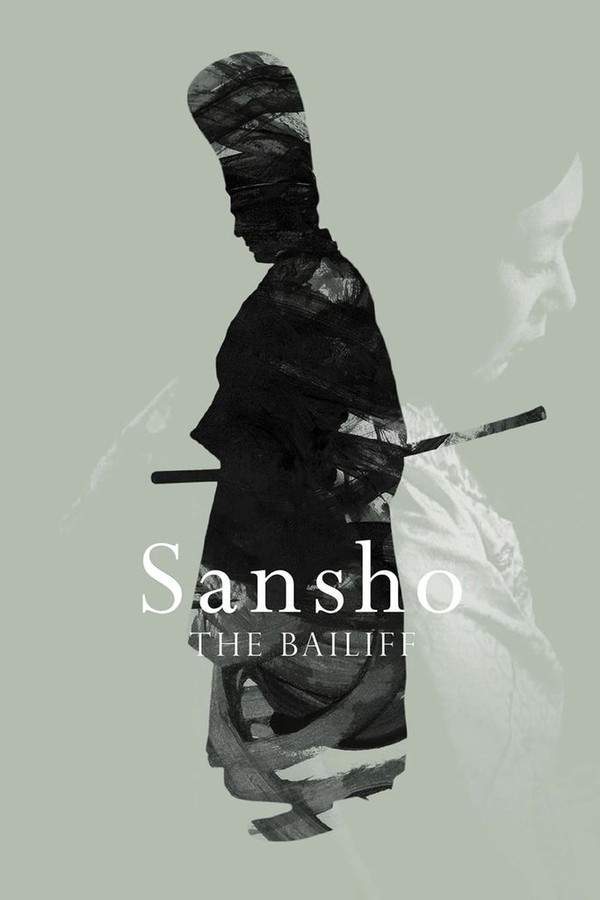 Sansho the Bailiff Drama Worldwide box office: $5.27K
 - 1953
 Tower of Lilies Drama
 - 1950
 Listen to the Voices of the Sea War
 - 1950
 Till We Meet Again Romance
 - 1950
 Street of Violence as Enomoto · Crime
 - 1947
 Snow Trail as Honda · Crime
 - 1946
 No Regrets for Our Youth as Itokawa · War
 - 1945
 The Men Who Tread on the Tiger’s Tail as Ise · Thriller
 - 1945
 Three Women of the North Drama
 - 1945
 A Tale of Archery at the Sanjusangendo as Kazuma Hochino · War
 - 1945
 Sanshiro Sugata Part Two as Genzaburo Higaki · Adventure
 - 1944
 The Most Beautiful as Fire and drum band instructor (uncredited) · Drama
 - 1943
 Sanshiro Sugata as Yoshima Dan · Drama
Who Is Akitake Kôno?
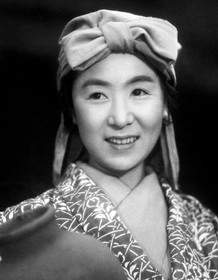
Akitake Kôno was born in Nagasaki, Japan in 1911. Credited on films since 1943, as an actor. The background, training and the roles that shaped the career.
**Akitake Kōno** (*河野 秋武*) was born on 8 October 1911 in the historic port city of Nagasaki, Japan, a region known for its cultural crossroads and resilient spirit. Growing up during the tumultuous Taishō and early Shōwa periods, he was exposed to a vibrant mix of traditional Japanese theatre and emerging Western influences. Kōno’s fascination with performance led him to audition for the renowned Zenshinza theatre troupe, where he honed his craft under the guidance of masters of shingeki (new drama). His dedication and natural stage presence quickly earned him supporting roles that showcased his versatility in both comedic and dramatic contexts. He quickly earned supporting roles that showcased his versatility in both comedic and dramatic contexts. In 1942, amidst the intensifying demands of wartime propaganda cinema, he was recruited by the powerful Toho studio, marking his transition from stage to screen. Although the war cast a shadow over the Japanese film industry, Kōno’s early screen appearances demonstrated a nuanced ability to convey subtle emotion, a talent that would define his later career.
Over the following three decades, Kōno became one of Toho’s most reliable character actors, appearing in more than sixty films from 1943 to 1973 and leaving an indelible mark on Japanese cinema. He collaborated with legendary directors such as Akira Kurosawa—appearing in *Rashomon* and *Seven Samurai*—and Kenji Mizoguchi, where his understated performances added depth to complex narratives. Known for his ability to embody ordinary citizens with profound dignity, he often portrayed teachers, shopkeepers, and samurai retainers, earning the respect of peers and audiences alike. In addition to his film work, Kōno expanded into television during the 1960s, bringing his seasoned screencraft to the small‑screen dramas that were rapidly gaining popularity in post‑war Japan. His longevity in the industry, spanning from the wartime era to the vibrant post‑industrial boom, reflects both personal resilience and an unwavering commitment to the acting profession. When he passed away on 17 March 1978 in Itō, Shizuoka, many remembered him as a consummate supporting actor whose contributions helped shape the golden age of Japanese film. Critics often highlighted his subtle facial expressions and timing, noting that Kōno could convey entire backstories with a single glance. His legacy continues to inspire modern Japanese character actors, who study his performances as exemplars of understated yet powerful acting.
Who Akitake Kôno Makes Movies With
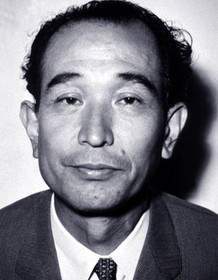
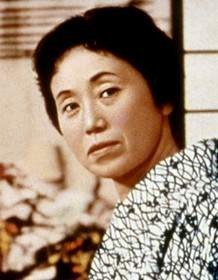
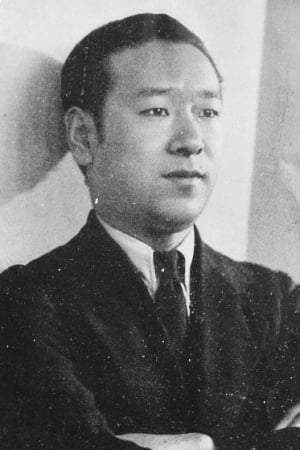
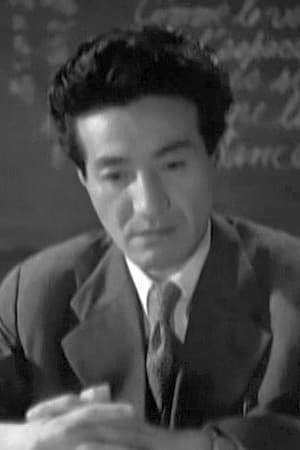
The actors and directors Akitake Kôno shares the most films with. Takashi Shimura comes first, with 7 films together, followed by Ichirô Sugai (6).
Akitake Kôno: Questions & Answers
How many movies Akitake Kôno has made, the biggest hit, the best-rated film, the award record and more, answered from the filmography above.
How many movies has Akitake Kôno been in?
Akitake Kôno is credited on 28 films, from 1943 to 1973. The filmography on this page lists every one of them, newest first, with the role and the Movie Echo Score.
What is Akitake Kôno's highest-grossing movie?
Sansho the Bailiff (1955) is Akitake Kôno's biggest box office hit, with $5.27K worldwide. Across every film with box office figures, Akitake Kôno's movies have made $5.27K.
Akitake Kôno's biggest hits What is Akitake Kôno's newest movie?
The most recent film on Akitake Kôno's filmography is Miyamoto Musashi (1973), in the role of Kimura Sukekuro.
Who does Akitake Kôno work with most often?
Akitake Kôno shares the most films with Takashi Shimura (7 films), Ichirô Sugai (6 films) and Taiji Tonoyama (5 films).
The Best Akitake Kôno Movies, Ranked
Top rated, most awarded and biggest box office hits from 28 credits.
Coming soon to your phone
The Plot Explained Movie Summary App
From blockbusters to hidden gems: plot summaries, endings explained and timelines on your phone. Save your favorites and never miss a twist again.
Be the first to know when it launches. Your email stays private, always. Learn more about the app
