
When Nietzsche Wept 2007


Viennese doctor Josef Bruer meets with philosopher Friedrich Nietzsche to help him deal with his despair.


Does When Nietzsche Wept have end credit scenes?
No!
When Nietzsche Wept does not have end credit scenes. You can leave when the credits roll.
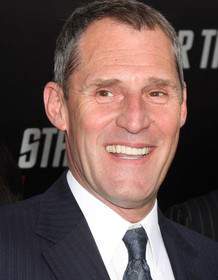
Meet the Full Cast and Actors of When Nietzsche Wept
Explore the complete cast of When Nietzsche Wept, including both lead and supporting actors. Learn who plays each character, discover their past roles and achievements, and find out what makes this ensemble cast stand out in the world of film and television.



External Links and Streaming Options
Discover where to watch When Nietzsche Wept online, including streaming platforms, rental options, and official sources. Compare reviews, ratings, and in-depth movie information across sites like IMDb, TMDb, Wikipedia or Rotten Tomatoes.






Take the Ultimate When Nietzsche Wept Movie Quiz
Challenge your knowledge of When Nietzsche Wept with this fun and interactive movie quiz. Test yourself on key plot points, iconic characters, hidden details, and memorable moments to see how well you really know the film.
When Nietzsche Wept Quiz: Test your knowledge of the 2007 film *When Nietzsche Wept*, its characters, plot details, and historical references.
Which actress portrays Lou Salomé in the film?
Full Plot Summary and Ending Explained for When Nietzsche Wept
Read the complete plot summary of When Nietzsche Wept, including all major events, twists, and the full ending explained in detail. Explore key characters, themes, hidden meanings, and everything you need to understand the story from beginning to end.
Lou Andreas-Salome, Katheryn Winnick, a Russian-born novelist who would later become a member of Freud’s Vienna Circle, is depicted as having a historically debated, largely platonic bond with Friedrich Nietzsche, Armand Assante. The story unfolds as she writes to Dr. Josef Breuer, inviting him to engage with the powerful migraines that plague Nietzsche and, simultaneously, to address the despair born from her own unfulfilled marriage. The film follows this delicate arrangement as Breuer—less eager at first, treated respectfully as a colleague rather than a master—agrees to Salome’s plan, hoping to relieve Nietzsche’s torment without compromising the philosopher’s sense of autonomy and intellectual prowess.
From the outset, Nietzsche resists the treatment, insisting that accepting Breuer’s help would amount to surrendering control. The narrative draws a chilling parallel when Nietzsche encounters a mistreated horse, an event that foreshadows a turning point: he decides to keep his appointment with Breuer, a decision that foreshadows his eventual decline into madness after later refusing to intervene to protect a vulnerable animal. Nietzsche’s pain intensifies as a sleeping draught—an externally administered remedy—contributes to new migraines and a sense of futility, provoking him to contemplate an exit to Basel rather than a cure.
Meanwhile, the film threads in the dawning influence of Sigmund Freud, an ambitious psychologist and Breuer’s student, who suggests that Nietzsche might find relief through confession—an approach that could shift the balance away from Breuer’s perceived power and toward a more intimate, self-revealing dialogue. The personal stakes rise as Breuer and Nietzsche meet again, with Breuer proposing that, while he can treat Nietzsche’s body, Nietzsche must also confront the despair that Breuer himself feels after falling in love with one of his patients, Bertha Pappenheim [Michal Yannai], better known in history as Anna O.—an emblematic figure in early psychoanalytic history. The film presents this complex emotional exchange as a gateway to mutual openness, tracing how two towering minds begin to understand one another through the lens of their own vulnerabilities.
As their conversations deepen, the two men explore not only medical treatment but also the ideas that will shape later psychoanalytic practice. Nietzsche’s philosophy and Breuer’s evolving technique intertwine, with dream imagery and symbolic motifs guiding Breuer through his own introspection. The story suggests that dream interpretation—an essential stepping stone in Freud’s developing methods—gives Breuer a way to reinterpret personal dissatisfaction and to glimpse a possible cure for his emotional unrest.
In the film’s culminating arc, Breuer finds renewed happiness with his wife, aided by a hypnotically induced dream that channels Nietzsche’s insights into a transformative moment. Nietzsche, meanwhile, departs for Basel, preparing to begin a new chapter in his life and, on the shores of Lake Silvaplana, to craft what would become his landmark work, Thus Spoke Zarathustra. The narrative emphasizes how these intertwined journeys—personal healing, philosophical exploration, and the birth of a new psychoanalytic framework—converge to reshape the way these historical figures understood suffering, creativity, and the psychology of the human mind.

Discover Film Music Concerts Near You – Live Orchestras Performing Iconic Movie Soundtracks
Immerse yourself in the magic of cinema with live orchestral performances of your favorite film scores. From sweeping Hollywood blockbusters and animated classics to epic fantasy soundtracks, our curated listings connect you to upcoming film music events worldwide.
Explore concert film screenings paired with full orchestra concerts, read detailed event information, and secure your tickets for unforgettable evenings celebrating legendary composers like John Williams, Hans Zimmer, and more.


When Nietzsche Wept Themes and Keywords
Discover the central themes, ideas, and keywords that define the movie’s story, tone, and message. Analyze the film’s deeper meanings, genre influences, and recurring concepts.
When Nietzsche Wept Other Names and Titles
Explore the various alternative titles, translations, and other names used for When Nietzsche Wept across different regions and languages. Understand how the film is marketed and recognized worldwide.
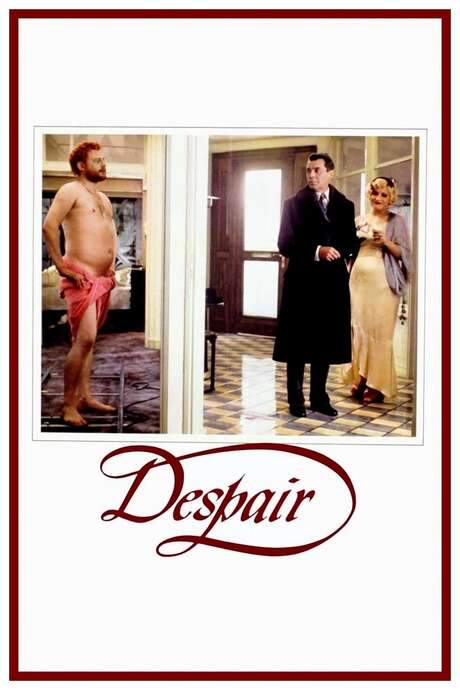
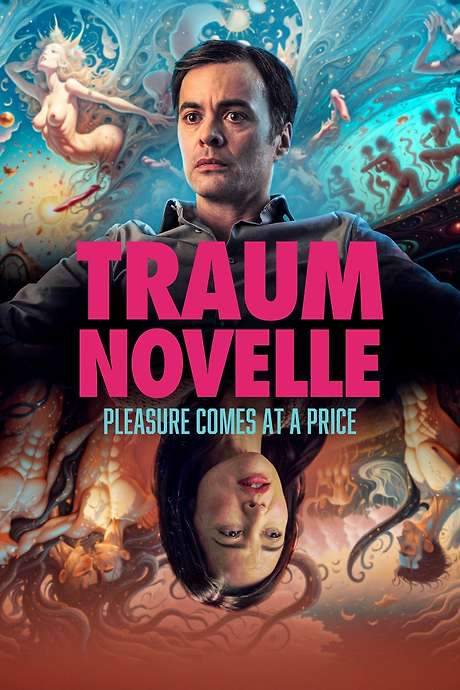
Similar Movies To When Nietzsche Wept You Should Know About
Browse a curated list of movies similar in genre, tone, characters, or story structure. Discover new titles like the one you're watching, perfect for fans of related plots, vibes, or cinematic styles.







Quick Links: Summary, Cast, Ratings, More

What's After the Movie?
Not sure whether to stay after the credits? Find out!




Explore Our Movie Platform
New Movie Releases (2026)
Famous Movie Actors
Top Film Production Studios
Movie Plot Summaries & Endings
Major Movie Awards & Winners
Best Concert Films & Music Documentaries
Movie Collections and Curated Lists
© 2026 What's After the Movie. All rights reserved.