War and Peace 1956



Adapted from Tolstoy’s epic, the film brings the novel to life with sweeping battle scenes and intimate romance. It follows the youthful Countess Natasha Rostova and the introspective Count Pierre Bezukhov as their love unfolds amid the 1812 conflict with Napoleon’s invading forces.


Does War and Peace have end credit scenes?
No!
War and Peace does not have end credit scenes. You can leave when the credits roll.
Where to Watch War and Peace
See current US streaming, rental, and purchase options for War and Peace (1956) via JustWatch.

Paramount Plus Essential
HD
Paramount Plus Premium
HD
Paramount+ Amazon Channel
HD
Paramount+ Roku Premium Channel
HD
Kanopy
HD
Amazon Video
HD
Apple TV Store
HD
Fandango At Home
HD
Google Play Movies
SD
YouTube
SD Streaming availability powered by 
Meet the Full Cast and Actors of War and Peace
Explore the complete cast of War and Peace, including both lead and supporting actors. Learn who plays each character, discover their past roles and achievements, and find out what makes this ensemble cast stand out in the world of film and television.
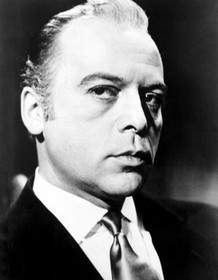
Herbert Lom
Napoleon
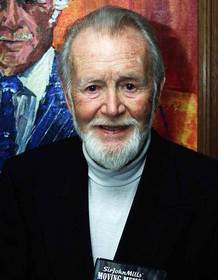
John Mills
Platon Karataev
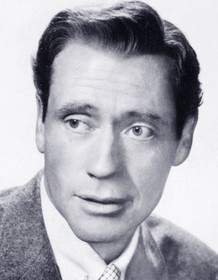
Mel Ferrer
Prince Andrei Bolkonsky
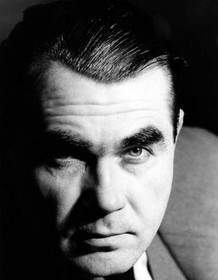
Oskar Homolka
Field Marshal Kutuzov
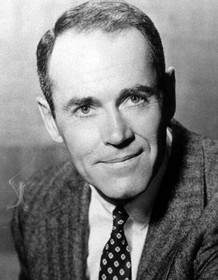
Henry Fonda
Pierre Bezukhov
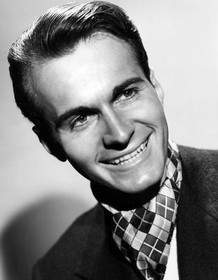
Helmut Dantine
Dolokhov

Audrey Hepburn
Natasha Rostova

Anita Ekberg
Helene Kuragina
Wilfrid Lawson
Prince Bolkonsky (as Wilfred Lawson)
Jeremy Brett
Nikolai Rostov
Barry Jones
Prince Mikhail Andreevich Rostov
Vittorio Gassman
Anatol Kuragin
Sean Barrett
Petya Rostov
Gertrude Flynn
Mariya Peronskaya
Anna Maria Ferrero
Maria Bolkonskaya
Lea Seidl
Countess Rostov
Milly Vitale
Lisa Bolkonskaya
May Britt
Sonia Rostova
Patrick Crean
Denisov
Tullio Carminati
Prince Vasili Kuragin
External Links and Streaming Options
Discover where to watch War and Peace online, including streaming platforms, rental options, and official sources. Compare reviews, ratings, and in-depth movie information across sites like IMDb, TMDb, Wikipedia or Rotten Tomatoes.







Take the Ultimate War and Peace Movie Quiz
Challenge your knowledge of War and Peace with this fun and interactive movie quiz. Test yourself on key plot points, iconic characters, hidden details, and memorable moments to see how well you really know the film.
War and Peace (1956) Quiz: Test your knowledge of the 1956 film adaptation of Leo Tolstoy's epic, covering characters, actors, plot events, and historical context.
Which actor portrays the idealistic Pierre Bezukhov?
Full Plot Summary and Ending Explained for War and Peace
Read the complete plot summary of War and Peace, including all major events, twists, and the full ending explained in detail. Explore key characters, themes, hidden meanings, and everything you need to understand the story from beginning to end.
In 1805, Europe is torn apart by Napoleon Bonaparte’s relentless drive to conquer more territory, reshaping lives and loyalties across nations. In Moscow, the war machine begins to touch ordinary lives as young men enlist, including Nikolai Rostov, a lively member of the Rostov household, and his ambitious sister Natasha. The Rostovs’ circle also includes Pierre Bezukhov, the illegitimate son of a dying nobleman, who has just returned from Paris wielding radical ideas about equality and liberty. Pierre’s presence stirs the household, and his discussions with soldiers and friends reveal a mind hungry for meaning in a world at war. Pierre, Henry Fonda, carries a cautious idealism that clashes with the brutal reality of the battlefield and the social intrigue around him, especially as he forms a wary bond with the rakish Dolokhov, Helmut Dantine, a man of charm and trouble.
Into this milieu steps Andrei Bolkonsky, a principled and introspective officer, Mel Ferrer, who struggles with expectations from his stern father and the pull of a more peaceful life. Andrei’s path intersects with Pierre’s in moments of shared danger and mutual disillusionment, yet their approaches diverge: Pierre seeks reform and reformers, while Andrei seeks purpose on the front lines. Andrei’s wife, Lise (often called Liza in the tale), arrives with a fragile hope for domestic life, a hope that will be tested by war and loss. Lise waves into the story with a quiet glow, and the unborn child she carries becomes a symbol of fragile future amid a collapsing present.
The narrative then widens to a web of relationships and scheming. Hélène Kuragina, a calculating social climber, is played by Anita Ekberg, and she casts a tempting spell on Pierre, pulling him toward a life of luxury and moral compromise. Around them, the weighty political forces move behind the scenes as her father, Prince Vasily Kuragin, complicates Pierre’s estates and lineage. The central triangle of Pierre, Hélène, and Dolokhov drives a dangerous mix of love, pride, and revenge, culminating in a duel that Pierre—awkward with firearms but steadfast in principle—almost wins, while Dolokhov exits the confrontation alive but chastened. The wound to Pierre’s pride is sharp, and the couple’s fragile bond fractures before the dawn of even greater upheaval.
Across the landscape, Andrei’s star ascends on the battlefield, but his path is haunted by pain and sacrifice. At the Battle of Austerlitz, Andrei seizes a banner to rally retreating troops, only to be wounded and left for dead. Napoleon himself, curious and admiring, passes by and arranges for Andrei’s care, an ironic moment that underscores the capriciousness of fate in war. Meanwhile, Pierre’s private life unravels as Moscow’s salons echo with gossip and betrayal, with Natashа becoming the center of attention as she navigates the perilous currents of romance and duty.
Back in the country, Natasha’s heart is drawn to Andrei, but social constraints and personal missteps pull them apart. Natasha attends a ball and experiences a whirlwind of feeling; for Andrei, the allure proves irresistible, and he longs for a future with her, even as Providence and propriety seem to push them apart. Natasha’s life becomes a compass pointing toward deeper tenderness and a fear of losing what she loves most, while Pierre—caught between his affection for Natasha and his loyalty to his own evolving conscience—struggles with his role in a society that prizes status and outward peace over inner truth.
A shadow falls when Anatol Kuragin, Hélène’s brother, enters Natasha’s orbit and swoops her into a dangerous, secret dalliance. Natasha’s reputation falters under the weight of scandal, and it is Sonya—Natasha’s steadfast cousin—who, along with Pierre, works to protect Natasha from ruin. The season in Moscow ends with Natasha’s illness, a painful pause that tests every bond around her and makes Pierre confront the limits of his own virtue. Pierre, who has felt a genuine love for Natasha, remains a witness to her fragility and the consequences of a society that prizes appearances over mercy.
The year 1812 brings the invasion of Russia, and Kutuzov, the seasoned commander, Oskar Homolka guides a strategic retreat meant to wear down the French invaders. The harsh decision to scorch the countryside to deprive the enemy of sustenance becomes a grim backdrop to a national resolve. Borodino, the brutal and defining encounter, draws Pierre into the heart of the conflict as he travels to the front and encounters Andrei’s camp on the eve of battle. Pierre’s plea for forgiveness and his attempt to reconcile Natasha with Andrei reveal his evolving moral compass, while Andrei’s inability to forget Natasha binds his fate to hers in a different way.
As the French retreat and the Russians reclaim their homeland, the Rostovs face the destruction of their city and the fragility of their wealth. Their mansion is reduced to a burned-out shell, with only a portion of it left standing, yet Natasha’s resolve and Pierre’s quiet endurance become a testament to resilience. Natasha’s compassion remains, and she learns that the house itself—like their lives—can be scarred and still endure. The romantic thread between Natasha and Pierre threads through the wreckage, culminating in a quiet, intimate moment as Natasha recognizes Pierre’s essential role in their shared history. The relationship between Natasha and Pierre is framed by shared losses and a sense of unfinished, enduring hope, as the two navigate a world where ideals and reality often collide.
Tragedy continues to unfold as the war’s toll deepens. Petya Rostov, Sean Barrett, joins the army and meets a brutal fate on the battlefield, a devastating moment that casts a long shadow over Pierre, Dolokhov, and the wider Rostov clan. Dolokhov returns to the ranks, having survived the conflict but carrying the weight of what he has become, while Hélène’s story reaches its end as the consequences of her schemes catch up with her. The toll of war is not only measured in battles but in the quiet losses—the deaths that leave families forever altered and the generation that must shoulder the memory of those who fell.
When the dust begins to settle, the Rostov family returns to Moscow to find their world rearranged. The city’s ruins are a stark reminder of what has been lost, but Natasha’s courage and Pierre’s steadfast presence provide a thread of continuity through the ruin. Natasha, who has weathered scandal, illness, and heartbreak, finally embraces Pierre in a moment of quiet, dawning recognition that their lives—though marked by pain—are bound to one another and to the enduring home they have together. The final image is intimate and hopeful: Natasha and Pierre meet in the garden, the house damaged but standing, a symbol of resilience, and the love that remains at the core of their shared life.
In this sweeping portrait, the characters’ lives intertwine against a backdrop of imperial ambition and national upheaval. From the salons of Moscow to the marching columns on distant fronts, from the tender crises of love to the brutal realities of war, the story captures how people seek meaning, loyalty, and humanity in a world where power and fate often govern the terms of existence. And as the final moments unfold, the bond between Natasha and Pierre lingers—an acknowledgment that, even after everything has been broken, some ties endure and give a sense of home to those who remain.

Coming soon on iOS and Android
The Plot Explained Mobile App
From blockbusters to hidden gems — dive into movie stories anytime, anywhere. Save your favorites, discover plots faster, and never miss a twist again.
Sign up to be the first to know when we launch. Your email stays private — always.
Explore the mobile appWatch Trailers, Clips & Behind-the-Scenes for War and Peace
Watch official trailers, exclusive clips, cast interviews, and behind-the-scenes footage from War and Peace. Dive deeper into the making of the film, its standout moments, and key production insights.
War and Peace Themes and Keywords
Discover the central themes, ideas, and keywords that define the movie’s story, tone, and message. Analyze the film’s deeper meanings, genre influences, and recurring concepts.

Unlock the World of Movies with Our Comprehensive Wiki
Dive into our Movie Wiki for in-depth film encyclopedia entries, including cast biographies, production trivia, plot synopses, behind-the-scenes facts, and thematic analyses. Whether you’re researching iconic directors, exploring genre histories, or discovering hidden easter eggs, our expertly curated movie database has everything you need to fuel your cinematic passion.

Similar Movies To War and Peace You Should Know About
Browse a curated list of movies similar in genre, tone, characters, or story structure. Discover new titles like the one you're watching, perfect for fans of related plots, vibes, or cinematic styles.




Quick Links: Summary, Cast, Ratings, More

What's After the Movie?
Not sure whether to stay after the credits? Find out!
Check out our other apps:

SAT Sphere
Build confidence for the Digital SAT.

Mori Atlas
Discover wild places worth protecting.

Luntero
Search smarter for a home in Amsterdam.

Plot Explained
Unravel movie endings and hidden clues.

Pokechamp
Dive into Pokémon data and battle logic.

Driving Theory
Get ready for your European theory test.

Movie Dust
Plan your next cinema trip with ease.

Musemap
Find art and culture as you travel.

Selkobase
Compare credentials before committing.

Local Manual
Turn an unfamiliar country into practical next steps.

Lernavi
Compare school systems before your next move.

GymRoam
Find a workout stop wherever your plans take you.
Explore Our Movie Platform
New Movie Releases (2026)
Famous Movie Actors
Top Film Production Studios
Movie Plot Summaries & Endings
Major Movie Awards & Winners
Best Concert Films & Music Documentaries
Movie Collections and Curated Lists
© 2026 What's After the Movie. All rights reserved.
Privacy Policy