
Visioneers (2008): Cast, Plot & Where to Watch
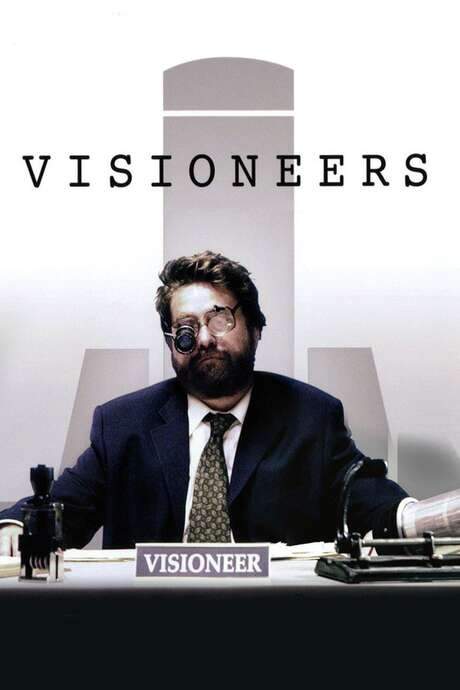
Visioneers is a 2008 comedy drama directed by Jared Drake, starring Zach Galifianakis as George, D.W. Moffett and Chris Coppola. It runs 1 hour 30 minutes. Stream it on Midnight Pulp and Tubi TV, or rent or buy it on Amazon Video and Fandango At Home.
- Released
- Runtime
- 1h 30m (90 min)
- Director
- Jared Drake
- Original language
-
 English
 - Studio
- Fireside Film
- After the credits
- No No extra scene
What Is Visioneers About?
The premise of Visioneers without spoilers. The whole story is in the plot summary further down.
Ever feel like you’re about to explode? In this slightly futuristic black comedy, Visioneer George Washington Winsterhammerman lives a comfortable but monotonous life. When explosions begin sweeping society and George shows early signs, he is forced to reexamine his job, marriage, aversion to life coaching, and happiness through activity.
Visioneers Themes & Keywords
· 12 tags- exploding body
- satirical
- satire comedy
- happiness
- corporation
- satire
- one word title
- office work
- office worker
- husband wife relationship
- golf
- brother brother relationship
Where to Watch Visioneers
Stream it on Midnight Pulp and Tubi TV, or rent or buy it from Amazon Video and Fandango At Home. US availability and prices from JustWatch.
Stream 2
 Midnight Pulp
  Tubi TV
 Rent or buy 2


Streaming availability in the US, powered by 
Visioneers Cast & Characters
Zach Galifianakis leads the cast as George, with D.W. Moffett as Jeffers and Chris Coppola as Todd. Directed by Jared Drake; 28 actors are credited in all.
- Director Jared Drake
-
 Zach Galifianakis as George
 -
 D.W. Moffett as Jeffers
 - Chris Coppola as Todd
-
 Mía Maestro as Charisma
Also Starring in Visioneers
· 24 more- Judy Greer Michelle
- Missi Pyle Sahra
- Aubrey Morris Old Man Jeffers
- Fay Masterson Cindy
- James Le Gros Julieen
- Matthew Glave Rodger
- Lowell Deo TV Reporter
- Nancy De Mayo Maddie
- John Paulsen Steve
- Andrew Tribolini NAC Man
- Toan Le Fellow Tunt
- Matt Thomas Joseph The Painter
- Pat Cashman Bern Goodman
- Anthony L. Fuller Jr. Missionary #2
- Ryan McCann Mack Luster
- John Keister Dr. Knob
Show all 28 cast members Show fewer cast members
- Tanya Memme Field Reporter - Bern's Death
- Joe Rosati Jeffers Agent #1
- Dale Bowers TV Couple Man
- Mycol Comolli Jeffers Agent #2
- Juba T. Drake Howard
- Damon LeGarde Preacher Moon
- John LoPresti US President
- Angela Adto
Visioneers Plot Summary
What happens in Visioneers from start to finish, spoilers included, with a timeline of 14 key events. The opening is below; the full summary is a 4-minute read.
Spoilers ahead
In a dystopian near-future, the Jeffers Corporation dominates society with a philosophy that “productivity equals happiness,” turning a vast business empire into the heartbeat of daily life. The company, touted as the largest, friendliest and most profitable enterprise in human history, enforces a culture that erodes independent thought and intimate connections. Its triumphal branding—a crude middle-finger logo—becomes a universal greeting, a blunt symbol of conformity and efficiency that suffocates personal expression.
Full summary
The whole story of Visioneers, scene by scene
How Well Do You Know Visioneers?
10 questions about the story, each with a hint if you get stuck. Pick an answer to see whether you were right.
Question 1 of 10
- Question 1: not answered
- Question 2: not answered
- Question 3: not answered
- Question 4: not answered
- Question 5: not answered
- Question 6: not answered
- Question 7: not answered
- Question 8: not answered
- Question 9: not answered
- Question 10: not answered
What is the name of the corporation that dominates society in Visioneers?
Cars in Visioneers
5 cars on screen, including the 1991 Plymouth Grand Voyager and the 2003 Chevrolet Express.
-
 1991 Plymouth Grand Voyager Main role
 -
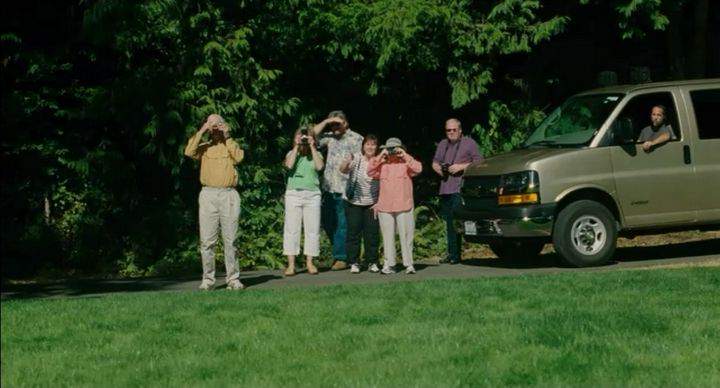 2003 Chevrolet Express Minor role
 -
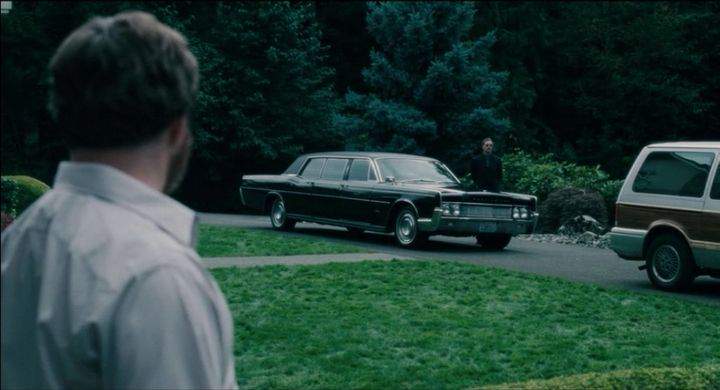 1967 Lincoln Continental Executive Limousine Minor role
 -
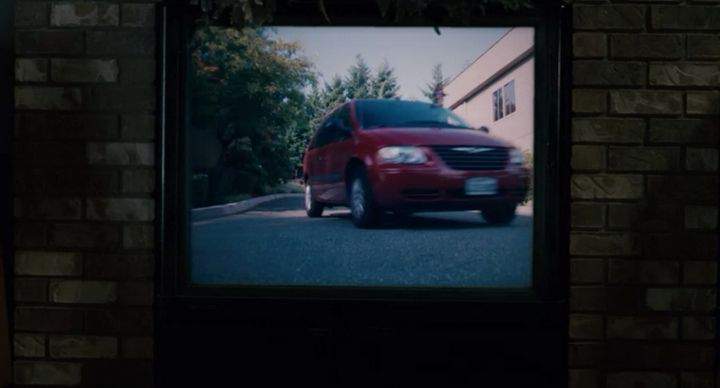 2005 Chrysler Town & Country Minor role
Visioneers Also Known As
8 alternative titles, including “Very Big Stress” and “Visionarios”.
- Also known as
-
- Very Big Stress
- Visionarios
- Visioneers - Wer wird denn gleich in die Luft gehen
- Визионеры
- Візіонери
- 愿景与幻想
- คนเครียดระเบิด
- 願景與幻想
Seen Visioneers?
Movies Like Visioneers
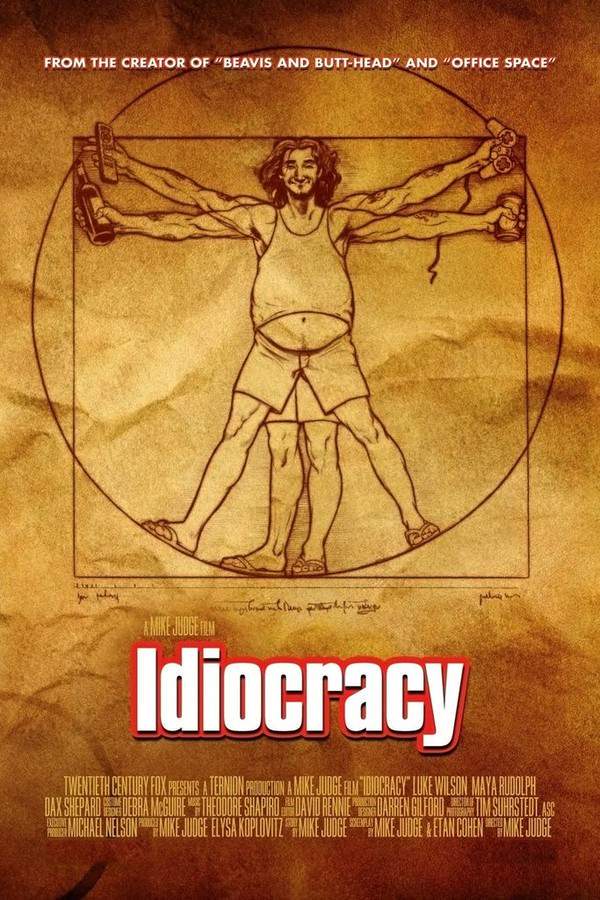
Films with a similar story, tone or audience, including Nothing, Sightseers and Idiocracy.






Visioneers FAQ: Where to Watch, Cast & Runtime
Runtime, release date, director, cast, where to watch and post-credit scenes of Visioneers, each answered in a sentence.
How long is Visioneers?
Visioneers runs 1 hour 30 minutes (90 minutes).
When was Visioneers released?
Visioneers was released on June 12, 2008.
Who directed Visioneers?
Visioneers was directed by Jared Drake.
More films by Jared Drake Who is in the cast of Visioneers?
Visioneers stars Zach Galifianakis as George, D.W. Moffett as Jeffers and Chris Coppola as Todd, among 28 credited actors.
Where can I watch Visioneers?
In the US, Visioneers is streaming on Midnight Pulp and Tubi TV and available to rent or buy on Amazon Video and Fandango At Home (availability from JustWatch).
Does Visioneers have a post-credit scene?
No. Visioneers has no extra scene during or after the credits.
Coming soon to your phone
The Plot Explained Movie Summary App
From blockbusters to hidden gems: plot summaries, endings explained and timelines on your phone. Save your favorites and never miss a twist again.
Be the first to know when it launches. Your email stays private, always. Learn more about the app
