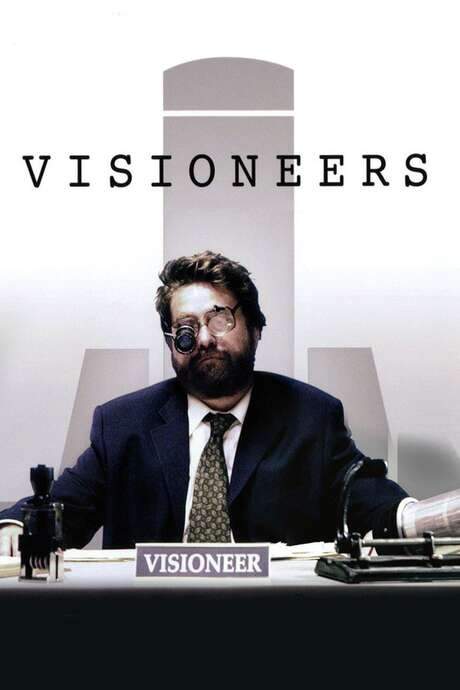
Visioneers 2008

Directed by

Jared Drake
Made by

Fireside Film
Where to Watch Visioneers
See current US streaming, rental, and purchase options for Visioneers (2008) via JustWatch.

Midnight Pulp
HD
Tubi TV
SD
Amazon Video
HD
Fandango At Home
HD Streaming availability powered by 
Visioneers Plot Summary
Read the complete plot summary and ending explained for Visioneers (2008). From turning points to emotional moments, uncover what really happened and why it matters.
In a dystopian near-future, the Jeffers Corporation dominates society with a philosophy that “productivity equals happiness,” turning a vast business empire into the heartbeat of daily life. The company, touted as the largest, friendliest and most profitable enterprise in human history, enforces a culture that erodes independent thought and intimate connections. Its triumphal branding—a crude middle-finger logo—becomes a universal greeting, a blunt symbol of conformity and efficiency that suffocates personal expression.
George Washington Winsterhammerman is a Level-3 “tunt” at the Jeffers Corporation, a descendant of the nation’s first president who finds himself squeezed by the system he helps sustain. He struggles with overeating and impotence, symptoms of a society engineered to suppress emotion and spontaneity. The atmosphere around him is tense and claustrophobic, a place where routine is worshipped and human longing is routinely disciplined. George begins to experience troubling dreams in which he occupies the role of the first president again, confronting the possibility of losing the American Revolution and even contemplating surrender to the British. In a world where even dreams are treated as dangerous signals of stress, the authorities warn that such visions can lead to spontaneous bodily explosions, a catastrophe the regime seems eager to prevent at all costs.
As the government tightens its grip, the state collaborates with the Jeffers Corporation to push a growing program of social control. Neck-worn “inhibitors” become a common tool to suppress impulses and prevent explosions, and the public accepts these devices as a necessary safeguard. Yet the devices do not exactly heal the inner life; they merely dampen it. People like George’s coworker, Todd, continue to detonate—physically or metaphorically—despite the outward appearance of safety. The fear of losing control becomes a shadow that haunts every workplace, street corner, and dinner table.
When Charisma, a capable colleague who once shared George’s sense of purpose, is fired, a new thread of connection unfolds. Charisma reappears in a café where she has found a different kind of life, and she reveals that she, too, has recurring dreams. In these visions, she and George are together again, hinting at a shared longing that resists the numbness of the regime. The two reconnect in fragments, testing whether affection and memory can survive the culture’s relentless push toward sameness. The emotional pull between them becomes a quiet act of defiance against a system that prizes efficiency over intimacy.
Meanwhile, George’s personal world continues to fray. His wife and son depart, leaving him to navigate a landscape that rewards obedience while eroding the bonds of family. The arrival of Mr. Jeffers—an emblem of corporate authority who sees George as a potential ally in a looming revolt—changes the stakes. The leader’s interest centers on a simple yet telling gesture from George: a sunset he drew that hints at a future beyond the constraints of the Jeffers way of life. This moment is interpreted as a sign of unforeseen potential, a spark that might align George with those who refuse to surrender their inner lives.
Under pressure to purge himself of dreams and the accompanying anger, George is urged to “kill the thing he loves” as a misguided path to peace. He returns to Charisma, who has already been profoundly influenced by the inhibitors and now works in a café alongside others who have likewise fallen under the program. Hoping to erase his longing, George hatches a plan to take Charisma on a yacht with the intent of ending the problem by severing the bond that binds them. Yet the moment of truth arrives when he tries to dismantle the inhibitor that keeps her from remembering him. Initially, Charisma cannot recall their connection, but a remembered memory finally surfaces, and she begins to cry. They share a vulnerable embrace, recognizing that their bond has endured despite the forces arrayed against it.
The night that follows is intimate and defiant, a small shield against a society bent on erasing humanity’s deepest yearnings. As they settle into the fragile warmth of their renewed connection, George experiences a vision of a broader past—the image of George Washington crossing a river in a canoe. He salutes the horizon and, in that moment, allows himself to bask in the sun, a symbolic gesture of hope amid the encroaching control.
Throughout this arc, the film sketches a world where corporate power and governmental oversight seek to regulate every aspect of life, from the body to the psyche. It presents a patient, observant meditation on dreams, happiness, and the peril of a society that equates productivity with human worth. The characters—along with the distinct communities they inhabit, from the coffeehouse to the yacht, from the office to the open water—offer a portrait of resilience in small but meaningful acts of connection. The ending invites contemplation rather than closure, leaving open the possibility that intimacy and memory may endure even when systems attempt to erase them.
Visioneers Timeline
Follow the complete movie timeline of Visioneers (2008) with every major event in chronological order. Great for understanding complex plots and story progression.
Corporate dystopia under Jeffers
In a near-future dystopia, the Jeffers Corporation looms as the dominant force in everyday life. Its creed claims that productivity equals happiness, and society worships relentless efficiency. The company even uses a middle-finger logo as the standard greeting, symbolizing the suppression of independent thought and intimacy.
George's role and condition
George Washington Winsterhammerman is a Level-3 'tunt' employee at Jeffers, a symbol of the system's quiet hierarchy. He suffers from overeating and impotence as a consequence of alienation within this culture. His body and mind reflect the cost of living under a machine-driven happiness.
George's dreams begin
George begins experiencing dreams in which he is the first President of the United States, wrestling with the fear of losing the Revolutionary War. He contemplates surrender to the British and wrestles with concepts of freedom and betrayal. These dreams feel like dangerous echoes of a past life that the society tries to erase.
Dreams mistaken as stress and explosive danger
Authorities tell him that dreams are a symptom of stress that leads to spontaneous bodily explosions, a problem that is spreading around the world. The state and Jeffers reinforce the official narrative, labeling inner visions as threats to public safety. The tension between dreaming and compliance grows.
Inhibitors introduced to control explosions
Government efforts to curb explosions intensify, culminating in neck-worn inhibitors created by the Jeffers Corporation. Even as the devices spread, people like George's coworker Todd continue to explode, illustrating the system's failure to root out the danger. The inhibitors become a symbol of control over personal inner life.
Charisma fired; George reconnects with the café Charisma
After Charisma, George's friend and superior, is fired, George discovers she now works at a café. He seeks her out there in an attempt to avoid unhappiness and reconnect with something human. The café setting becomes a small oasis amidst the corporate tyranny.
Charisma reveals she shares dreams
Charisma confides that she too has dreams and that they involve George and them running away together. The dreams hint at a shared longing for intimacy that the inhibitors cannot extinguish. Their conversation plants a fragile hope that love might still exist.
Family fractures
After his wife and son leave due to their own unhappiness, George feels the weight of personal loss. The breakdown of his family mirrors the larger breakdown of authentic connection in society. The personal becomes a political crisis in this dystopia.
Mr. Jeffers probes George and signals purge
Mr. Jeffers visits George, asking why he drew a sunset and expressing belief that George could be a nearly perfect Jeffers drone. He is impressed by George's potential and signals readiness to purge his dreams to end his anger and desire. He hints that removing what George loves most would silence the inner rebellion.
George reunites with Charisma; she is brainwashed
George returns to Charisma and finds her brainwashed by the inhibitor program. The bond they once shared has been submerged beneath a wave of corporate control. The reunion exposes how deeply the inhibitors reshape personal relationships.
A yacht mission to kill Charisma
To carry out the purge, George takes Charisma on a yacht with the intent of killing her, attempting to eradicate the source of his longing. The voyage becomes a twisted test of his will against the system's demands. The yacht scene marks a climactic turn in his struggle between love and obedience.
Attempt to rekindle intimacy by removing the inhibitor
During the voyage, George makes a final attempt to rekindle the intimacy they shared by removing Charisma's inhibitor. He hopes that freeing her will also free his own feelings. The act blurs the line between murder and mercy in a world that values control over emotion.
Charisma's memory returns
Charisma initially cannot remember George, but gradually recalls him and breaks into tears. The inhibitors' manufactured obedience collapses as genuine memory resurfaces. Their emotional release reveals a stubborn spark of humanity beneath the corporate sheen.
Final embrace and vision of hope
They embrace and spend the night together, a small victory for personal connection. In a final dreamlike moment, George imagines George Washington crossing in a canoe, salutes him, and basks in the sun. The scene leaves open whether true freedom can ever emerge from a society built on productivity.
Visioneers Characters
Explore all characters from Visioneers (2008). Get detailed profiles with their roles, arcs, and key relationships explained.
George Washington Winsterhammerman (George) - Zach Galifianakis
A Level-3 tunt employee overwhelmed by societal alienation, George struggles with overeating and impotence as the system drains personal fulfillment. He experiences vivid dreams that challenge his place in a world where pleasure and intimacy are discouraged. His arc centers on reclaiming humanity by reconnecting with Charisma and resisting the corporate blueprint.
Charisma - Mía Maestro
George's coworker who also dreams of a different life. She is drawn to George's vision of intimacy but gets pulled back by the corporation's brainwashing. Charisma's struggle highlights the tension between personal longing and system-imposed conformity.
Mr. Jeffers - Jeffers Corporation Leader
The mastermind behind the company's philosophy that productivity equals happiness. He views George as a potential ally against an anticipated revolt and pressures him to purge his dreams. His manipulation reveals the veneer of benevolence behind a ruthless corporate agenda.
Todd - coworker
George's coworker who remains devout to the Jeffers doctrine. Todd's presence and his explosive fate under inhibitor pressure illustrate the cost of conformity and the fragility of human life within the system.
Visioneers Settings
Learn where and when Visioneers (2008) takes place. Explore the film’s settings, era, and how they shape the narrative.
Time period
Near-future
The story unfolds in a near-future where a single corporation dictates daily life and emotions. Technology such as neck-worn inhibitors enforces a culture of mindless productivity, while dreams and personal longing persist as subtle acts of resistance. The time period emphasizes how quickly technocratic control can blur the line between work and life.
Location
Jeffers Corporation Headquarters, yacht, café
The setting centers on the Jeffers Corporation's glossy headquarters, a symbol of hyper-efficient capitalism. The world expands to social spaces like cafés and a luxury yacht, showing how private life is subsumed by corporate life. This environment reflects a society where individuality and intimacy are discouraged in favor of productivity.
Visioneers Themes
Discover the main themes in Visioneers (2008). Analyze the deeper meanings, emotional layers, and social commentary behind the film.
🧠
Conformity
In Visioneers, happiness is equated with productivity, and independent thought is discouraged by design. The Jeffers regime pushes uniform behavior, turning personal relationships into assets to manage. The film probes how conformity erodes identity and authentic connection.
💭
Dreams
George's recurring dreams of being the President reveal a longing for personal agency and a freer past. Dreams stand as a quiet rebellion against a system that seeks to erase inner life. They illuminate the tension between private yearnings and public obedience.
💼
Control
Mr. Jeffers embodies the cold logic of corporate power that treats people as assets. Inhibitors and the push for mindless productivity illustrate the dangers of unaccountable leadership. The film examines how control of thoughts and emotions can destabilize both society and intimate relationships.

Coming soon on iOS and Android
The Plot Explained Mobile App
From blockbusters to hidden gems — dive into movie stories anytime, anywhere. Save your favorites, discover plots faster, and never miss a twist again.
Sign up to be the first to know when we launch. Your email stays private — always.
Explore the mobile appVisioneers Spoiler-Free Summary
Discover the spoiler-free summary of Visioneers (2008). Get a concise overview without any spoilers.
In a near‑future where the Jeffers Corporation has turned the mantra “productivity equals happiness” into a national creed, every street is plastered with a crude middle‑finger logo that serves as both greeting and reminder of conformity. The regime’s grip extends into the very physiology of its citizens, with neck‑worn “inhibitors” quietly dampening impulsive thoughts and emotions. The world feels simultaneously sterile and absurd, a bleak playground for a black comedy that watches the struggle for spontaneity unfold against a backdrop of glossy efficiency and whispered dread.
George Washington Winsterhammerman is a Level‑3 “tunt” at Jeffers, a descendant of the nation’s founding father forced to navigate a life that feels as meticulously engineered as the corporate logo that surrounds him. Stuck in a comfortable yet monotonous routine, he wrestles with overeating, a loss of virility, and unsettling dreams that pull him back to an imagined past where he once led a revolution. These nocturnal visions, treated as dangerous stress signals, place him under a silent, ever‑watchful scrutiny that threatens to erupt at any moment.
Across the sterile office floor, Charisma—a once‑like‑minded colleague—offers a glimpse of what might exist beyond the imposed sameness. Their shared longing for connection flickers in brief encounters, hinting at an undercurrent of intimacy that the corporate culture seeks to smother. As George’s marriage and family life begin to fray under the weight of societal expectations, his interactions with Charisma become an unspoken act of rebellion, a small but potent reminder that desire and memory still linger beneath the polished surface.
The film balances its dystopian satire with a dry, almost lyrical humor, inviting viewers to question how much of ourselves we are willing to surrender for the promise of safety and efficiency. It sets the stage for a quiet, personal revolt—one sparked not by grand gestures but by the simple, stubborn hope that genuine feeling can survive even the most pervasive systems of control.
Movies with Similar Twists and Themes
Uncover films that echo the narrative beats, emotional arcs, or dramatic twists of the one you're exploring. These recommendations are handpicked based on story depth, thematic resonance, and spoiler-worthy moments — perfect for fans who crave more of the same intrigue.


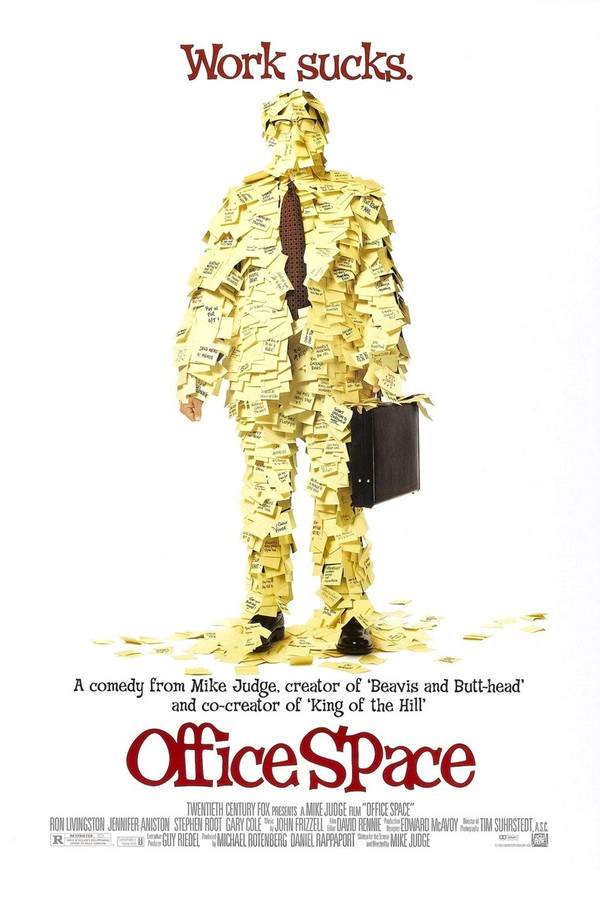
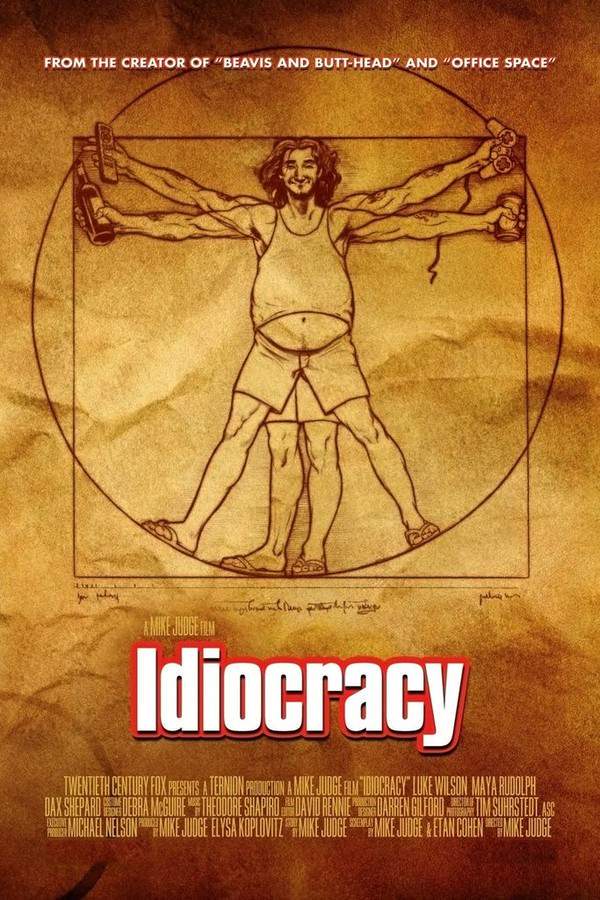





Featured on this page

What's After the Movie?
Not sure whether to stay after the credits? Find out!
Check out our other apps:

SAT Sphere
Build confidence for the Digital SAT.

Mori Atlas
Discover wild places worth protecting.

Luntero
Search smarter for a home in Amsterdam.

Plot Explained
Unravel movie endings and hidden clues.

Pokechamp
Dive into Pokémon data and battle logic.

Driving Theory
Get ready for your European theory test.

Movie Dust
Plan your next cinema trip with ease.

Musemap
Find art and culture as you travel.

Selkobase
Compare credentials before committing.

Local Manual
Turn an unfamiliar country into practical next steps.

Lernavi
Compare school systems before your next move.

GymRoam
Find a workout stop wherever your plans take you.
Explore Our Movie Platform
New Movie Releases (2026)
Famous Movie Actors
Top Film Production Studios
Movie Plot Summaries & Endings
Major Movie Awards & Winners
Best Concert Films & Music Documentaries
Movie Collections and Curated Lists
© 2026 What's After the Movie. All rights reserved.
Privacy Policy