Virumaandi 2004

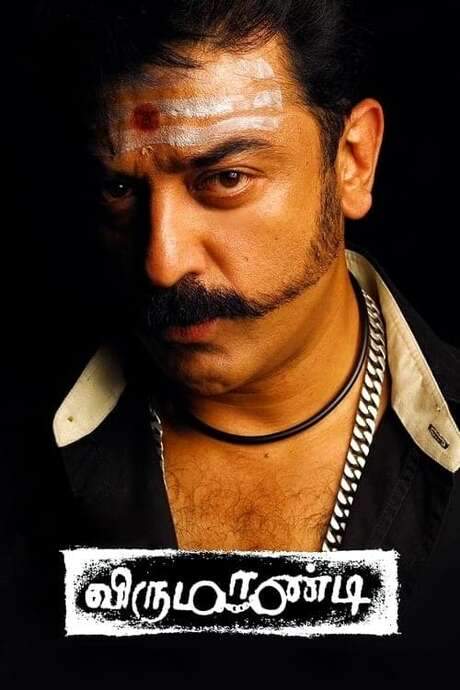
Angela, a civil rights advocate, films a documentary on the death penalty inside Madras Central Prison. She interviews two inmates—Virumaandi, sentenced to death, and Kothaala, serving life—for their role in a clash that killed 24 villagers. As prison tensions rise, each tells a starkly different version, exposing the complexities of justice and humanity.

Does Virumaandi have end credit scenes?
No!
Virumaandi does not have end credit scenes. You can leave when the credits roll.
Meet the Full Cast and Actors of Virumaandi
Explore the complete cast of Virumaandi, including both lead and supporting actors. Learn who plays each character, discover their past roles and achievements, and find out what makes this ensemble cast stand out in the world of film and television.

Kamal Haasan
Virumaandi Thevar
Pasupathy
Kothaala Thevar
Abhirami
Annalakshmi
Nassar
Chief Jailer Jayanth
G. Gnanasambandam
Jallikattu commentator
Rajesh
Chennai Police Commissioner
Sujatha Sivakumar
Pechi Thevar
Rohini
Dr. Angela Kaathamuthu
Shanmugarajan
Deputy Jailer Paykkaman Thevar
Kadhal Sukumar
Virumandi's Friend
Bala Singh
Rasu Kalai Thevar
Thennavan
Kondarasu Nayakkar
Periya Karuppu Thevar
Temple Priest
Napoleon
Nallama Nayakkar
O. A. K. Sundar
Kottaisamy Thevar
Bagla
Oomayan
Boxer Dheena
Jail Warden
Pyramid Natarajan
Advocate Vaidyanathan Iyer
Karate Raja
Virumandi's Friend
Kottachi
Virumandi's Friend
S. N. Lakshmi
Supputhai
Ganthimathi
Dhiwakar
Pedarasu Nayakkar
V. R. Krishna Iyerr
Himself
Vikram Dharma
Gopal (Jail Warden)
External Links and Streaming Options
Discover where to watch Virumaandi online, including streaming platforms, rental options, and official sources. Compare reviews, ratings, and in-depth movie information across sites like IMDb, TMDb, Wikipedia or Rotten Tomatoes.





Take the Ultimate Virumaandi Movie Quiz
Challenge your knowledge of Virumaandi with this fun and interactive movie quiz. Test yourself on key plot points, iconic characters, hidden details, and memorable moments to see how well you really know the film.
Virumaandi Quiz: Test your knowledge of the 2004 Tamil film *Virumaandi* with these ten multiple‑choice questions ranging from easy to hard.
Who is the civil‑rights activist who records interviews inside Madras Central Prison?
Full Plot Summary and Ending Explained for Virumaandi
Read the complete plot summary of Virumaandi, including all major events, twists, and the full ending explained in detail. Explore key characters, themes, hidden meanings, and everything you need to understand the story from beginning to end.
Angela Kathamuthu, a civil rights activist, travels into Madras Central Prison with her cameraman to interview prisoners who are serving life terms or facing the death sentence as part of her PhD study on law and the death penalty. On her first day inside, she records the prisoners’ thoughts and feelings about justice, mercy, and the harsh realities of imprisonment, painting a careful picture of their perspectives and the human stories behind each case. The conversations are intimate, sometimes hopeful, sometimes bleak, and they plant the seed for a larger question about whether punishment truly achieves its stated aims.
Before she leaves, a death-row convict named Narayanan covertly reveals to her a troubling rumor: the prison is entangled in immoral practices, including Drug trafficking, led by Chief Jailer Jayanth and his network. This shocking tip plants the seed for a broader investigation that will collide with Angela’s academic pursuit and blur the line between truth-telling and danger within the system she is studying.
On her second day inside, a sit-in protest erupts among inmates and staff, protesting the sudden death of Narayanan by cardiac arrest and demanding accountability. During the turmoil, Angela meets Kothaala Thevar, a formidable figure serving a double life sentence for his alleged role in the murder of twenty-four people in Theni district. He offers his own version of the events that shaped his conviction, inviting Angela to reconsider the spin of the story through the lens of those who have lived it from the inside.
According to Kothaala Thevar, the trouble at the heart of the conflict traces back to Virumaandi Thevar, a volatile yet charismatic farmer with a deep love for the land and a knack for getting into trouble. Virumaandi’s early life is marked by upheaval: he loses his mother at a young age, is sent away to Chennai and then Singapore by his father, and returns to his village in Chinna Kolarupatti after his father’s death. He re-enters life there as a farmer who becomes entangled with Virumaandi’s land and water rights, circling the tension around a fertile plot coveted by Nayakkar and others who see opportunity in its bounty.
Virumaandi Thevar forms a bond with his distant relative Kothaala Thevar while attempting to protect and preserve the land that is tied to the community’s livelihood. Annalakshmi, the woman who will capture his heart, falls in love with him as they share moments of humor, courage, and resilience. When a funeral for Virumaandi’s grandmother becomes a flashpoint, a bid for his land is offered by the local authorities, and Virumaandi refuses, choosing dignity and independence over a quick payoff.
A violent turn follows: an assassination attempt on Virumaandi during a festival tests his resolve. Annalakshmi steps in, helping to shelter and protect him, and a romance deepens between them. Yet the truth becomes murky as Virumaandi discovers that the murder attempt might be tied to the very power struggles that Kothaala Thevar has orchestrated. In the wake of violent confrontations, Virumaandi is compelled to testify in a village dispute to prevent a bloodbath, a decision that later haunts him as he bears responsibility for the violence that ensues.
A fierce confrontation in Nayakkar’s village leads to a massacre of twenty-six people, with Virumaandi attempting to shield innocents and paying a heavy price for his honesty. For this, he is condemned to a sequence of punishments: a multi-year sentence that escalates to a death sentence after his testimony against the gang. As the courtroom processes unfold, Virumaandi’s life becomes a tangle of truth, manipulation, and the weight of what counts as justice in a system designed to deliver verdicts under pressure.
Within the claustrophobic walls of the prison, Angela presses for the truth behind the charges, seeking to understand the layers of evidence that have shaped Virumaandi’s fate. Her own motive deepens as she shares the personal pain of watching her father be harmed by cruel circumstances and the way the law can fail to shield the vulnerable. Her perspective sharpens the conversation about death, forgiveness, and the possibility of mercy.
As Virumaandi’s story unfolds, we glimpse the core of his character: a man who sometimes acts on impulse but who also embodies a fierce sense of responsibility, honor, and love. He forms a fragile, transformative bond with Annalakshmi, who teaches him about apology and forgiveness, and who helps him see that true justice may require more than punishment. The couple’s relationship threads through the escalating conflicts—land struggles, family loyalties, village politics, and the relentless pressure of survival.
The tale spirals to a dramatic crescendo as Angela gathers evidence to challenge the death sentence and the broader system of punishment. A revolt among jail staff erupts, and Jayanth is wounded, while Virumaandi helps protect Angela and preserve crucial evidence against the drug-running network. In a tense confrontation, Virumaandi faces Kothaala in a volatile clash where loyalties are tested and the line between vengeance and justice grows razor-thin. Kothaala’s grip on power appears to falter as his own henchmen suffer the consequences of Virumaandi’s restraint, and the truth about who killed whom begins to surface in the heat of the melee.
In the courtroom, the evidence points in multiple directions as Virumaandi’s guilt is reassessed. He is convicted of the rapes, the larger murder plot, and the seismic events that led to twenty-six deaths, while also becoming a key witness against Kothaala’s gang. The circuit of justice, vengeance, and the possibility of clemency becomes the central question for everyone involved: can a harsh sentence be tempered by mercy, and does restoring a sense of humanity within the system ever truly mend the harm that has been done?
As the drama accelerates toward its conclusion, Angela’s relentless pursuit of truth yields a pivotal revelation: a documentary-like record of conversations and covert footage that implicates several jail wardens in the drug trade. With Jayanth’s future uncertain, the film questions the extent to which justice is served when corruption, fear, and power co-mingle in the shadows of a high-stakes legal system. Virumaandi, meanwhile, finds himself at a crossroads, torn between the possibility of a final, public reckoning and the quieter, more difficult path of mercy and restraint.
In the end, Angela files for clemency before the President, arguing that the six-year sentence already reflects enough punishment and that Virumaandi should be allowed to live freely, if only to seek a form of repair or retribution that aligns with a broader sense of justice. On television, Virumaandi himself pleads for a rapid resolution—whether that means death by hanging or living out a quieter life as a man consumed by the consequences of his choices. The story closes on a somber, morally complex note, inviting viewers to ponder whether the law can ever fully capture the nuance of human life, and whether true justice might lie somewhere beyond the letter of the statute.

Coming soon on iOS and Android
The Plot Explained Mobile App
From blockbusters to hidden gems — dive into movie stories anytime, anywhere. Save your favorites, discover plots faster, and never miss a twist again.
Sign up to be the first to know when we launch. Your email stays private — always.
Explore the mobile appWatch Trailers, Clips & Behind-the-Scenes for Virumaandi
Watch official trailers, exclusive clips, cast interviews, and behind-the-scenes footage from Virumaandi. Dive deeper into the making of the film, its standout moments, and key production insights.
Virumaandi Themes and Keywords
Discover the central themes, ideas, and keywords that define the movie’s story, tone, and message. Analyze the film’s deeper meanings, genre influences, and recurring concepts.
Virumaandi Other Names and Titles
Explore the various alternative titles, translations, and other names used for Virumaandi across different regions and languages. Understand how the film is marketed and recognized worldwide.
Similar Movies To Virumaandi You Should Know About
Browse a curated list of movies similar in genre, tone, characters, or story structure. Discover new titles like the one you're watching, perfect for fans of related plots, vibes, or cinematic styles.



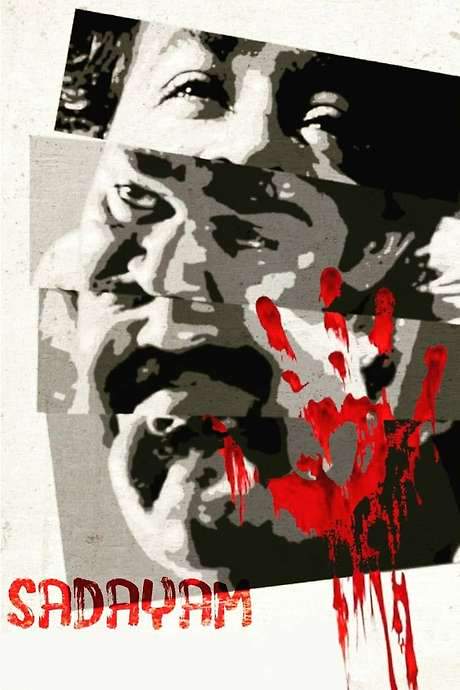

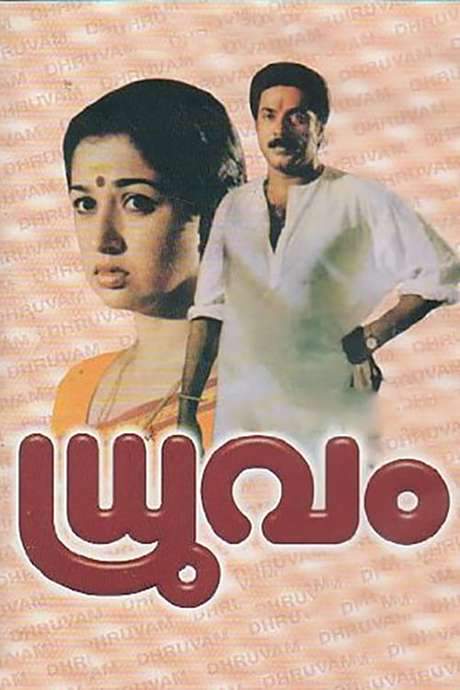


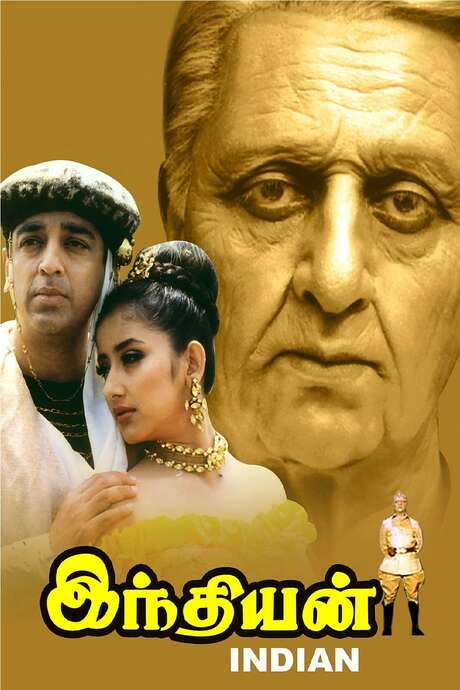
Quick Links: Summary, Cast, Ratings, More

What's After the Movie?
Not sure whether to stay after the credits? Find out!
Check out our other apps:

SAT Sphere
Build confidence for the Digital SAT.

Mori Atlas
Discover wild places worth protecting.

Luntero
Search smarter for a home in Amsterdam.

Plot Explained
Unravel movie endings and hidden clues.

Pokechamp
Dive into Pokémon data and battle logic.

Driving Theory
Get ready for your European theory test.

Movie Dust
Plan your next cinema trip with ease.

Musemap
Find art and culture as you travel.

Selkobase
Compare credentials before committing.

Local Manual
Turn an unfamiliar country into practical next steps.

Lernavi
Compare school systems before your next move.

GymRoam
Find a workout stop wherever your plans take you.
Explore Our Movie Platform
New Movie Releases (2026)
Famous Movie Actors
Top Film Production Studios
Movie Plot Summaries & Endings
Major Movie Awards & Winners
Best Concert Films & Music Documentaries
Movie Collections and Curated Lists
© 2026 What's After the Movie. All rights reserved.
Privacy Policy