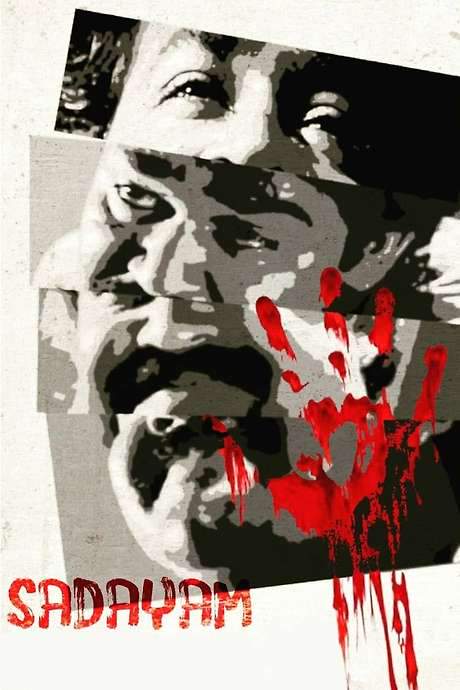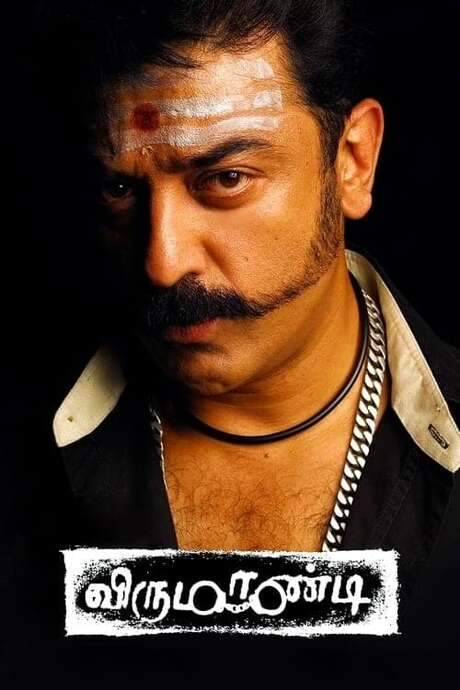
What Is Virumaandi About?
The premise of Virumaandi in 314 words, with nothing given away. The full story follows below.
In the austere corridors of Madras Central Prison, a camera crew slips past the clang of steel doors to capture a conversation that could reshape the way we view punishment. Angela Kathamuthu, a civil‑rights advocate pursuing a doctorate on the death penalty, steps inside with a singular purpose: to let the inmates speak for themselves. The prison itself feels like a character, its oppressive walls echoing with stories that have never been heard beyond the barred windows, creating a tense, almost claustrophobic atmosphere that hovers over every interview.
Within that setting, two voices dominate the documentary’s heartbeat. Virumaandi sits on death row, his presence a stark reminder of the system’s finality, while Kothaala Thevar endures a life sentence, embodying the lingering weight of long‑term confinement. Their testimonies, rendered through raw, unfiltered dialogue, reveal how the same event can be remembered in radically different ways, forcing viewers to confront the fragile nature of truth and the moral complexities that lie at the heart of justice.
The film’s tone is a careful blend of investigative rigor and human drama, balancing the cold procedural world of the penal system with moments of unexpected vulnerability. As Angela navigates the uneasy dynamics between prisoners, guards, and the institutional machinery, the narrative underscores the tension between law as an abstract concept and its lived impact on individuals. The setting’s oppressive heat, the echoing footsteps, and the flicker of a solitary light bulb all contribute to a mood that feels both intimate and unsettling, inviting the audience to linger in the gray areas rather than seek simple answers.
Through its layered storytelling, the documentary sets up a compelling ethical puzzle: can a single, personal perspective shift public perception of punishment, and what does it mean to seek mercy within a system built on retribution? The stage is set for a profound exploration of compassion, accountability, and the elusive quest for truth.
What Happens in Virumaandi?
The complete story of Virumaandi, from the first scene to the last, in 1,143 words (about 5 minutes). Spoilers throughout. Names in the text link to 5 cast member pages.
Spoilers ahead
Angela Kathamuthu, a civil rights activist, travels into Madras Central Prison with her cameraman to interview prisoners who are serving life terms or facing the death sentence as part of her PhD study on law and the death penalty. On her first day inside, she records the prisoners’ thoughts and feelings about justice, mercy, and the harsh realities of imprisonment, painting a careful picture of their perspectives and the human stories behind each case. The conversations are intimate, sometimes hopeful, sometimes bleak, and they plant the seed for a larger question about whether punishment truly achieves its stated aims.
Before she leaves, a death-row convict named Narayanan covertly reveals to her a troubling rumor: the prison is entangled in immoral practices, including Drug trafficking, led by Chief Jailer Jayanth and his network. This shocking tip plants the seed for a broader investigation that will collide with Angela’s academic pursuit and blur the line between truth-telling and danger within the system she is studying.
On her second day inside, a sit-in protest erupts among inmates and staff, protesting the sudden death of Narayanan by cardiac arrest and demanding accountability. During the turmoil, Angela meets Kothaala Thevar, a formidable figure serving a double life sentence for his alleged role in the murder of twenty-four people in Theni district. He offers his own version of the events that shaped his conviction, inviting Angela to reconsider the spin of the story through the lens of those who have lived it from the inside.
According to Kothaala Thevar, the trouble at the heart of the conflict traces back to Virumaandi Thevar, a volatile yet charismatic farmer with a deep love for the land and a knack for getting into trouble. Virumaandi’s early life is marked by upheaval: he loses his mother at a young age, is sent away to Chennai and then Singapore by his father, and returns to his village in Chinna Kolarupatti after his father’s death. He re-enters life there as a farmer who becomes entangled with Virumaandi’s land and water rights, circling the tension around a fertile plot coveted by Nayakkar and others who see opportunity in its bounty.
Virumaandi Thevar forms a bond with his distant relative Kothaala Thevar while attempting to protect and preserve the land that is tied to the community’s livelihood. Annalakshmi, the woman who will capture his heart, falls in love with him as they share moments of humor, courage, and resilience. When a funeral for Virumaandi’s grandmother becomes a flashpoint, a bid for his land is offered by the local authorities, and Virumaandi refuses, choosing dignity and independence over a quick payoff.
A violent turn follows: an assassination attempt on Virumaandi during a festival tests his resolve. Annalakshmi steps in, helping to shelter and protect him, and a romance deepens between them. Yet the truth becomes murky as Virumaandi discovers that the murder attempt might be tied to the very power struggles that Kothaala Thevar has orchestrated. In the wake of violent confrontations, Virumaandi is compelled to testify in a village dispute to prevent a bloodbath, a decision that later haunts him as he bears responsibility for the violence that ensues.
A fierce confrontation in Nayakkar’s village leads to a massacre of twenty-six people, with Virumaandi attempting to shield innocents and paying a heavy price for his honesty. For this, he is condemned to a sequence of punishments: a multi-year sentence that escalates to a death sentence after his testimony against the gang. As the courtroom processes unfold, Virumaandi’s life becomes a tangle of truth, manipulation, and the weight of what counts as justice in a system designed to deliver verdicts under pressure.
Within the claustrophobic walls of the prison, Angela presses for the truth behind the charges, seeking to understand the layers of evidence that have shaped Virumaandi’s fate. Her own motive deepens as she shares the personal pain of watching her father be harmed by cruel circumstances and the way the law can fail to shield the vulnerable. Her perspective sharpens the conversation about death, forgiveness, and the possibility of mercy.
As Virumaandi’s story unfolds, we glimpse the core of his character: a man who sometimes acts on impulse but who also embodies a fierce sense of responsibility, honor, and love. He forms a fragile, transformative bond with Annalakshmi, who teaches him about apology and forgiveness, and who helps him see that true justice may require more than punishment. The couple’s relationship threads through the escalating conflicts—land struggles, family loyalties, village politics, and the relentless pressure of survival.
The tale spirals to a dramatic crescendo as Angela gathers evidence to challenge the death sentence and the broader system of punishment. A revolt among jail staff erupts, and Jayanth is wounded, while Virumaandi helps protect Angela and preserve crucial evidence against the drug-running network. In a tense confrontation, Virumaandi faces Kothaala in a volatile clash where loyalties are tested and the line between vengeance and justice grows razor-thin. Kothaala’s grip on power appears to falter as his own henchmen suffer the consequences of Virumaandi’s restraint, and the truth about who killed whom begins to surface in the heat of the melee.
In the courtroom, the evidence points in multiple directions as Virumaandi’s guilt is reassessed. He is convicted of the rapes, the larger murder plot, and the seismic events that led to twenty-six deaths, while also becoming a key witness against Kothaala’s gang. The circuit of justice, vengeance, and the possibility of clemency becomes the central question for everyone involved: can a harsh sentence be tempered by mercy, and does restoring a sense of humanity within the system ever truly mend the harm that has been done?
As the drama accelerates toward its conclusion, Angela’s relentless pursuit of truth yields a pivotal revelation: a documentary-like record of conversations and covert footage that implicates several jail wardens in the drug trade. With Jayanth’s future uncertain, the film questions the extent to which justice is served when corruption, fear, and power co-mingle in the shadows of a high-stakes legal system. Virumaandi, meanwhile, finds himself at a crossroads, torn between the possibility of a final, public reckoning and the quieter, more difficult path of mercy and restraint.
In the end, Angela files for clemency before the President, arguing that the six-year sentence already reflects enough punishment and that Virumaandi should be allowed to live freely, if only to seek a form of repair or retribution that aligns with a broader sense of justice. On television, Virumaandi himself pleads for a rapid resolution—whether that means death by hanging or living out a quieter life as a man consumed by the consequences of his choices. The story closes on a somber, morally complex note, inviting viewers to ponder whether the law can ever fully capture the nuance of human life, and whether true justice might lie somewhere beyond the letter of the statute.
Virumaandi Timeline: Every Key Event in Order
14 key events in the order they happen, from “Angela enters Madras Central Prison for interviews” to “Clemency filing and moral takeaway”. 14 events name a place, across 10 locations.
- 1
Angela enters Madras Central Prison for interviews
Civil rights activist Angela Kathamuthu, with her cameraman, enters Madras Central Prison to interview inmates serving life terms or facing death. Her PhD study on the death penalty motivates this ground-level inquiry. The conversations begin to reveal the human stories behind the cases.
When:Day 1 Where:Madras Central Prison
- 2
First-day interviews reveal human stories
Inside the cell blocks, Angela records the prisoners’ thoughts on justice, mercy, and imprisonment. The conversations are intimate and sometimes hopeful, sometimes bleak, painting a nuanced portrait rather than a simple verdict. These interviews plant the seed for her broader investigation.
When:Day 1 Where:Madras Central Prison
- 3
Narayanan hints at corruption
Before leaving, Narayanan covertly reveals a troubling rumor: the prison is entangled in immoral practices, including drug trafficking led by Chief Jailer Jayanth. He hints at immorality within the prison's operations. This revelation plants the seed for a broader investigation.
When:Day 1 Where:Madras Central Prison
- 4
Day 2 protest and new perspective
A sit-in protest erupts among inmates and staff over Narayanan's death by cardiac arrest, demanding accountability. In the turmoil, Angela meets Kothaala Thevar, who offers his own version of the events that shaped his conviction. His account invites Angela to question the spin of the story from those who live inside the system.
When:Day 2 Where:Madras Central Prison
- 5
Virumaandi's backstory begins
Kothaala Thevar outlines Virumaandi Thevar’s early life: losing his mother, being sent away to Chennai and Singapore, and returning to Chinna Kolarupatti after his father’s death. The tale frames the land and water conflicts that will later pull him into the power struggles surrounding Nayakkar. It sets Virumaandi on a path between pride in his land and violence.
When:Past (early life) Where:Chinna Kolarupatti; Chennai; Singapore
- 6
Virumaandi and Annalakshmi's bond
Virumaandi forms a bond with Annalakshmi, a relative of Kothaala, as they navigate love, courage, and the harsh realities of life under threat. Annalakshmi's presence introduces a softer, human dimension to the tale and deepens Virumaandi's sense of responsibility. Their relationship becomes a counterpoint to the village's brutal power struggles.
When:Past (early romance) Where:Chinna Kolarupatti
- 7
Funeral and land bid
During Virumaandi’s grandmother’s funeral, local authorities offer a bid for his land. He refuses the quick payoff, choosing dignity and independence instead. This decision anchors his resistance to corruption and highlights his values.
When:Funeral scene (late past) Where:Village
- 8
Assassination attempt and shelter
A festival becomes the setting for an assassination attempt on Virumaandi, testing his resolve under threat. Annalakshmi shelters him, deepening their bond as danger intensifies the conflict around land and power.
When:During festival Where:Village festival
- 9
Testimony and village massacre
Virumaandi testifies in a village dispute to prevent a bloodbath. The confrontation spirals into a massacre of twenty-six people, a brutal consequence of the power struggle. He pays a heavy price for his honesty as the events haunt him.
When:After testimony Where:Nayakkar village
- 10
Prison revolt and evidence gathering
In the claustrophobic prison, Angela presses for the truth and uncovers evidence of the drug-running network implicating jail wardens. A revolt among staff erupts and Jayanth is wounded, with Virumaandi helping protect Angela and preserve crucial evidence.
When:Day 3-4 Where:Madras Central Prison
Show the other 4 events of Virumaandi Hide the last 4 events
- 11
Clash and exposure of loyalties
Virumaandi confronts Kothaala in a volatile clash where loyalties are tested and the truth about who killed whom begins to surface. The power dynamics shift as the two men confront the consequences of their choices.
When:Climax Where:Village / town outskirts
- 12
Courtroom verdict and mercy question
In court, Virumaandi is convicted of rapes and the larger murder plot, and he becomes a key witness against Kothaala’s gang. The proceedings raise the central question of whether harsh punishment can be tempered by mercy and humanity within the system.
When:Post-trial Where:Courtroom
- 13
Documentary evidence and public pleas
Angela's evidence implicates jail wardens in the drug trade, while Jayanth's fate remains uncertain. Virumaandi publicly pleads for a swift resolution, offering the possibility of death by hanging or a chance at a quieter life.
When:Final days Where:Television / Court
- 14
Clemency filing and moral takeaway
Angela files for clemency before the President, arguing that the six-year sentence already imposes enough punishment and that Virumaandi should live to seek repair or justice. The film ends on a somber note, inviting viewers to consider whether justice can lie beyond the letter of the law.
When:Ending Where:President's office
Who Are the Main Characters in Virumaandi?
5 characters, among them Virumaandi Thevar (Kamal Haasan), Annalakshmi (Abhirami) and Dr. Angela Kaathamuthu (Rohini): who each one is and the part they play in the story. Every profile links to the actor’s page.
- VT
Virumaandi Thevar (Kamal Haasan)
Played by Kamal Haasan
A volatile yet fiercely loyal farmer whose love for the land drives both his acts of courage and his entanglements in a web of violence. He embodies a strong sense of responsibility, honor, and an impulsive temperament that puts him at the center of the land-rights struggle. His relationship with Annalakshmi and his choices in moments of crisis reveal a man torn between vengeance and mercy.
- 💪 Determined
- 🌾 Farmer
- ⚖️ Justice
- A(
Annalakshmi (Abhirami)
Played by Abhirami
A courageous woman who falls for Virumaandi and becomes his emotional anchor. She represents resilience and compassion, guiding him toward reflection and remorse. Her presence challenges the cycle of violence by offering forgiveness and a different vision of justice.
- 💖 Romance
- 🕊️ Compassion
- ⚖️ Justice
- DA
Dr. Angela Kaathamuthu (Rohini)
Played by Rohini
A civil rights activist and PhD student who uses prison interviews to explore justice and the death penalty. Her investigations are driven by personal pain and a commitment to truth, even as she confronts danger within the system. Her perspective sharpens the moral debate surrounding punishment and mercy.
- 🕊️ Activism
- 🧭 Investigation
-
Chief Jailer Jayanth (Nassar)
Played by Nassar
A powerful, corrupt figure behind a drug-trafficking network within the prison. His authority demonstrates how power can corrupt law enforcement and jeopardize lives. He becomes a central obstacle to uncovering the truth.
- 💼 Corruption
- ⚖️ Power
- KT
Kothaala Thevar (Pasupathy)
Played by Pasupathy
Virumaandi’s rival and a formidable figure who claims responsibility for murder in a broader conflict over land. He wields influence and orchestrates events from behind the scenes, challenging any straightforward reading of guilt.
- 💀 Villainy
- 🗝️ Power
Where and When Is Virumaandi Set?
Virumaandi is set in Madras Central Prison, Chennai, Chinna Kolarupatti, Theni District and Singapore. Here is why the place matters to the story.
When
The story unfolds over a contemporary, but undefined, period within India’s criminal justice system, focusing on prison life, protests, and courtroom drama. It follows Virumaandi’s journey from youth through a lengthy imprisonment and the ensuing legal battles, spanning several years. The timeline culminates in a clemency debate and a dramatic confrontation between truth and power.
Where
Madras Central Prison, Chennai, Chinna Kolarupatti, Theni District, Singapore
The story primarily unfolds inside the claustrophobic corridors of Madras Central Prison in Chennai, where interviews with inmates and the death row drama take place. The broader saga moves through the rural village landscapes of Chinna Kolarupatti in Theni District, the backdrop of land and water rights conflicts. The film also recalls Virumaandi’s early life in Singapore, hinting at a migration era that informs the characters’ loyalties and choices.
- 🔒 Prison
- 🇮🇳 India
- 🏞️ Rural settings
What Are the Themes of Virumaandi?
3 ideas the story keeps returning to, among them Justice, Mercy and Truth.
-
01
Justice
The film interrogates what true justice means when law, power, and personal loyalties collide. It questions whether verdicts alone deliver fairness or if mercy should temper punishment. The courtroom becomes a stage where truth is tested against manipulation and public sentiment.
-
02
Mercy
Mercy operates as a counterweight to retribution, embodied by Angela’s pursuit of clemency and Annalakshmi’s influence on Virumaandi. The story suggests mercy can heal wounds that punishment cannot mend. It asks whether clemency is ever enough to repair the damage caused by violence and corruption.
-
03
Truth
Hidden networks of corruption and conflicting testimonies shape the case, forcing characters to reexamine what they believe. Angela’s interviews reveal human stories behind the charges, complicating simplistic notions of guilt. The pursuit of truth becomes a volatile force that challenges the system.
What Kind of Film Is Virumaandi?
Dark in tone, with variable pacing and a complex story, going by the plot summary.
- Tone
- Dark
- Pacing
- Variable
- Story
- Complex
- Intensity
- High
- Ending
- Bittersweet
A tense, morally complex prison drama framed by competing testimonies, which builds a gripping and somber atmosphere around a violent village feud and the heavy realities of the death penalty.
- tense
- somber
- claustrophobic
- gripping
- morally ambiguous
- urgent
- death penalty
- justice system
- multiple perspectives
- prison corruption
Content notes: massacre, death penalty, prison riot, false accusation, death of child, suicide.
Quiz
How well do you remember Virumaandi? Test yourself on the story.