Victoria the Great 1937


The biographical film follows Queen Victoria’s sixty‑year reign, beginning with her early years on the throne and her marriage to Prince Albert, highlighting their passionate partnership. After Albert’s death in 1861, the story depicts Victoria’s continued rule, exploring the personal and political challenges she confronts as a widowed monarch.


Does Victoria the Great have end credit scenes?
No!
Victoria the Great does not have end credit scenes. You can leave when the credits roll.
Meet the Full Cast and Actors of Victoria the Great
Explore the complete cast of Victoria the Great, including both lead and supporting actors. Learn who plays each character, discover their past roles and achievements, and find out what makes this ensemble cast stand out in the world of film and television.
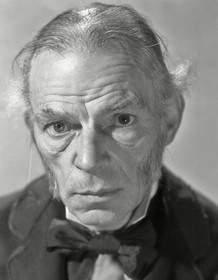
Ivor Barnard
Assassin
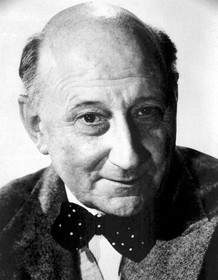
Felix Aylmer
Lord Palmerston
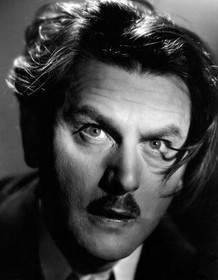
Anton Walbrook
Prince Albert
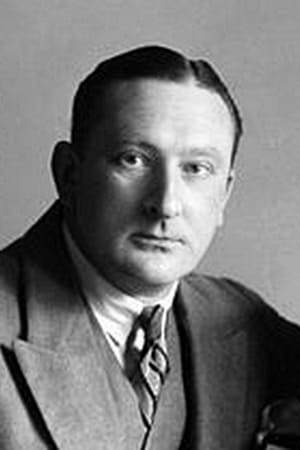
Frank Cellier
(uncredited)
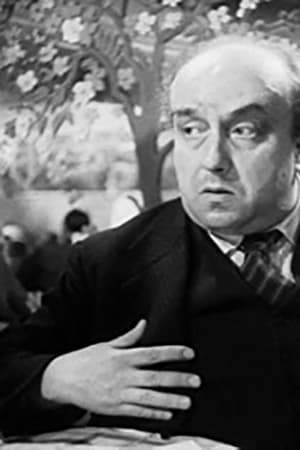
William Dewhurst
John Bright
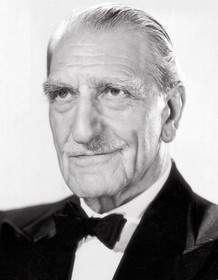
C. Aubrey Smith
(uncredited)

Mary Morris
Duchess of Kent

Joan Young
Miss Pitt
Paul Henreid
(uncredited)
H.B. Warner
Lord Melbourne
Miles Malleson
Sir James
Hugh Miller
Older Disraeli
Arnold Lucy
Vi Kaley
Arthur Young
William Gladstone
Robert Atkins
Garter King-at-Arms
Greta Schröder
Baroness Lehzen
Charles Carson
Robert Peel
O.B. Clarence
Coachman-in-Chief
Moore Marriott
Train Driver
Aubrey Mallalieu
Bishop at the Palace
Walter Rilla
Prince Ernest
Albert Lieven
(uncredited)
Hal Gordon
C. V. France
Archbishop of Canterburry
Charles Lefeaux
Earl of Albermarle
Derrick De Marney
Younger Diraeli
Anna Neagle
Queen Victoria
Henry Hallett
Joseph Chamberlain
Elizabeth Vaughan
Mistress of Robes
Tom Heslewood
Paul Leyssac
Baron Stockmar
Frank Birch
Charles Dilke
Percy Parsons
President Lincoln
Syd Crossley
Gordon McLeod
John Brown
Edgar Driver
Pearly King
Hubert Harben
Lord Conyngham
Lewis Casson
Archbishop of Canterbury
Wyndham Goldie
Cecil Rhodes
James Dale
Duke of Wellington
Bert Bendon
Clarence Blakiston
Duke of Sussex
Marie Wright
Old Kitty
Joyce Bland
Florence Nightingale
Angela Braemar
Princess Alice
Rupert Mitford
George Bentinck
Julian Royce
Duke of Cambridge
Stanley Vine
Gentleman-in-Waiting
Neil McKay
External Links and Streaming Options
Discover where to watch Victoria the Great online, including streaming platforms, rental options, and official sources. Compare reviews, ratings, and in-depth movie information across sites like IMDb, TMDb, Wikipedia or Letterboxd.




Take the Ultimate Victoria the Great Movie Quiz
Challenge your knowledge of Victoria the Great with this fun and interactive movie quiz. Test yourself on key plot points, iconic characters, hidden details, and memorable moments to see how well you really know the film.
Victoria the Great (1937) Quiz: Challenge your knowledge of the 1937 historical drama about Queen Victoria's early reign, her marriage to Prince Albert, and key events depicted in the film.
Which actress portrays the young Queen Victoria in the film?
Full Plot Summary and Ending Explained for Victoria the Great
Read the complete plot summary of Victoria the Great, including all major events, twists, and the full ending explained in detail. Explore key characters, themes, hidden meanings, and everything you need to understand the story from beginning to end.
In June 1837, eighteen-year-old Queen Victoria Anna Neagle ascends the throne of the United Kingdom after the death of her uncle, King William IV, and immediately begins to carve out a path of her own making. Freer from the traditional pressures of the monarchy than some might expect, she asserts a steady independence from two powerful influences at court: her German mother, the Duchess of Kent Mary Morris, and her Belgian advisor, Baron Stockmar Paul Leyssac. This early moment sets the tone for a reign defined as much by personal resolve as by political maneuvering, where family loyalties and statecraft intertwine in quiet but consequential ways.
To navigate the tensions of governance, Victoria leans on Lord Melbourne H.B. Warner, a trusted Prime Minister who senses that the young sovereign will eventually need a guiding hand as he himself grows older. Melbourne proposes a strategic alliance through marriage to her German cousin, Prince Albert of Saxe-Coburg and Gotha Anton Walbrook. Victoria, initially wary, regards Albert as stern and controlled, while he suspects she might be flighty and too fond of social whirl. The assessment is mutual, and the two are not eager to see eye to eye at first. When Victoria delays inviting Albert and his elder brother Ernest for a visit, a change in plans occurs: Melbourne reveals Albert’s reluctance to travel, and suddenly Victoria’s resolve shifts. She decides to invite them anyway, setting in motion a cross‑Channel encounter that will reshape the entire country’s future.
Albert and Ernest’s Channel crossing is rough and rain-drenched, and when they are first presented to the Queen, Albert comes across as distant. Yet the momentum of a ball soon alters the mood. After a waltz with Victoria (performed to the backdrop of an orchestra led by Johann Strauss), Albert cancels his plan to return home the next day. This moment marks a turning point: Victoria resolves to marry him, and Albert, recognizing the potential of this partnership, accepts.
Once married, Victoria commits herself to ruling, but Albert’s dreams of closer collaboration clash with her initial steadfast insistence on governing alone. Albert’s attempts to join discussions—such as those about the merits of an income tax—are rebuffed by Victoria, who remains resolute. The tension rises until Albert finally presses his case more directly, and gradually she yields, inviting him to participate more fully in guiding the nation. This marks the beginning of a genuine partnership that helps steer policy and governance through a difficult era.
The era known as the Hungry Forties brings social unrest and economic strain, and Albert proves perceptive and protective during a dangerous moment: he spots a would‑be assassin and shields his wife during an open‑carriage ride, with the gun only striking his hat before the assailant is overpowered. The royal couple soon welcomes their first male child, Prince Albert Edward, in November 1841, a development that deepens their family bond and the sense of continuity at the heart of the monarchy. The political climate continues to demand action, and Victoria and Albert align with Sir Robert Peel [Charles Carson]—a central figure in domestic reform—as the government considers the repeal of the Corn Laws to relieve bread‑line distress.
As the nation wrestles with international pressures, the Trent Affair of 1861 threatens to embroil Britain in the American Civil War on the side of the South. Foreign Minister Lord Palmerston [Felix Aylmer] argues for a firm message to the United States, but Victoria favors a more cautious approach, and Albert helps to refine the response so that hostilities can be avoided. The same year also marks Albert’s death, a devastating blow that plunges Victoria into a long period of mourning and withdrawal from public life. The monarchy’s popularity slides as public sentiment shifts, and a somber nation awaits a turn in the balance.
In the end, it is Prime Minister William Gladstone [Arthur Young] who pleads with Victoria to resume her public duties, asking what Albert would have wanted her to do. His counsel helps her to reemerge from seclusion and to reengage with the country she leads. The film closes with a symbolic shift—from monochrome to color—signaling a new era that follows the loss her husband represents but also the resilience she must embody as Queen. Through decades of triumphs and trials, Victoria’s reign is portrayed as a complex interplay of personal devotion, statecraft, and the enduring question of what a monarch’s presence can mean for a nation in flux.

Coming soon on iOS and Android
The Plot Explained Mobile App
From blockbusters to hidden gems — dive into movie stories anytime, anywhere. Save your favorites, discover plots faster, and never miss a twist again.
Sign up to be the first to know when we launch. Your email stays private — always.
Explore the mobile appDiscover Film Music Concerts Near You – Live Orchestras Performing Iconic Movie Soundtracks
Immerse yourself in the magic of cinema with live orchestral performances of your favorite film scores. From sweeping Hollywood blockbusters and animated classics to epic fantasy soundtracks, our curated listings connect you to upcoming film music events worldwide.
Explore concert film screenings paired with full orchestra concerts, read detailed event information, and secure your tickets for unforgettable evenings celebrating legendary composers like John Williams, Hans Zimmer, and more.


Victoria the Great Themes and Keywords
Discover the central themes, ideas, and keywords that define the movie’s story, tone, and message. Analyze the film’s deeper meanings, genre influences, and recurring concepts.
Victoria the Great Other Names and Titles
Explore the various alternative titles, translations, and other names used for Victoria the Great across different regions and languages. Understand how the film is marketed and recognized worldwide.
Similar Movies To Victoria the Great You Should Know About
Browse a curated list of movies similar in genre, tone, characters, or story structure. Discover new titles like the one you're watching, perfect for fans of related plots, vibes, or cinematic styles.






Quick Links: Summary, Cast, Ratings, More

What's After the Movie?
Not sure whether to stay after the credits? Find out!
Check out our other apps:

SAT Sphere
Build confidence for the Digital SAT.

Mori Atlas
Discover wild places worth protecting.

Luntero
Search smarter for a home in Amsterdam.

Plot Explained
Unravel movie endings and hidden clues.

Pokechamp
Dive into Pokémon data and battle logic.

Driving Theory
Get ready for your European theory test.

Movie Dust
Plan your next cinema trip with ease.

Musemap
Find art and culture as you travel.

Selkobase
Compare credentials before committing.

Local Manual
Turn an unfamiliar country into practical next steps.

Lernavi
Compare school systems before your next move.

GymRoam
Find a workout stop wherever your plans take you.
Explore Our Movie Platform
New Movie Releases (2026)
Famous Movie Actors
Top Film Production Studios
Movie Plot Summaries & Endings
Major Movie Awards & Winners
Best Concert Films & Music Documentaries
Movie Collections and Curated Lists
© 2026 What's After the Movie. All rights reserved.
Privacy Policy